

Key takeaways
- Ladies day leagues often tee off after morning member play, which squeezes mid-morning fairway robot windows.
- Social pace and lunch turnover keep carts on corridors longer than a stroke-play card suggests.
- Mid-morning holds should end on geofence release, not a fixed clock that ignores league traffic.
- Starters, the pro shop, and turf monitors need one shared hold sheet for afternoon tee blocks.
- Service Robot Co. can map ladies day buffers during vendor-neutral fairway robot deployment.
Why ladies day afternoons squeeze mid-morning mowing
Many clubs run ladies day leagues in the afternoon so morning members finish first. That sounds simple until you map autonomous fairway loops that still need cuts between those blocks.
League formats often mix social pace with ready golf on reachable holes, so foursomes linger on fairways and around greens longer than tee intervals alone predict.
According to the USGA, players should make a stroke in no more than 40 seconds when able to play without interference, yet league days still stack cart traffic on shared corridors when groups chat between shots.
Your mid-morning hold plan must assume afternoon league traffic will reach mapped robot paths before the last morning maintenance window closes.
How lunch-hour turnover affects robot release timing
Lunch breaks compress the handoff between morning play and ladies day sign-in. Starters may hold the first tee while the grill clears, which pushes league carts onto fairways later than the published sheet.
Kitchen and locker traffic near the clubhouse can pull staff away from radios just when maintenance wants to release a hold.
Build a 30 to 45 minute buffer after the last expected morning group on holes that feed into league starting nines, then tighten only when starters confirm the first league cart is on the tee.
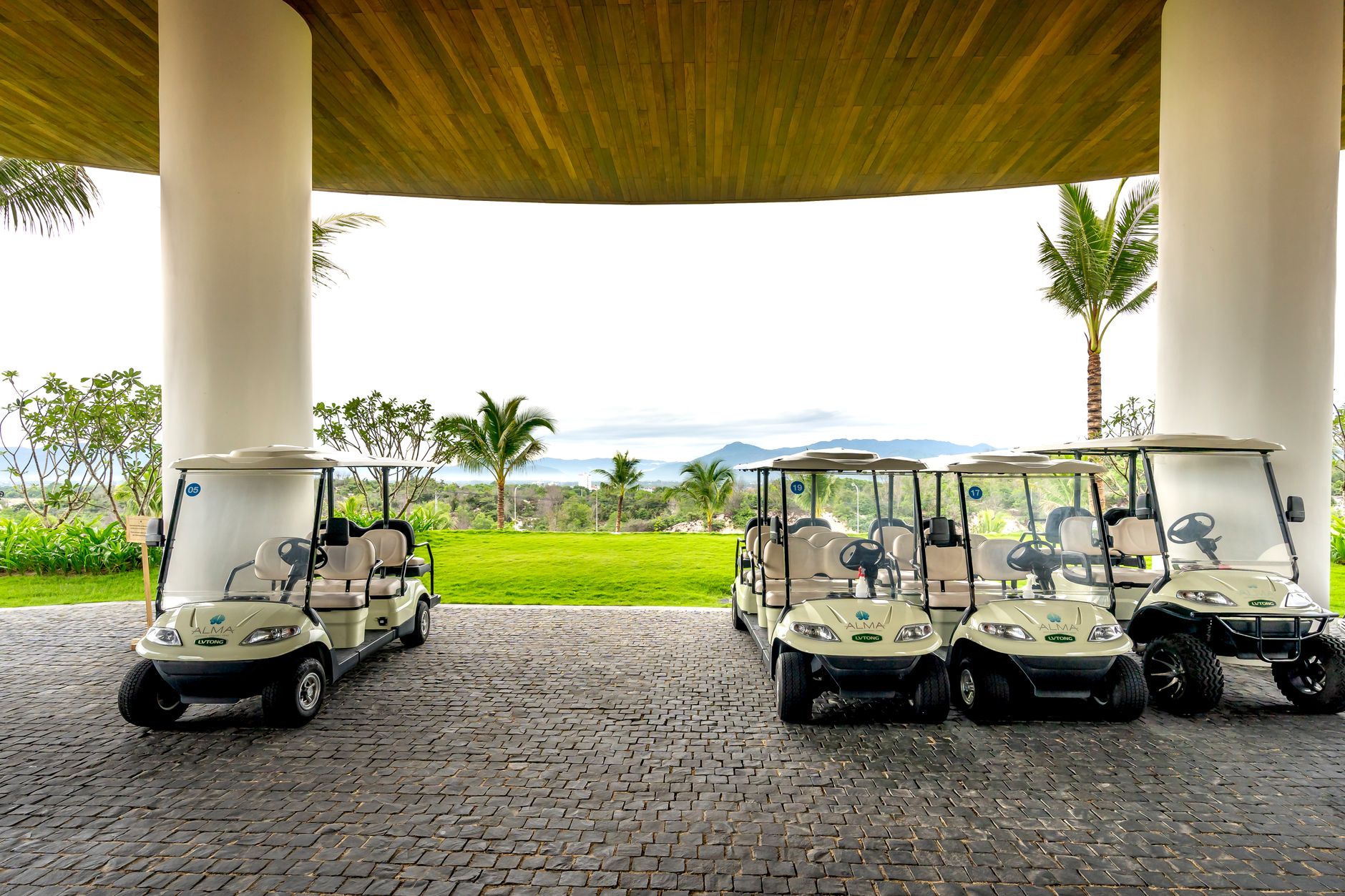
Map afternoon tee blocks before you draw geofences
Import the ladies day card with actual tee times, crossover nines, and any shotgun segments the pro shop adds for season openers.
Mark holes where league groups historically ride closer to landing areas for photos or fund-raiser games.
Post hole numbers and earliest robot release times at chargers so night crew and morning monitors read the same list.
- Front nine league starts that cross robot transit between holes 4 and 5
- Back nine starts that share a connector fairway with morning maintenance loops
- Par threes where groups gather on the tee while the previous foursome putts
Mid-morning holds versus full-course shutdowns
A full-course shutdown wastes cuts on holes the league will not reach until late afternoon. Polygon holds on active corridors keep robots productive on quiet nines.
Hold until carts clear the landing zone on long par fours, not only when the group tees off on the next hole.
If morning member play runs long, extend holds hole by hole rather than lifting the entire course at once.
Geofenced releases before league carts hit mapped paths
Release robots only when the monitoring dashboard shows no carts inside the polygon for that hole segment.
Add a short trailing buffer after the last cart exits so a late rider does not meet a mower entering from a dogleg.
Log release times each ladies day for a month, then adjust buffers on holes that repeatedly conflict.
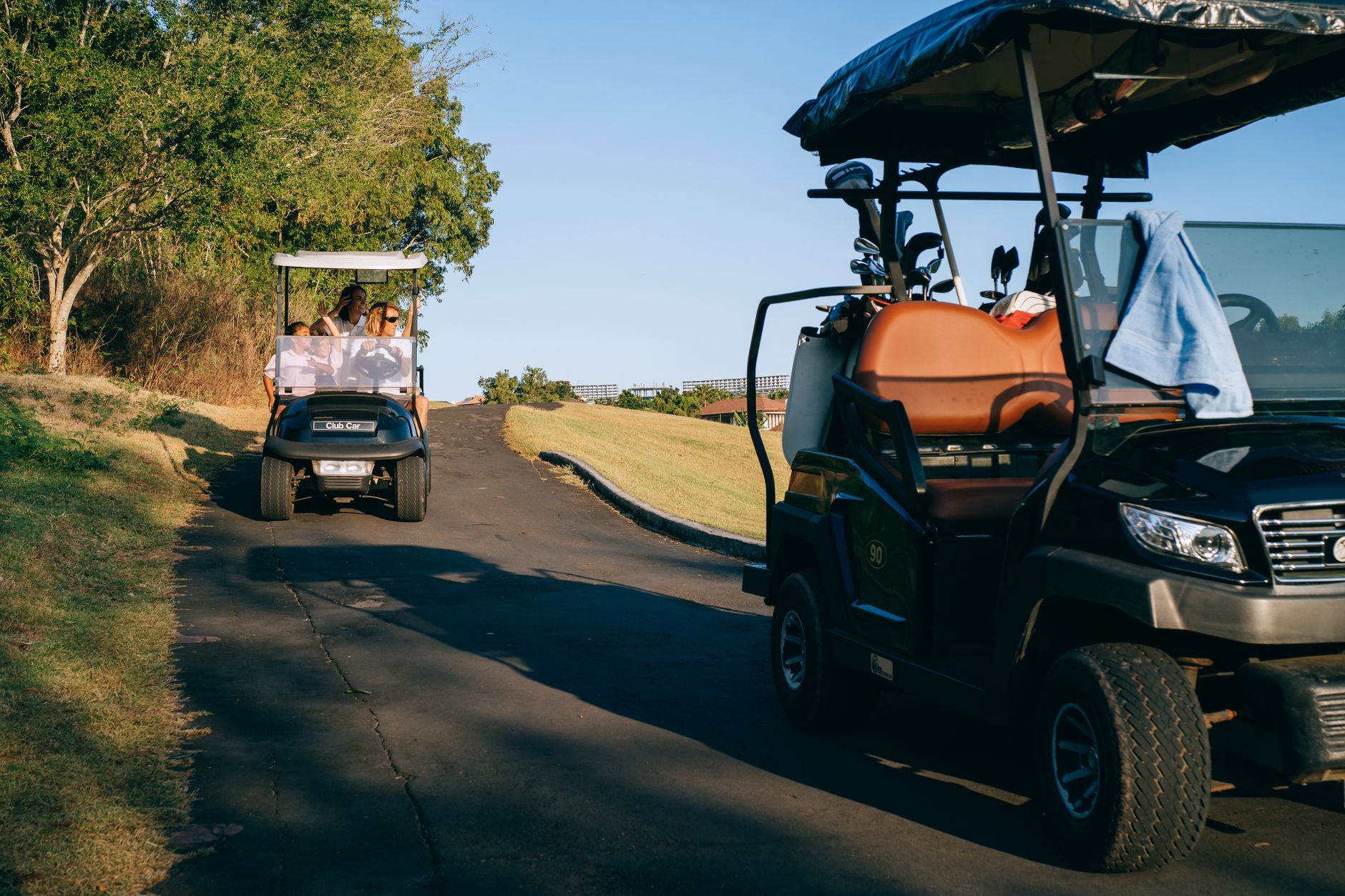
Who calls the hold and who confirms the corridor is clear
Starters own tee flow. They should radio maintenance when the last morning group clears a league corridor.
Turf monitors own robot dashboards and should not lift a hold without starter confirmation on busy league weeks.
The pro shop should flag makeup weeks or guest days that add extra afternoon cards.
Where buy or lease support fits fairway programs
Service Robot Co. stays OEM-neutral, then lines up buy or lease financing, site mapping, crew training, and nationwide service through one partner.
Integrators can import ladies day hold templates and tune geofences after the first month of afternoon league play.
A single contact for deployment and RoboCare support helps when league formats change mid-season.



Social pace and cart patterns league monitors should watch
League days reward conversation on fairways, which widens cart spread compared with a men's club championship.
Watch for groups that stop for photos on reachable par fives while the next tee time is already on the clock.
USGA guidance encourages ready golf in stroke play when safe, but league culture may still pause for rules talks. Plan wider geofences on those holes.