Key takeaways
- The July 28, 2026 pilot at LaGuardia Terminal B is notable because it combines cleaning robots and an inspection quadruped inside a live U.S. terminal.
- This is an operations story first. In a terminal, visibility, safety discipline, and stakeholder alignment matter as much as autonomy.
- Terminal B is a serious proving ground: a 1.3 million square foot terminal, 35 gates, and a high-profile passenger environment.
- The strongest lesson is sequencing. Start with repeatable floor care, add inspection carefully, and connect both to a clear facilities command structure.
- Airport operators that want similar results need one accountable partner for selection, deployment, training, service, and escalation.
What happened at LaGuardia Terminal B in July 2026?
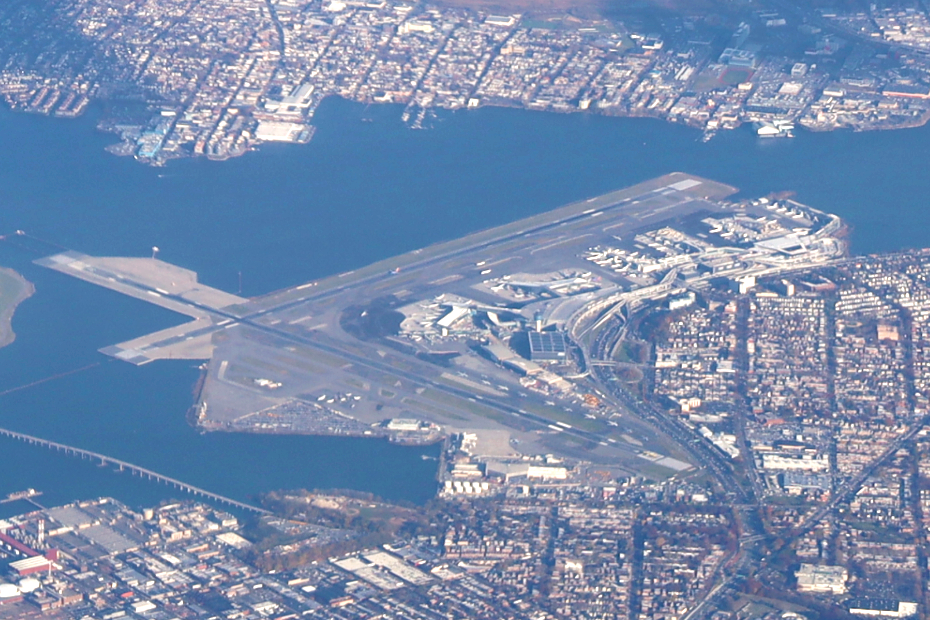
On July 28, 2026, ABM and LaGuardia Gateway Partners announced a live autonomous robotics pilot at LaGuardia Airport’s Terminal B. According to ABM, the pilot includes autonomous floor scrubbers, autonomous vacuums, and an inspection quadruped described as one of the first robotic dogs deployed in a U.S. airport terminal.
For airport and venue operators, the headline is not just that robots showed up in public view. It is that the pilot combines two very different jobs in one operating environment. Cleaning is repetitive, route-based, and easy for the public to understand. Inspection is more variable, more sensitive, and more exposed to questions about safety, data, and workflow ownership.
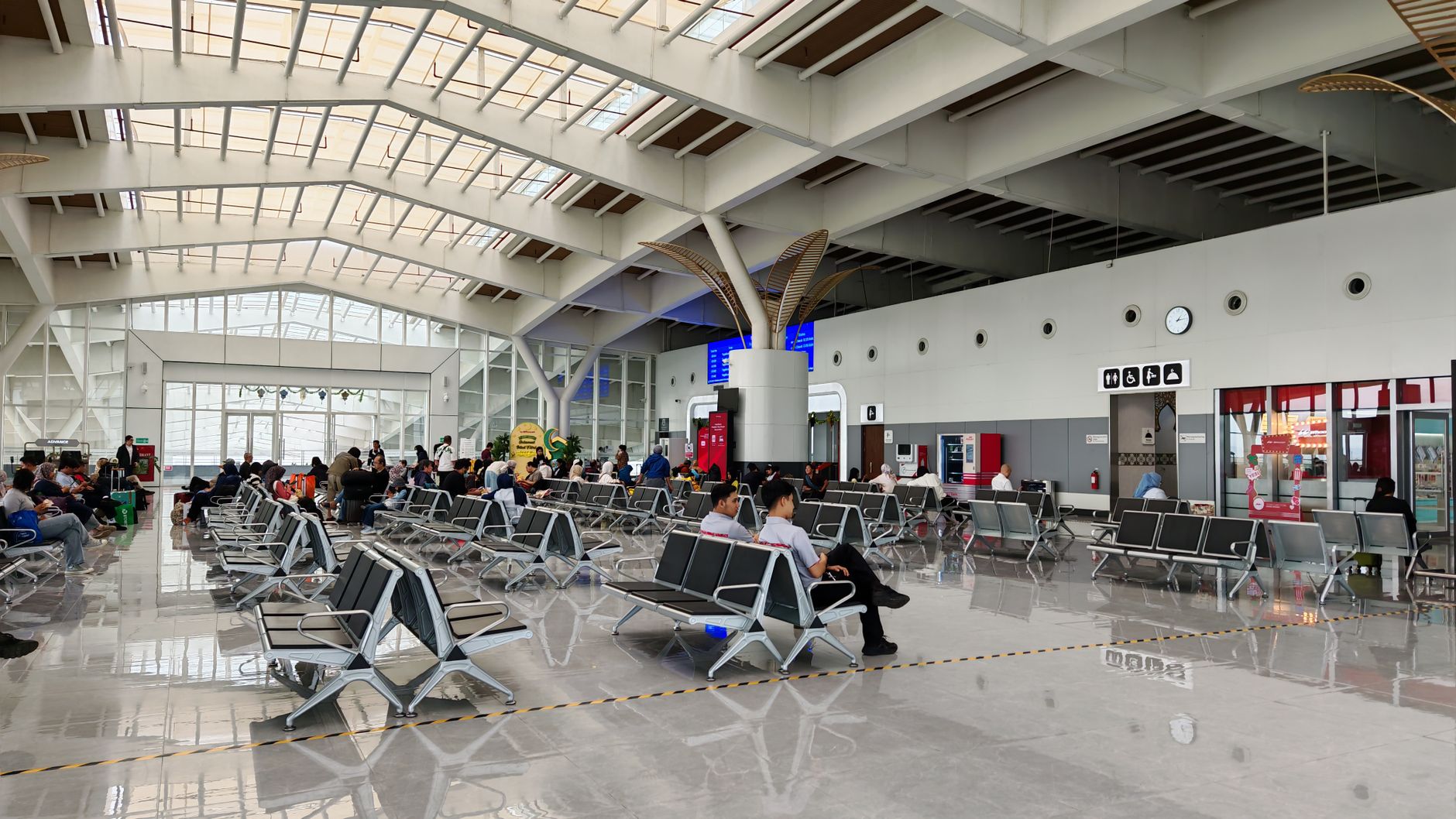
That makes Terminal B a useful case study. This is not a warehouse aisle hidden from customers. It is a polished, high-traffic terminal where every maintenance choice sits in front of passengers, airlines, concessionaires, terminal management, security stakeholders, and facilities teams at the same time.
- Launch date: July 28, 2026
- Site: LaGuardia Airport Terminal B in New York
- Use cases in the pilot: floor scrubbing, vacuuming, and facility inspection
- Operator pairing: ABM with terminal operator LaGuardia Gateway Partners
Why does this pilot matter more than a typical robot demo?
Because Terminal B is not a forgiving backdrop. LaGuardia Gateway Partners says the rebuilt terminal is a $5.1 billion public private partnership, spans 1.3 million square feet, and has 35 gates. ABM’s 2024 Terminal B case study also describes nearly 50 shops, restaurants, and services in the building. That is a lot of floor, a lot of touchpoints, and a lot of ways for a pilot to go sideways if ownership is vague.
The airport context raises the stakes. The Port Authority of New York and New Jersey reported that LaGuardia served 15.3 million passengers in the first half of 2026 alone. Even though that figure covers the whole airport rather than just Terminal B, it tells you what kind of operating tempo surrounds any terminal pilot there. These machines are entering a system built around peaks, irregular operations, security boundaries, and constant public scrutiny.
In other words, the point is not novelty. The point is whether robotics can hold up inside a building where appearance, uptime, pedestrian etiquette, and incident response all matter every hour of the day.
What makes the cleaning plus inspection mix so instructive?
Most operators start with one narrow task. That is sensible. Floor care is usually first because routes are clearer, success is measurable, and the labor pain is persistent. Inspection is a different animal. It can involve roaming, exception handling, sensor interpretation, and more coordination with engineering or safety teams.
By putting both categories into one pilot, Terminal B is testing a broader operations thesis. Can a terminal run robots that do visible custodial work while also introducing a mobile inspection platform without confusing staff, clogging circulation, or diluting accountability? That is a more ambitious question than asking if an autonomous scrubber can clean a concourse overnight.
It also reflects how airport operators actually think. They do not manage cleaning in isolation from guest experience, engineering, security posture, or incident response. A mixed pilot is useful because it forces those conversations early, before anyone talks about scale.
Why are airports such a hard place to get robotics right?

Airports are crowded, but that is the easy part. The harder part is that they are multi-authority environments. Terminal operators, airport authorities, airlines, security teams, custodial leaders, concessions, and public-facing staff all have a legitimate stake in how a robot behaves, where it parks, when it runs, and who gets called when it stops.
Terminal B’s own redevelopment story underlines the point. LaGuardia Gateway Partners says the terminal remained open throughout construction and that the project demanded meticulous coordination. That same operational discipline carries over to robotics. A robot program in a live terminal is less about gadget performance and more about permissions, boundaries, schedules, escalation trees, and a clean division of labor.
There is also the optics problem. In a warehouse, a stalled machine is mostly a productivity issue. In a terminal, a stalled machine becomes a guest experience issue instantly. If it blocks a path near a gate bank, near baggage claim, or beside a concession queue, the operational cost is visible before anyone opens a service ticket.
What should airport operators learn from the rollout sequence?
The most practical lesson is sequencing. Start where the workflow is structured, the task is frequent, and the value can be measured without heroic assumptions. In this case, that means floor care. ABM says the scrubbers in the Terminal B pilot can run autonomously for up to six hours and automatically recharge. Those are the kind of operating details that matter because they map directly to shift design, coverage windows, and labor redeployment.
Only after that foundation is stable should operators widen the envelope. Inspection robots can be valuable, but they ask more from the site. Routes may need to change more often. Staff need a shared understanding of what the machine is checking, what data matters, and what happens when it finds something unusual. Without that discipline, inspection becomes theater instead of operations.
The rollout sequence should usually look like this: prove repeatable cleaning performance first, define the human escalation path second, and then add inspection tasks that fit the site’s real maintenance priorities. The LaGuardia pilot matters because it appears to be testing that progression in public.
- Pick use cases with different risk profiles on purpose
- Prove floor care coverage before expanding mission scope
- Assign one owner for dispatch, charging, exceptions, and service
- Write response rules for blocked routes, spills, crowds, and manual override
- Decide how inspection findings enter the maintenance workflow before the robot starts roaming
What does this mean for staffing and guest experience?
ABM frames the Terminal B pilot as a way to free staff for higher-value guest-facing work rather than replace them. That framing is not just public relations. In airports, it is operationally sound. The work that hurts most is often repetitive coverage work that must happen every shift, while the work passengers remember most is human help during irregular moments.
ABM’s 2024 Terminal B case study says it manages more than 600 team members serving the terminal. In an environment with labor at that scale, the useful question is not whether a robot erases jobs. It is whether it stabilizes routine work enough that supervisors can move people toward exceptions, passenger assistance, and quality control.
That is especially relevant in a terminal with premium positioning. Terminal B became the first airport terminal in North America to earn a 5 star customer experience rating from Skytrax in 2023, according to both ABM and LaGuardia Gateway Partners. Once a terminal is operating at that level, robotics has to protect the standard, not merely cut a task time on paper.

How should operators think about procurement after this pilot?
They should think less about a single robot and more about the operating wrapper around it. The LaGuardia story is persuasive because it is not just a machine drop. It sits inside an existing facilities relationship, a defined terminal governance structure, and a site with strong operational expectations. That context is doing real work.
For most airports, stadiums, and convention venues, the procurement failure mode is fragmentation. One vendor sells the machine, another handles setup, another promises software visibility, and local staff are left stitching together charging, training, spare parts, and incident response. In a public terminal, that handoff mess becomes visible fast.
This is where Service Robot Co. fits. For operators evaluating a robot pilot program, commercial cleaning robot rental, airport cleaning robot rental, or inspection robot rental, the real need is not a catalog. It is one accountable partner that can pick the right robot across manufacturers, finance it, deploy it, integrate it, train the team, and service the unit through a nationwide U.S. engineer network. In a terminal, one partner and one number beats a stack of partial promises.
What should happen next if this pilot performs well?
Success should not be defined by headlines or passenger photos. It should be defined by boring evidence: route completion, intervention rate, cleaning consistency, charging behavior, incident logs, staff adoption, and whether the inspection robot surfaces useful maintenance findings that actually change work orders or response time.
If the pilot performs well, the next step is not to flood the terminal with more machines. It is to formalize the playbook. Which zones are best for daytime autonomy and which belong to overnight cleaning no operator workflows? Which inspection routes justify routine runs and which should stay event-driven? What staffing model supports the fleet without creating hidden supervisory work?
Airport operators outside New York should watch that closely. The lesson from LaGuardia is not copy the exact robot mix. The lesson is that a high-visibility terminal can test multiple robot roles at once if the operating model is disciplined enough. That is a stronger signal than any flashy demo video.
Frequently asked questions
Sources
Service Robot Co. is not affiliated with, sponsored by, or endorsed by the companies mentioned in this article.