Key takeaways
- ABM and LaGuardia Gateway Partners launched a robotics program at Terminal B in July 2026.
- The fleet pairs CenoBots autonomous scrubbers and vacuums with a Skild AI quadruped inspection robot.
- Scrubbers are rated for up to six hours of autonomous run time with automatic recharging in ABM's release.
- Inspection and floor care split lets staff focus on guest-facing work while robots cover repetitive loops.
- Airport peers such as Flagship now run 200-plus cleaning robots across 25 U.S. locations, per August 2026 data.
What launched at LaGuardia Terminal B?
On July 28, 2026, ABM announced a robotics program inside LaGuardia Airport's Terminal B, operated by LaGuardia Gateway Partners. The release describes three visible tools: autonomous floor scrubbers and vacuums from CenoBots, plus a four-legged inspection robot built with Skild AI.
Passengers may see the quadruped checking facilities while scrubbers and vacuums handle high-traffic flooring. ABM framed the mix as a way to keep Terminal B's cleanliness standard while redeploying people to tasks that need human judgment.
For facility leaders, the lesson is not a single machine type. It is a choreographed fleet where inspection data and floor care coverage happen on parallel schedules.
Why split scrubbers, vacuums, and inspection?
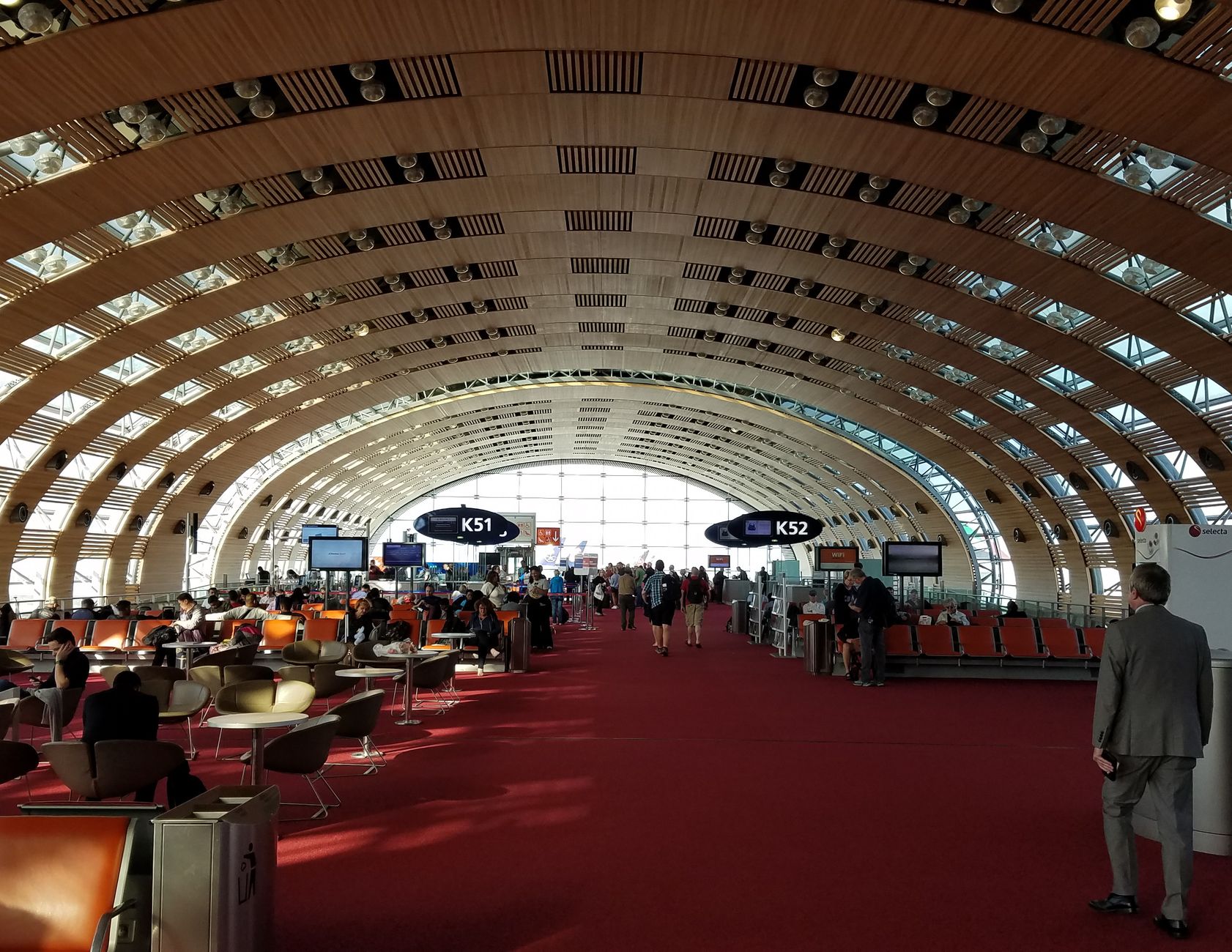
Terminal concourses combine hard tile, carpeted hold rooms, and transition mats that collect fine dust and larger debris at different rates. ABM's announcement positions CenoBots scrubbers for consistent wet cleaning with 3D LiDAR navigation and intelligent mapping, while separate autonomous vacuums capture fine dust and larger debris in the same traffic lanes.
The Skild AI quadruped handles a different job: facility inspection where a rolling scrubber cannot easily climb curbs or peer under fixed equipment. ABM notes it is among the first robotic dogs in a U.S. airport terminal, which raises guest communication work but also expands what automated rounds can see.
Operators copying this model should document which defects each modality owns. A scrubber alarm is not the same as an inspection flag on a ceiling leak or a blocked gate area.
How long can the scrubbers run between charges?
ABM's release states the CenoBots scrubbers can operate up to six hours autonomously, automatically recharge, and minimize downtime. That runtime matters in terminals where overnight windows shrink during irregular operations or delayed banks of departures.
Vacuums in the same announcement emphasize continuous operation with self-charging capability, which helps cover carpet zones between scrubber passes. Treat published run times as planning numbers, then verify them on your own measured routes with local soil load.
Charging placement is an airport project, not a closet decision. You need power, signage, and security clearance before you park a fleet behind a TSA checkpoint.
Where does this fit in the wider U.S. airport trend?
LaGuardia Terminal B is not operating in a vacuum. In August 2026, SoftBank Robotics America and Flagship Aviation Services reported more than 200 autonomous cleaning robots across 25 airport locations, up from 100 robots at 15 locations when the partnership began in 2024.
Flagship said the expanded program surpassed 100,000 operating hours and approached 500 million square feet cleaned, with the fleet averaging nearly one million square feet cleaned per day. Those figures show how fast aviation contractors scale once pilots prove safe coexistence with passengers.
Terminal B adds inspection robotics to the aviation story, not just another scrubber line item. Peer airports will watch whether passengers accept a quadruped on the same concourse as dining and retail.
Which zones should terminals pilot first?
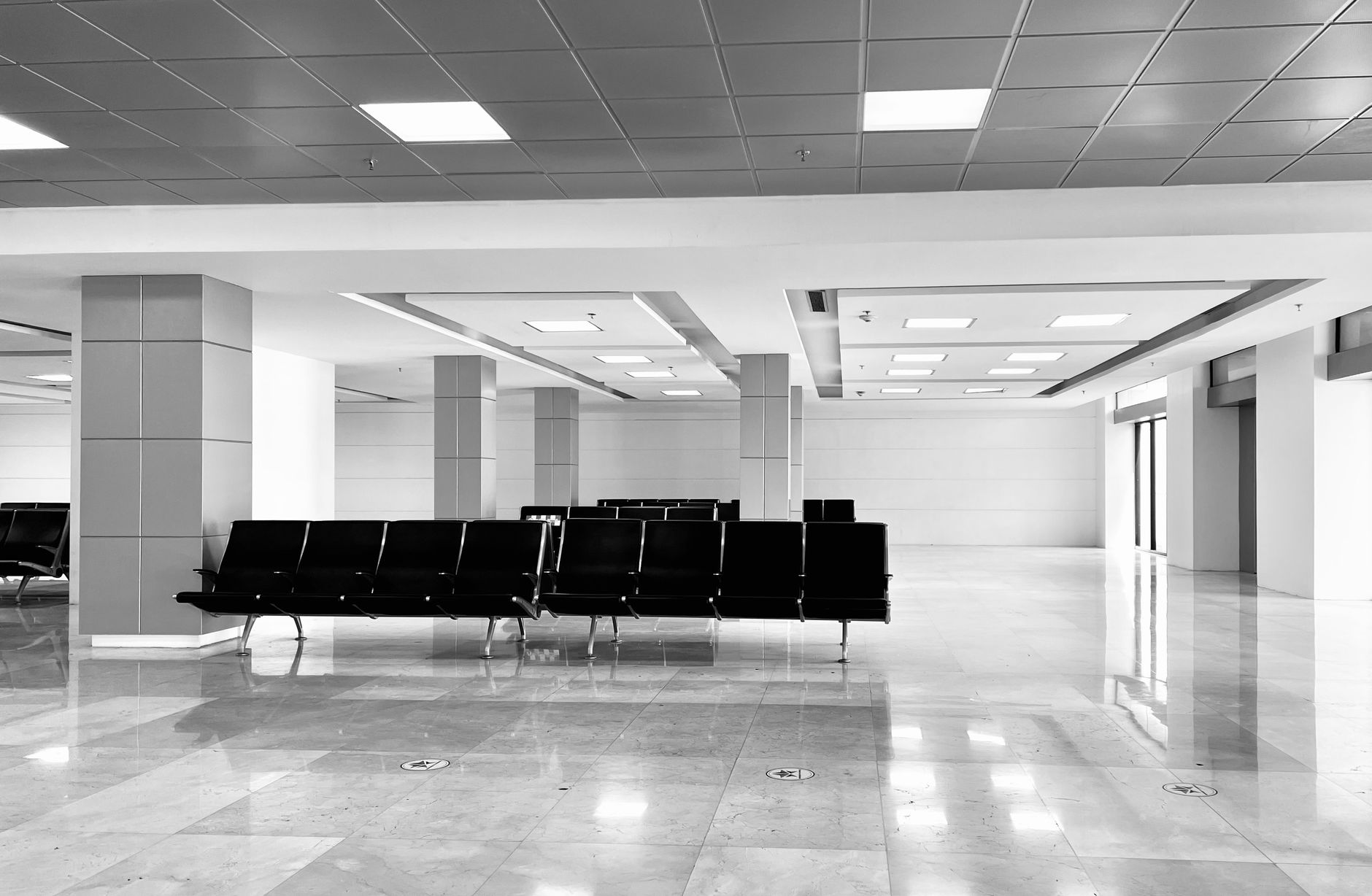
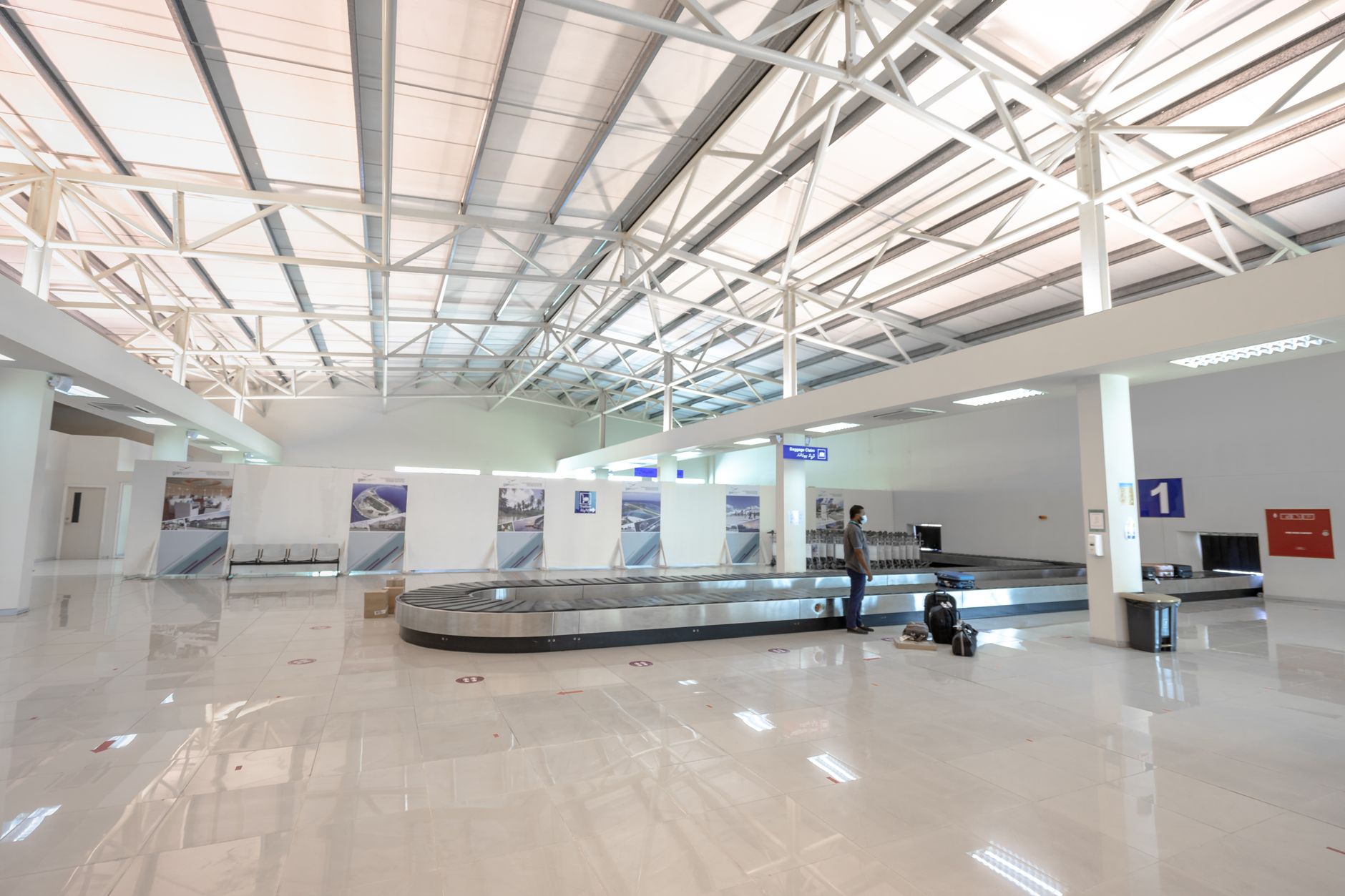
Start in wide concourses with predictable furniture placement and posted cleaning windows. ABM's scrubber and vacuum description targets high-traffic terminal areas, which usually means main corridors rather than gate hold rooms full of loose seating.
Hold inspection routes that overlap scrubber paths so two units do not compete for the same aisle during boarding surges. Late evening after the last bank often works for scrubbing, while inspection can run during lower traffic if guest messaging is clear.
Back-of-house connectors between security and airside retail are underrated pilot candidates. They are long, hard-surface, and guest visible, yet easier to cordon than a full departures hall.
- Main concourse hard floors with fixed retail frontage.
- Carpeted hold rooms with stable seating layouts.
- Inspection loops that include restrooms entries and escalator landings.
- Gate areas only after security and airline partners sign cordon rules.
What data should you capture in the first eight weeks?
Log autonomous hours per route, manual touch-up time on the same loop, and passenger interruption counts. ABM's public messaging ties robots to higher-value guest-facing work, so you need numbers that show where hours actually moved.
Track charging events and aborted runs separately. A scrubber that stops for a wet spill teaches you about mat placement; a vacuum that stalls on loose seating tells you to fix furniture anchors.
For the quadruped, record what findings trigger human work orders versus informational logs. Without that taxonomy, inspection footage becomes theater instead of maintenance input.
How should vendor-neutral integrators support the next wave?
ABM's Terminal B stack names CenoBots and Skild AI. Other airports already standardized on different OEM lines through partners such as SoftBank Robotics America and Flagship. A vendor-neutral integrator helps when you must match machines to floor specs without locking every concourse to one brand.
Service Robot Co. selects robots across manufacturers, finances purchases or leases, maps sites, trains staff, and services units through RoboCare with a nationwide network of regional service engineers. That model fits aviation when a single contractor cannot wait on one OEM for every terminal wing.
Aviation deployments also need clear escalation paths with the airport authority and TSA stakeholders. Integration is as much paperwork and radio discipline as it is LiDAR tuning.
What should passengers and staff hear before go-live?
ABM notes guests may see the quadruped inspecting facilities while it supports staff quietly. Translate that into plain signage: what the robot does, how to step aside, and whom to alert if it stops.
Housekeeping leads should know which routes are autonomous each shift so they do not double-clean the same corridor or leave a spill waiting for a machine that cannot handle liquids.
When expansion arrives, tie new routes to the same guest promise Terminal B markets today: consistent floors, visible care, and humans free to answer questions instead of pushing machines.
Frequently asked questions
Sources
Service Robot Co. is not affiliated with, sponsored by, or endorsed by the companies mentioned in this article.