Key takeaways
- Lenta's 42-robot figure comes from Russian trade press dated September 2025, and an October 2026 KazanMall report repeats it.
- Large open floors reward a scoped first zone, not a whole-chain decision made in one order.
- Ask every vendor for coverage, uptime and support data from a named site, not from a headline.
- Expand only after a pilot clears go or no-go criteria you set before the robot arrives.
- A lease quoted after a site assessment lets a US grocer start with one leased unit.
What did Lenta order, and what does the October report add?
Russian retail press reports that Giper Lenta took on 42 floor-cleaning robots for its hypermarkets after a pilot. That is the core of the story, but the source article is dated 23 September 2025, not October 2026, so anyone citing it as October news should correct the date.
The October 2026 coverage concerns KazanMall, which is testing the MARK 2 cleaning robot made by R2B, a Yaroslavl company. That report repeats the figure of 42 robots across hypermarkets in four cities, a summary looser than the original Russian coverage, which lists Volgograd, Nizhny Novgorod, Moscow and St. Petersburg, plus other cities. It gives no trial results.
Treat all of this as secondary coverage. We found no English-language statement from Lenta, and the Russian reporting is not independently confirmed. The lesson holds regardless: a large hypermarket fleet is a multi-year story that starts with a small, visible pilot.
How did Lenta get from one store to 42 units?
The cleaning robot program did not begin with a fleet. A 2021 report from ComNews describes Lenta putting a cleaning robot into a Rostov-on-Don store. A 2024 retail report said new supermarkets would receive Pudu CC1 units, which suggests the chain widened its rollout in steps.
The timeline matters more than the headcount for a US grocer. Each stage, from one supermarket to a hypermarket fleet, teaches an operator something about maps, staff handoffs and aisle congestion. A separate Russian trade report says the group also acquired 32 scrubbers beyond the pilot units. We could not confirm that, so it stands as a single-source claim.
Why is a hypermarket floor a different test?
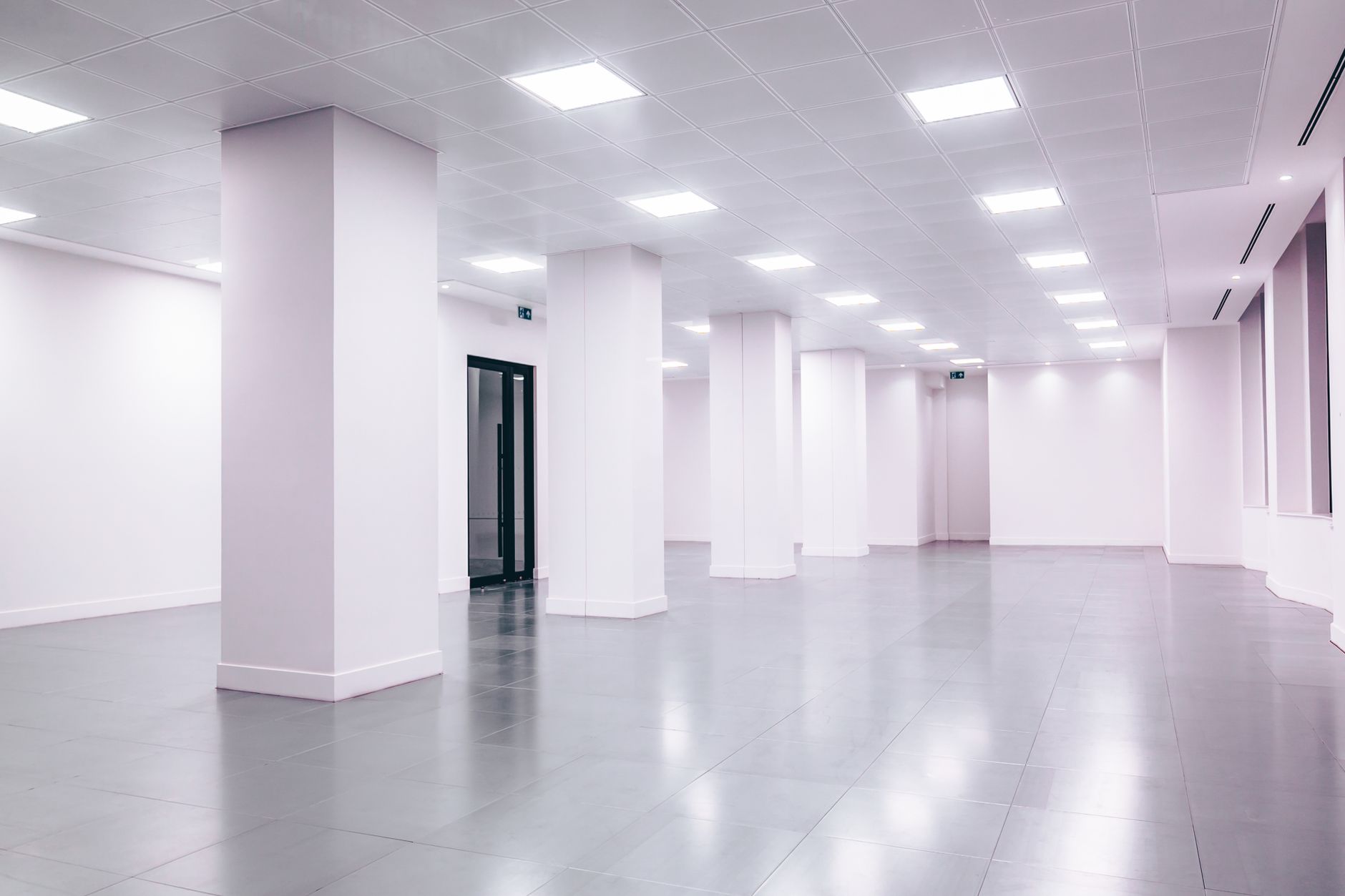
Large open floors reward careful zoning. A robot can run long passes across a broad, mostly clear hall, but it still has to work around displays, pallets, promotional endcaps and the early crew arriving before opening. Floor area is only one variable. Traffic pattern and how often aisles change decide how quickly a map goes stale.
For a grocer, the overnight window is the real attraction. An autonomous floor scrubber that runs after close can cover aisles that staff reach only in short gaps during trading hours. The logic is the same for a grocery store cleaning robot as for a hypermarket hall. Only the scale and the route count change.
How do you scope a first store in the US?
Start with one zone and one unit. A first store should prove that a single floor works, not that a whole building can be automated at once. A phased deployment with no shutdown keeps the store trading while the pilot runs, and it gives the team time to learn the unit.
- Choose a zone with a clear overnight window and predictable traffic, such as the main sales aisles between endcaps.
- Run a site assessment with mapping that marks drains, floor cords, cart corrals, ramps and glass or stepped edges.
- Record a baseline: current floor pass frequency, labor hours spent and the areas most often missed.
- Agree on go or no-go metrics before installation, including a clear definition of a missed pass.
What should you verify in vendor claims?

Vendor sheets often list coverage rates and runtime per charge. Those figures help only when they describe a comparable floor, so ask which surface, traffic level and cleaning mode produced them. Ask for references at stores of similar size, not one headline site.
Gausium's US retail success case book, dated July 2025, and Avidbots' 2024 retail brochure are both vendor-reported. They make useful starting points and should be checked against your own floor. The KazanMall report likewise has no performance data, so the public record on this deal says little about outcomes.
Put three questions to any vendor: where the robot stopped working, how quickly an engineer returned to the store, and how the map held up after a remodel. Vague answers to those questions tell you more than a brochure does.
What does the market context say, and how much weight can it carry?
One outlet reports a Russian projection of 23,000 cleaning robot units by 2030. The October 2026 aggregator also says 60 percent of Russian cleaning robot projects start as pilots, compared with 27 percent globally, but it names no original source for that split. Use both figures as directional context only.
The pilot pattern is the part worth borrowing. Projects that start small give a buyer evidence before the budget reaches full scale, which is the reasoning behind a one-unit first store.
When should a grocer expand beyond the first store?
Expand when the first zone meets the go criteria you set before installation. Those usually cover coverage of the assigned floor, uptime through overnight shifts, staff hours returned and a clean record on floor-level incidents. A review date fixed in advance keeps the decision from drifting.
Lenta's own path follows that logic, moving from a single store to supermarkets and then hypermarkets over several years. The 42-unit headline is the end of a process, not the start of one. A US grocer should copy the sequence, not the headline.

Where does a lease-based integrator fit in?
Service Robot Co. is an OEM-neutral integrator for US businesses. We select robots across manufacturers that suit the floor, then finance, deploy, integrate, train and service every unit through a nationwide US engineer network. One partner covers the whole lifecycle, from site assessment mapping to go live support.
Customers take a robot on a lease. Our three-year lease comes with one fixed robot lease payment, quoted after a site assessment, so a grocer can start with one leased unit and know the cost before expanding. That keeps the choice of machine tied to the floor, not to a single catalog.
Frequently asked questions
Want a robot working for you?
Tell us the job and the site. We will recommend the robot, quote the lease, and keep it serviced.
Sources
- Retail.ru: Giper Lenta takes on 42 floor-cleaning robots (23 September 2025)
- New Retail: Lenta group automates cleaning in hypermarkets
- ComNews: Lenta puts a cleaning robot in a Rostov-on-Don store (2021)
- Retail.ru: Lenta to add cleaning robots to new supermarkets (2024)
- Gulf Today: Cleaning robot adoption and the KazanMall test (6 October 2026)
- CSR Journal: Robotic cleaning in Russia projected to reach 23,000 units by 2030
- Gausium: Success Case Book for Retail (July 2025, vendor-reported)
- Avidbots: Retail brochure, 2024 update (vendor-reported)
Service Robot Co. is not affiliated with, sponsored by, or endorsed by the companies mentioned in this article.