Key takeaways
- Treat every wet well lid and hatch as a confined space entry point, not as a mowing obstacle.
- Map keep out zones around hatches, vent stacks, valve boxes, control panels and generator pads before the first pass.
- Keep gate swings and the truck lane to the pump clear of every robot route.
- Steel fences and metal covers can disturb RTK boundaries, so test passes near metal and watch for missed strips.
- Hatch work, panel work and trenching stay with trained crew, and the split should be written down before mowing starts.
Can robots mow the grass around a lift station?
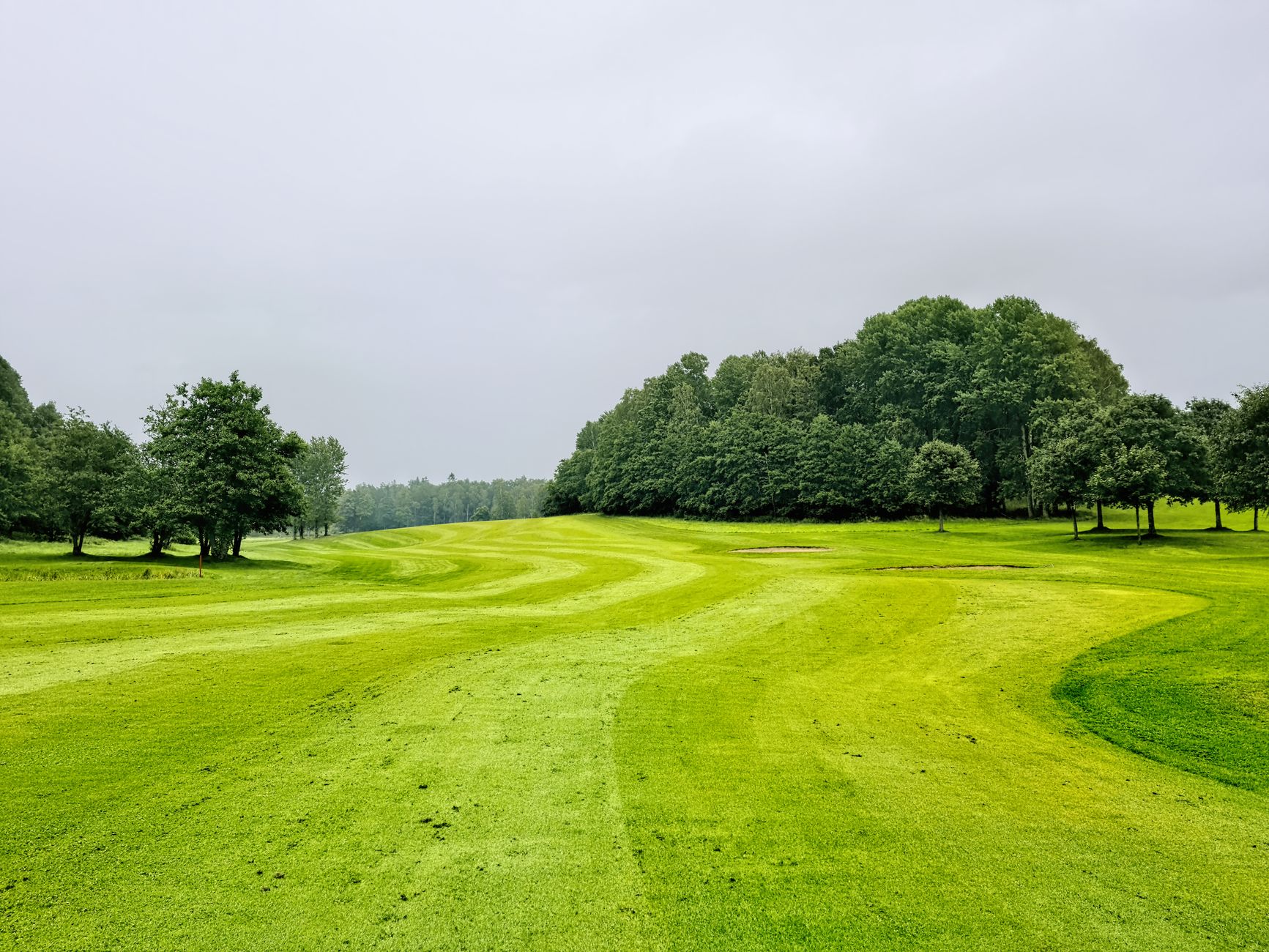
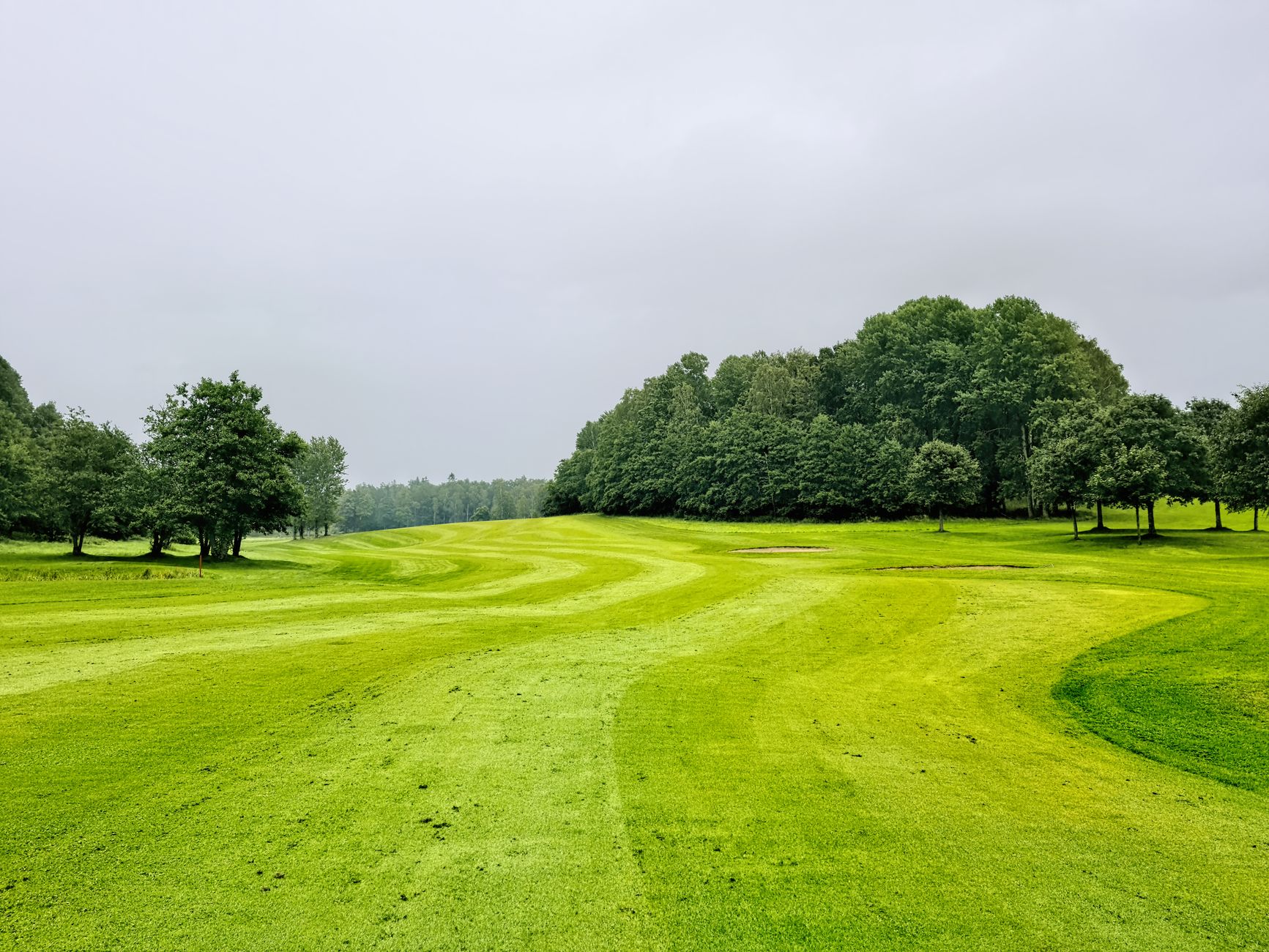
Yes, on the open turf. The grass around most lift stations and pump houses suits a robot mower, because the long passes are repetitive and the edge work is small. Moving the open lawn to a robot frees crew hours for the fence line, the gate and the spots a machine should never touch.
The harder part is the site itself. The wet well lid, the vent stack, the control panel, the generator pad and the lane a maintenance truck uses to reach the pump all define where a robot may run. Each one changes the pass plan, and some carry hazards that have nothing to do with grass. Mapping them before the first pass is the job, not an afterthought.
The short answer for crew leads and municipal account managers: robots take the open grass, and people keep the openings, the panels and the gates. Draw keep out zones around every opening and piece of equipment, leave truck lanes clear, test any pass near metal, and write down who does which task.
Why a wet well lid is a confined space question first
Wet wells and lift stations are generally treated as confined spaces, and many are permit required. The main federal rule cited for that work is 29 CFR 1910.146, while installation work falls under the excavation rules in 29 CFR 1926 Subpart P. A mowing crew does not enter these spaces, but it does need to understand what a lid means. A lid is the cover over a hazard, not a flat spot on the lawn.
The atmosphere is the main concern named in the guidance reviewed for this piece. Oxygen deficiency, toxic gas and flammable gas are the hazards that matter most, and they can sit in a space that looks calm from above. Utility practice cited in the notes calls for gas monitoring before entry and during it, ventilation, and supplied air respirators where ventilation cannot control the air. That work belongs to a trained entry team, never to a mower operator who lifted a hatch to check the level.
Energy is the other trap. A pump that is switched off is not necessarily safe, so lockout and tagout still apply. Crew leads should never assume that a quiet station is a dead one.
Where should keep out zones start on the pad?
Start with the openings and work outward. The wet well hatch, any vent pipe, valve box, meter box and control panel each get a zone that covers the item plus enough room for an operator to stand, open it and walk away. The margin comes from the site walk, not from a generic template, because a short gate arc or a cramped pad changes what fits.
Design can shrink the list. One city moved a can lift station to an above grade or wet well mount design to remove entry under 29 CFR 1910.146, as described in an industry article on confined space concerns. For a grounds crew, fewer below grade openings means fewer keep out zones and fewer places where a pass has to stop short. Ask the utility whether a station has been changed that way before drawing the map.
How do gates and fence edges change the pass plan?
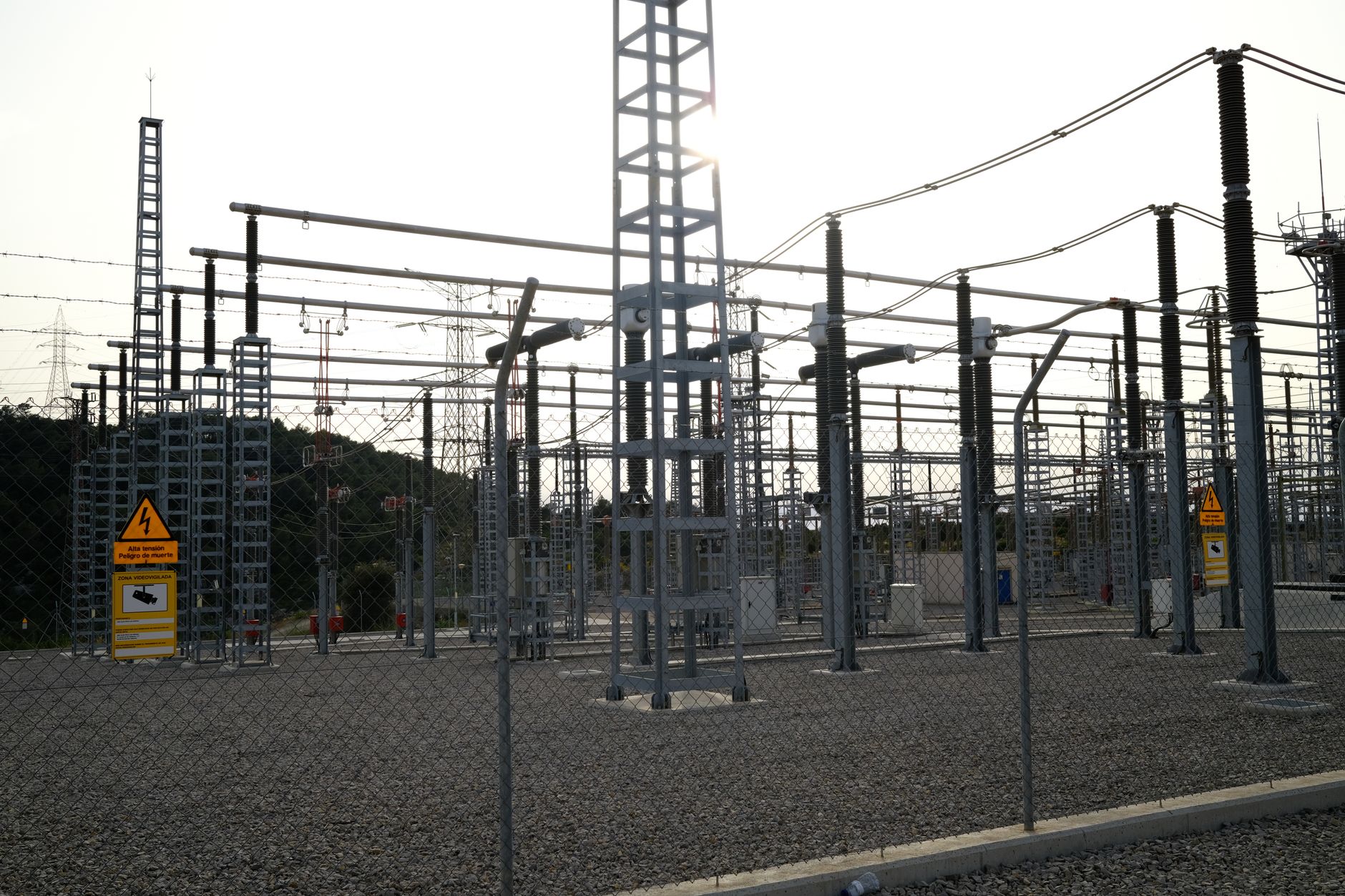
Gates are where robots and crews collide. A gate swing, the lane a truck uses to reach the pump and the sight line an operator needs at the entry all belong on the map. The robot route should end short of the gate arc and never sit in the lane, even when the grass beyond looks clear. A pass that finishes at the gate is a pass that blocks the next truck.
Boundary style matters here. Wire guided mowers can handle an obstacle with a paired island loop: the mower can cross the pair but turns back at the island. RTK and virtual boundary mowers let operators draw no go zones in the app with no digging. Check the specific mower manual, since features differ by model and the manual is the document the maker stands behind.
Do fences and metal covers disturb RTK boundaries?
They can. Metal structures such as sheds and fences can reflect GPS signals and cause multipath errors, and steel hatch covers may do the same. A fence line or metal cover close to a pass is exactly where an RTK mower can get confused, so the test is simple: run the pass, watch the edge, and check for missed strips.
Field reports describe what happens when an RTK mower drops from a fixed position solution to float. Users report boundary hesitation, wobbly paths and missed strips near hazards. Treat those symptoms as a reason to pull the boundary back, not as a quirk to ignore. A third party installation guide suggests a clearance from fences and metal items, but the figure should come from the mower maker's manual, not from a blog post.
For very tight areas, some guidance says wire is more reliable within a short distance of the cut zone, or that RTK should be paired with vision based avoidance. Those are vendor style claims, so treat them as questions for the maker. Until the mower has proven the edge, keep the tightest corners on the crew's list.
Which jobs stay with the crew?
Several kinds of work should never move to the robot, and a crew lead should be able to name each one from memory.
- Lifting, opening or moving any hatch, lid or cover on a wet well or vault
- Any work inside the fenced compound that touches the control panel, generator or valve box
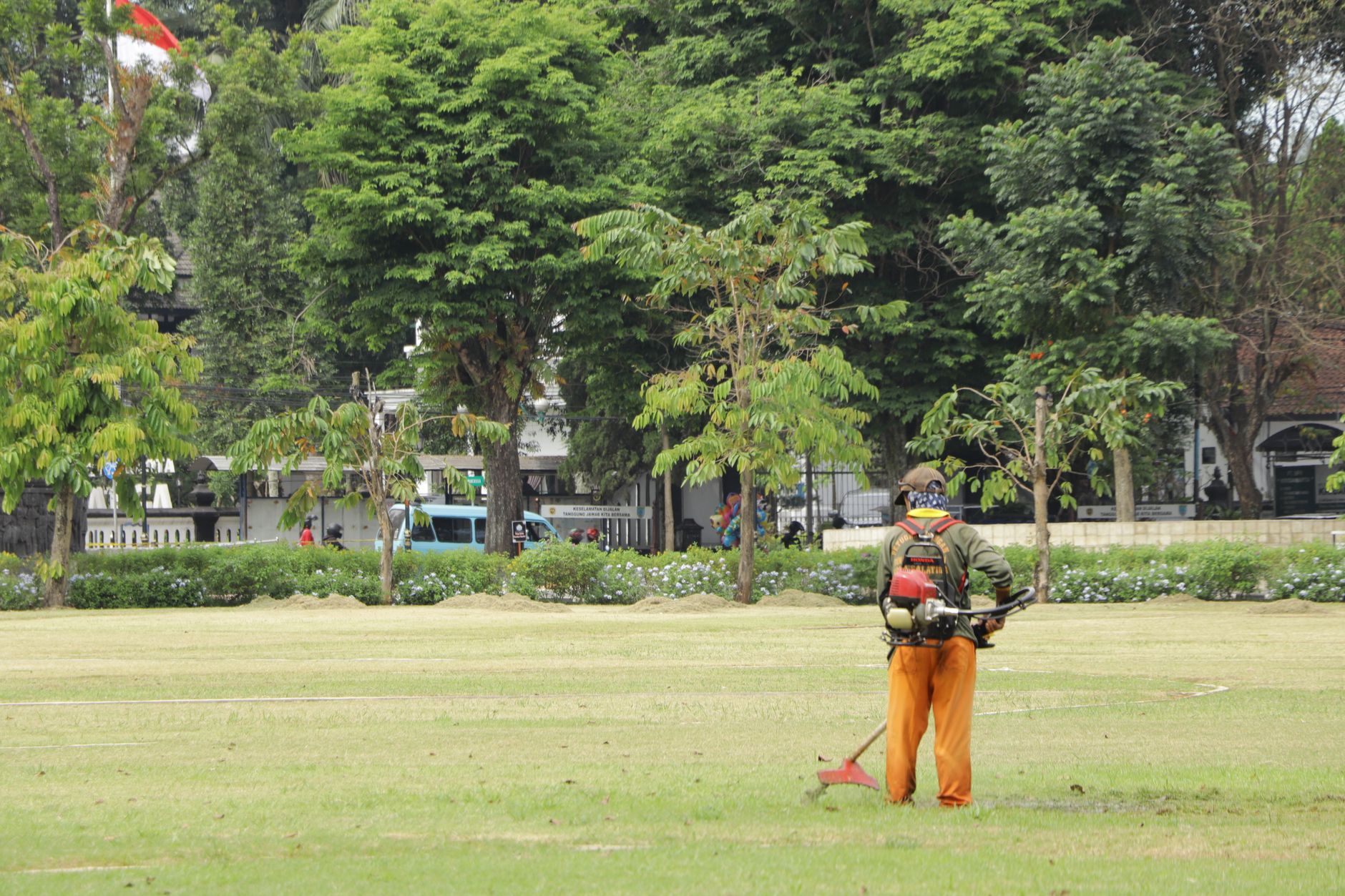
- Trimming close to vent stacks, guy wires and posts, which needs a hand trimmer and a clear eye
- Clearing clippings from gate tracks, truck lanes and hard surfaces after each pass
- Any trenching or boundary wire installation inside the compound
What changes when the crew installs a boundary near a pump house?
Installing a boundary is a different job from mowing. Digging a wire trench or setting posts through a pump house yard is excavation work, and the notes tie that to 29 CFR 1926 Subpart P. Buried piping, conduit and drainage may run where a trench is planned, so locate underground lines before digging and get the utility to confirm the route.
Keep the installation sequence separate from the mowing schedule. Run the install in a window when the crew can cordon the area, keep the gate clear and stop if anything unexpected turns up. A repeated install costs time, and a cut utility line costs far more, so the stop rule matters as much as the layout.
How does a leased robot fit a municipal grounds contract?
Service Robot Co. is OEM neutral. We pick the right robot across manufacturers, then lease it through financing, deploy and integrate it, train the crew, and service every unit under RoboCare, backed by regional service engineers in every state we service. For a municipal grounds contract, the first step is a site assessment that maps the keep out zones, gate lanes and hand work boundary.
Our offer is a 3 year lease with one fixed payment, quoted after that site assessment, so the utility knows the number before the first pass. Fleet, deployment and service stay with one partner and one number, which matters when a lift station call comes in at the wrong hour.
Frequently asked questions
Want a robot working for you?
Tell us the job and the site. We will recommend the robot, quote the lease, and keep it serviced.
Sources
- Pumps and Systems: safety considerations for wastewater lift stations
- Open Exam Prep: wastewater collection confined space safety
- Water and Wastes Digest: answering confined space concerns
- Household robot guide: lawn mower installation
- Household robot guide: lawn mower boundary errors
- RTK data: wire free robot mower accuracy guide 2026
- Robot mower specs: RTK vs perimeter wire
- Landscape Management: robot mower no go zones