Key takeaways
- Lift-top is the safest first choice for variable brownfield tote shuttles with some human touch at each end.
- Roller decks win on repeat conveyor loops, but only when docking precision and station discipline are engineered hard.
- Tuggers beat both for rack, cart, and milk-run work where the carrier matters more than single-tote presentation.
- Failure recovery and traffic rules should decide the final pick as much as nominal cycle time.
Which interface fits most tote flows?
For most brownfield tote transport, a lift-top AMR is the safest first bet. It tolerates small station-to-station variation, presents the load at a workable height, and does not force you to install conveyor everywhere on day one. If the route is point-to-point and a person still touches the tote at each end, lift-top usually wins the first pilot.
Roller AMRs pull ahead when both ends already run on conveyor and the lane is repetitive enough to justify tighter docking control. They can remove nearly all hand touches at the station, but only when dock geometry, tote bottoms, and conveyor state stay disciplined. They are less forgiving than they look in a brochure.
Tugger AMRs are the better answer when you are not really moving single totes at all. You are moving carts, racks, or a train of work in batches. In that case, the value is route consolidation and reduced walking, not automatic tote transfer. Tuggers own milk runs and rack replenishment loops. They are rarely the best first answer for a single tote shuttle.
What exactly changes at the handoff?
The interface decides where automation ends and human handling begins. A lift-top AMR raises or lowers the payload to meet a bench, shelf, or cart. A roller deck hands off directly to another conveyorized surface. A tugger leaves the tote on a cart or rack and moves the whole carrier instead. That last step changes everything: docking tolerance, aisle choreography, guarding, and how painful recovery will be at 2 a.m.
The standards world now treats these attachments as a first-class design question. ANSI/A3 R15.08-2 classifies roller tables, conveyors, and linear lift devices as active attachments on industrial mobile robots. That is useful framing for buyers. You are not only comparing vehicles. You are comparing mobile interfaces, each with its own safety, control, and maintenance burden.
The burden is not academic. According to the U.S. Bureau of Labor Statistics, warehousing and storage recorded a 4.8 total recordable case rate per 100 full-time workers in 2024, and general warehousing was 4.9. OSHA says the most common warehouse injuries are musculoskeletal disorders, mainly from overexertion in lifting and lowering. Tote transport design sits right inside that risk profile, so interface choice affects safety as much as throughput.
Where do lift-top AMRs earn their keep?
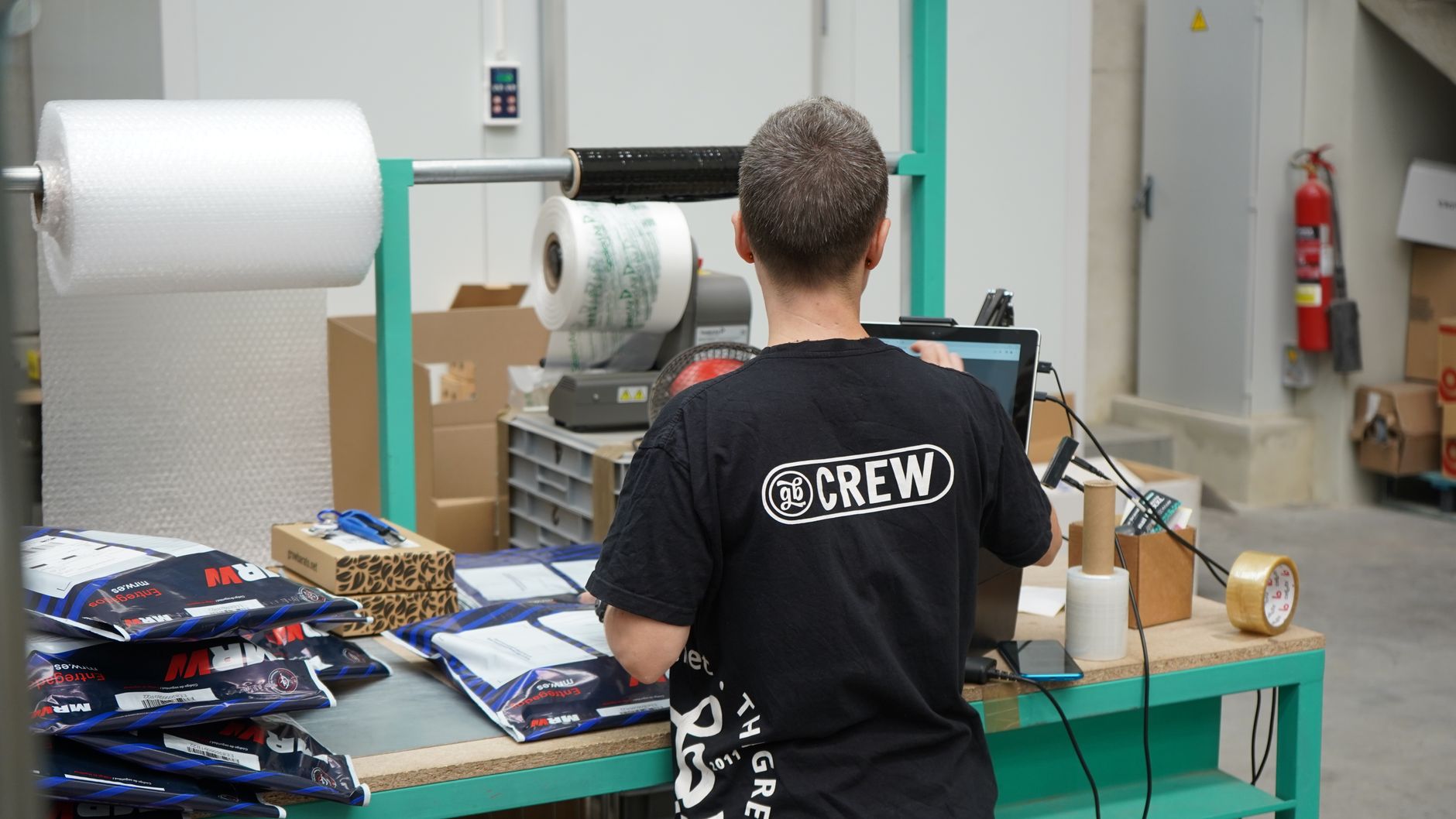
Lift-top AMRs shine on mixed floors. The pick module is a gravity rack today, a bench tomorrow, and a cart staging point next quarter. That kind of variation punishes rigid conveyor interfaces but barely bothers a lift deck if the pickup envelope stays sane. The robot can meet the work at a sensible height, and the station can stay simple.
They also degrade gracefully. If a robot misses a stop or arrives a little off, a person can usually recover the tote without tearing apart upstream flow. That makes lift-top appealing for repetitive transport automation in brownfield buildings where uptime matters more than perfect mechanization. For a first warehouse robot lease or autonomous mobile robot leasing pilot, that forgiveness often matters more than peak cycle speed.
The tradeoff is that lift-top does not erase every hand touch. Someone may still scan, pick from, or place onto the tote. Vertical actuators add wear points, and cycle time per stop is usually slower than a clean roller-to-roller transfer. Lift-top is best when flexibility beats pure cadence and when tote presentation height is part of the job.
When do roller AMRs justify the extra precision?
A roller AMR earns its place when the process already behaves like a conveyor process. Totes have stable bottoms. Station heights are fixed. The arrival window is predictable. The lane runs often enough that shaving seconds at each handoff compounds into real capacity. On those loops, roller decks can remove manual lifting, reduce queueing at the station, and keep product moving with very little idle dwell.
But the price of that speed is precision. ASTM F3499 exists specifically to quantify how well an autonomous ground vehicle positions itself relative to a dock. Buyers should treat that as a buying habit, not a lab curiosity. If the AMR will feed a live conveyor, ask for measured docking repeatability at payload, on your floor, across many repetitions. A demo that looks clean for five cycles is not evidence.
Roller systems also need straighter approaches and cleaner discharge zones. ASTM F3244 evaluates navigation through defined spaces with limited clearance, which is a useful reminder that aisle geometry cannot be hand-waved away. A roller AMR that approaches at a slight skew, or pauses because a crossing aisle stays busy, can turn a fast transfer concept into a chronic jam source. Roller is excellent. It is not forgiving.
Why do tuggers still own rack loops and milk runs?
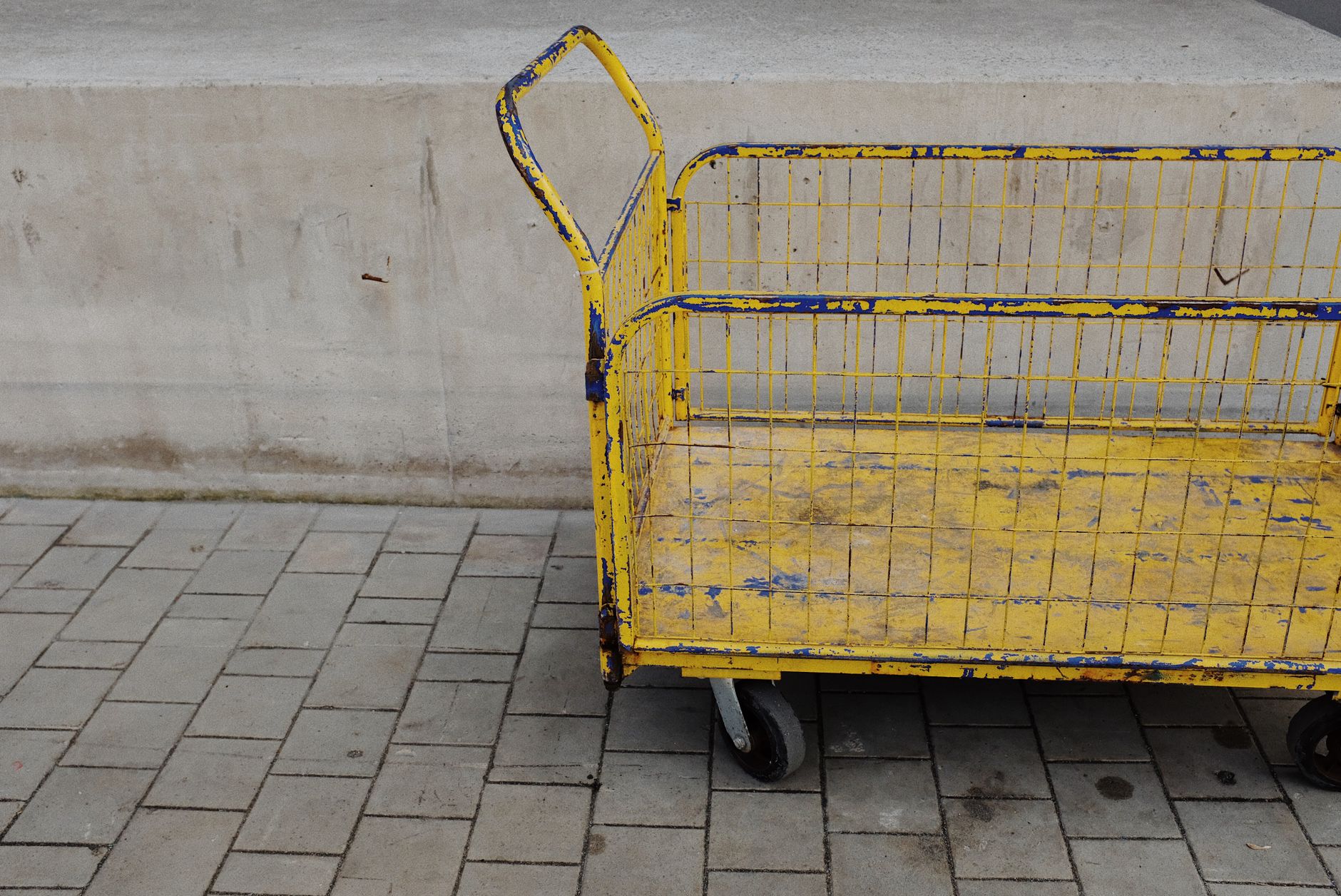
Tuggers win by changing the unit of transport. Instead of presenting one tote at a time, they move a cart, cage, rack, or train that already bundles work. That is powerful in manufacturing and distribution cells where several stops consume material in batches and staff pull from the carrier at their own pace. One run can replenish multiple points without placing a robot at each station.
They are also well suited to heavier or awkward carriers that people can load locally but should not push long distances. The tugger takes out the corridor miles. Staff keep the familiar rack or cart at the workstation. In that sense, a tug robot lease or material handling robot leasing can be a cleaner first move than a full workstation redesign, especially if the route pattern is already settled.
The limits are real. Tuggers need turning radius, queue space, and disciplined cart management. A missed hook-up or a bad caster can stop the route cold. They are not the cleanest answer for small, frequent tote drops where the process needs each bin presented at a repeatable handoff height. Tuggers excel at flow between zones, not fine-grained station presentation.
How do the three interfaces compare on the floor?
Most buyers should score the interface before they score the robot. The matrix below compresses the tradeoffs that matter most in real tote and rack transport. It is not a brochure ranking. It is a floor-behavior ranking.
If two choices look close, test the harder recovery case, not the happy path. That is where the better interface usually separates itself.
- Payloads: Lift-top is best for light to medium totes and small shelf carts. Roller is best for stable-bottom totes and trays. Tugger is best for cart, rack, and train loads that batch multiple totes.
- Docking accuracy: Lift-top needs moderate repeatability and tolerates some station variation. Roller needs the tightest and most repeatable arrival behavior. Tugger needs lower precision at the tote level but still needs dependable cart-stop positioning.
- Conveyor interfaces: Lift-top can meet benches, gravity racks, or simple docks with no powered conveyor at every stop. Roller is the native choice for conveyor-to-conveyor transfer. Tugger usually depends on carts, racks, or a second transfer method at the station.
- Aisle space: Lift-top usually needs the smallest stopped footprint. Roller often needs the cleanest straight-in approach and a protected discharge zone. Tugger needs the most turning radius and queue space, especially with multiple carts in tow.
- Human handling: Lift-top reduces bending but usually keeps some hand touch. Roller can remove the most hand touch when the full station is automated. Tugger removes long pushes and pulls but usually leaves more loading, unloading, or presentation work at the stop.
- Throughput: Lift-top offers medium station throughput with high flexibility. Roller offers the highest repeat station cadence on disciplined lanes. Tugger offers the highest route consolidation across many stops, but not the fastest single-tote presentation.
- Failure recovery: Lift-top is usually easiest to bypass manually. Roller demands the most coordinated recovery because robot state and conveyor state can drift apart. Tugger route recovery is often simple, but cart hardware and couplers become part of the uptime equation.
- Best fit: Lift-top is usually the best first brownfield tote pilot. Roller is the best fit for mature conveyor loops. Tugger is the best fit for rack, cart, and milk-run replenishment work.
What failure recovery matters before go-live?
This is where many AMR projects go soft. The robot moves beautifully until Wi-Fi degrades, a caster binds, a tote overhangs, or a station stays occupied too long. ASTM F3470 is useful here because it distinguishes different impaired and lost communication behaviors, including stop and wait for human intervention, stop and auto resume, reduced speed, or continued operation. Those are operationally different machines, not minor software settings.
Ask blunt questions before signing off on any interface. Can the tote be removed manually if the vehicle dies in front of the station. Can a tugger train be uncoupled without blocking the aisle. If a roller handoff half-completes, who owns conveyor re-synchronization. What is the safe bypass when a destination is full. Recovery needs a written playbook, not tribal knowledge.
That discipline matters more in 2026. OSHA says inspections under its updated National Emphasis Program for Warehousing and Distribution Center Operations began July 31, 2026. In practice, that means traffic patterns, material handling, and change management deserve adult treatment. A good AMR project is not only an automation project. It is an operating method with safe failure modes.
Where does a neutral integrator change the answer?
The industry is moving quickly, but buyers are still tripped up by interface math. MHI Solutions reported on June 26, 2026 that 39 percent of supply chain leaders saw robotics and automation as having significant impact, and 73 percent expected adoption within five years. As adoption rises, more sites will mix mobile interfaces instead of betting on one monolithic architecture. The real decision is less about a unit and more about matching workflow, dock discipline, and service expectations.
That is where Service Robot Co. fits. As a vendor neutral robot integrator for warehouses, the company can compare lift-top, roller, and tugger AMRs across manufacturers, then handle robot deployment and integration, site assessment mapping, training, and nationwide service. If a customer starts with autonomous mobile robot leasing, AMR lease or purchase or lease, the point is the same: pick the interface that fits the floor now and the fleet architecture you may want two years from now.
Interoperability is part of that future planning. On April 20, 2026, VDA announced version 3.0 of VDA 5050, adding new tools for mixed mobile robot projects and a zone concept for free navigation. If you expect a lift-top route today and a tugger loop later, plan for robot fleet management and recovery rules that can span both. One partner, one number, and a robot that fits your floor matter more than any single brochure spec.