Key takeaways
- Gausium published a March 2026 case study on Madrid Metro deploying Scrubber 50 units across its station network.
- Transit corridors see abrasive foot traffic and spill patterns that punish manual mop schedules.
- Station deployments need tight maps around ticket gates, escalators, and platform edges.
- US airports and campuses can copy the corridor-first scope before expanding to platforms or parking structures.
- A vendor-neutral integrator compares Scrubber 50 against other scrubbers for your tile and grout mix.
What did Madrid Metro deploy according to Gausium?
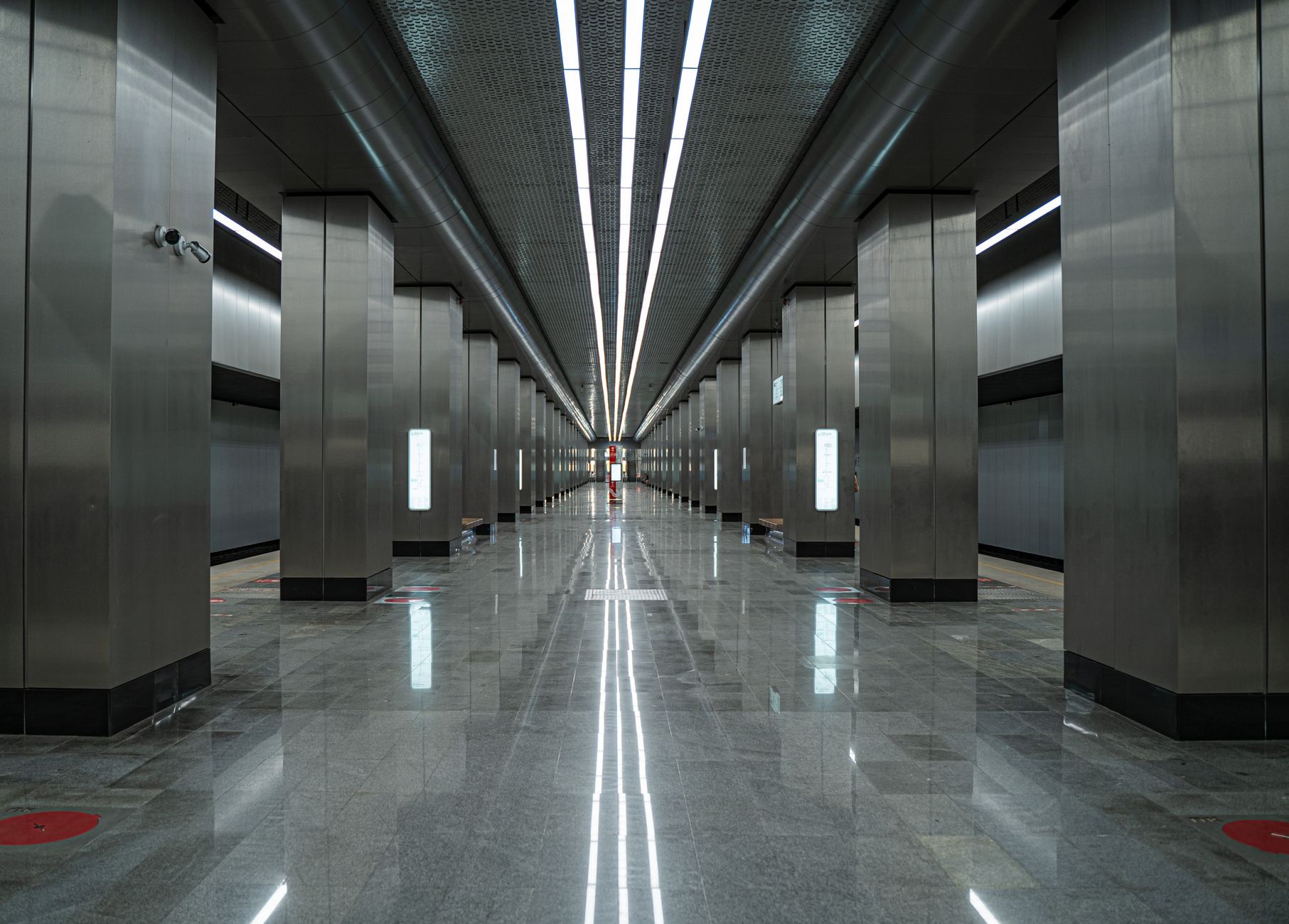
Gausium case materials dated March 2026 describe Madrid Metro deploying Scrubber 50 autonomous scrubbers across its station network. The headline frames the goal as keeping Europe's busy passenger corridors spotless without relying solely on manual night crews.
Scrubber 50 is positioned as a compact commercial scrubber for hard floors. In a metro context that typically means concourses, connecting passages, and other tiled zones with predictable geometry.
The published story is a network rollout, not a single-station pilot. US readers should note that scale implies standardized maps, training, and service contracts repeated at many stops.
Why do metro corridors break manual cleaning schedules?
Rush hours stack thousands of footsteps onto tile in a few hours. Grit, spilled drinks, and rubber dust from braking systems show up as dull film long before a scheduled mop crew arrives.
Manual teams also lose time cordoning escalator landings and ticket gates that never really empty. When a concert or match lets out, the mop cart loses again.
Autonomous scrubbers hold a mapped program on the routes you approve, which is the workload shape Madrid Metro's case study emphasizes.

How should stations map around gates and escalators?
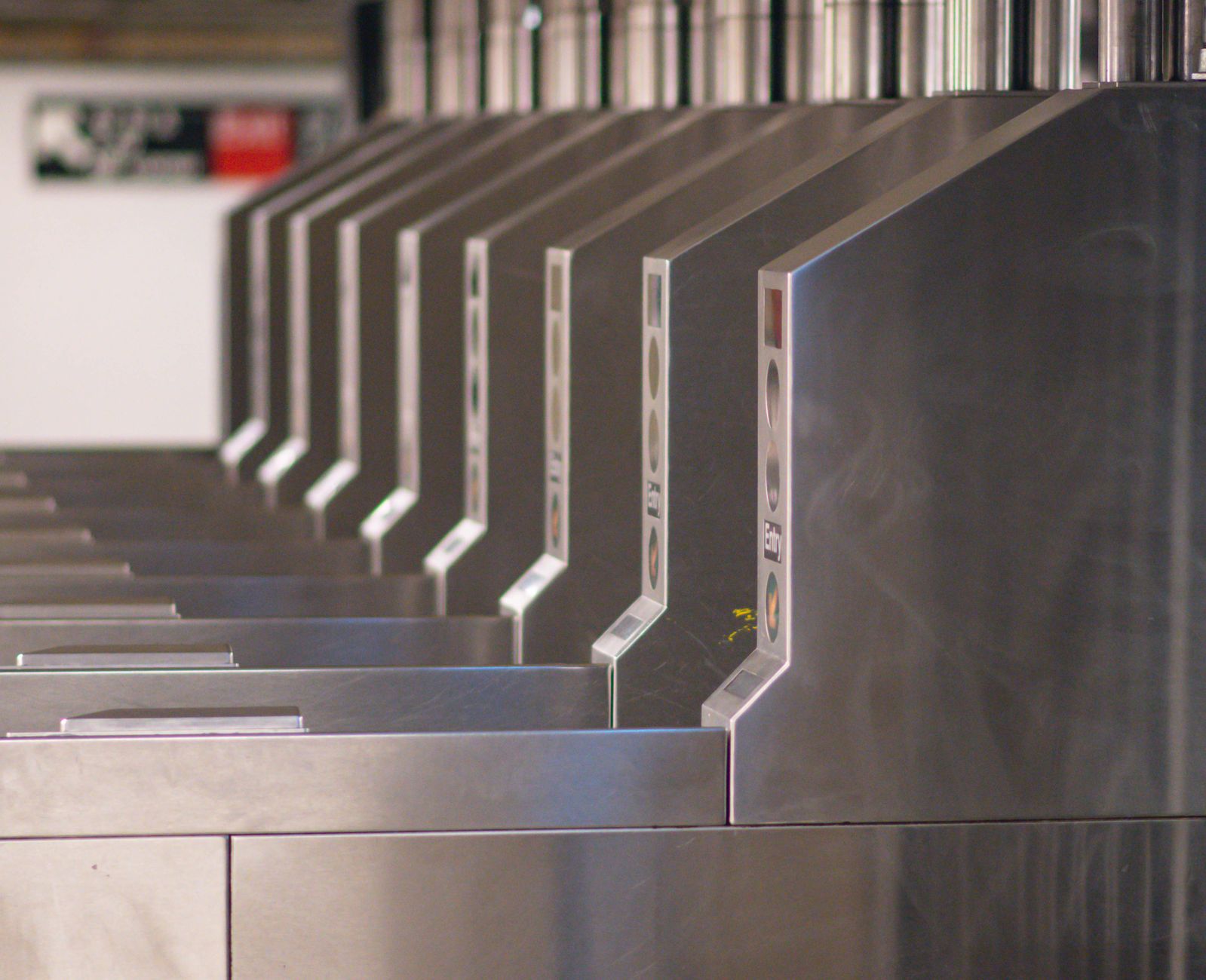
Ticket barriers create pinch points where robots need slow zones or time windows. Map those areas when turnstiles are quiet, then lock edits behind change control when station layouts shift for construction.
Escalator landings collect moisture and litter. Scrubbers should not chase live crowds up steps. Run concourse loops that stop short of moving stair mouths unless operations signs off.
Platform edges are usually off limits for scrubbers during service hours. Keep first pilots on concourse tile where detours are simpler.
- Map concourses before platform edges
- Set slow zones at ticket gates
- Run heavy scrubbing after last train windows when possible
What can US airports and arenas learn from a metro rollout?

Airport terminals and sports concourses share the same rush-hour spike as metro stations. The lesson is corridor-first automation, not trying to scrub every carpeted gate lounge on day one.
Event venues can schedule scrubbers between late-night teardown and early morning setup. The Madrid story reinforces hard-floor focus where guests actually walk, not back-of-house offices.
Lease financing through an integrator can spread capital across a pilot concourse before you multiply units across a campus.
When is Scrubber 50 class equipment enough on its own?
A Scrubber 50-class unit fits many station concourses under moderate square footage with one dominant loop. Add units when you have parallel concourses that cannot share a single route without crossing live crowds.
Grout lines, steep ramps, and frequent construction barricades may force smaller spot machines or manual detail crews at edges.
Battery and water cycles still need dock planning in utility closets that were not designed for robots.
What service and safety checks matter in transit properties?
Transit authorities care about slip risk and public perception. Document squeegee performance tests with your safety team before peak reopen mornings.
Remote diagnostics matter when a unit faults thirty minutes before rush. Ask integrators for response time commitments in writing.
Staff need clear override training at every station desk so security can pause a scrubber when a bag is left in a lane.
How does Service Robot Co. help US operators benchmark this story?
We remain vendor neutral. We can deploy Gausium scrubbers when maps and flooring fit, and we can benchmark Scrubber 50 against other manufacturers on your tile samples.
We handle buy or lease financing, deployment, training, and RoboCare service so facilities teams keep one partner number as fleets grow from one concourse to many buildings.
Start with a site walk that lists every hard-floor passenger mile, then pilot one loop before you copy Madrid's network scale.
What should you verify before signing a transit scrubber lease?
Confirm chemical approvals with your flooring vendor and any transit authority janitorial standards.
Require map version control anytime vendors move kiosks or add barricades for construction.
Pilot metrics should track slip incidents, complaint tickets, and labor hours on the same concourse lane, not vanity demo hours.
Frequently asked questions
Sources
Service Robot Co. is not affiliated with, sponsored by, or endorsed by the companies mentioned in this article.