Key takeaways
- Mobile cobots fit factories that need repetitive transport automation before they need a full warehouse AMR program.
- The strongest early use cases are short internal loops between tool cribs, QA labs, kitting shelves, and line-side work areas.
- A June 22, 2026 product announcement from a robotics manufacturer said its first-generation fleet had logged 12,627 operating hours, moved more than 40 million pounds, and saved over 17 million steps in production environments.
- The payoff is usually not just labor. It is fewer interruptions for technicians, less walking with carts, and better cycle discipline around quality checks and replenishment.
- Service Robot Co. can act as a vendor neutral robot integrator that handles robot deployment and integration, training, financing, and service through one U.S. partner.
Factories do not need a giant automation program to start here
Yes, mobile cobots can make real sense in factory tool cribs and QA labs. In many plants, the first transport task worth automating is not warehouse pallet movement. It is the relentless stream of short, low judgment trips between a tool room, a quality bench, a kitting shelf, a rework cell, and the line.
Those trips are easy to dismiss because each one looks small. Together they are expensive. They pull skilled people away from setup work, quality checks, troubleshooting, and changeovers. When a technician spends the shift chasing gauges, samples, cutters, labels, fixtures, and paperwork, the plant is paying skilled labor rates for hallway traffic.
That is why this use case is expanding. A mobile cobot does not need to replace a fork truck fleet or run the whole intralogistics stack to earn its keep. It only needs to absorb the repeatable loops that happen every hour, every day, and never seem important enough to fix manually until someone measures them.
Why is this use case breaking out now
The clearest reason is that the proof points are getting harder to ignore. On June 22, 2026, a robotics manufacturer said the first generation of its mobile collaborative robots had logged 12,627 operating hours in production environments, moved more than 40 million pounds of material, and saved over 17 million steps over two years of operation. Those are not lab numbers. They describe repetitive physical work already being carried in live operations.
The second reason is labor pressure. The U.S. Bureau of Labor Statistics reported 310,000 manufacturing job openings in June 2026. Plants do not have much slack to waste on internal errands, especially in durable-goods environments where every setup minute and every inspection delay can ripple across the schedule.
The third reason is ergonomics. OSHA says manual materials handling exposes workers to risk factors including lifting, pushing, pulling, bending, reaching, and repetitive tasks. That language maps almost perfectly to the everyday traffic around tool cribs and QA labs. A plant does not need an injury spike to see the pattern. The pattern is already there in the work itself.
- Short loops are easier to map than warehouse-wide traffic
- Payloads are usually modest, which broadens robot fit
- Stops are predictable, so scheduling and dispatch are simpler
- The value lands on scarce technicians, inspectors, and lead operators rather than only on warehouse labor
What work actually belongs on a mobile cobot loop
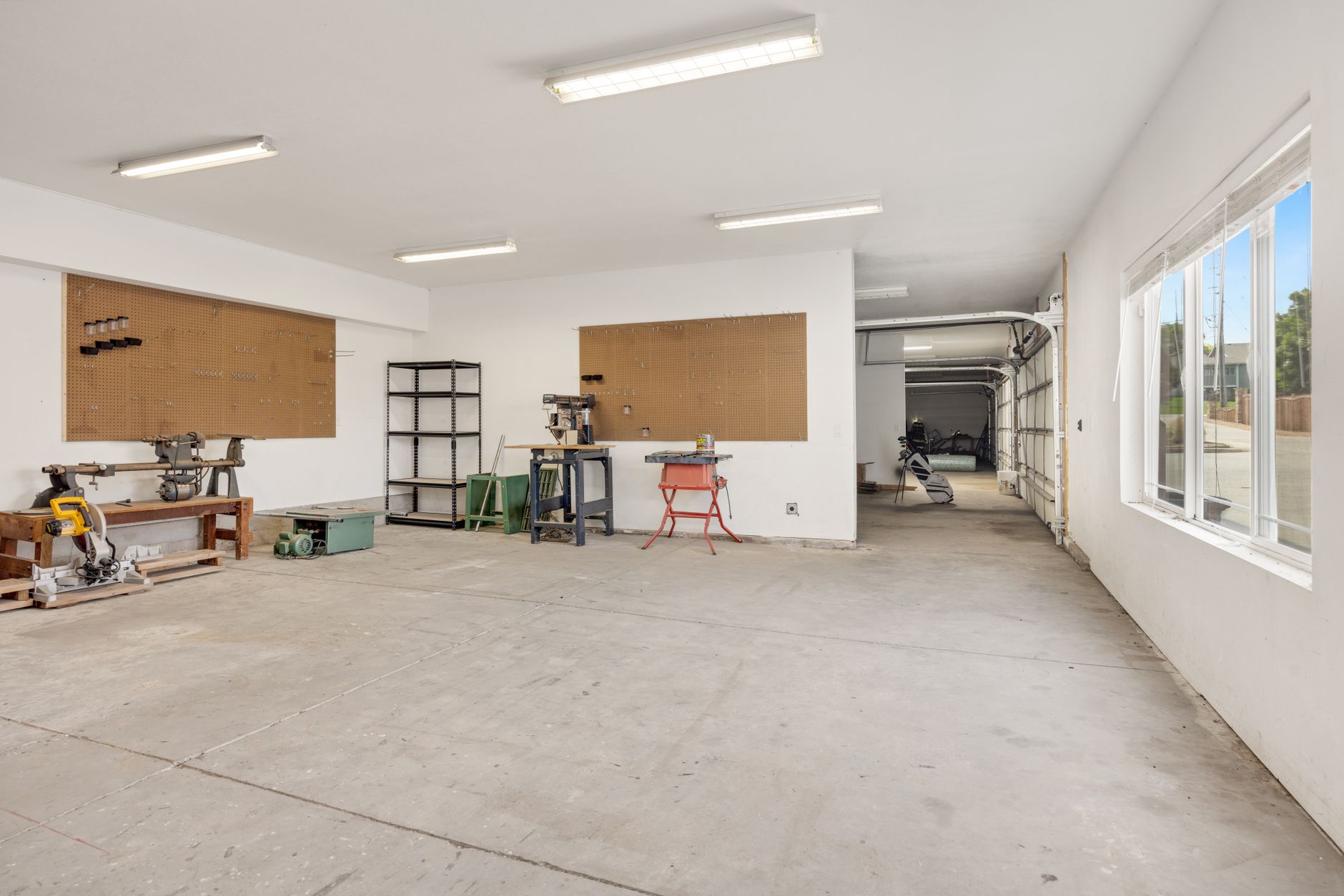
The sweet spot is repetitive, time-sensitive movement with clear handoff points. Think of a tool crib issuing torque tools, cutters, inserts, gauges, battery packs, and repair kits to several cells. Think of a QA lab receiving first-article parts, suspect samples, retained samples, or measurement fixtures, then sending dispositions or approved parts back out.
Kitting shelves are another natural fit. Mobile cobots can shuttle missing components, labels, fasteners, and packaging dunnage to line-side staging without interrupting a material handler already buried in broader replenishment work. In high-mix plants, that matters because shortages are often small and urgent, not full-cart and obvious.
The same logic applies to document transport, specimen trays, consumables, calibration assets, and rework samples. If the move happens many times per shift, follows a stable path, and does not require human judgment during transit, it is a candidate for autonomous mobile robot rental or a purchased fleet.
- Tool crib to line-side replenishment
- QA lab sample pickup and return
- Kitting shelf to assembly cell shortages
- Rework bench to inspection station transfers
- Document transport between supervision, quality, and production
Why do these short trips cost more than managers expect
Because they fragment attention. A ten minute walk is not just ten minutes. It breaks the technician's sequence, delays the next setup step, and often triggers a second walk when the wrong item, wrong revision, or missing paperwork shows up. Plants usually measure machine uptime far more carefully than they measure interruption load.
There is also a hidden queueing effect. Tool rooms and QA labs become chokepoints when every request depends on a person to leave one area, travel, wait, hand off, and travel back. Even well-run plants build micro-bottlenecks there. Mobile cobots do not remove every wait state, but they can make transport predictable enough that the remaining delays are visible and fixable.
The safety and fatigue angle is real too. BLS says there were 568,150 days-away-from-work cases involving sprains, strains, and tears in 2024, and 248,180 involved the back. Not all of that belongs to manufacturing transport, of course. But internal plant movement is exactly the kind of repetitive physical work that accumulates strain long before it becomes a recordable event.
- Skilled labor gets redeployed to setup, troubleshooting, and inspection
- Line interruptions shrink because the trip itself becomes scheduled work
- Managers gain timestamped movement data instead of hearsay about delays
- Ergonomic exposure drops when fewer people spend the day pushing carts and carrying kits
Where the deployment succeeds or fails
Success usually depends less on the robot than on route discipline. The strongest deployments start with a narrow loop, a stable payload, and clear service rules. Which requests go by robot. Which stay manual. Who loads it. Who unloads it. What the turnaround target is. Plants that skip this operating design often blame the machine for a process problem.
Facilities also need sober site work. Door widths, floor transitions, charging locations, crossing traffic, EHS signoff, and the handoff furniture at each stop matter more than slide-deck promises. The best pilot is boring by design. One reliable loop beats six loosely defined experiments.
This is where a full-service partner matters. Service Robot Co. works as an OEM-neutral commercial robot integrator for U.S. businesses. That means one vendor for robot deployment and integration, financing, training, go-live support, and service. If a factory wants robot leasing for business, a pilot, or lease rental or sale options instead of a single rigid purchase path, that flexibility is often the difference between interest and execution.
- Start with one corridor or one department cluster
- Choose payloads that fit consistent containers or carts
- Define service windows and exception handling before go-live
- Measure requests per shift, cycle time, missed handoffs, and technician time recovered
How should a plant choose between a pilot and a broader rollout
A pilot makes sense when the plant has obvious walking waste but limited movement data. The goal is not to prove that robots exist. It is to learn the trip frequency, congestion points, payload variation, and adoption friction in one area without disrupting production. That is especially useful for plants considering material handling robot rental, AMR rental, or robot as a service models before a larger commitment.
A broader rollout makes sense when the same pattern repeats across several departments. For example, one tool crib may serve machining, welding, and final assembly, or one QA lab may support several lines across multiple shifts. Once the handoff rules are stable, adding routes can be much cheaper than inventing the first one.
The wrong move is trying to make the first robot cover every exception. Factories do not need a heroic machine. They need repeatable service on the boring moves that happen hundreds of times a week. That is how repetitive transport automation earns trust.
- Pilot when the plant still needs baseline data
- Scale when route logic repeats across departments
- Keep manual backup for urgent exceptions and odd payloads
- Use monthly payment programs or a phased deployment if capital timing is tight
What Service Robot Co. brings to this kind of program
Many factories are not looking for a box on a pallet. They are looking for one partner who can decide what robot fits the floor, tie the deployment to real operations, train the team, and keep the unit running after launch. That is the practical appeal of Service Robot Co.'s model.
The company is OEM-neutral, so the starting point is the use case, not a single catalog. For a plant exploring a manufacturing plant robot rental, robot financing for small business, or a try before you buy path, Service Robot Co. can structure the engagement around the workload and the site constraints. Then it supports the whole lifecycle through a nationwide U.S. engineer network. One partner, one number, and one operating owner for the fleet outcome.
- Vendor neutral robot integrator for U.S. businesses
- Finance, deploy, integrate, train, and service through one provider
- Useful for pilot-first factories that want no long term contract or staged rollout options
- Fits plants that prefer one lifecycle partner instead of juggling separate vendors
The real buying question is simple
Do your skilled people spend too much of the day walking things around the building. If the answer is yes, mobile cobots deserve a serious look even if your plant is nowhere near a full warehouse automation program.
This use case is not glamorous. That is exactly why it works. Tool cribs, QA labs, kitting shelves, and line-side stations generate a steady diet of low-value movement that rarely gets executive attention and constantly steals productive time. The plants that win here are not chasing novelty. They are clearing the floor of wasted motion, one dependable loop at a time.
Frequently asked questions
Sources
Service Robot Co. is not affiliated with, sponsored by, or endorsed by the companies mentioned in this article.