Key takeaways
- Mohegan Sun runs Cenobot carpet sweepers and hard-floor scrubbers after a two-month summer pilot with MBody AI.
- Early routes cover the 130,000-square-foot Shops, both hotel tower lobbies, the connector corridor, and the Earth Expo & Convention Center.
- Leadership credits the pilot with strong data that justified a multiyear expansion plan announced in fall 2026.
- Mixed carpet and hard-surface estates need two machine types and clear day versus night scheduling rules.
- Capture hours reclaimed, route completion, and guest-visible zones before you add units across a 5.5-million-square-foot property.
What changed at Mohegan Sun after the pilot?
Mohegan Sun in Uncasville, Connecticut, is now running robotic floor cleaners full time after a roughly two-month pilot that started in early summer 2025, according to an October 2026 report in the Hartford Business Journal. The resort paired with integrator MBody AI and deployed machines built by Cenobot, split between carpet sweepers and hard-surface scrubbers.
Dan Webster, senior vice president of resort operations, told the publication the units handle repetitive, time-sensitive cleaning while environmental services and hotel teams shift to higher-touch work. Melissa Benoit, director of housekeeping and environmental services, said the resort can rely on the machines for consistent, safe passes through busy public zones while staff focus on tasks that need human judgment.
For operators reading this as a playbook, the headline is not novelty. It is proof that a property with casinos, retail, hotels, and convention space can treat robots as production equipment once the pilot produces route data leadership trusts.
Where are the robots working today?
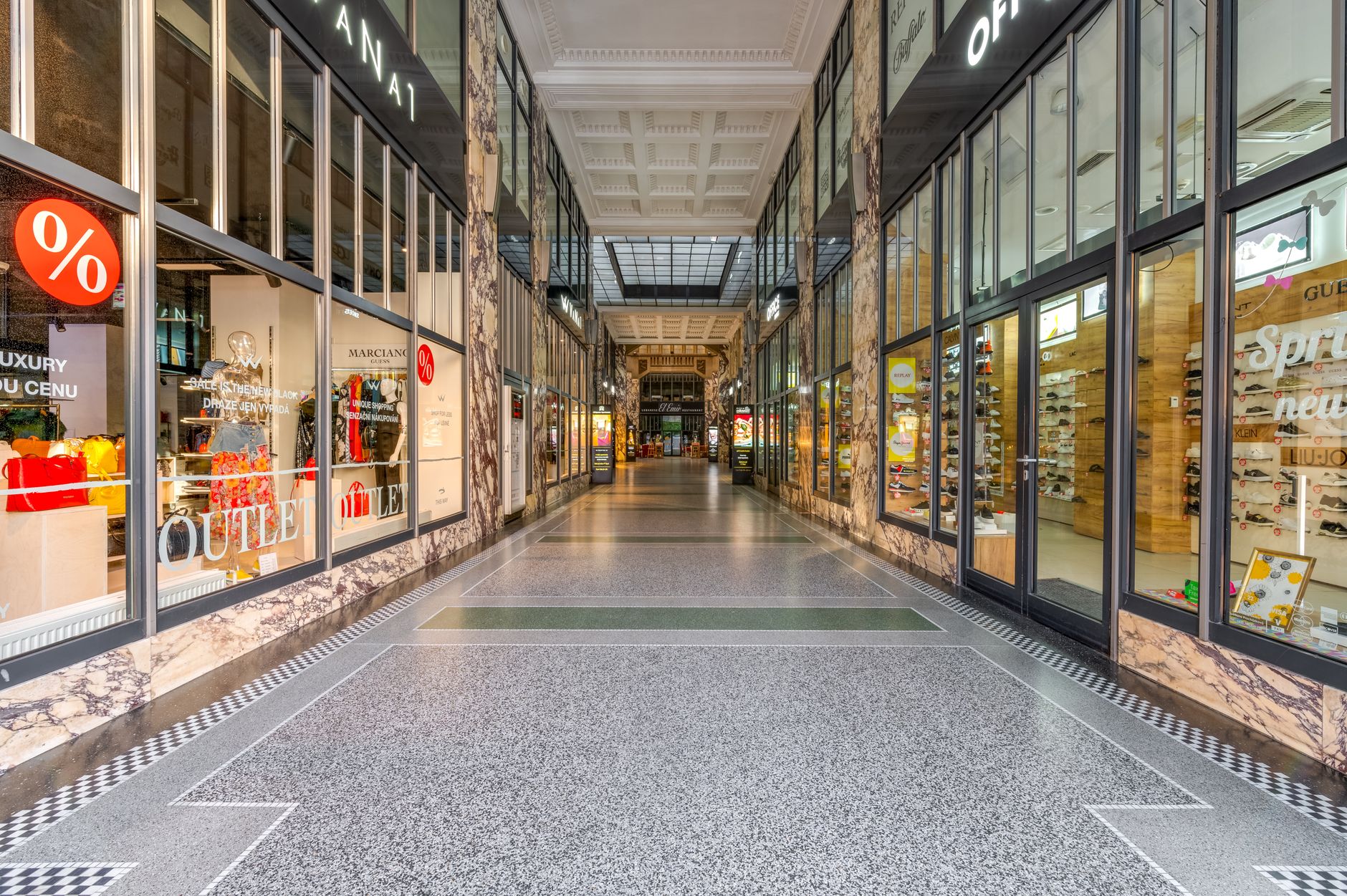
The Hartford Business Journal listed specific zones, which matters because mega-resorts fail when they buy hardware before they map foot traffic. Mohegan Sun pointed to the 130,000-square-foot Shops at Mohegan Sun, the lobbies of the Sky Tower and Earth Tower hotels, the corridor that links the towers, and the Earth Expo and Convention Center.
Those spaces mix carpet, tile, and constant guest movement. Carpet sweepers cover soft flooring in retail and hotel entries. Scrubbers handle hard surfaces in connectors and expo halls where spills and scuffs show up fast. Back-of-house support is in scope too, which keeps trash routes and service corridors from becoming the forgotten edge of a public-facing pilot.
Mohegan Sun's parent, the Mohegan Tribal Gaming Authority, reports the resort spans about 5.5 million square feet with 1,600 hotel rooms, two casinos, a 10,000-seat arena, and 275,000 square feet of meeting space. The first robot routes sit where guests form their first impression and where events compress cleaning windows.
Why did leadership green-light expansion?
MBody AI CEO John Fowler told the Hartford Business Journal that pilot data supported expansion and that Mohegan Sun is the model the company wants to repeat at other properties. Mohegan Sun said it plans to add more units later in 2026 under a multiyear subscription agreement with MBody AI.
Webster also stated that no positions would be affected, a line every union-aware resort will scrutinize. The operational story underneath is familiar: automate the miles of vacuuming and scrubbing that burn hours, keep people on resets, detailing, and guest requests.
If you run a similar estate, treat Fowler's comment as a reminder to instrument the pilot. Leadership signed the next phase because metrics on coverage, uptime, and labor redeployment were strong enough to survive executive review.
Document who signs off when a route fails: housekeeping, security, or facilities. Mohegan Sun's leadership quotes emphasize trust in safe, high-quality passes. That trust breaks quickly if a stuck scrubber blocks a fire lane during load-in.
How do sweepers and scrubbers split work in a mixed resort?
Carpet in shops and hotel lobbies holds dust that shows under casino lighting. Hard surfaces in convention corridors need wet scrubbing to cut slip risk and remove adhesive residue from event tape. One machine type cannot credibly cover both.
Schedule carpet sweepers when retail and lobby traffic dips, often late evening into early morning, so guests hear less equipment. Run scrubbers on expo hard floors after load-out when forklifts and dollies are gone. Document overlap zones such as mat wells and elevator landings so two units do not fight for the same aisle.
Mohegan Sun's split matches what integrators see at other hospitality giants: match the tool to the floor spec, then choreograph routes around check-in waves and show teardown.
- Tag each zone as carpet, hard surface, or transition before you quote hardware.
- Assign one primary robot class per zone to avoid pad and vacuum conflicts.
- Log event calendars so expo scrubbing shifts when rigging blocks aisles.
What should you measure during a two-month pilot?
A short pilot only earns expansion if it produces numbers operations leaders can replay. Track autonomous hours per route, square footage covered per shift, and manual touch-up time still required on the same loop.
Capture guest-visible outcomes separately from back-of-house routes. A shop corridor that looks dull at opening hurts revenue faster than a service hallway guests never see.
Record interruption events: carts left in aisles, late event teardown, elevator holds. Those stoppages explain why a route works on paper but slips in production.
Mohegan Sun's public comments point to quality and safety consistency across day and evening. Your version should add simple before-and-after photos tied to timestamps so housekeeping directors can compare shifts without debating memory.
Add a simple stakeholder review at weeks four and eight. Compare planned versus actual autonomous hours, note weather or event cancellations, and list manual tasks that never shrank. Those gaps tell you whether you need different pad pressure, wider cordons, or another unit rather than more training slides.
Which routes should mega-resorts pilot first?
Start where cleaning is repetitive, schedules are predictable, and success is visible. Retail gallerias, hotel lobby loops, and convention pre-function halls fit that profile.
Delay casino carpet on day one unless you have tight cordons and security buy-in. High-variance gaming floors introduce chip carts, spills, and surveillance rules that complicate autonomy.
Connector corridors between towers are underrated pilot candidates. They are long, hard-surface, and guests notice scuffs immediately, yet they are easier to cordon than open gaming pits.
Parking structures and porte cocheres are a logical phase-two target for many resorts because they collect salt and rubber residue yet follow predictable overnight patterns. Mohegan Sun has not publicly named garages in the first wave, but operators with similar climates should plan them once lobby and expo routes stabilize.
- Shops and lobby loops with repeating geometry.
- Hotel tower connectors with limited furniture churn.
- Expo halls with posted load-in and load-out windows.
- Casino floors only after security and pit procedures sign off.
How should housekeeping teams train around autonomous routes?
Robots succeed when frontline staff treat them like moving equipment, not novelty. Brief valets, retail leads, and convention porters on where units start, how wide their safety buffers are, and who to call when a cart blocks a sensor.
Run shadow shifts where a lead walks the route thirty minutes ahead of the scrubber to clear movable obstacles. That habit costs labor once, then drops interruption counts for the rest of the pilot.
Benoit's quote to the Hartford Business Journal focused on freeing staff for higher-value work. Training should spell out what those tasks are on day one so teams do not fear silent job cuts.
- Post route maps at service elevators housekeeping already uses.
- Add robot moves to the same radio codes as spill responses.
- Review incident logs weekly with both EVS and security present.
How does vendor-neutral integration change the math?
Mohegan Sun's rollout highlights a branded Cenobot fleet under MBody AI. That is one valid path. Other resorts already own mixed fleets from past pilots and need a partner who can finance, deploy, and service units without forcing a single OEM.
Service Robot Co. sits in that vendor-neutral seat for US operators: select machines across manufacturers, finance purchases or leases, map sites, train staff, and back units under RoboCare with a nationwide network of regional service engineers. The goal matches what Benoit described, reliable mechanical coverage so hospitality teams protect guest experience.
If your pilot succeeds, the expansion question is less which logo is on the scrubber and more whether one partner owns uptime, parts, and training when you jump from four routes to forty.
What comes after the first expansion wave?
Mohegan Sun told the Hartford Business Journal it intends to add more robots later in 2026. That second wave usually tests fleet management: charging infrastructure, storage closets, detergent supply, and who owns nightly dispatch.
Properties with arenas and casinos should plan seasonal spikes separately. A concert load-in can erase a scrubber route overnight. Build calendar triggers that pause autonomy when rigging maps change.
Finally, tie robot metrics to the same dashboards housekeeping already uses. When coverage hours show up next to guest satisfaction scores and overtime, expansion stops being a technology hobby and becomes a staffing strategy.
Frequently asked questions
Sources
Service Robot Co. is not affiliated with, sponsored by, or endorsed by the companies mentioned in this article.