
Key takeaways
- Build robot run windows from the tee sheet, not the factory default schedule.
- Hard keep-outs for greens, tees, bunkers, and collars protect member trust.
- Night and pre-dawn passes avoid cart conflict when fairways are closed to play.
- Name a staff owner to pause runs for frost, lightning, or tournament setup.
- Service Robot Co. maps routes and supports schedules through RoboCare after go-live.
Why does the tee sheet drive robotic fairway mowing?
A lawn mowing robot on fairways and rough should run when golfers and carts are least likely to meet it on turf, not whenever the unit is idle. That means your tee sheet, league blocks, and outing calendars come first, and the mower schedule follows.
Superintendents who treat the robot like another piece of iron on a fixed clock often fight pace-of-play complaints before they ever see labor savings. Map pause rules for frost, lightning, and tournament setup at the same time you map fairway polygons.
Service Robot Co. walks those calendars with you during site assessment so buy or lease decisions rest on realistic windows, not a brochure example from another climate.
When are night and pre-dawn windows safest for fairways?
Many U.S. clubs run autonomous fairway passes after the last group or before the first tee when cart path rules keep traffic off grass. GCMOnline reported in August 2025 that courses expanding autonomous mowing often shift staff toward detail work by mowing rough and fairways outside peak play.
Night runs need lighting and radio plans for the staff member monitoring alerts, not just a dark fairway line. Confirm irrigation cycles so heads are not throwing water across the robot route mid-pass.
Pre-dawn windows can finish before dew-heavy foot traffic if your agronomy plan allows, but only if your map keeps the unit off approaches you still mow with walk-behinds.
How do cart path and 90-degree rules change the map?
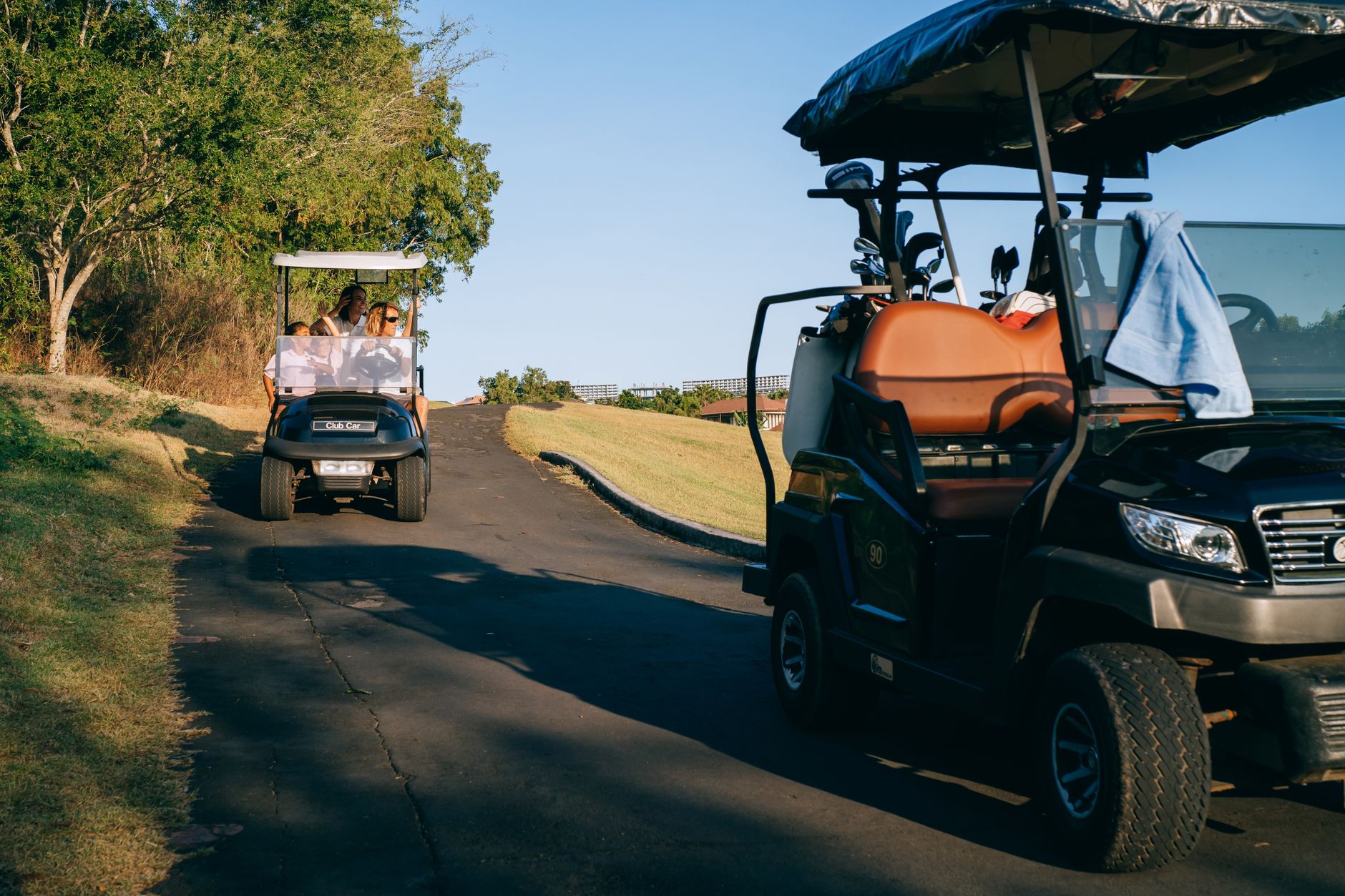
Cart routing affects where a heavy autonomous unit can cross without meeting guest traffic. Mark bridge approaches, path exits, and shared fairway entrances as slow zones or full keep-outs depending on width.
Tournament setups that allow carts on fairways for a single day should trigger a one-off pause, not a permanent map edit someone forgets to revert. Document those exceptions on the maintenance radio channel everyone uses.
If your club runs a seasonal cart ban on wet fairways, align robot runs with the same policy so members see consistent turf protection.
What weather holds should pause a fairway robot?

Frost delays exist because turf and equipment both suffer when weight hits frozen leaf blades. Program the same hold for autonomous units you would apply to a ride-on fairway mower.
Lightning protocols should stop outdoor robots and bring staff under cover, even if the unit is mid-route. Coastal and summer inland courses see pop-up storms that outrun a single fairway loop.
Heavy rain can soften low panels near drains. Keep those areas on the keep-out list rather than chasing a full-route completion badge after every shower.
Who owns the schedule after go-live?
Assign one superintendent or assistant as schedule owner, even if they also manage irrigation. They confirm nightly logs, adjust for weather holds, and call RoboCare when an alert needs human judgment.
Train relief staff on pause and resume steps before vacation season. A robot that sits stopped mid-fairway because only one person knows the app becomes its own pace-of-play problem.
Review monthly whether redeployed hours actually funded bunker detail, native edges, or agronomy scouting. Labor savings only count if the calendar shows where those hours went.
How does an integrator help set realistic windows?
Manufacturers ship hardware; superintendents live with member expectations. A vendor-neutral integrator compares mower options for your fairway widths, then maps keep-outs and schedules around your actual play.
Service Robot Co. documents run windows during deployment, trains your monitor, and stays available through RoboCare when a storm week forces three schedule edits in a row.
If only half the property suits autonomy today, start there. A honest partial map beats a ambitious route that members notice in the first month.


