Key takeaways
- Heavy-stock AMRs address pallet flows that assisted picking bots never claimed.
- Platform buyers should score orchestration software, not only payload charts.
- Cross-dock and putaway moves become fair game when forks handle floor pallets.
- Conventional warehouses still need Wi-Fi, aisle width, and WMS hooks.
- Fleet scale only pays off when utilization data spans sites, not one pilot aisle.
Why does Porter matter if you already run picking AMRs?
On May 12, 2026, Ocado Group reported that its mobile robot footprint had grown to more than 2,500 autonomous mobile robots across 127 warehouses and more than 1,000 stores worldwide, with Porter positioned as the heavy-stock AMR alongside lighter picking assistants. For a conventional distribution center, that split is the headline.
Assisted picking AMRs excel at totes, cases, and eaches. They rarely touch full pallets, cage moves, or cross-dock shuttles that still burn forklift hours. Porter targets those flows: receiving to storage, storage to outbound, and inventory repositioning with payloads up to 1,500 kilograms according to Ocado's published specifications.
If your operation already runs small AMRs in pick modules, Porter-class machines do not replace them. They absorb the transport layer that was never economical for a cart with a tablet.
Which transport jobs become addressable?
Cross-docking is the obvious win when inbound pallets can roll straight toward outbound staging without a long parking stint. Putaway loops from dock doors to rack bays fit the same pattern when aisles stay wide enough for fork engagement.
Full-case fulfillment and batch picking of larger SKUs also move onto the table when the robot can handle open or closed pallets from the floor. Ocado markets Porter for cage handling with adapters, which matters for retail distribution and grocery backrooms that still think in roll cages.
Point-to-point pallet moves inside a building sound boring until you count how many minutes a certified lift driver spends on them per shift. Those minutes are what Porter is buying, not glamour.
What infrastructure still has to exist?
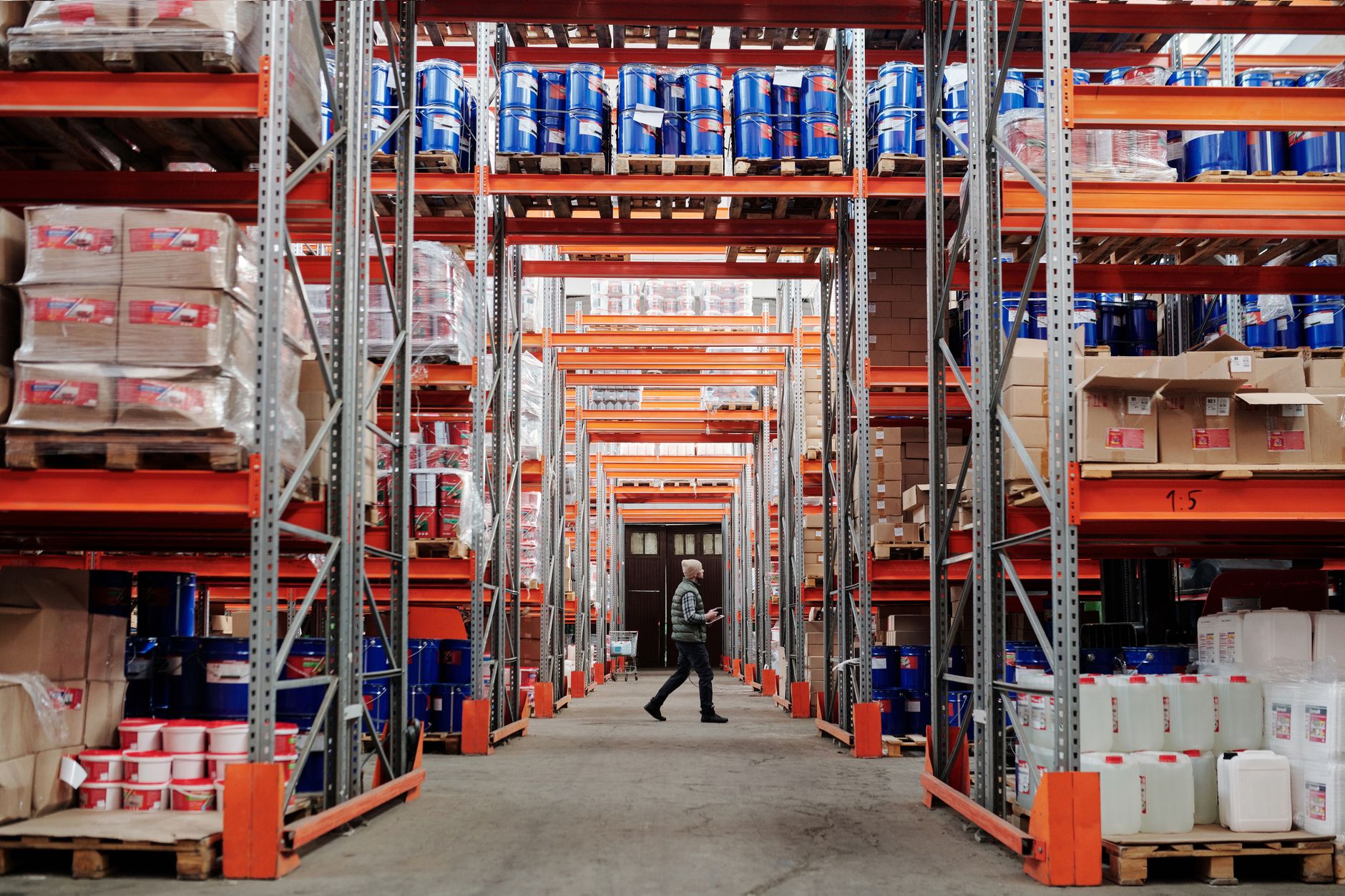
Floor-level pallet handling only works when floors are flat, rated, and free of debris that trips forks. Dock plates, door sensors, and pedestrian crossings still need human rules even if the AMR navigates autonomously.
Ocado describes system-directed fulfillment software that coordinates heavy and light AMRs with associates. That means your warehouse management or execution layer must accept task feeds without forcing operators to re-key moves.
Wireless coverage and charging plans scale with fleet size. A second robot charging dock lesson applies here: congestion at chargers can idle Porter units just as easily as scrubbers if docks sit at one corner of the building.
How should buyers evaluate a platform, not a single machine?
Ask how new heavy-stock units join an existing picking fleet under one orchestration layer. Ocado cites more than 2,500 AMRs live with clients globally, which implies the control software matured across many buildings, not one demo hall.
Request proof on mixed workflows: simultaneous case picking on light AMRs while Porter handles pallet shuttles in the same shift. Integration tests should show what happens when a human stops an aisle for a spill.
Vendor-neutral integrators matter because most U.S. sites will mix OEMs. Service Robot Co. maps flows first, then selects hardware and monthly lease structures so you are not locked into a single factory portal when site two needs a different aisle width.
What changes for third-party logistics and retail DCs?
Ocado's May 2026 story notes deployments with logistics partners and healthcare distributors, not only its own grocery facilities. Third-party logistics sites benefit when robots relocate between clients seasonally without rebuilding maps from scratch each time.
Retailers running omnichannel fulfillment can keep high-velocity eaches on assisted picking while Porter handles pallet replenishment to forward pick areas. That division of labor mirrors how labor is already split, just with clearer machine ownership.
Healthcare and bulky goods distributors were named in early Porter announcements as target sectors. Any site with certified forklift scarcity should model Porter-class moves as forklift substitution on horizontal travel, not as a replacement for rack reach trucks.
How do utilization metrics shift at fleet scale?
Two thousand five hundred robots in the field generate a different data set than a ten-unit pilot. Benchmarks should include pallet moves per hour, deadhead minutes, and charge queue time, not only pick rates on the light side.
Ocado reports technology live in 127 warehouses and more than 1,000 stores. Buyers should ask how anonymized benchmarks from that footprint inform your site acceptance tests, even if your building is a fraction of the size.
Robot rental monthly programs help operators add heavy-stock units for peak without capital spikes, but only if software licenses scale with the fleet instead of penalizing every added AMR.
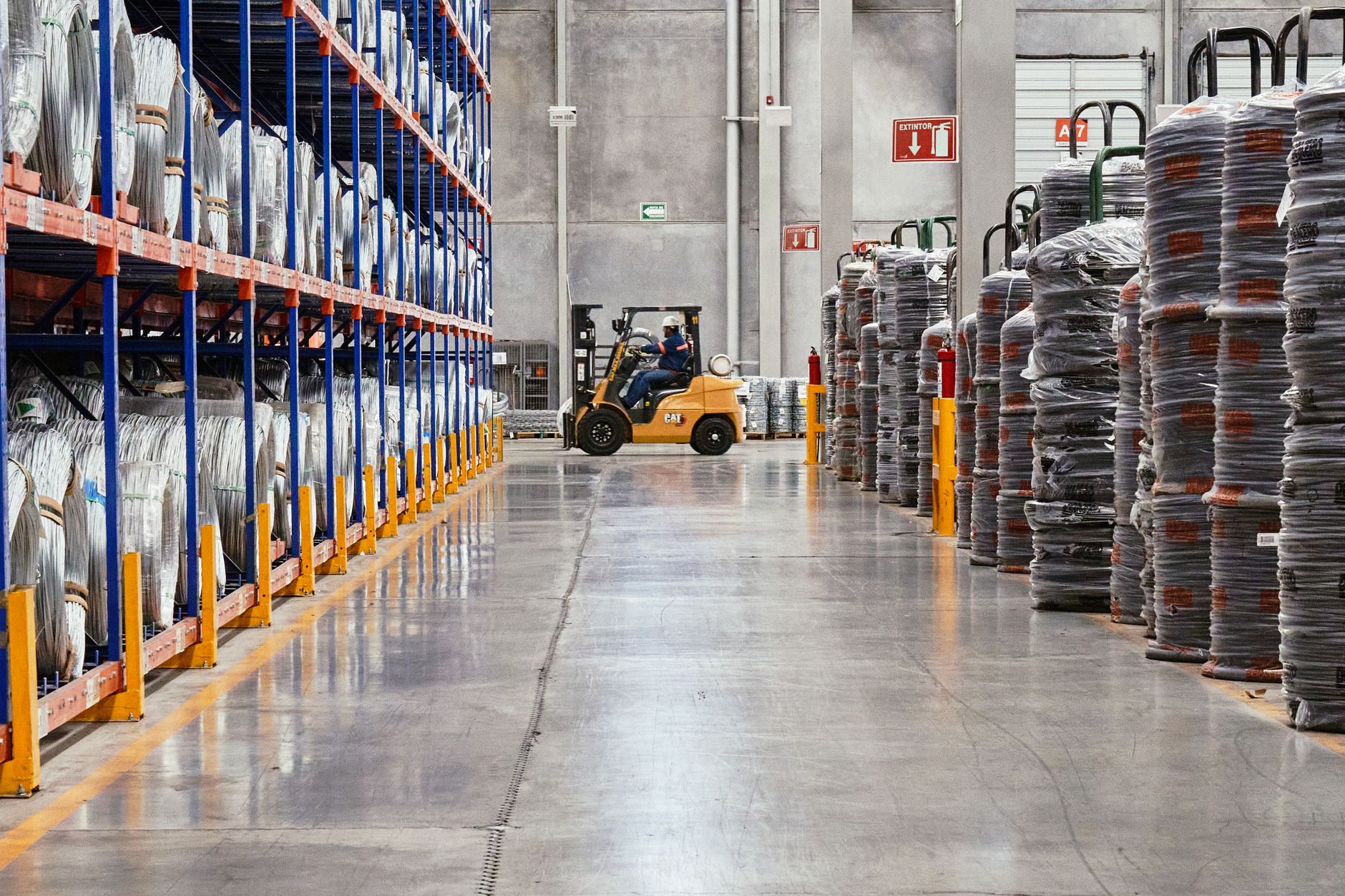
What risks stay human?
Pedestrian safety still depends on speed limits, visibility, and training. Autonomous pallet movers must slow in busy docks regardless of navigation tech.
Maintenance on forks, wheels, and batteries becomes a portfolio discipline. One site cannot hoard spares while another waits a week for a common part.
Labor relations improve when leadership explains that heavy AMRs target ergonomic injuries on long pallet walks, not every forklift job. Reach trucks and clamp trucks still have a role.
How can U.S. operators pilot without betting the whole DC?
Start one loop: receiving to staging, or staging to outbound lane. Measure forklift hours removed and congestion at the dock, not only robot miles.
Run a free site assessment that scores aisle geometry, Wi-Fi, and WMS integration before you sign a month to month AMR lease. Service Robot Co. finances and services mixed fleets nationwide so pilots convert to production without a new integrator at site two.
Treat Porter news as a signal that assisted picking was phase one. Heavy horizontal transport is phase two, and your RFP should ask vendors how both phases share one queue and one service number.
Frequently asked questions
Sources
Service Robot Co. is not affiliated with, sponsored by, or endorsed by the companies mentioned in this article.