Key takeaways
- In 2026, OSHA is intensifying its focus on industry-specific ergonomics to reduce musculoskeletal disorders (MSDs).
- MSDs from overexertion and repetitive motion are a leading cause of nonfatal injuries requiring time off in manufacturing.
- Deploying collaborative robots (cobots) for repetitive tasks directly addresses OSHA's ergonomic concerns.
- Cobots reduce physical strain on workers, helping to lower injury rates and associated costs like workers' compensation claims.
- Integrating cobots is a proactive strategy for manufacturers to ensure compliance with stricter enforcement and improve workplace safety.
The Shifting Regulatory Landscape: What is OSHA's 2026 Ergonomics Focus?
In 2026, the Occupational Safety and Health Administration (OSHA) is sharpening its focus on workplace ergonomics, moving toward more industry-specific enforcement to combat the high rates of musculoskeletal disorders (MSDs). This regulatory shift signals a proactive stance against one of the most persistent and costly safety issues in the manufacturing sector.
This increased scrutiny is a direct response to alarming statistics. According to data from the U.S. Bureau of Labor Statistics, overexertion and repetitive motion are responsible for nearly one-third of all nonfatal workplace injuries that result in days away from work within manufacturing. These injuries, which include strains, sprains, and carpal tunnel syndrome, represent a significant drain on both workforce health and a company's bottom line.
For factory operators, this means that waiting for an injury to happen is no longer a viable strategy. OSHA's emphasis program for industries like warehousing and distribution, which often involve similar physical tasks as manufacturing, already considers ergonomic hazards during every inspection. The clear trend is toward holding employers accountable for identifying and mitigating ergonomic risks *before* they lead to recordable incidents. The most direct way to address these risks is to automate the tasks that cause them.
What Are Musculoskeletal Disorders and Why Are They So Costly?
Musculoskeletal disorders are injuries or conditions affecting the body’s movement system, including muscles, tendons, ligaments, nerves, and discs. In a factory setting, they are typically caused not by a single traumatic event, but by the cumulative effect of daily microtraumas from actions like heavy lifting, repetitive motions, and awkward postures.
The financial impact of MSDs is staggering. The Bureau of Labor Statistics has attributed around $20 billion in annual workers' compensation costs to these disorders. However, these direct costs are just the beginning. Research consistently shows that indirect costs, such as lost productivity, absenteeism, and the expense of hiring and training replacement workers, can be two to five times higher than the direct claim cost. One recent analysis found that musculoskeletal conditions account for over $300 billion in direct medical spending in the U.S.

How Do Cobots Directly Address Ergonomic Hazards?
Collaborative robots, or cobots, are designed to work alongside human employees, taking over the exact types of tasks that lead to MSDs. By automating dull, dirty, and dangerous jobs, cobots directly mitigate the root causes of ergonomic injuries in a manufacturing environment.
A cobot can perform strenuous and repetitive tasks with perfect consistency for hours on end, without fatigue or risk of strain. This frees human workers from the physical burden of tasks like:
By assigning these physically demanding jobs to a machine, workers are protected from cumulative strain. According to a study by the National Safety Council, workers whose workplaces use robots to aid in injury prevention expressed the highest confidence in a reduction of MSD symptoms (56%). This not only creates a safer workplace but also allows employees to be reassigned to more complex, value-added roles that require human problem-solving and dexterity.
- Lifting and transferring heavy parts.
- Palletizing and depalletizing boxes.
- Machine tending that requires constant bending or reaching.
- Repetitive fastening, sanding, or polishing.
Why is an OEM-Neutral Integrator the Right Partner for This Challenge?
Responding to regulatory pressure from OSHA requires more than just buying a robot. It requires a thoughtful integration of the right automation into your specific workflow. This is where a vendor-neutral integrator becomes a critical partner. Unlike a manufacturer who is limited to their own product line, an OEM-neutral integrator like Service Robot Co. assesses your unique operational needs first.
We select the ideal collaborative robot for the job from across the entire market, ensuring it's the perfect fit for the task, payload, and your environment. Our role doesn't stop at selection. We manage the entire lifecycle of the robot, from initial site assessment and financing to deployment, integration with your existing systems, and staff training.
This one-partner approach removes the complexity of adopting new technology. With a nationwide network of engineers, Service Robot Co. provides ongoing service and maintenance for every unit we deploy. This ensures your investment not only helps you meet OSHA's 2026 ergonomic standards but also delivers sustained productivity and a reliable return.
What are the Operational Benefits Beyond Compliance?
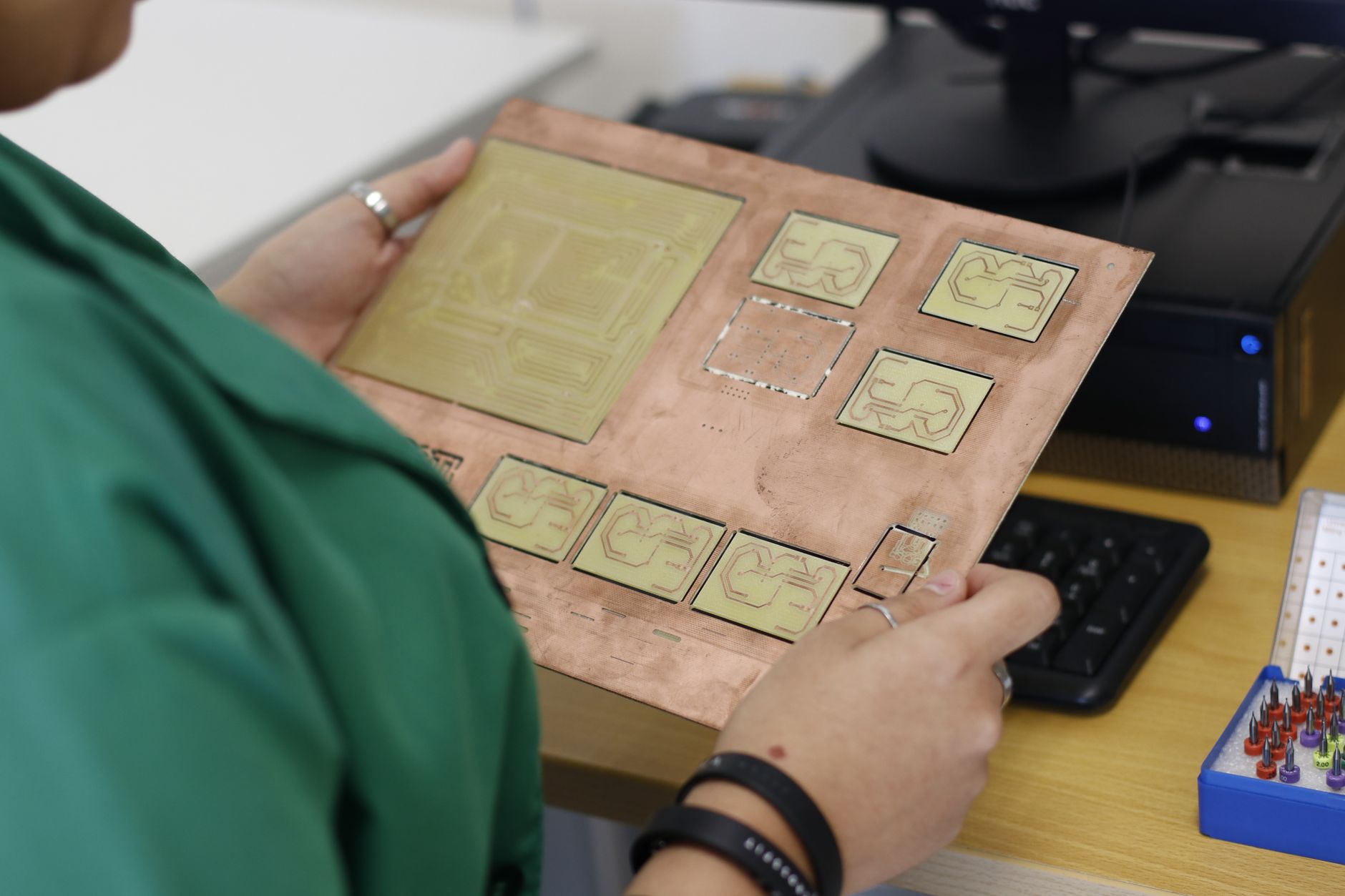
While achieving OSHA compliance is a primary driver, integrating cobots for ergonomic purposes unlocks a host of other operational advantages. Automating repetitive tasks leads to higher consistency and precision, which directly improves product quality and reduces waste from human error.
Furthermore, cobots can operate tirelessly, increasing throughput without requiring additional labor shifts. By taking over the most physically undesirable jobs, they can also boost worker morale and help with employee retention-a crucial benefit in a tight labor market. Employees can be upskilled to manage and work alongside the cobots, shifting their focus to less strenuous and more engaging work.
How Can I Get Started with Cobots in My Factory?
The first step toward integrating cobots is a professional assessment of your operations to identify the tasks that pose the highest ergonomic risks. Service Robot Co. simplifies this process with a free site assessment. Our engineers analyze your workflow to pinpoint the best opportunities for automation that will deliver both safety improvements and productivity gains.
We offer flexible programs like robot rental, leasing, and RaaS (Robots as a Service) that eliminate the need for large upfront capital expenditure. This makes it possible for businesses of any size to adopt automation and proactively address OSHA's heightened ergonomic standards. Through pilot programs and phased deployments, you can introduce cobots without disrupting your ongoing production, ensuring a smooth transition to a safer and more efficient factory floor.