Key takeaways
- On April 10, 2026, OSHA updated its National Emphasis Program (NEP) for heat hazards, which now targets 55 high-risk indoor and outdoor industries.
- The program allows for proactive, unannounced inspections on days with heat advisories, increasing compliance risks for businesses.
- Heat stress in indoor environments like warehouses, laundries, and kitchens reduces productivity and increases the risk of accidents and serious illness.
- Service robots can perform strenuous, repetitive tasks in high-heat zones, removing human workers from the most dangerous conditions.
- Automating high-risk tasks helps businesses comply with OSHA's stricter enforcement while improving operational consistency and safety.
OSHA's New Enforcement Focus on Indoor Heat Hazards
On April 10, 2026, the U.S. Department of Labor's Occupational Safety and Health Administration (OSHA) updated its National Emphasis Program (NEP) to protect workers from heat-related hazards. This revised program, which will remain in effect for five years, specifically directs agency resources toward 55 high-risk industries in both indoor and outdoor settings.
The update signals a major shift from reactive enforcement to proactive inspections. Under the new NEP, OSHA compliance officers can conduct unannounced inspections at targeted workplaces on days when the National Weather Service issues a heat advisory or warning. This means businesses in sectors like manufacturing, warehousing, commercial laundries, and restaurants are now under greater scrutiny for heat safety compliance.
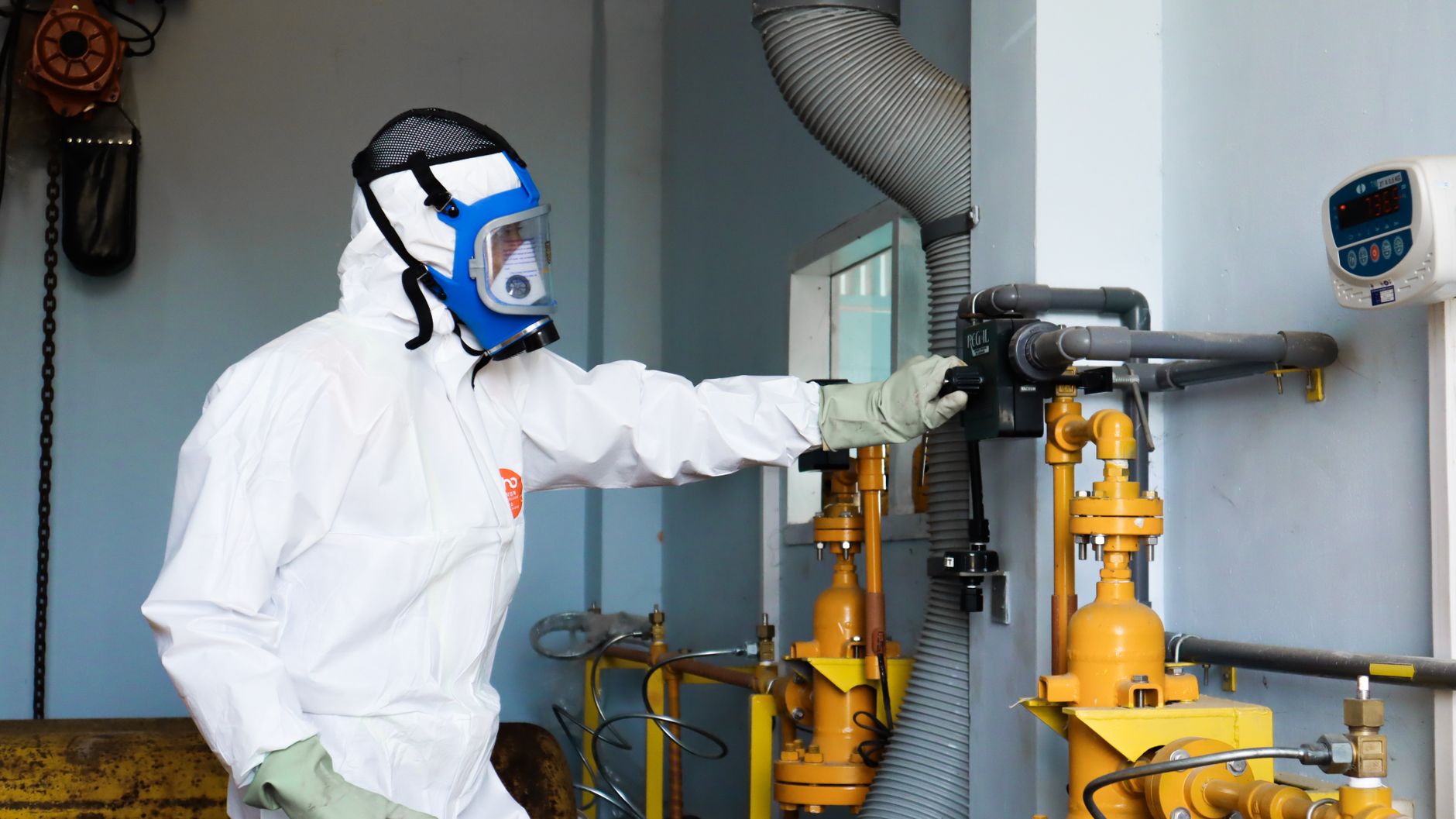
Heat stress is a serious and preventable hazard that leads to significant injuries and fatalities every year. For indoor workers, risks are compounded by heat-generating machinery, poor ventilation, and the physical demands of their jobs. With this renewed focus from regulators, companies must find effective ways to mitigate heat exposure for their employees, not just to avoid citations, but to ensure a safe and productive workplace.
Which Indoor Work Environments Are Most at Risk?
While outdoor work in the sun is a visible heat hazard, many indoor environments pose an equal or greater risk. OSHA's expanded focus includes numerous indoor operations where high temperatures are a constant challenge.
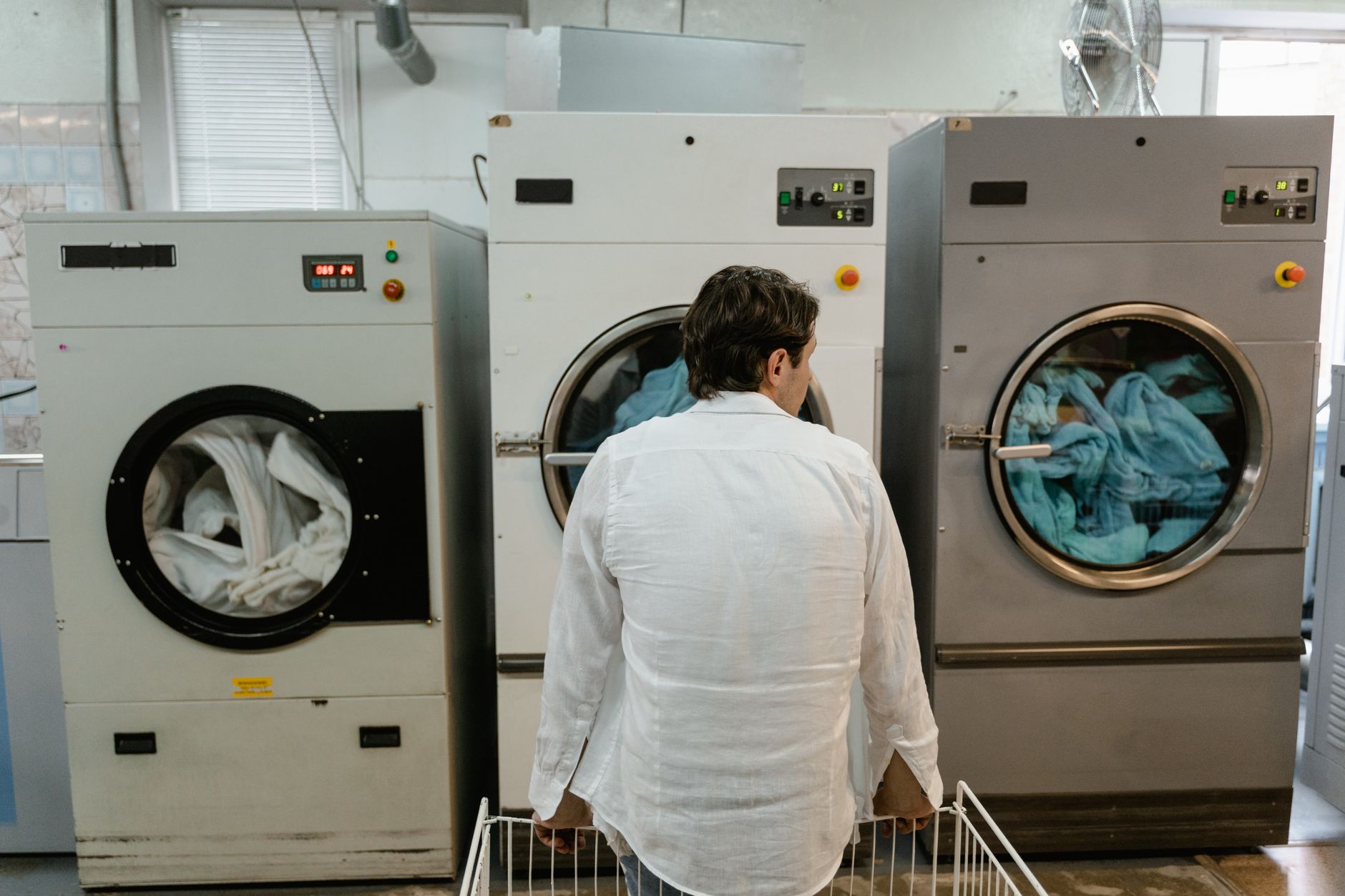
Commercial laundries are a prime example. The continuous operation of large dryers and washers releases immense heat and moisture, creating extremely hot and humid conditions that strain both workers and equipment. Without powerful ventilation, these spaces can quickly become unsafe.
Non-climate-controlled warehouses and distribution centers are another major area of concern. In the summer, the internal temperature of these large facilities can become much higher than the outside air, creating dangerous conditions for workers performing physically demanding tasks like lifting and moving goods.
Commercial kitchens present a constant battle with heat from ovens, grills, and fryers. This intense heat in a confined space puts kitchen staff at high risk for heat exhaustion and other illnesses, which can also lead to a higher rate of burns and other accidents.
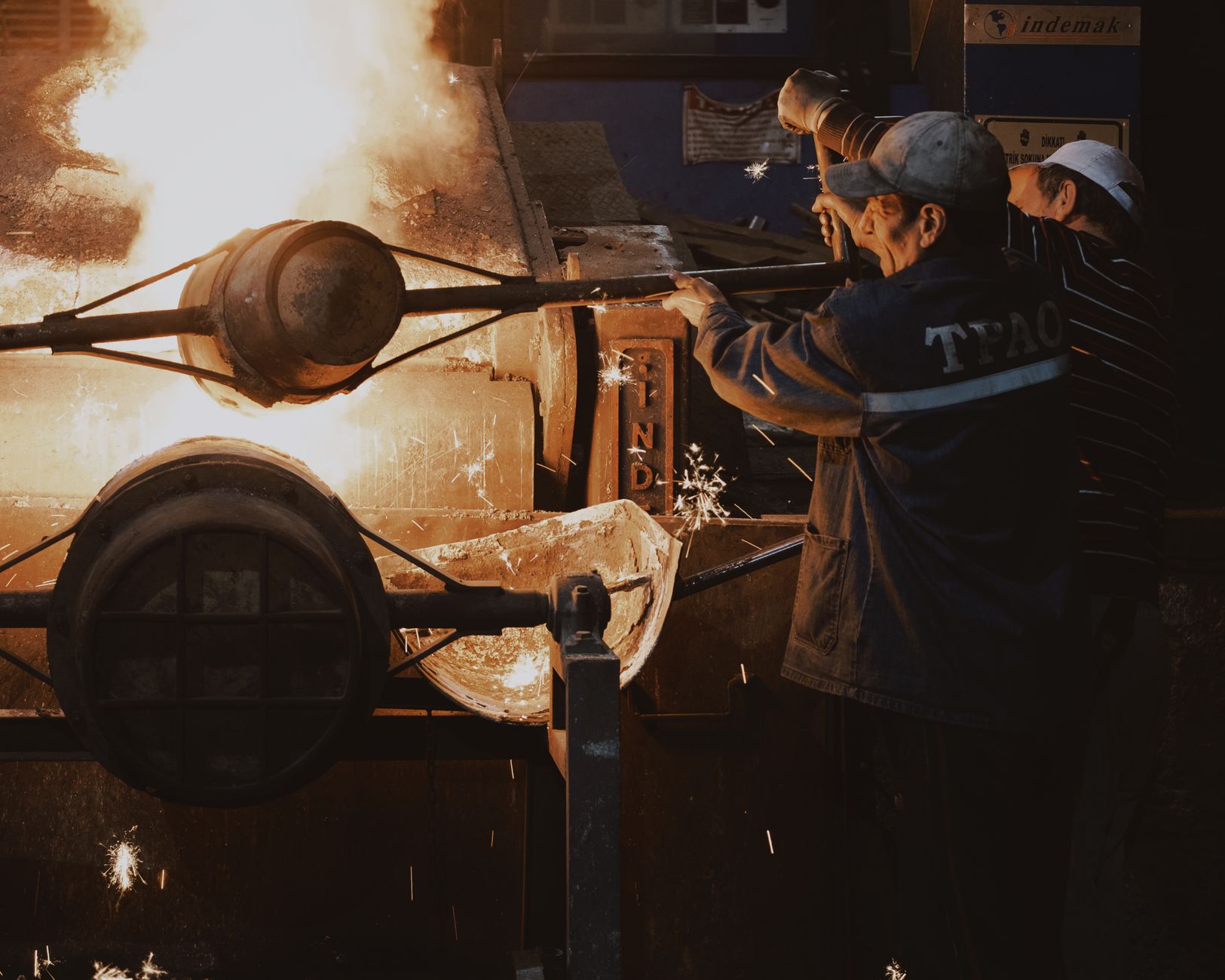
Manufacturing plants, especially those with furnaces, forges, or molding equipment, expose workers to extreme radiant heat year-round. These environments often require heavy personal protective equipment, which traps body heat and increases the risk of heat stress.
What Are the True Costs of Worker Heat Stress?

Heat stress is more than just a matter of comfort; it has direct and significant impacts on both employee well-being and a company's bottom line. The effects range from reduced productivity to life-threatening medical emergencies.
When the body overheats, physical and cognitive performance declines. Workers may experience fatigue, dizziness, and muscle cramps. This not only slows down the pace of work but also increases the likelihood of errors and accidents. A worker suffering from heat exhaustion is more likely to mishandle equipment or ignore safety procedures.
According to the World Health Organization, worker productivity can decrease by 2-3% for every degree increase in the Wet-Bulb Globe Temperature beyond 20°C (68°F). Over a full shift in a hot warehouse or laundry facility, this productivity loss accumulates, impacting output and profitability.
The most severe consequence is heat stroke, a medical emergency that can be fatal if not treated immediately. Beyond the human tragedy, a serious heat-related incident can lead to substantial costs, including workers' compensation claims, increased insurance premiums, and significant OSHA penalties under the General Duty Clause, which requires employers to address recognized hazards.
Implementing Automation with a Vendor-Neutral Integrator
Addressing OSHA's heat stress program is not just about buying a piece of equipment; it's about re-engineering a process for greater safety and efficiency. This is where a full-service, OEM-neutral integrator like Service Robot Co. becomes essential.
We don't represent a single manufacturer. Instead, we analyze your specific operational challenges, including environmental hazards like heat, and select the right robots from across the industry to meet your needs. Whether it's an AMR for pallet transport, a floor scrubber for overnight cleaning, or a cobot for machine tending, we find the best fit for the job.
Service Robot Co. manages the entire lifecycle of your automation investment. Our nationwide network of US engineers handles everything from the initial site assessment and financing to deployment, integration with your existing systems, staff training, and ongoing maintenance. You get one partner and one number to call for the entire process.
Our Robot as a Service (RaaS) and leasing programs eliminate the need for large upfront capital expenditures, making it easier for businesses to adopt this critical safety technology. With options like our monthly payment programs and lease purchase plans, you can protect your workers and comply with new regulations without disrupting your budget.
Beyond Compliance: The Broader Benefits of Automation
While mitigating OSHA compliance risk is a powerful driver, the benefits of deploying service robots in hot environments extend much further. Automation brings consistency and precision to tasks that are often prone to human error, especially when workers are fatigued by heat.
Robots perform tasks with the same accuracy and speed at the end of a shift as they do at the beginning, improving product quality and operational predictability. They can work continuously, 24/7, handling overnight or strenuous shifts without breaks, which further boosts productivity.
By automating the most repetitive, physically demanding, and hazardous jobs, you can reassign your valuable human workers to more complex, value-added roles. This not only creates a safer work environment but also improves job satisfaction and employee retention. It's a strategic move that enhances safety, efficiency, and your competitive advantage.