Key takeaways
- EZ-Board at PIT Gate A7 uses depth cameras and edge analytics to track carry-on volume during boarding.
- Southwest and PIT's xBridge program installed the second Arrow airport proof of concept in September 2026.
- Skild AI quadrupeds are running a separate six-month PIT pilot for spills and air-quality checks.
- Gate intelligence and floor robots share the same lesson: map the space and train staff before peak weeks.
- OEM-neutral integrators align terminal scrubbers, delivery loops, and patrol routes with IT constraints.
What is Pittsburgh International Airport testing at the gate?
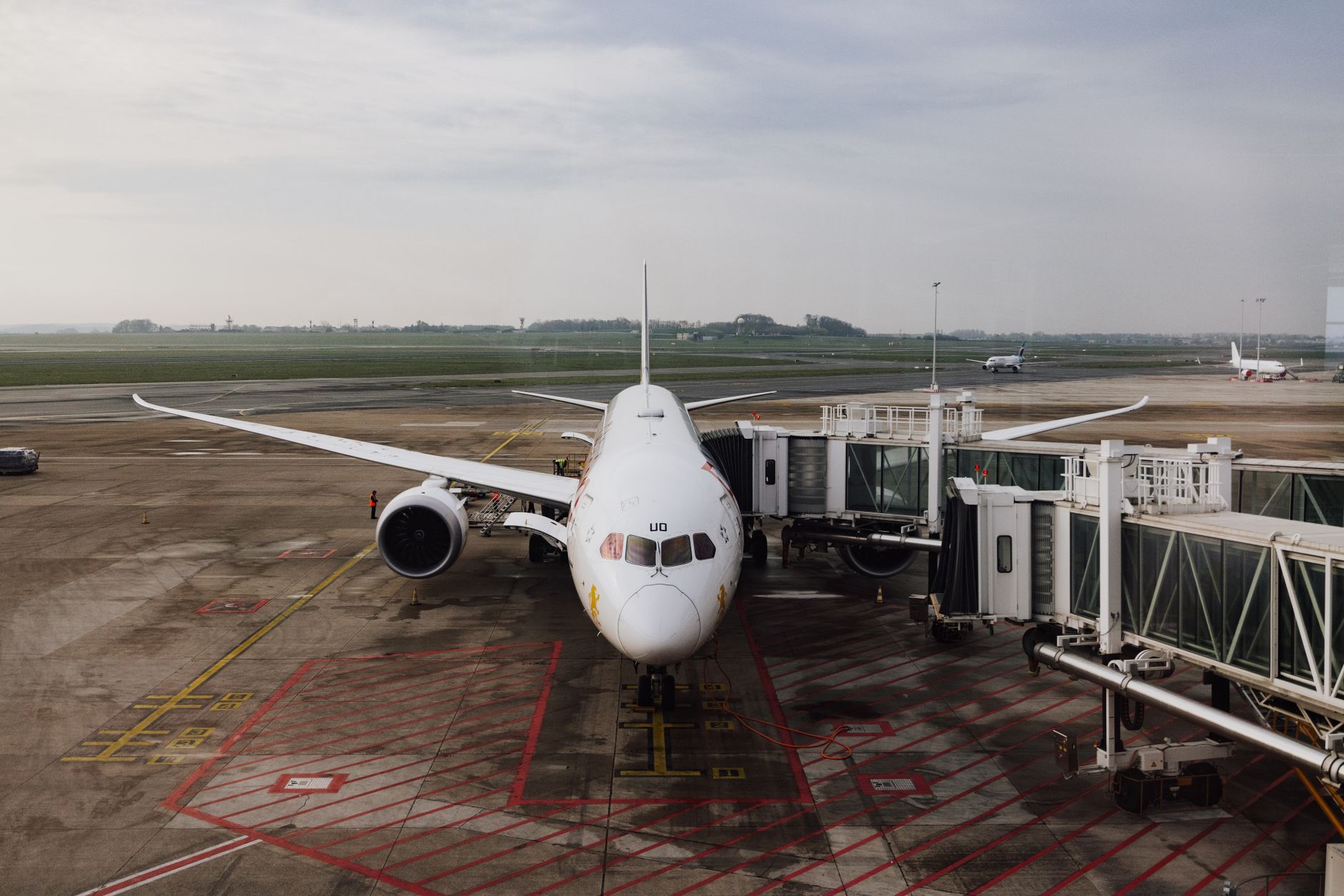
In September 2026 Pittsburgh International Airport expanded its xBridge innovation program with two visible pilots. Arrow Analytics, working with Southwest Airlines, installed EZ-Board at Gate A7 to watch how carry-on bags move through boarding.
The system combines ceiling-mounted depth cameras, on-site edge computing, and a dashboard for gate agents. Arrow Analytics reports the Pittsburgh install as its second airport deployment after Gerald R. Ford International Airport, with the finished setup completed in about four hours according to the company's September 2026 update.
Passenger Terminal Today described the goal in plain terms: give airline teams a real-time read on baggage volume and projected overhead bin demand before bins fill and gate checks slow the line.
Why do minutes at the gate ripple across an airline network?
Boarding delays are not a local annoyance. When overhead space runs out, agents gate-check bags, passengers reshuffle, and departure clocks slip. Industry coverage of the PIT trial notes that even a few minutes can affect aircraft schedules across a carrier's network.
EZ-Board is trying to make that decision data-led instead of guess-led. Depth cameras watch the flow; analytics estimate how much bin capacity the flight will need. Agents see the picture before they ask the next passenger to volunteer a gate check.
That is a different job than scrubbing concourses or running meal carts, but the operating lesson rhymes. Measure the bottleneck, show the frontline team a clear signal, then act before the rush turns into a cascade.
How does this relate to terminal cleaning robots?
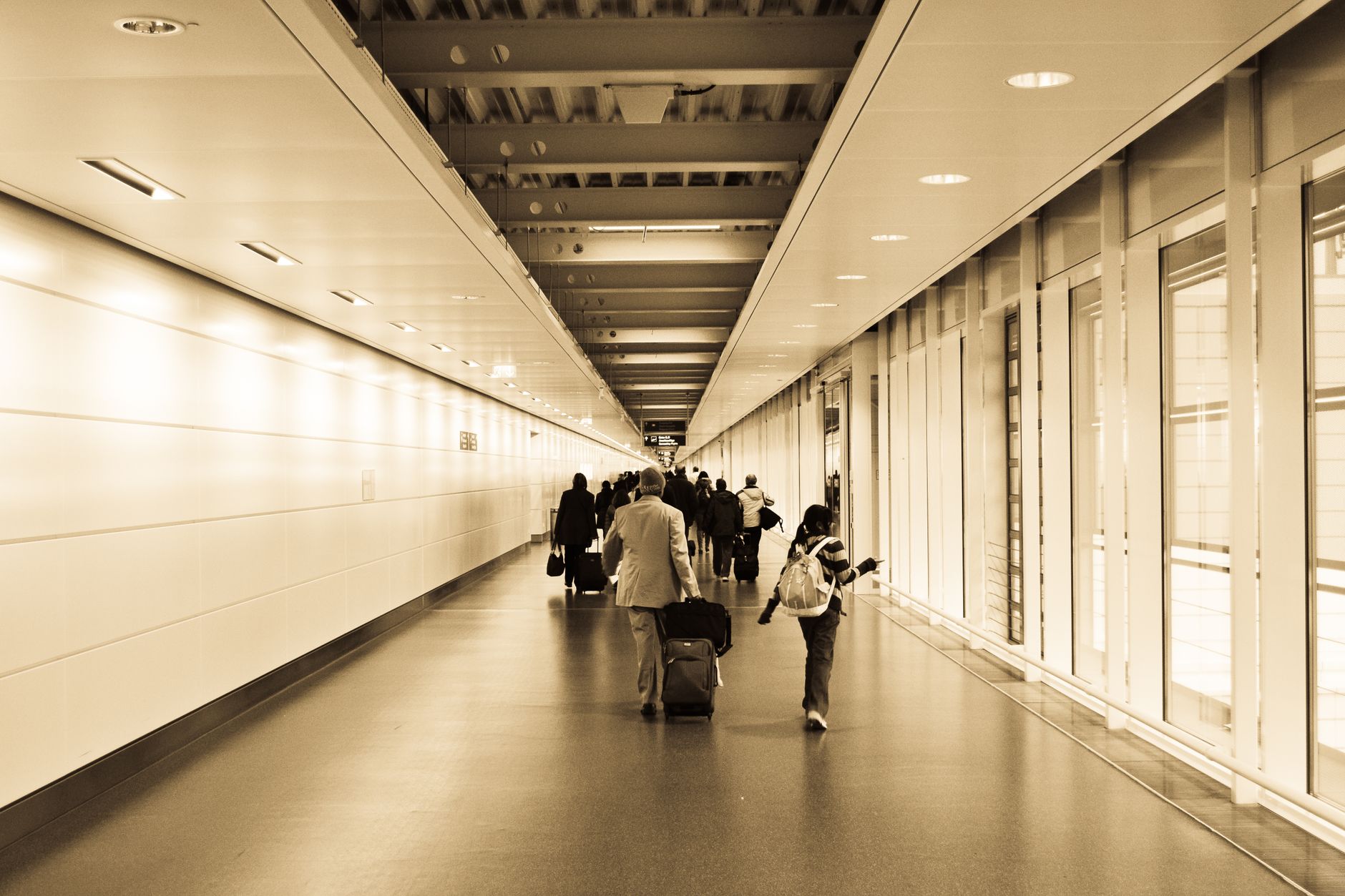
Concourses still need overnight scrubbing even when gates get smarter. Autonomous scrubbers handle hard floors on long loops after the last departure, which is the same window facilities teams use to reset restrooms and seating areas.
Airports that trial computer vision at one gate often tighten standards everywhere passengers queue. Cleaner floors and clearer spill response matter when boarding analytics push agents to keep lines moving.
Service Robot Co. selects OEM-neutral scrubbers sized to gate areas, connectors, and retail nodes, then finances, maps, trains, and services them under RoboCare. A gate pilot and a scrubber fleet are separate purchases, but one facilities lead should own both timelines.
What is Skild AI doing elsewhere in the same terminal?
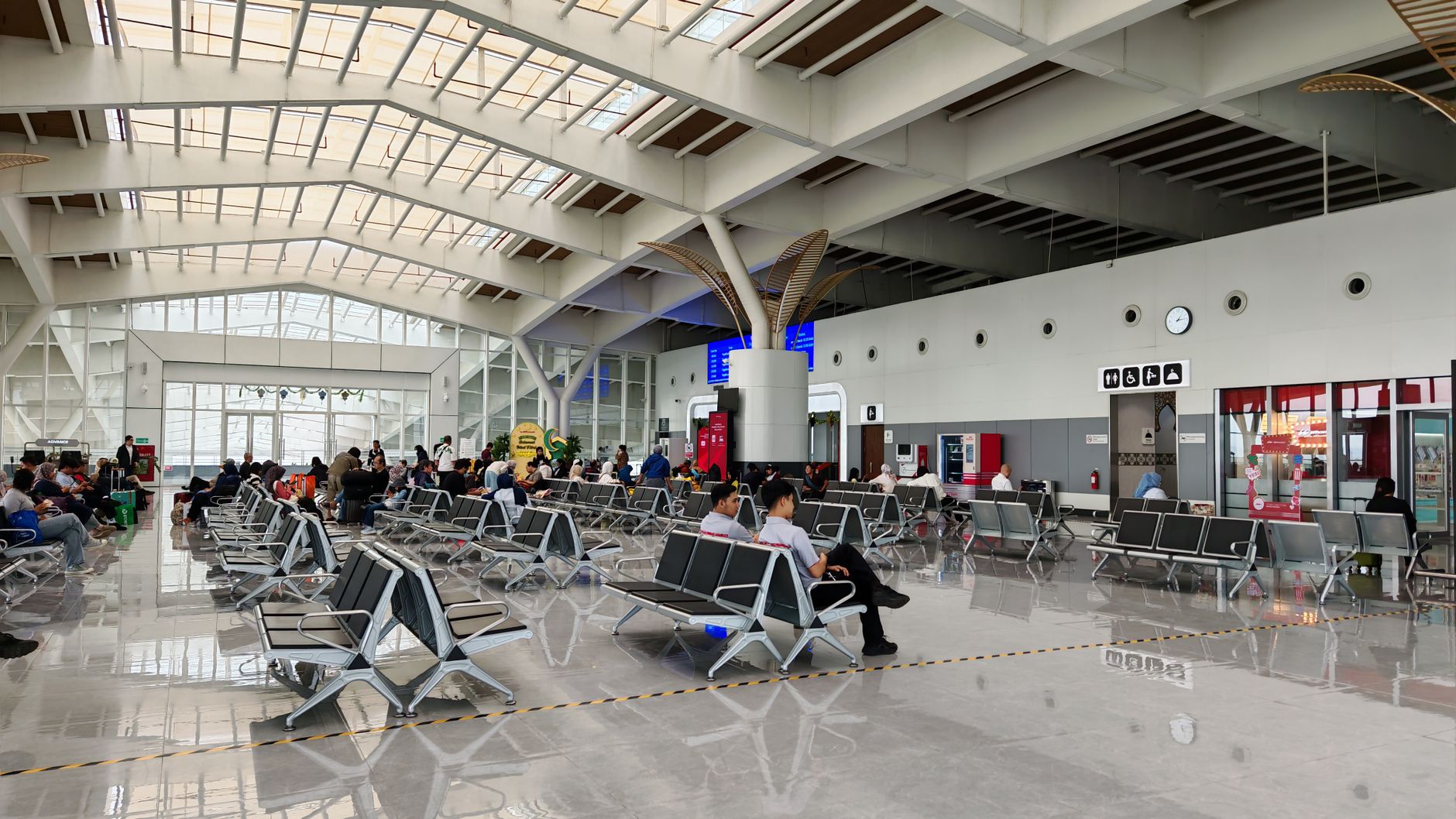
The same September 2026 announcements covered a six-month Skild AI pilot with up to four quadruped robots patrolling the Airside Terminal. Technical.ly reported the units monitoring indoor air quality and flagging spills or full trash cans.
Passenger Terminal Today noted future paths such as passenger congestion monitoring and possible autonomous delivery. None of that replaces EZ-Board at the gate, but it shows PIT treating robots as an operations portfolio, not a single stunt.
Patrol-style units matter for long concourses where fixed cameras miss a wet floor or an overflowing bin between janitorial rounds. Pairing a patrol loop with a scrubber schedule is how some terminals cut repeat walk-throughs.
What should regional airport leaders copy from xBridge?
PIT's xBridge program has hosted dozens of trials since 2020, according to local tech press. The pattern is consistent: give vendors a live terminal, set a short clock, and measure operations impact rather than brochure claims.
Arrow's install checklist is practical for any automation project. Adjustable camera mounts, edge boxes on-site, networking, and early gate-agent feedback were called out in the company's Pittsburgh completion post.
Facilities teams should demand the same clarity for scrubbers and delivery robots: where chargers sit, which doors stay open, who owns the map updates, and what happens when a flight delay pushes cleaning past midnight.
Where do delivery robots fit concourses and back of house?
Terminals run long indoor routes for retail restock, wheelchair assistance supplies, and catering handoffs. Delivery robots on mapped loops can carry those loads while people stay at counters and gates.
Elevator banks, door widths, and TSA-adjacent paths set the integration work. A gate vision pilot does not solve those constraints, but it proves the airport will host live tech tests when airlines partner on scope.
Phased rollout still beats a big-bang launch the week before holiday peaks. Start on one pier, document handoffs, then extend once chargers and service coverage are stable.
How should operators budget and staff these pilots?
Proof-of-concept hardware often arrives through innovation programs while scrubbers and AMRs usually flow through capital or lease lines. Keep financing paths separate on paper but aligned on one Gantt chart so crews are not training twice.
Gate agents, janitorial leads, and IT security should sit in the same readout. EZ-Board's value is only real if agents trust the dashboard. Scrubbers only pay back if night staff know how to release and recover units.
Service Robot Co. bundles site assessment, deployment, training, and nationwide service for cleaning, delivery, security, and warehouse robots. Airport leaders can run airline-led gate analytics while a single integrator owns the floor fleet.
What is the takeaway for 2026 airport automation?
PIT is running gate vision with Southwest and Arrow while quadrupeds patrol for spills in parallel. That is the new normal: small, measured bets in public view instead of one giant moonshot.
The operators who win will connect those bets. Bin analytics that shorten boarding, scrubbers that reset concourses before the morning bank, patrol units that catch messes early.
You do not need every technology on day one. You do need one partner who can translate pilot lessons into financed, serviced robots that survive the next holiday crush.
Frequently asked questions
Sources
Service Robot Co. is not affiliated with, sponsored by, or endorsed by the companies mentioned in this article.