
Key takeaways
- Charger placement is a pace-of-play decision, not just an electrical one.
- Rough expansion fails when docks force fairway crossings during morning tee sheets.
- Exclusion zones and path-adjacent pads keep bunkers and greens out of mower paths.
- Phased rollouts let staff learn service routines before the fleet doubles.
- A mapped site walk beats guessing where extension cords can reach.
Why does charger planning block rough mower expansion?
Superintendents who add autonomous rough mowers usually solve mapping first, then discover that charging layout decides whether the program survives member scrutiny. The USGA Green Section Record reported in 2026 that Atlanta Athletic Club expanded autonomous coverage into Riverside Course rough in late 2025 while treating on-course storage and charging as a practical bottleneck, not a side note.
A unit that spends an hour crawling back to a single outlet behind the maintenance barn loses the overnight window that justified the purchase. Philadelphia Cricket Club's fields director Daniel Meersman told the Philadelphia Inquirer in May 2025 that more than 30 autonomous units now handle about 85 percent of rough mowing on two courses, partly because electric units can run quietly when traditional crews cannot.
If your dock plan crosses a fairway during the first Saturday tee sheet, you will fight the fleet every week. Plan chargers where technicians already travel at dawn, not where golfers watch machines idle.
Where should rough mower docks sit on a busy course?
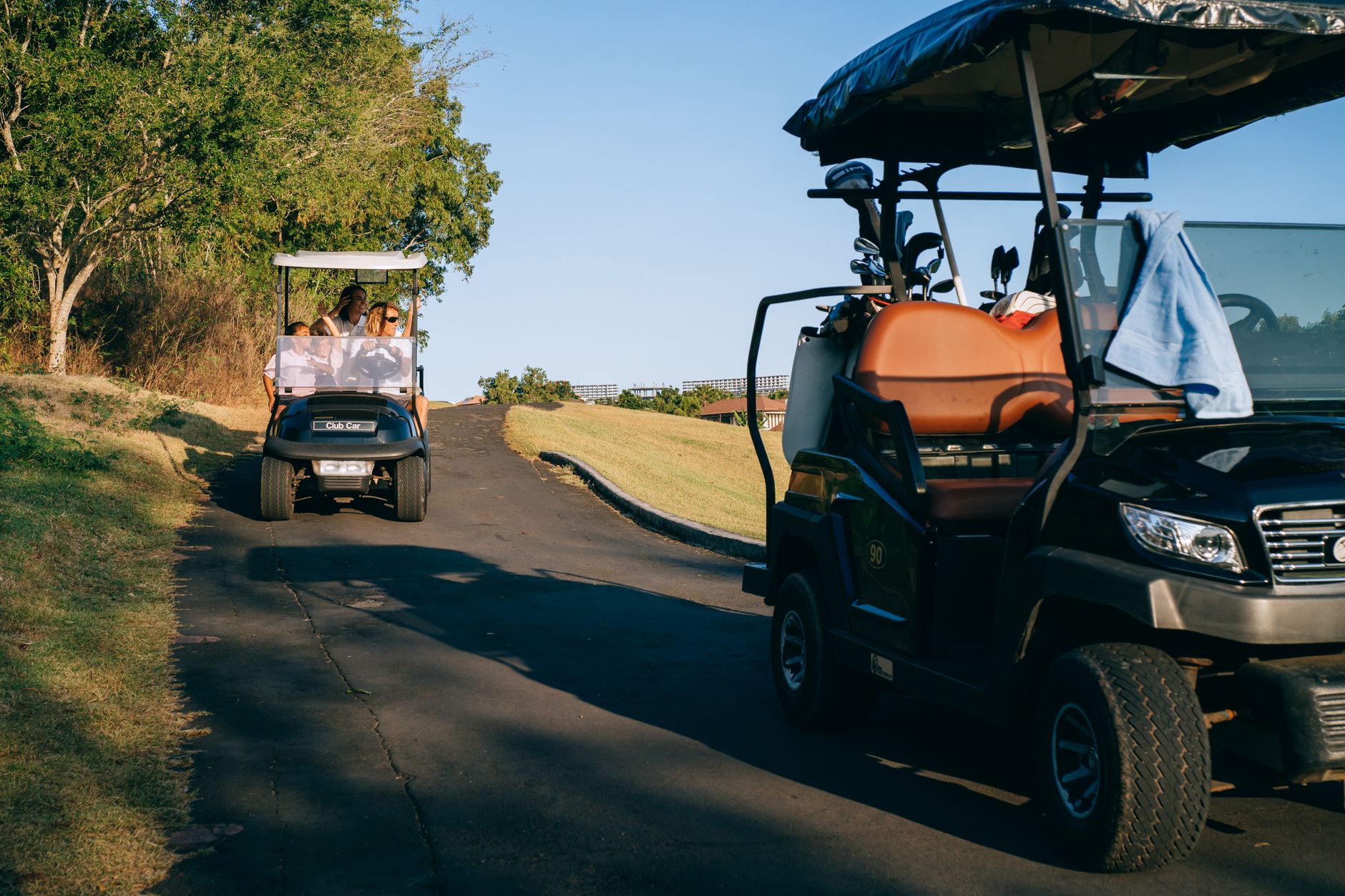
Think in corridors the maintenance team already drives: cart paths, service roads, and the back side of tee complexes. The USGA piece on autonomous mower homes recommends stations near paths so blade checks and software updates happen without trampling surround turf.
Visibility drives complaints faster than blade height. Low-profile shelters tucked behind restrooms, halfway houses, or native screening keep chargers out of normal lines of play while staying within a short walk for staff.
Night mowing changes sight lines but not service needs. Even when golfers only see clean rough, daytime visits for blades and firmware still need dry, level footing and room to work without compacting approaches.
- Path-adjacent pads with drainage away from playing surfaces
- Screening or berms where forward tees face the dock
- Clear retrieval routes that avoid crossing holes in play
- Space for a utility vehicle beside the charging pad
How do you power remote rough loops?
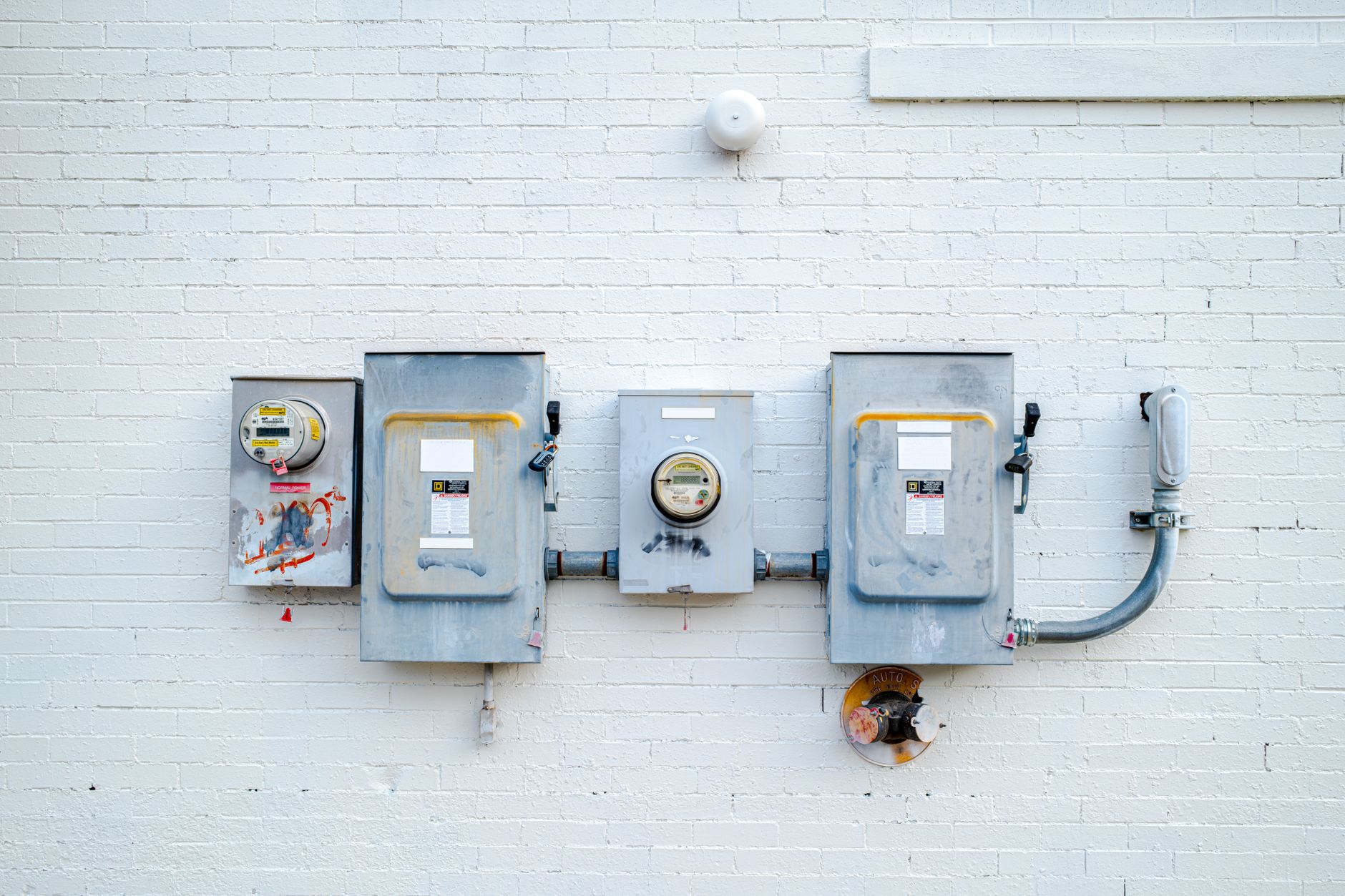
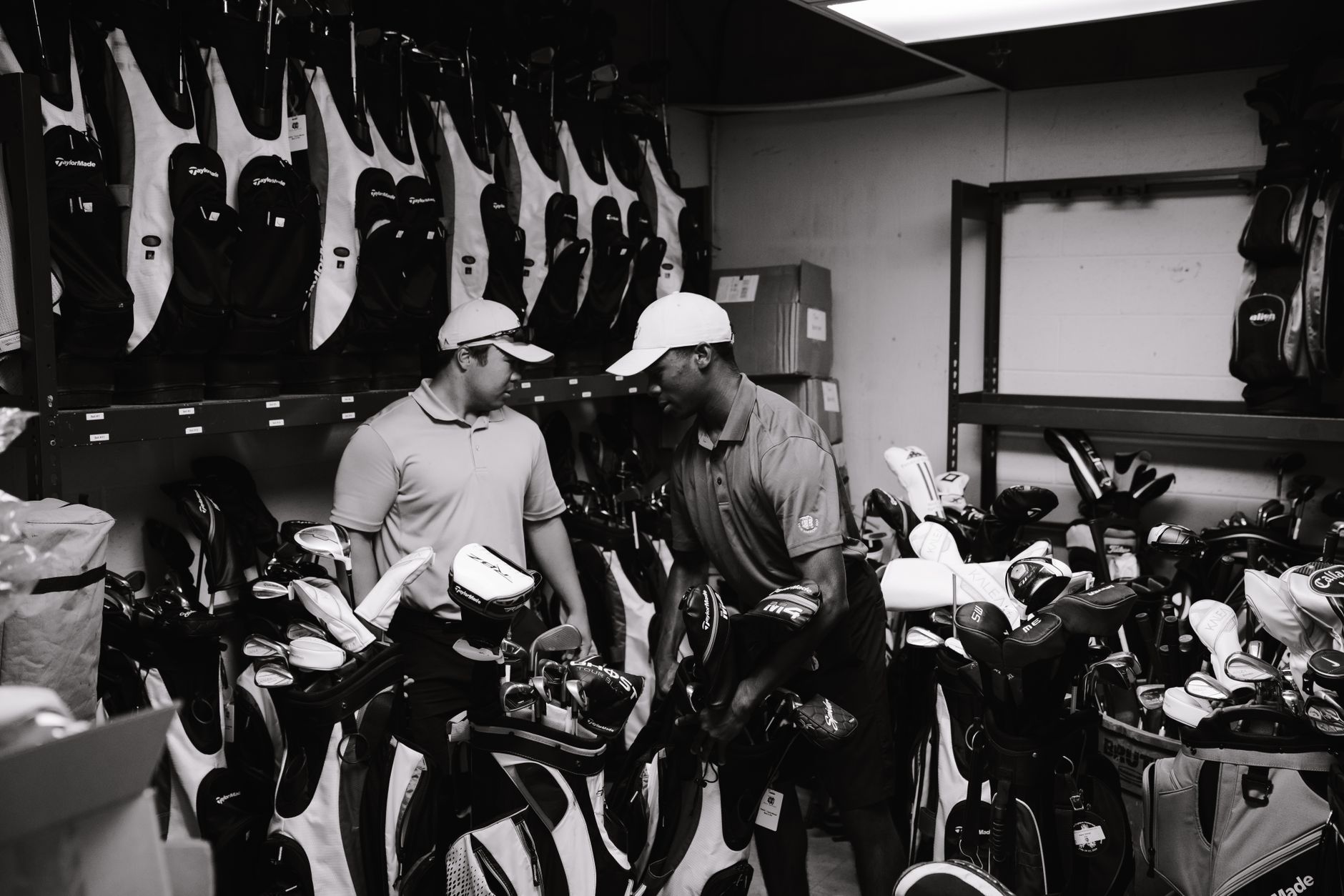
Autonomous rough mowers only free crew hours when they cut grass instead of hunting outlets. The USGA guidance notes that irrigation controllers, pump houses, cart barns, and practice buildings often host feeds that engineers can tap with proper planning.
In corners where trenching is slow, courses have extended low-voltage lines or added solar-assisted charging with battery storage, according to the same USGA reporting. Map feasible feeds before you promise coverage on the farthest nine.
If the back loop lacks a honest power path, either budget line extension or shrink the autonomous zone until power catches up. Half a program still works when docks respect real range limits.
What exclusion zones matter before you add units?
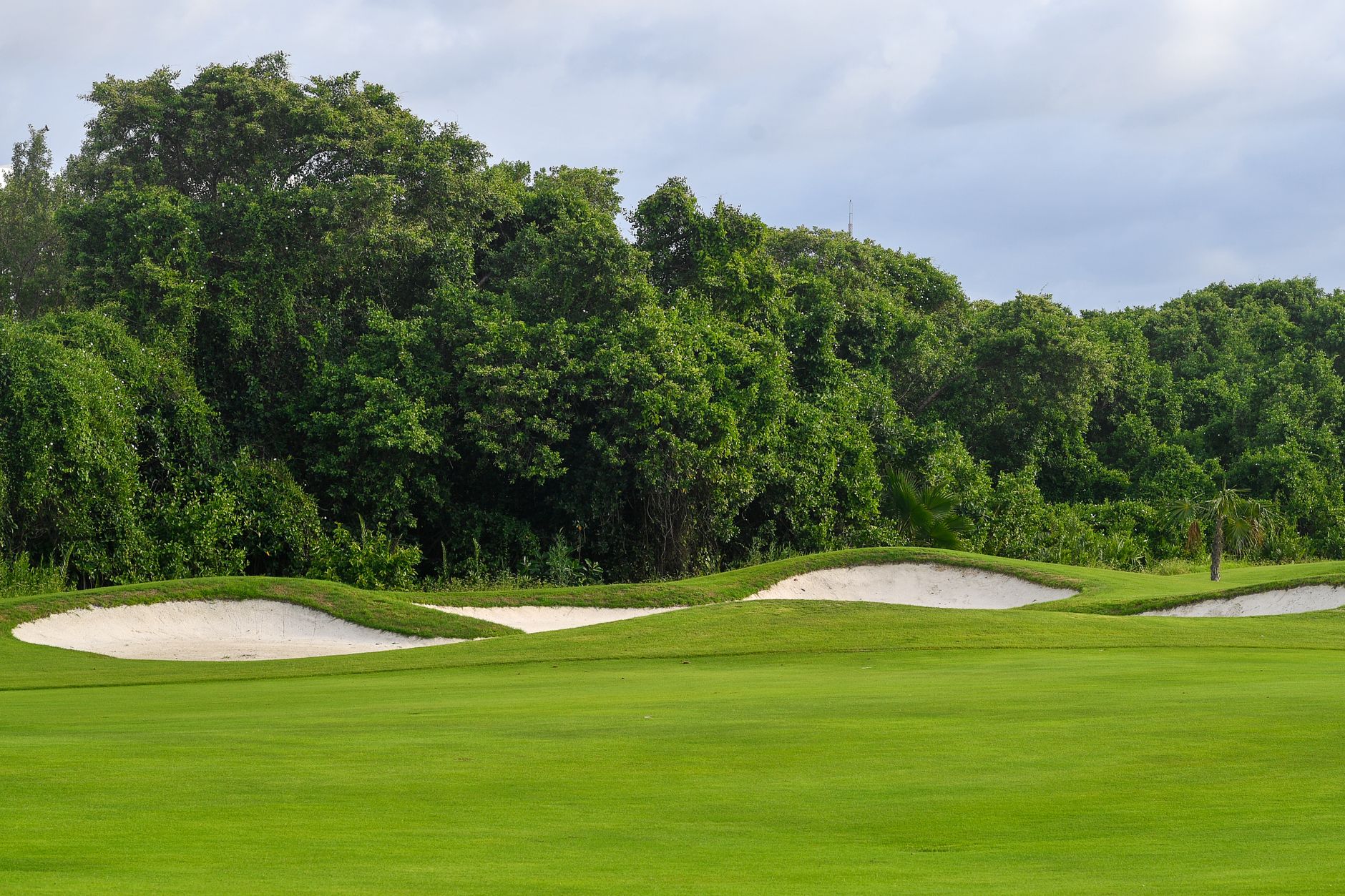
Rough panels still hold bunkers, trees, and sensitive native areas that mowers must miss every pass. Childress Hall in Texas documented permanent exclusion zones on fairways so autonomous units avoid bunkers and trees as fleets grew in 2025, according to FireFly Automatix.
Program exclusion zones in the same pass you map charging, not after concrete is poured. A dock placed inside a retrieval path can force manual overrides that erase the labor savings you expected.
Document keep-out areas the way you document pin sheets. Crew leads should know which holes pause autonomous runs during tournament setups or overseed windows.
How are courses phasing rough fleets in 2025 and 2026?
JC Golf introduced Kress autonomous mowers at multiple Southern California properties in 2025, including Encinitas Ranch, and corporate maintenance leadership said in 2026 that expansion would continue as teams learn the best fit by property. Superintendent Chris Hayman told JC Golf that more frequent cutting with less compaction improved turf quality at The Crossings at Carlsbad.
Thonock Park in Lincolnshire committed five Toro Turf Pro autonomous units to fairways and rough across 18 of 36 holes by September 2025, with managers scheduling overnight starts once play ended, according to the Golf Club Managers Association.
Phasing lets you train a backup operator, tune exclusion zones, and add docks only where retrieval paths proved safe through a full season.
What should superintendents ask before pads go in?
Ask whether the pad survives a two-inch rain without turning into a mud pit. Ask whether insurance and safety teams accept the power run you chose. Ask how a relief technician reboots a stuck dock when the primary mechanic is on vacation.
Walk the site with a phone camera from the forward tee on the three busiest holes. If you would not park a maintenance cart there during play, do not pour a permanent charger there.
Bring your irrigation as-built, path widths, and a typical weekly tee sheet to the planning meeting. Dock layout should respect agronomy and pace of play at the same time.
When does an integrator help with dock layout?
Service Robot Co. maps fairways and rough before a course buys or leases an autonomous mower, marks stay-out zones around greens, tees, and bunkers, and folds charger placement into that same walk. Power and path access decide whether the mowing map is realistic.
We finance, deploy, train staff, and service units under RoboCare through a nationwide network of regional service engineers, so superintendents are not juggling a mower vendor, an electrician, and a separate trainer.
A free site assessment is the right moment to argue about charger count and amperage, not after concrete cures. If you are doubling a rough fleet, revisit docks before you add machines.


