
Key takeaways
- Treat a rain delay like a new agronomy day, not a simple resume button.
- Walk fairways for debris and soft ground before you unlock robot routes.
- Align starters, rangers, and mechanics on the first post-storm window.
- Start with lighter passes and shorter polygons until turf firms up.
- Document holds in the mower log so night crews know what changed.
Storms change the fairway floor, not just the tee sheet
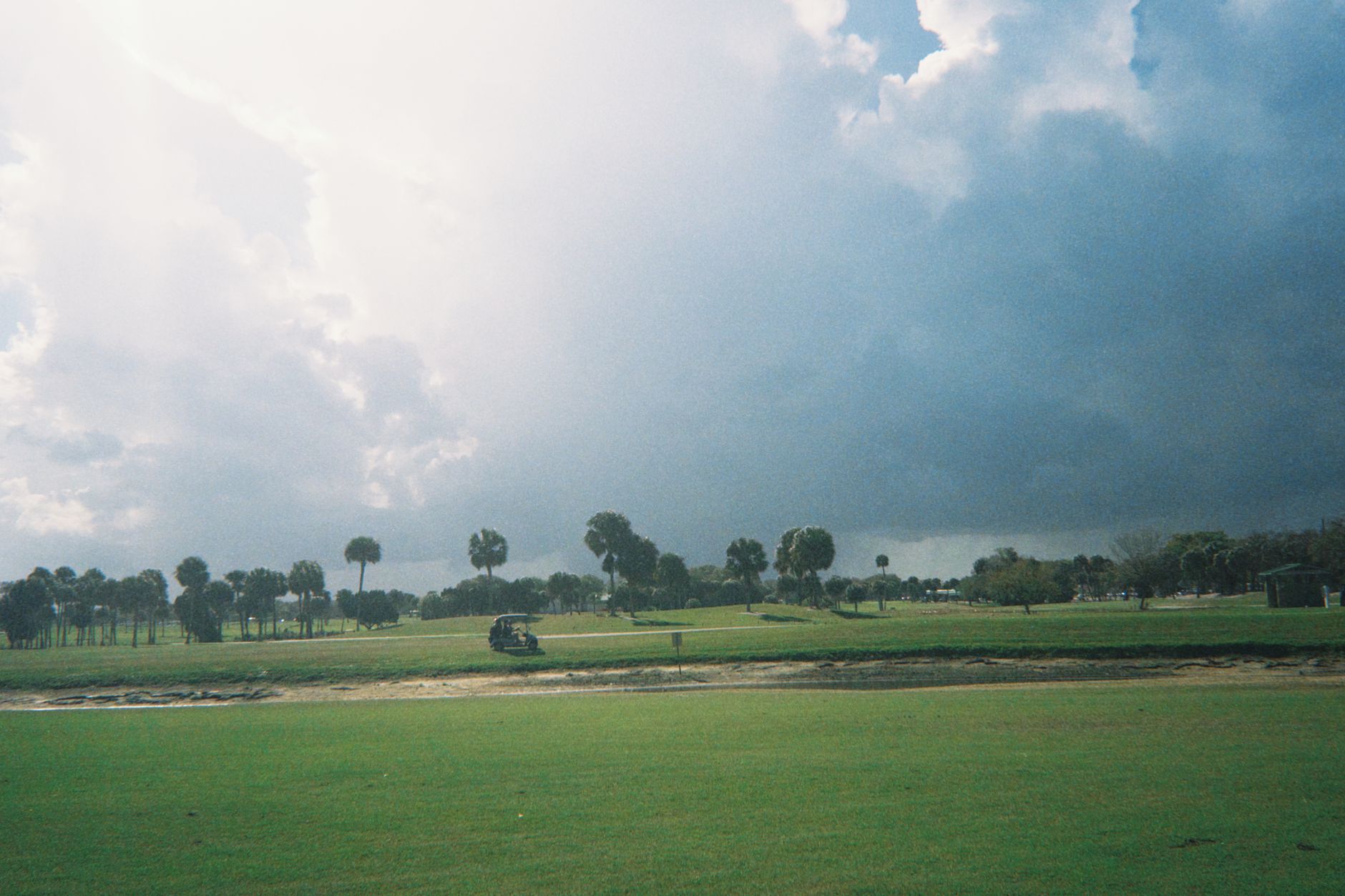
A passing front can leave fairways looking playable from the cart path while the soil underneath is still saturated. Ride-on crews feel that softness through the seat. Autonomous fairway mowers follow the last map you trusted, which is why a rain delay needs its own restart checklist instead of tapping resume.
Superintendents automate fairways and rough to pull operators off long straight passes and back onto cups, bunkers, tees, and guest-visible detail. That trade only holds when the robot runs on ground that is firm enough to support repetitive weight and tight turn geometry. A rushed restart can rut a panel, smear a collar, or bury a unit in a low spot that was not obvious at dawn.
This guide is for public, private, municipal, and resort courses that already map fairway polygons, keep-outs for greens and tees, and pause rules around play. It does not cover greens mowing. It focuses on what to verify after thunderstorms, tropical downpours, or long winter rains before the first autonomous cut.
Step one: read the weather you actually got
Rain totals from a airport twenty miles away rarely match what soaked your back nine. Note start and end times, lightning holds, and whether wind drove rain sideways into bunkers. If your irrigation system ran through the storm, add that to the mental ledger before you schedule any heavy equipment.
Check lightning and wind policies the same way you would for manual crews. Many programs keep autonomous units parked until storm cells clear the county, even if fairways look dry on top. Document the hold in whatever log your team uses for RoboCare alerts so the night shift does not assume a route is live.
- Record local rain start and end times, not just regional radar summaries.
- Confirm irrigation ran or stayed off during the event.
- Keep lightning holds aligned with human crew rules.
- Note wind direction if bunkers washed or trees shed limbs onto fairways.
Walk fairways before you unlock maps
Send a mechanic or assistant superintendent down the middle of each fairway polygon on foot or with a utility vehicle at low speed. You are looking for standing water, silt lines, exposed roots, and sand washed from bunkers into playing lines. Mark those spots with paint or flags even if you plan to hand mow them later.
Compare what you see to your digital keep-outs. A washout can shift a hazard edge without updating GIS. If a low panel collected water overnight, shrink the polygon in software before the robot enters. It is faster to edit a map than to winch a unit out of a swale.
Cart traffic patterns change after storms because players avoid wet lies. That informal routing can leave unexpected compaction or bare strips. Note them for agronomy even if they sit outside the robot path.
Soil moisture beats calendar pride
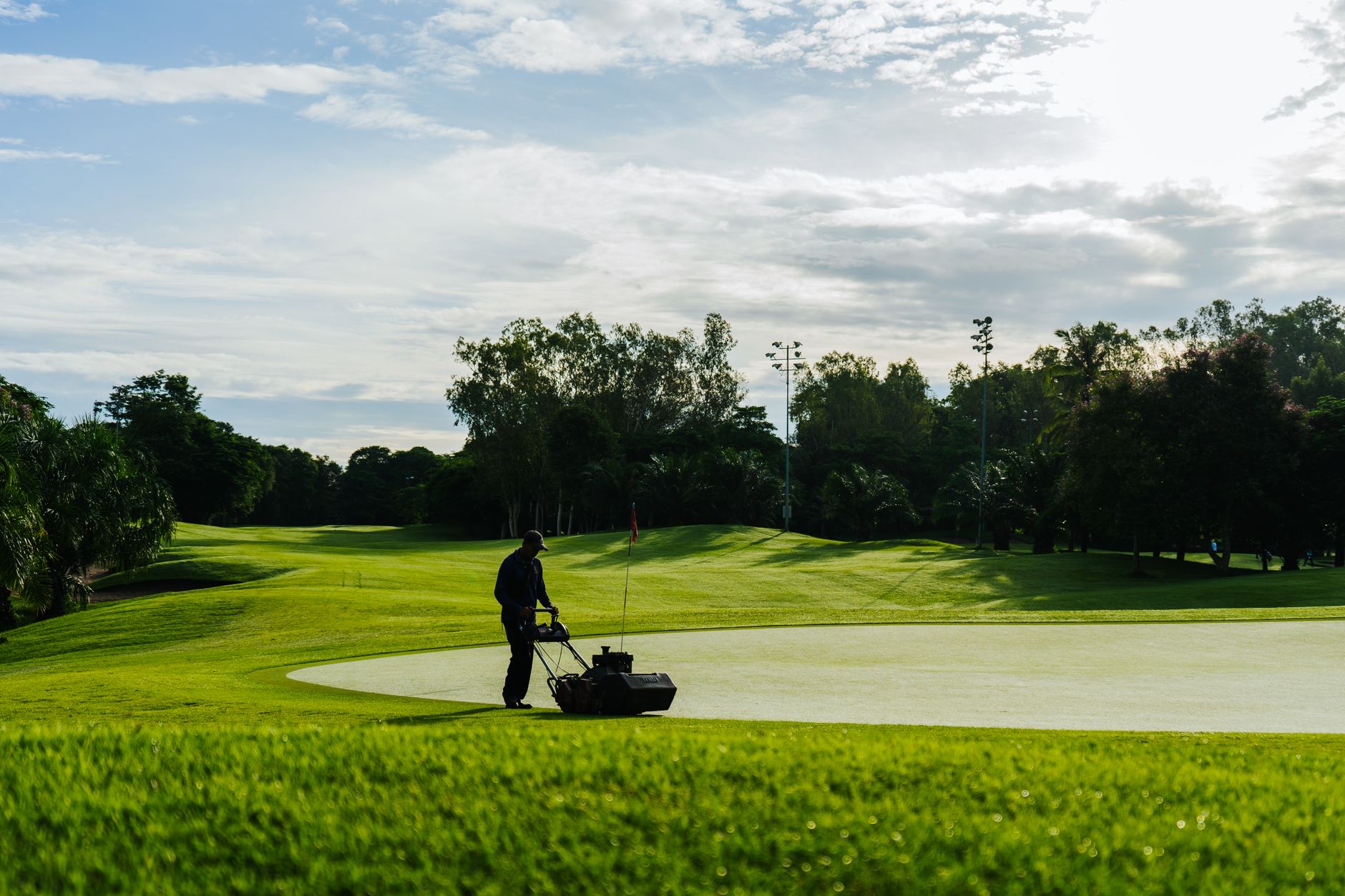
Courses with soil probes or handheld meters have an objective call on when to roll heavy gear. If you rely on the screwdriver test or shoe imprint depth, use the same standard for robots that you use for triplexes on fairways. Soft ground that would keep a superintendent off a fairway should keep an autonomous mower off that polygon too.
Warm-season turf in summer can firm up in a few hours of sun and breeze. Cool-season programs in spring may need a full day for internal drainage. Either way, split your restart into zones. Let the sun hit south-facing fairways first while north-facing panels stay on hold.
Height-of-cut goals can wait one day. A slightly taller fairway after a storm beats deep ruts that take weeks to heal. You can return to target heights once moisture charts level out.
Debris is a blade and sensor problem
Small branches, bunker rake heads, and broken range balls hide in clippings after a storm. Autonomous mowers depend on clear lidar or camera views and clean decks. Schedule a quick blow or hand pick on each fairway centerline before the first robotic pass, even if you normally skip that on dry weeks.
If trees shed heavily, treat the fairway like a post-event cleanup day. Crews can prioritize chipper routes while robots stay parked. Security cameras or a quick drone pass can help spot large limbs in rough that might push into fairways overnight.
Sand and silt change traction. A thin layer of bunker wash on a downslope can slide a heavy unit sideways. Hand broom or blower time on those strips is cheaper than deck damage.
Coordinate with starters and the shop

Starters need to know if fairways are firm enough for carts and robots at the same time. A delayed cart rule but live robot route can confuse rangers who assume all fairway traffic is paused. Post the plan on the same board you use for frost delays.
Mechanics should verify charging pads and boundary wires if water flowed across paths. Corrosion and shifted dock plates show up after big rains. Run a slow manual loop in a parking lot or range tee before you send the mower into a wet fairway panel.
If you lease or finance the mower through Service Robot Co., RoboCare triage can log the weather hold and any sensor errors from humidity spikes. That paper trail helps when you debate whether a deck issue started with the storm or earlier wear.
First autonomous pass after the storm
When agronomy clears a zone, restart with slower travel speeds and wider turn buffers if your software allows it. Shorten the first shift so the unit returns to charge before afternoon heat builds on stressed turf. Watch the first lap in person if possible.
Keep humans on collars, approaches, and bunker lips that morning. Robots should not chase tight edges until you confirm sand is stable and lips are firm. Many superintendents run a hand mow strip along hazards the first day back.
Log the restart in your maintenance record with moisture notes and any map edits. Next season you will know which holes always hold water and can preset smaller polygons before storm season.
When to wait another day
If puddles return an hour after sunrise, internal drainage is still working. Waiting beats rutting. Member complaints about tall fairways for one day are easier to manage than cart-path-only play while you repair tracks.
Tournament weeks add pressure but should not override soil science. If a qualifier is Saturday, use Friday morning for hand cuts on visible holes and keep robots on drier practice areas until panels firm up.
Repeat storms in a week mean you live inside this checklist for days. That is normal in coastal and summer thunder markets. Batch map edits and crew briefings so each restart feels routine rather than chaotic.


