
Key takeaways
- Relay Robotics announced two delivery robots, Dash and Daisy, at HCA Florida JFK Hospital in Atlantis on September 30, 2026.
- The units move lab specimens, pharmacy orders, telemetry gear, and medications in areas without pneumatic tubes.
- Relay cites integration with elevators, secure doors, fire systems, and hospital IT without major construction.
- Typical hospital deployments run about 8 to 12 weeks including mapping and training, with 1 to 2 weeks onsite.
- Florida clinics and resorts can pair delivery loops with overnight scrubbers when one integrator owns both workflows.
What did HCA Florida JFK Hospital deploy?
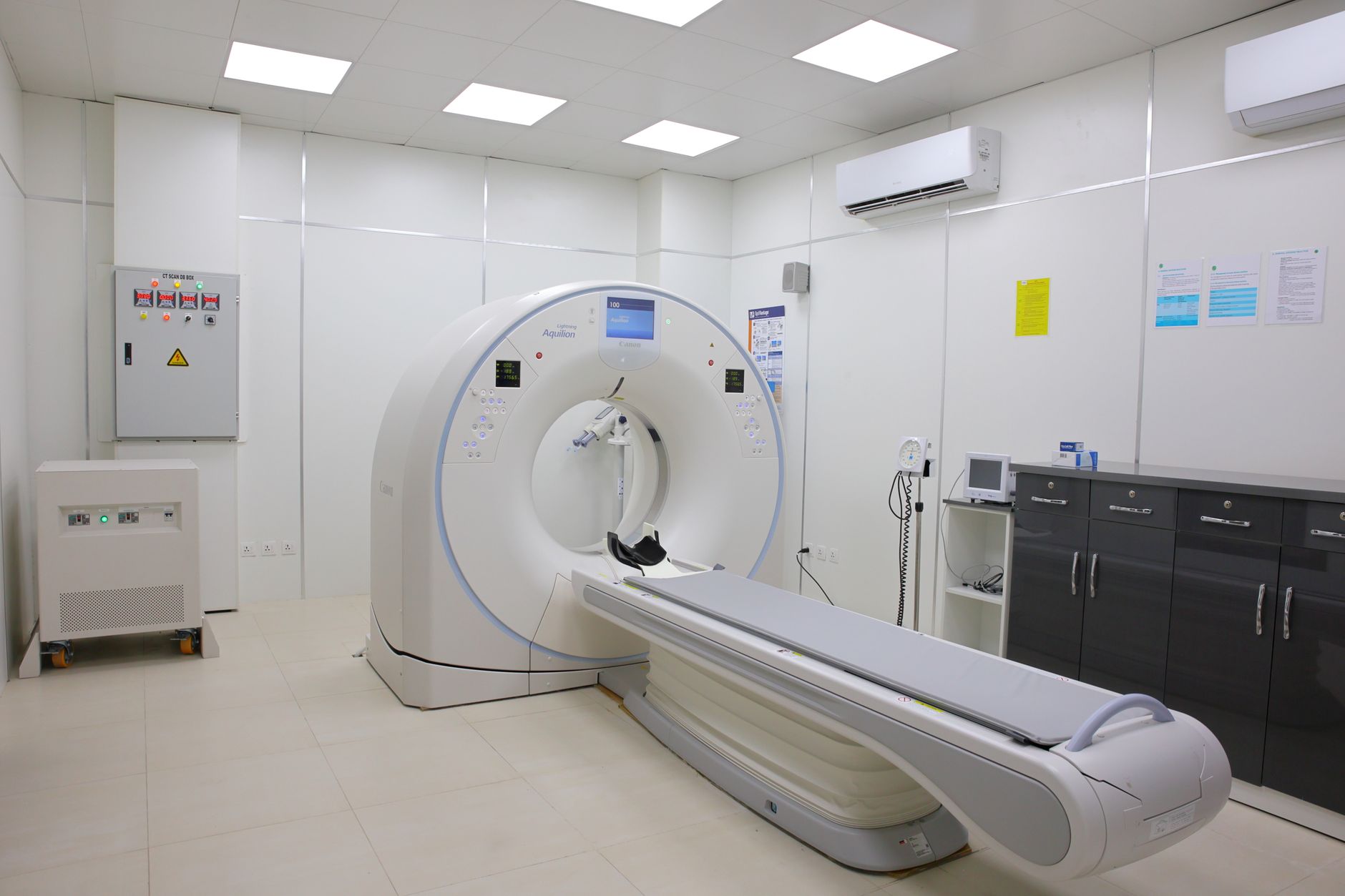
On September 30, 2026, Relay Robotics announced that HCA Florida JFK Hospital in Atlantis, Florida began operating two autonomous delivery robots named Dash and Daisy. The press release positions the project as proof that delivery bots can live inside a full acute-care hospital, not only in a demo hallway.
Atlantis sits in Palm Beach County, south of the Pinellas and Tampa Bay markets, but the operational lessons travel. Any Florida facility that mixes clinical units, public corridors, and 24/7 logistics faces the same question: who walks the specimen or pharmacy tote when the nurse cannot leave the floor.
Relay frames the robots as support for existing staff, not a headcount swap. That framing matters for union conversations and for patient-facing teams who already juggle call lights and family questions.
Which deliveries do Dash and Daisy handle?
According to Relay's September 2026 announcement, the robots carry lab specimens from clinical areas to the laboratory, pharmacy orders to designated departments, and telemetry or monitoring equipment between units. They also cover medication and lab material transport where pneumatic tubes do not reach.
Pneumatic tube gaps are common in older wings or outpatient pavilions. A mobile carrier closes those gaps without pouring concrete for new tube runs.
Emergency departments depend on fast specimen and supply movement. Relay's FAQ notes that robots can assist with those point-to-point trips so clinicians keep eyes on patients instead of hallways.
Resorts and large medical office buildings rarely have tubes at all. They still benefit from the same compartment-and-destination workflow when linens, vaccines, or lab kits must cross a skybridge.
Why is hospital integration harder than mapping a floor?
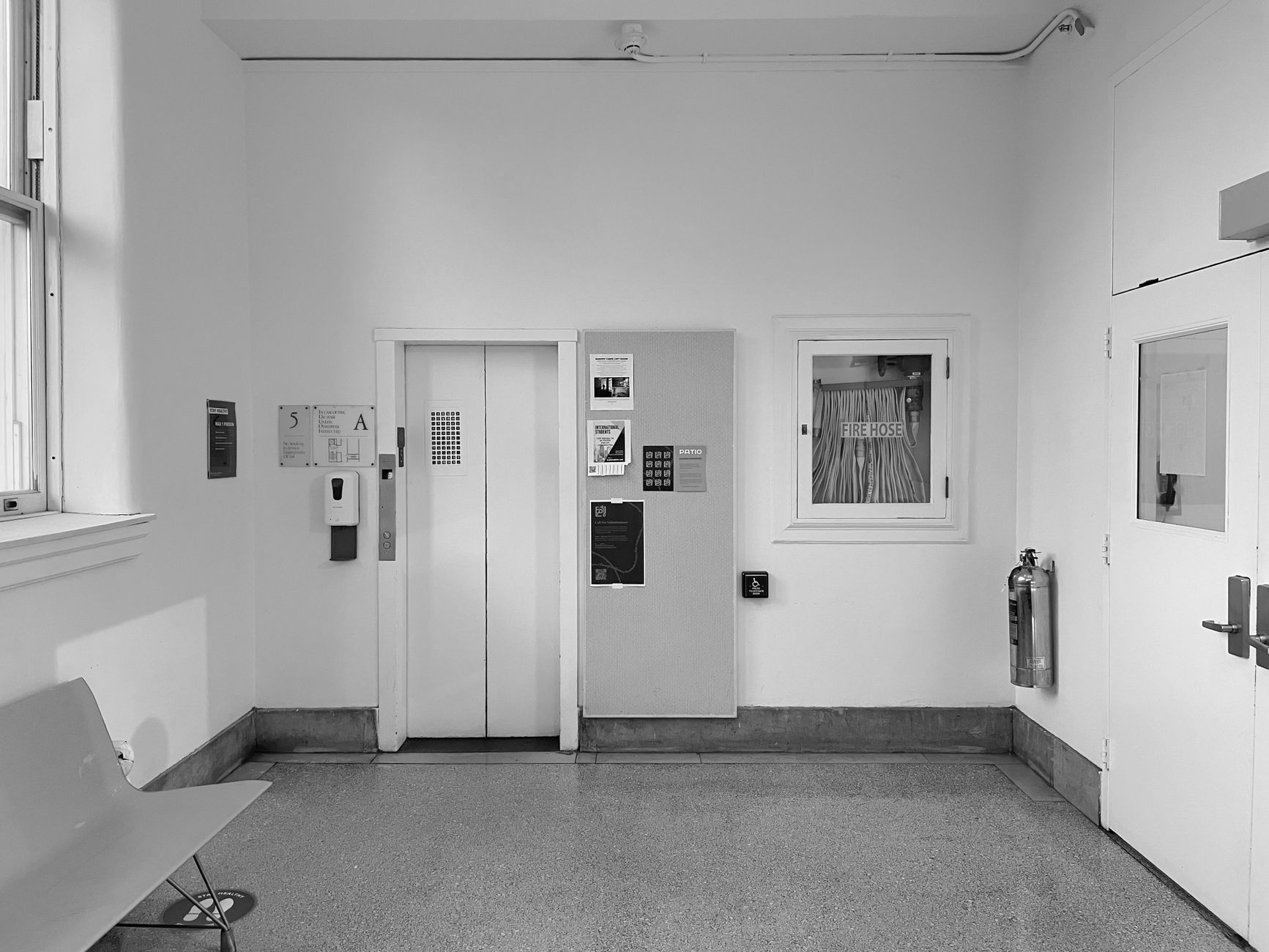
Relay emphasizes that robots must cooperate with elevators, secure badge doors, fire and life-safety systems, and hospital IT. CEO Sultan Mehrabi said in the September 2026 release that coordinating all of those systems at once is difficult, and that success in a large health system is the validation his company wants.
That is the gap between a warehouse AMR pilot and a hospital go-live. A scrubber might need only a charger and a route map. A delivery bot needs the elevator to hold, the door to unlock, and the fire panel to stay happy.
Relay reports infrastructure-light deployment without physical tracks. The work still spans technology partners and facilities teams, which is why timelines stretch across weeks, not days.
Florida hurricane season adds another layer. Facilities leaders should document which integrations must shut down during generator tests or evacuation drills so robots do not block egress routes.
How long does a Relay hospital rollout take?
Relay's public FAQ states that a typical hospital deployment, including integration hardware, floor mapping, and staff training, takes approximately 8 to 12 weeks, with onsite installation generally lasting 1 to 2 weeks.
Budget that window before you promise clinical directors a go-live date. Mapping during live operations is slower than mapping an empty warehouse aisle.
Training authorized loaders and receivers is part of the calendar. If only one shift knows how to open the secure compartment, night lab draws will sit idle while the robot waits.
Compare that schedule to autonomous scrubber pilots, which often start with a single overnight route in a defined zone. Many Florida sites run scrubbers first because the integration surface is smaller, then add delivery once staff trust the navigation stack.
What reliability claims does Relay publish?
Relay states its robots maintain more than 99 percent delivery reliability and cites a 99.8 percent delivery success rate across more than 30 major U.S. hospitals as of its September 2026 materials.
The company also says a hospital environment can exceed 1,000 deliveries per month per site and that more than 1.5 million deliveries have completed worldwide across its fleet history.
Treat those figures as vendor-reported benchmarks, not your guarantee. Your pilot should log success, abort, and handoff times from week one.
Pair delivery metrics with infection-control checks. Relay highlights contact-free operation and easy-to-sanitize surfaces, which infection prevention teams will want in writing before pharmacy loads controlled substances.
- Log each trip type separately: specimen, pharmacy, equipment.
- Record elevator wait time as its own column, not buried in route duration.
- Track how often staff override or cancel a mission mid-route.
- Review sanitizer compatibility with plastics on compartment latches weekly during month one.
How do delivery robots differ from floor scrubbers on the same campus?
Delivery robots optimize for secured payloads and multi-floor IT handshakes. Autonomous scrubbers optimize for water recovery, dock drainage, and repeated coverage of the same square footage.
A Florida hospital might run scrubbers on lobbies and connector corridors while delivery bots serve clinical wings. The workloads do not compete for the same aisle width if you schedule scrubbing overnight and deliveries during steady-state hours.
Casino and resort operators already mix both categories after pilots like Mohegan Sun's 2026 expansion of Cenobot sweepers and scrubbers reported in Connecticut trade press. Hospitals simply add specimen chain-of-custody rules on top.
If you lease or buy through one financing package, align service windows so a scrubber deep clean does not trap a delivery bot behind wet floor tape.

What should smaller Florida clinics copy without copying Atlantis scale?
You may not need two robots on day one. Start with the highest-friction route: pharmacy to a wing without tube service, or lab to a busy outpatient draw station.
Copy Relay's emphasis on authorized users and lockable compartments. Chain-of-custody paperwork should name who loads, who receives, and what happens if the robot stops between floors.
Medical office parks along the Gulf coast can test amenity delivery between buildings before they touch inpatient workflows. The navigation and elevator skills transfer upward.
Document salt-air and humidity effects on charger contacts if robots pause in semi-open connectors between buildings. Belleair Bluffs operators know how quickly coastal moisture finds electronics.
Where does a vendor-neutral integrator fit?
Relay builds and integrates its own delivery platform. Your site may also need Gausium or Pudu scrubbers, a patrol unit for parking courts, or an AMR in a loading dock.
Service Robot Co. selects robots across manufacturers, structures purchase or lease financing, maps facilities, trains staff, and supports fleets through RoboCare with a nationwide network of regional service engineers.
HCA Florida JFK's announcement names Relay and the hospital. It does not name Service Robot Co. We help other operators evaluate whether a Relay-class delivery bot, a scrubber fleet, or both belong in the same capital plan without locking you to a single OEM for every job.
What should you measure in the first 90 days?
Compare median trip time against the manual baseline your nurses or runners reported during discovery. Relay's value case lives in minutes returned to patient care.
Count how many trips fail because of elevator priority conflicts. Those failures are facilities issues, not robot bugs, and they need a building manager sponsor.
Survey clinical staff on whether they trust the compartment seal and the destination notification. Low trust shows up as shadow running, where people walk alongside the robot and defeat the labor savings.
If you also run autonomous scrubbers, chart wet-floor incidents near delivery paths. Separation beats speed when both machines share a concourse.
After 90 days, decide whether to add a second route or a second robot. Relay's Atlantis deployment started with two named units; your growth plan should follow data, not press release cadence.
Frequently asked questions
Sources
Service Robot Co. is not affiliated with, sponsored by, or endorsed by the companies mentioned in this article.