Key takeaways
- Match higher payments to your busiest months, not the calendar year.
- Total financing cost still matters when invoices pause in the off season.
- Minimum terms and idle storage rules can surprise resort and school buyers.
- Maintenance included does not always pause when payments do.
- Early termination fees hit hardest when revenue drops before the term ends.
Why align robot payments with your revenue curve?
Ski lodges, beach hotels, fairgrounds, and campus operators do not earn evenly across twelve months. Robot leasing for business should follow that same pulse instead of a flat monthly invoice that peaks when cash is thin.
The direct answer: a seasonal payment schedule raises installments during high revenue months and lowers or pauses them when doors are quiet, while you still plan for total financing cost, minimum term length, storage rules, maintenance duties, and early termination risk.
Done well, robot rental monthly math tracks occupancy and event calendars. Done poorly, you save a little in January and pay penalties in March.
How do seasonal tiers differ from standard leases?
A flat commercial cleaning robot rental bills the same amount whether your lot is empty or packed. Seasonal tiers name peak, shoulder, and off periods in the contract and attach different payment amounts to each.
Some programs use true zero payments in closure months with maintenance billed separately. Others reduce but do not eliminate charges. Read which bucket applies to insurance, software seats, and remote monitoring.
Robot as a service subscriptions marketed as no upfront capital can still carry annual minimums. Seasonal wording in marketing must match the payment table in the lease body.

What drives total financing cost?
Lower off season payments feel like savings, but interest and fees may continue on the full principal. Compare the sum of all scheduled payments plus buyout options to a straight monthly lease of the same term.
Lease purchase program quotes should show both seasonal and flat alternatives side by side. Finance teams need that view before operations picks hardware.
Tax and accounting treatment may still recognize expense in off months even when cash outflow pauses. Confirm with your advisor; this article stays on operating mechanics.
Spreadsheets that only sum peak months will understate what you owe across a full contract cycle.
What minimum terms should you negotiate?
Lenders often require a minimum number of paid months or a minimum total paid to cover deployment cost. A six month ski season may still sit inside a thirty six month obligation.
Month to month robot lease offers rarely pair with deep seasonal discounts. Expect a term commitment in exchange for flexible payment shape.
Renewal clauses can reset seasonal tables. Mark review dates before auto renewal kicks in at flat rates.
What happens in storage months?
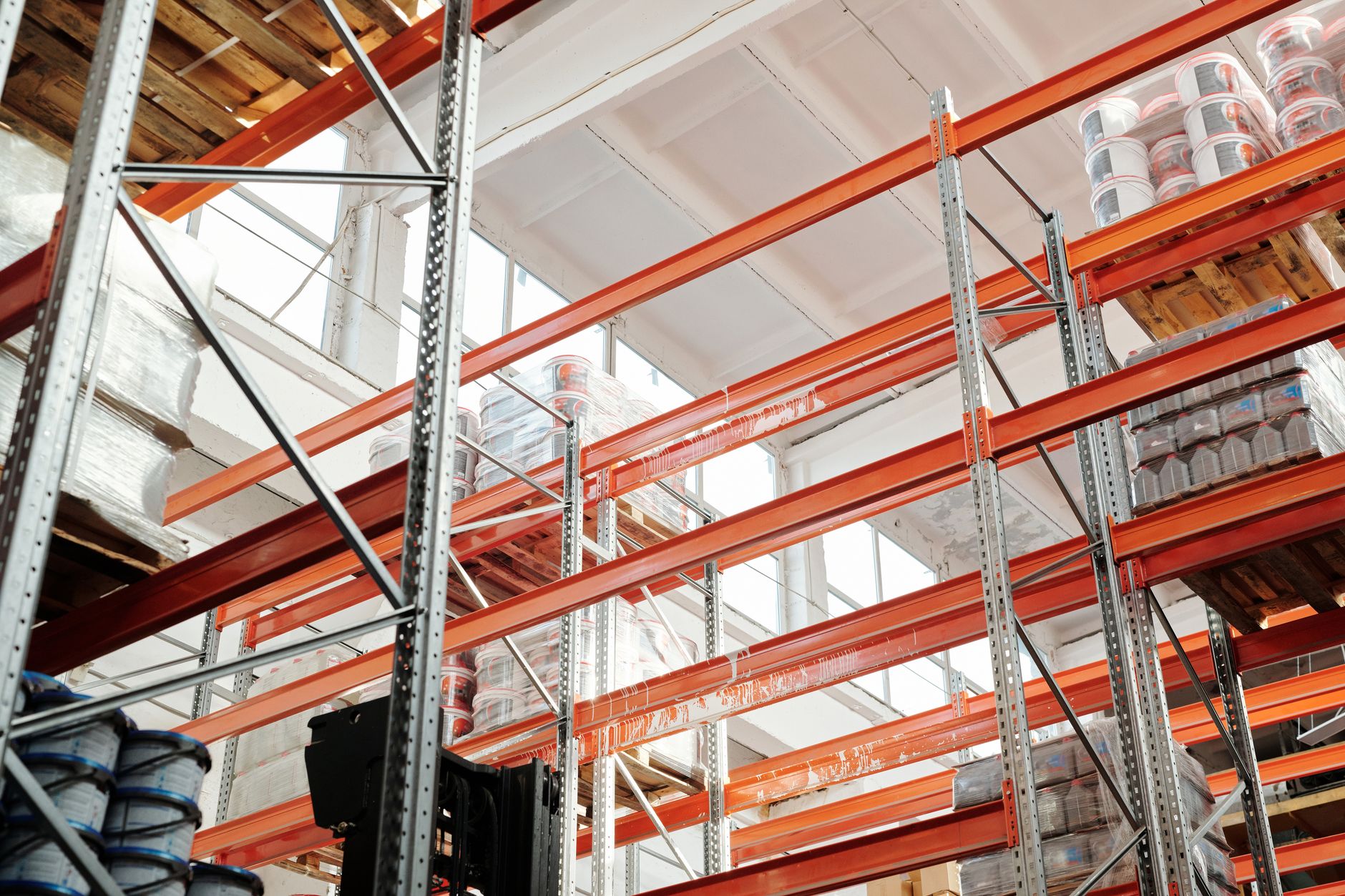
Off season storage still ages batteries and firmware. Contracts may require periodic exercise runs, climate controlled space, or integrator check ins even when payments pause.
Drain tanks and clean pads before idle months. Neglect clauses can void warranty coverage when spring startup fails.
If units return to the lessor during closure, budget pickup, remapping, and recommissioning before the next peak.
Do maintenance obligations pause with payments?
Maintenance included plans sometimes bill a reduced flat fee year round to keep dispatch and parts pools active. Others tie service to operating months only.
Remote triage may stay available while on site visits are deferred. Know which failures qualify for emergency response when the building is closed.
Consumables like pads and filters may ship on a calendar schedule regardless of use. Stock them before peak even if invoices are quiet.
What early termination risk should you model?
Closing a site early or switching vendors mid term can trigger remaining payment acceleration. Seasonal structures do not always reduce exit penalties.
If revenue misses forecasts, you may owe peak season rates as catch up. Model a bad year, not only an average one.
Transfer rights to a new operator or location vary. Seasonal lessees need assignment language before they sell or rebrand.

Who benefits most from seasonal schedules?
Operators with predictable open and close dates gain the most: resorts, outdoor venues, schools, and seasonal manufacturing lines. Irregular revenue still fits if you define shoulder months honestly.
Professional service robot demand continues to climb globally, with IFR reporting more than 205,000 professional units registered in 2023. More seasonal operators are entering that market as labor spikes align with guest spikes.
Robot financing for small business often starts with one scrubber or patrol unit. Seasonal tables let that first unit match a single wing or lot before you expand.
What should the RFP ask?
Force vendors to show month by month cash outflow for at least two years, including maintenance, insurance, and software.
Ask how spring recommissioning is priced when payments were zero all winter.
Require clarity on buyout and return conditions at each season boundary.
- Peak versus off payment amounts by month.
- Minimum paid months and total paid floor.
- Storage and battery care requirements.
- Maintenance billing when robots are idle.
- Early termination and catch up formulas.
- Remap and recommission fees before peak.
Where does Service Robot Co. fit seasonal leasing?
We structure vendor neutral leases and service plans around real operating calendars for resorts, campuses, and venues. Financing, deployment, training, and nationwide field support sit on one contract so seasonal payment tables align with the same partner that maps your floors.
A free site assessment can tie payment tiers to your actual open dates before you sign. The goal is cash flow that matches revenue, not a pretty chart that ignores spring startup work.