Key takeaways
- Robots can own the repeatable visual and thermal walk, but the code-required duties stay with trained people.
- NFPA 110, as quoted by a compliance vendor, requires weekly inspection and a monthly load exercise, and a weekly inspection does not require running the generator.
- Keep every robot route outside arc flash restricted boundaries, and take those boundaries from your own arc flash study.
- Records need the inspector's name, date, unsatisfactory conditions and corrective actions, even when a robot collected the data.
- Route every unsatisfactory finding to a named owner the same shift it is found.
Can robots take over generator and switchgear rounds?
Yes, for the repeatable part of the round. A robot can walk the same route at the same hour, photograph gauges and panels, and take thermal readings that a passing technician might miss. It cannot stand in for the weekly inspection by a person, the monthly load exercise, or the competent staff who sign the record.
For a hospital facilities team, the job is to split the work cleanly. Robots handle the visual and thermal walk, while people keep the code-required duties and the decisions. Getting that split right is what makes the program defensible when a survey team asks for proof.
What do NFPA 110 and NFPA 99 require the round to cover?
According to MGI EPSS, a compliance vendor quoting NFPA 110 section 8.4.1, the emergency power supply system, including all appurtenant components, must be inspected weekly and exercised under load at least monthly. The annex note adds that a weekly inspection does not require running the generator, and running it unloaded can cause wet stacking.
The weekly scope, as NFPA describes it in a guide from Site Clara, covers trouble signals on the generator controller, oil or coolant leaks, damage to starting batteries, room temperature, and any damage that could affect operation. The same NFPA overview states that battery failure is the most common cause of generator failure. That makes the starting battery bank the first asset a robot route should check closely.
Under 42 CFR 482.15(e)(2), a hospital must implement the emergency power system inspection, testing and maintenance requirements of NFPA 110 and related codes, according to Site Clara. Your round is one part of that program, not a substitute for the whole of it.
How do you design the route for these two rooms?
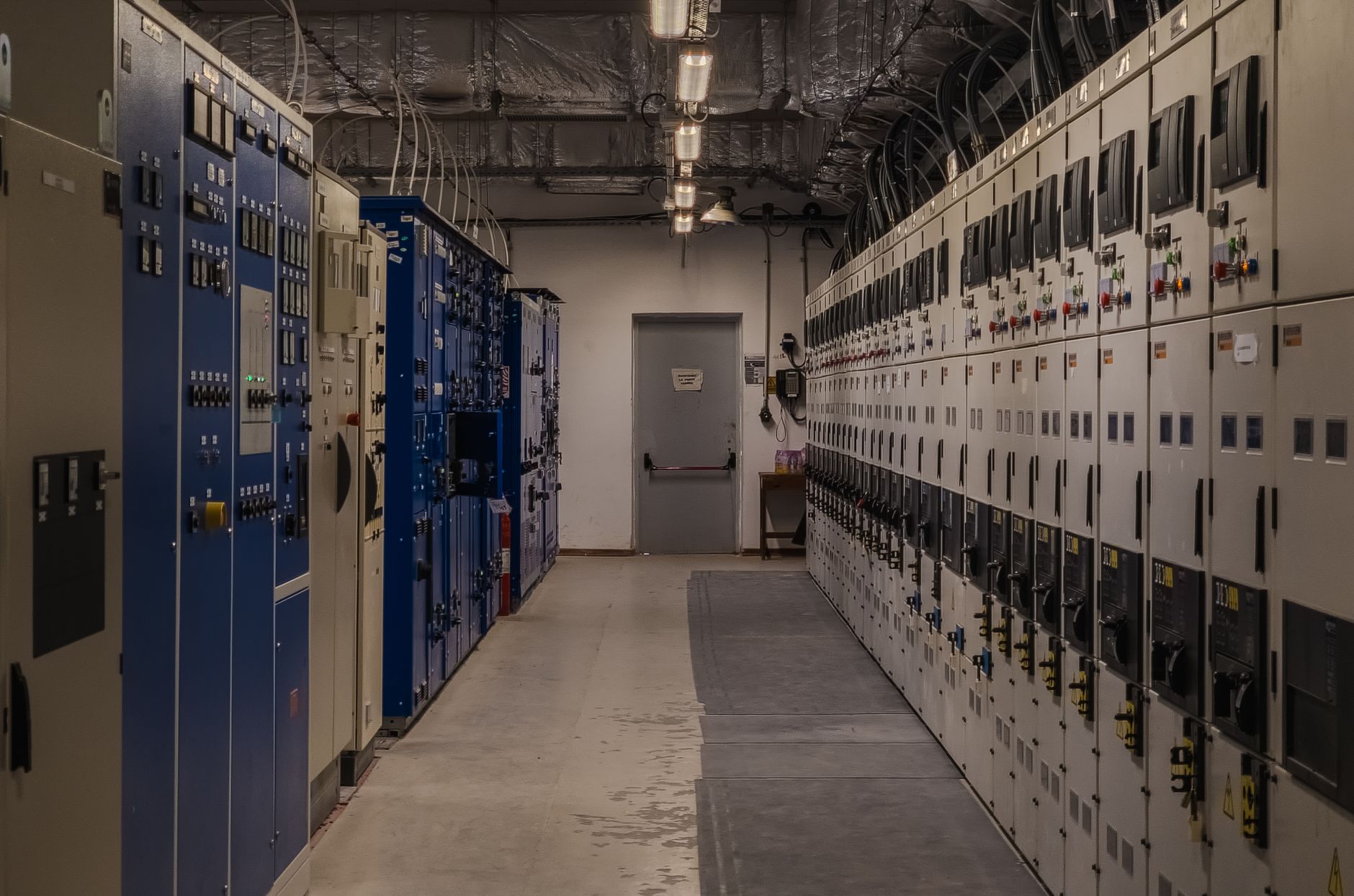
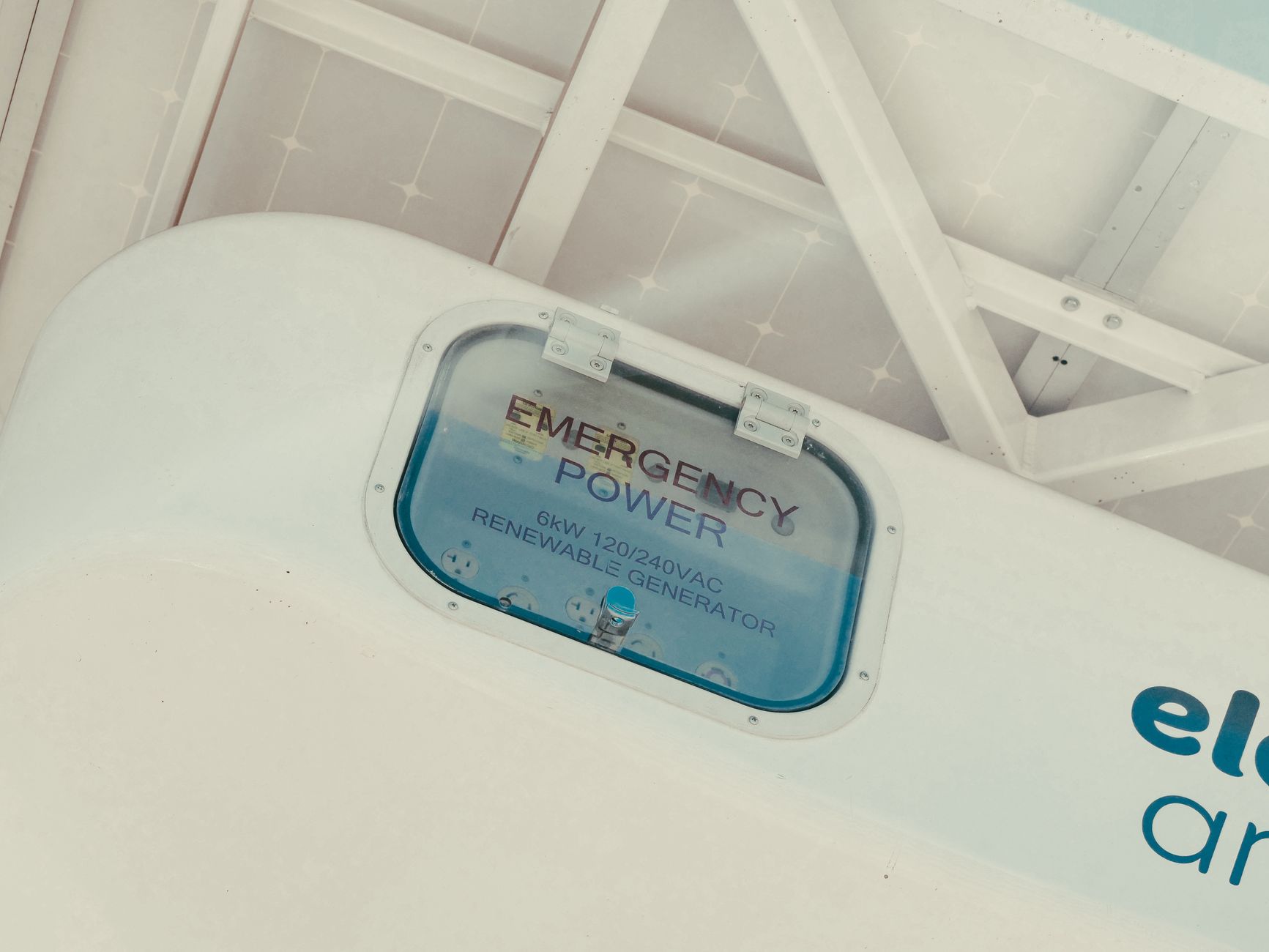
Build the route as a set of stations, not as open-floor wandering. In the generator room, each stop targets one inspection item: the controller display, the fuel and coolant areas, the starting battery bank, and a room temperature reading. In the switchgear room, stops frame panel faces and bus-connection areas from positions the robot can hold outside any restricted boundary.
Autowalk, the route feature on Boston Dynamics Spot, works this way: an operator drives the route once, tags the sensor actions at each stop, and Spot repeats it, according to Actel Robotics, an integrator. Run the first pass with facility staff present, then compare the robot's stop positions against the room drawings before the first live walk.
Schedule robot passes away from the weekly test and from any planned switching, so the robot is not moving through the room during live work. Use the same route and camera angles every week. Only then does a change in a thermal reading mean something.
What access rules keep people and robots out of harm's way?
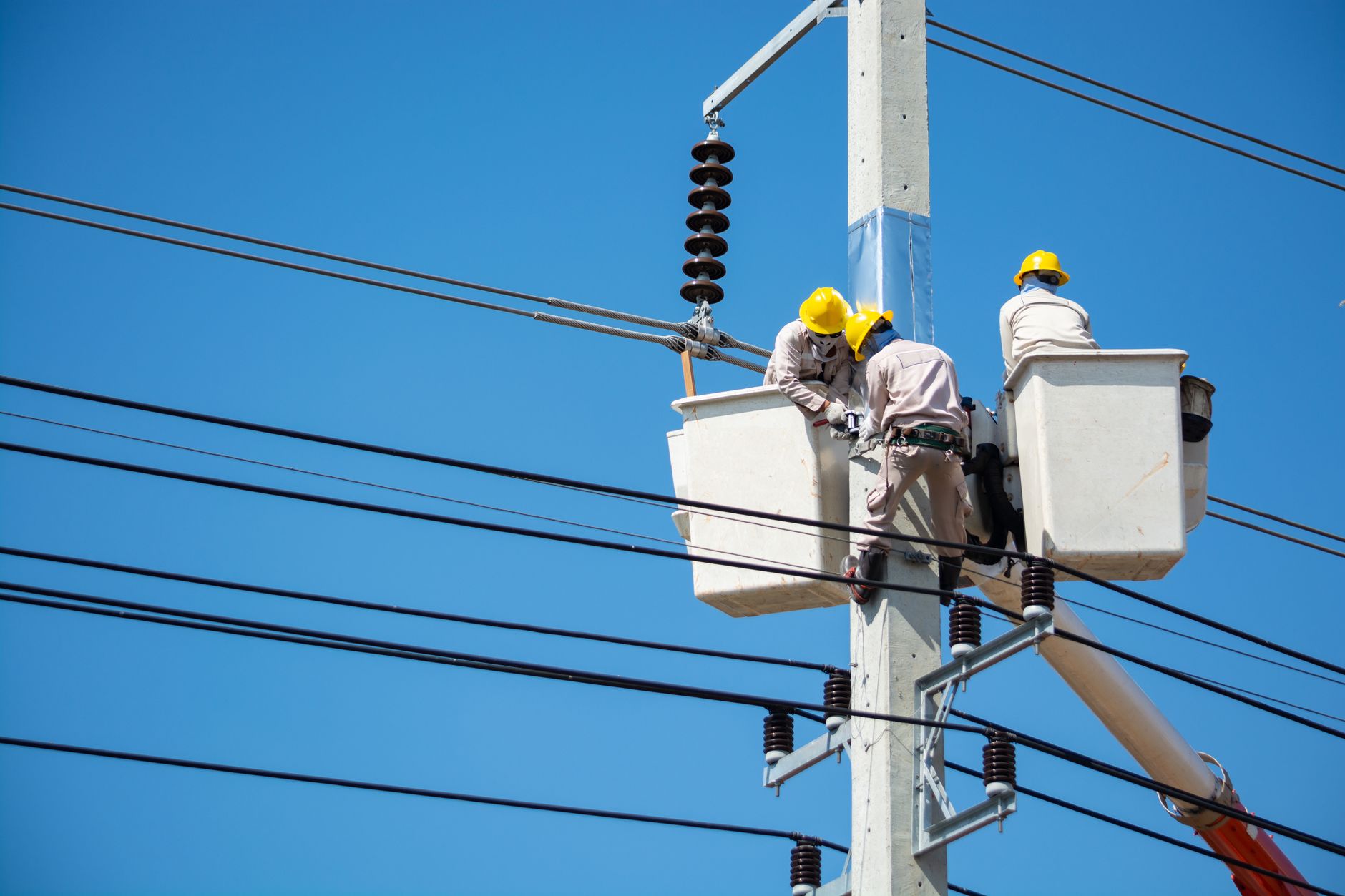
OSHA's publication on NFPA 70E identifies the arc flash boundary as the point where incident energy equals 1.2 cal/cm2, the threshold for a curable second-degree burn. Unqualified workers may cross that boundary only while wearing appropriate protective equipment under the close supervision of a qualified employee. No unqualified worker should ever cross the restricted approach boundary.
Boundaries depend on voltage and equipment. A lookup tool built on the 2027 NFPA 70E edition lists, for 480 V fixed circuit parts, a limited approach boundary of 3 ft 6 in and a restricted boundary of 12 inches, according to Mission Critical Safety. Treat that as a reference point and use the boundaries from your facility's own study.
Treat the robot as equipment, not as a qualified worker. Its route should stop short of every boundary, and a patrol-style mission type helps here. Spot 5.1 added a security patrol mission that pauses when a person is detected and captures pan-tilt-zoom, panoramic and thermal images, according to The Robot Report. Confirm that pause logic works in your room before any live walk.
Which robot fits a hospital switchgear room?
The most documented option in the research for this job is Boston Dynamics Spot, a four-legged robot, paired with its Spot CAM 2 payload. As of this review, Boston Dynamics lists a 4K pan-tilt-zoom camera with 25x optical zoom, an integrated radiometric thermal camera, a 360 by 130 degree spherical camera, and eight LED lights.
Spot's fit is a floor question. Door widths, threshold heights, and the clearance between switchgear lineups decide whether a route is workable. Actel Robotics reports that Consumers Energy uses Spot for autonomous thermal scans and gauge readings at electrical substations. That is a relevant precedent, though it is integrator-reported.
Service Robot Co. is OEM-neutral, so we compare platforms across manufacturers before we recommend one. We start with a site assessment, and the robot we propose comes to your hospital on a 3-year lease with one fixed payment quoted after that assessment. Our engineers service each unit through a nationwide US network, so one partner handles integration, training and repair.
What should each round record for the code file?
According to Electrical Trader, NFPA 110 section 8.5.3 requires records to show the date, the name of the person inspecting, any unsatisfactory conditions, and the corrective actions taken. A robot log can supply timestamped images and readings, but it cannot supply the inspector's name on its own. Assign a named person to review and sign every robot round.
Store each thermal image beside the baseline it was compared against. Log ambient temperature with every scan, so a reading taken on a cold January morning is not judged against one taken in August. Hold camera settings constant from week to week so the trend line stays honest.
How should findings reach the engineering team?
Sort every finding into one of three bins: an unsatisfactory condition needing immediate engineering action, a condition to watch, or a clean pass. Each finding should carry an asset ID, its location on the route, the image, the reading, and the time. Engineering should receive unsatisfactory items the same shift, not in next week's summary.
Set one escalation path. A controller trouble signal or a visible leak goes straight to the on-call engineer and the facilities lead. A drifting battery reading goes into the work order queue with a deadline set ahead of the next monthly exercise. An alert nobody owns is just noise, so these rules decide whether the program works.
Service Robot Co. writes that handoff into the deployment plan, trains the staff who will receive the alerts, and supports go-live. Whoever owns the findings should also know who answers the phone when a unit needs repair.
Frequently asked questions
Sources
- MGI EPSS, NFPA 110 generator maintenance requirements
- Site Clara, generator testing guide
- OSHA, NFPA 70E publication
- Mission Critical Safety, arc flash boundary tool
- Boston Dynamics, new perspective for facilities inspection
- The Robot Report, Boston Dynamics releases Spot and Orbit 5.1
- Actel Robotics, Boston Dynamics platform page
- Electrical Trader, emergency generator testing NFPA 110 guide