Key takeaways
- Choosing between RaaS and purchasing is a strategic financial decision, pitting operational expenditure (OpEx) against capital expenditure (CapEx).
- An outright purchase involves high upfront costs, and the robot hardware itself can be just 25% to 40% of the total system cost.
- Robots as a Service (RaaS) converts the cost of automation into a predictable monthly expense, preserving capital and reducing financial risk.
- RaaS models typically include maintenance, support, and technology upgrades, eliminating the hidden costs of ownership.
- The best model depends on your company’s cash flow, technical expertise, and need for operational flexibility.
Should You Buy Your Robot or Subscribe?
Deciding how to bring robotic automation into your operations comes down to a fundamental financial choice: do you prefer a large, one-time capital expenditure (CapEx) or a predictable, ongoing operational expenditure (OpEx)? An outright purchase ties up significant capital in a depreciating asset, while a Robots as a Service (RaaS) model treats automation like any other monthly subscription.
The RaaS model is rapidly gaining traction. The global market is projected to see explosive growth, with some analysts forecasting it to reach over $125 billion by 2034. This shift reflects a broader trend in IT and technology, where businesses increasingly favor the flexibility and lower risk of subscription-based services over large upfront investments.
For many businesses, particularly small and medium-sized enterprises, the RaaS monthly subscription makes automation accessible without a prohibitive initial investment. It converts the cost into a manageable operational expense, preserving precious capital for other growth initiatives. This article explores the financial mechanics of both paths to help you determine which aligns with your business strategy.
What is Capital Expenditure (CapEx) in Robotics?
A capital expenditure is a significant, long-term investment in a physical asset. When you buy a commercial robot, you are making a CapEx purchase. The robot appears on your company's balance sheet and its value depreciates over its lifespan.
This traditional ownership model requires a substantial upfront budget approval process. The challenges do not end with the purchase. The robot's sticker price is often just the tip of the iceberg, representing as little as 25% to 40% of the true total cost to get a system running.
The full CapEx investment must also account for end-of-arm tooling, safety systems like fencing and scanners, peripheral equipment such as conveyors, and software licenses. These elements together constitute the full cost of acquiring the asset.
What is Operational Expenditure (OpEx) in Robotics?
An operational expenditure is a day-to-day cost required to run your business. Items like rent, utilities, and salaries are classic OpEx examples. They are recurring, predictable, and fully tax-deductible in the year they are incurred.
The Robots as a Service (RaaS) model reframes automation as an OpEx. Instead of buying a robot, you subscribe to its capabilities for a monthly fee. This subscription typically covers the robot hardware, software, regular maintenance, and support services.
This structure provides enormous financial flexibility. It eliminates the large upfront investment, making advanced automation accessible even to businesses with constrained capital budgets. The predictable monthly payment of a restaurant delivery robot rental or an autonomous floor scrubber rental simplifies budgeting and aligns costs directly with operational value.
When Does Buying a Robot Make Sense?
Despite the growing popularity of RaaS, an outright purchase remains a viable option for certain types of organizations. Companies with ample available capital and a long-term, highly stable operational need may find ownership to be more cost-effective over a very long horizon.
If your facility has a dedicated, in-house team of robotics engineers and maintenance technicians, you may be equipped to handle the ongoing service and potential repairs the robot will require. This internal expertise is a critical factor, as relying on external support for an owned asset can introduce unpredictable costs and downtime.
Finally, a purchase can be advantageous for large-scale, mature automation projects where the tasks are standardized and unlikely to change for many years. In such a scenario, the business can be confident it will extract the full value from the asset over its entire depreciable life.
The Strategic Advantages of Robots as a Service
The RaaS model offers benefits that extend far beyond the CapEx vs. OpEx debate. A key advantage is the mitigation of technological obsolescence. Automation technology advances rapidly. A RaaS subscription ensures you can access updated hardware and software without another major capital investment.
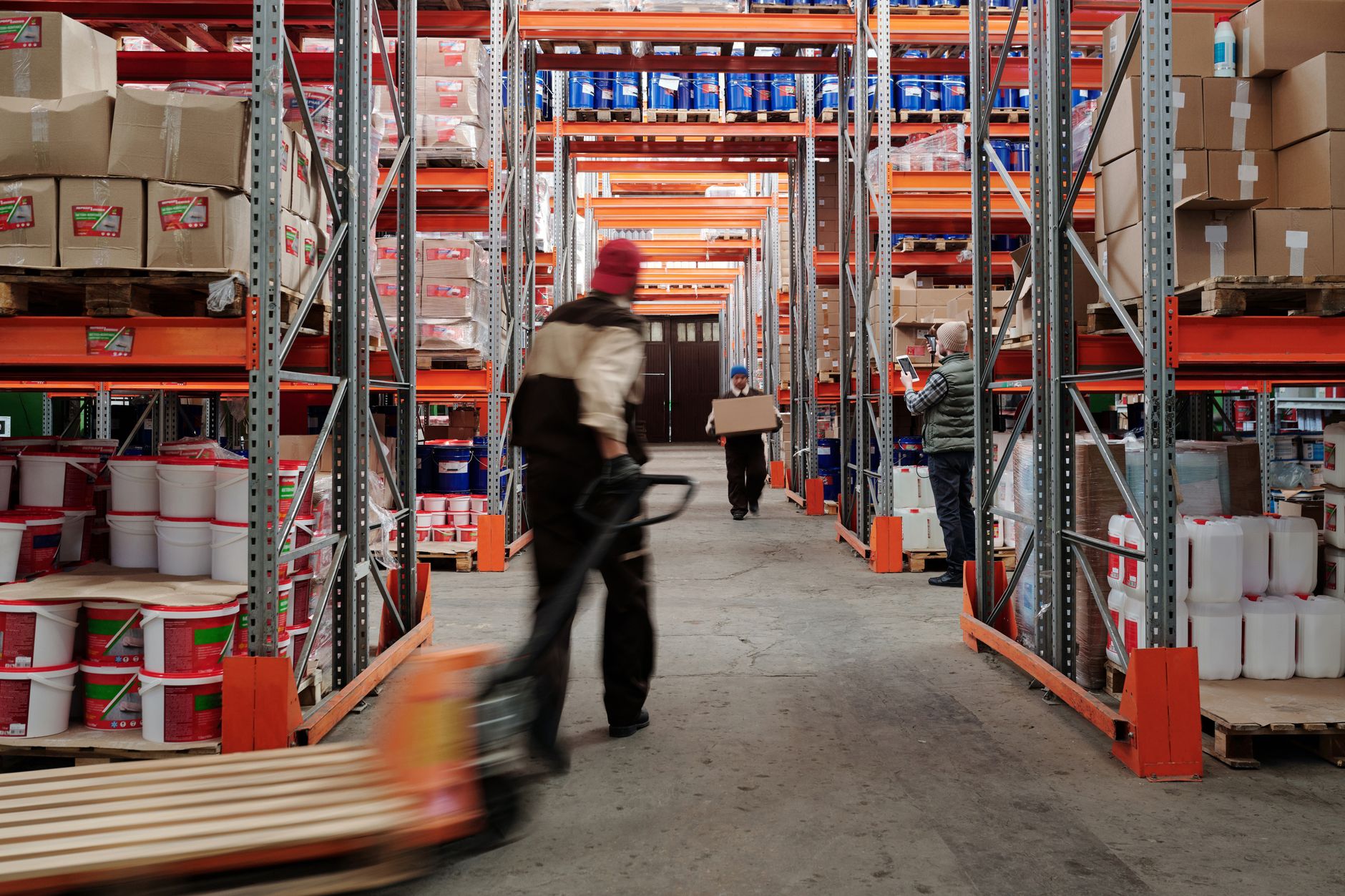
Scalability is another powerful feature. With RaaS, you can easily add or remove robots from your fleet to match shifting demand. A warehouse, for instance, could bring in additional AMR pallet movers during a peak season and then scale back down, paying only for what it needs. This flexibility is difficult to achieve with owned assets.
RaaS also lowers the barrier to entry, allowing businesses to pilot and test automation with a robot pilot program. A month-to-month robot lease lets you validate the ROI in your own environment for everything from a cobot rental for manufacturing to a hospital delivery robot rental, before committing to a larger deployment.
Understanding the Total Cost of Ownership (TCO)
Total Cost of Ownership, or TCO, exposes the hidden costs of a robot purchase. The initial acquisition and integration are just the beginning. Over a five-year period, the TCO for a robot can be 2.5 to 3.5 times its initial hardware price.
An owned robot requires you to budget for a host of ongoing expenses:
These variable and often unpredictable costs complicate long-term financial planning. A major component failure outside of the warranty period can result in a significant, unplanned expense.
- Integration: The complex process of making the robot, software, and peripherals work within your existing workflow.
- Training: Your staff will need training on how to operate and work alongside the new equipment.
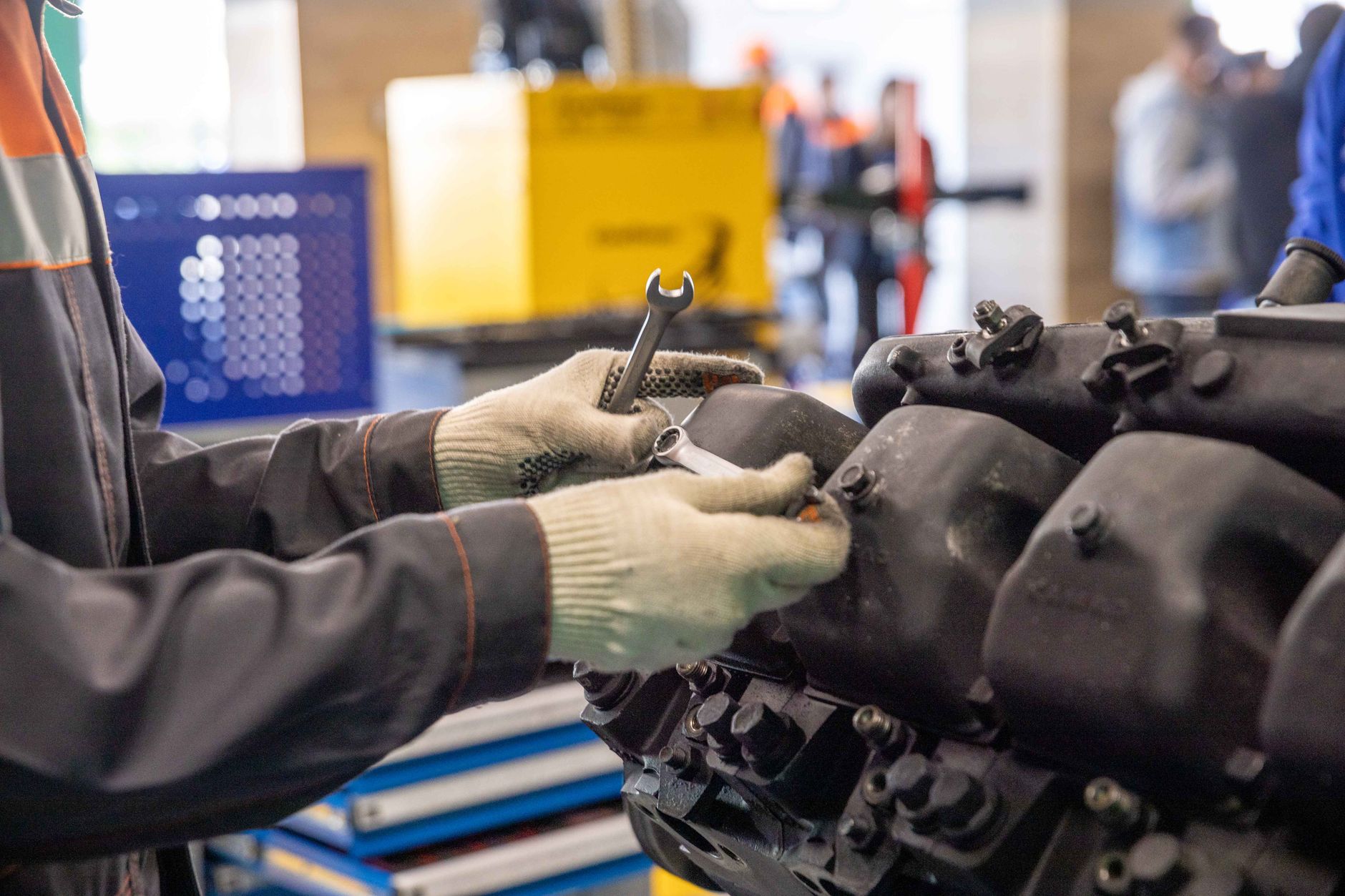
- Maintenance and Repairs: This includes preventive maintenance, replacement parts, and the labor costs for service, which can be substantial.
- Downtime: When a robot is down for repairs, the lost productivity adds to its total cost.
- Reprogramming: If your needs change, you bear the cost of reprogramming the robot for new tasks.
How a Full-Service Partner Simplifies the Equation
The complexity of TCO is where a full-service partner like Service Robot Co. changes the financial picture. A true RaaS model is more than just a robot rental. It bundles the majority of the TCO into one clear, predictable monthly payment.
Because we are OEM-neutral, we start by selecting the right robot for your specific job, whether it's an industrial floor scrubbing robot for a large venue or a food runner robot for a casino. We are not tied to any single manufacturer, so our only goal is to find the best fit for your operational and financial needs.
Our RaaS subscription includes everything: the robot, deployment, integration, training for your team, and ongoing service from our nationwide network of US engineers. If a unit needs repair, we handle it. There are no surprise maintenance bills. This one-vendor-for-the-whole-lifecycle approach transforms a complex TCO calculation into a single, manageable line item, giving you all the benefits of automation without the burdens of ownership.
CapEx vs. OpEx: Which Aligns With Your Financial Strategy?
The decision ultimately hinges on your company’s financial philosophy. A CapEx approach requires confidence in long-term forecasts and a willingness to tie up capital in physical assets.
An OpEx approach, by contrast, prioritizes agility, cash flow preservation, and risk reduction. By opting for a RaaS subscription, you pay for the *outcome* of automation, not the ownership of the machine. This allows you to scale resources up or down, adopt new technologies as they emerge, and focus your capital on core business growth.
For a growing number of organizations, especially in a world of rapid technological and economic change, the OpEx model for robotics is the more resilient and strategically sound choice. It delivers the power of automation today without burdening the balance sheet of tomorrow.