Key takeaways
- Floor robots work best in the gaps between guest surges, not during them.
- Road salt and grit are the real problems, so entrance matting comes first.
- Plan peak-week cadence as several short passes with a squeegee check after each rush.
- Heavy wet work and mat cleaning may still need staff or a second unit.
- No ski valet case study turned up in our research, so pilot one zone before committing.
Can a floor robot keep a ski valet dry?
Yes, for most of the floor, provided the robot runs in the gaps between guest waves and the entrance catches the worst of the water and grit before it reaches the gear room. A floor robot will not stop a morning rush from tracking slush across the tiles. It can keep the room presentable and safer between surges, which is the job most hotel engineers actually need done.
The catch is planning. The room needs a cadence matched to arrivals, a route that threads the boot racks and counter, and a clear-path check before each pass. Get those three right and the robot earns its place. Skip them and it becomes one more obstacle in a crowded room.
Why the ski valet floor turns over so fast
A ski valet collects wet boots, damp outerwear and grit in short, heavy bursts. According to Swish, a winter floor-care vendor, road salt, sand and de-icing grit are the main winter floor problems. Each boot carries a little of all three into the room, and the slush leaves a film that traces every lane guests walk.
Timing is the real trouble. Guests bunch up when lifts open and again when lessons end, so the floor takes its heaviest load within a short window. A robot that starts after the rush has missed the worst of it.
Where the grit comes in and how to trap it
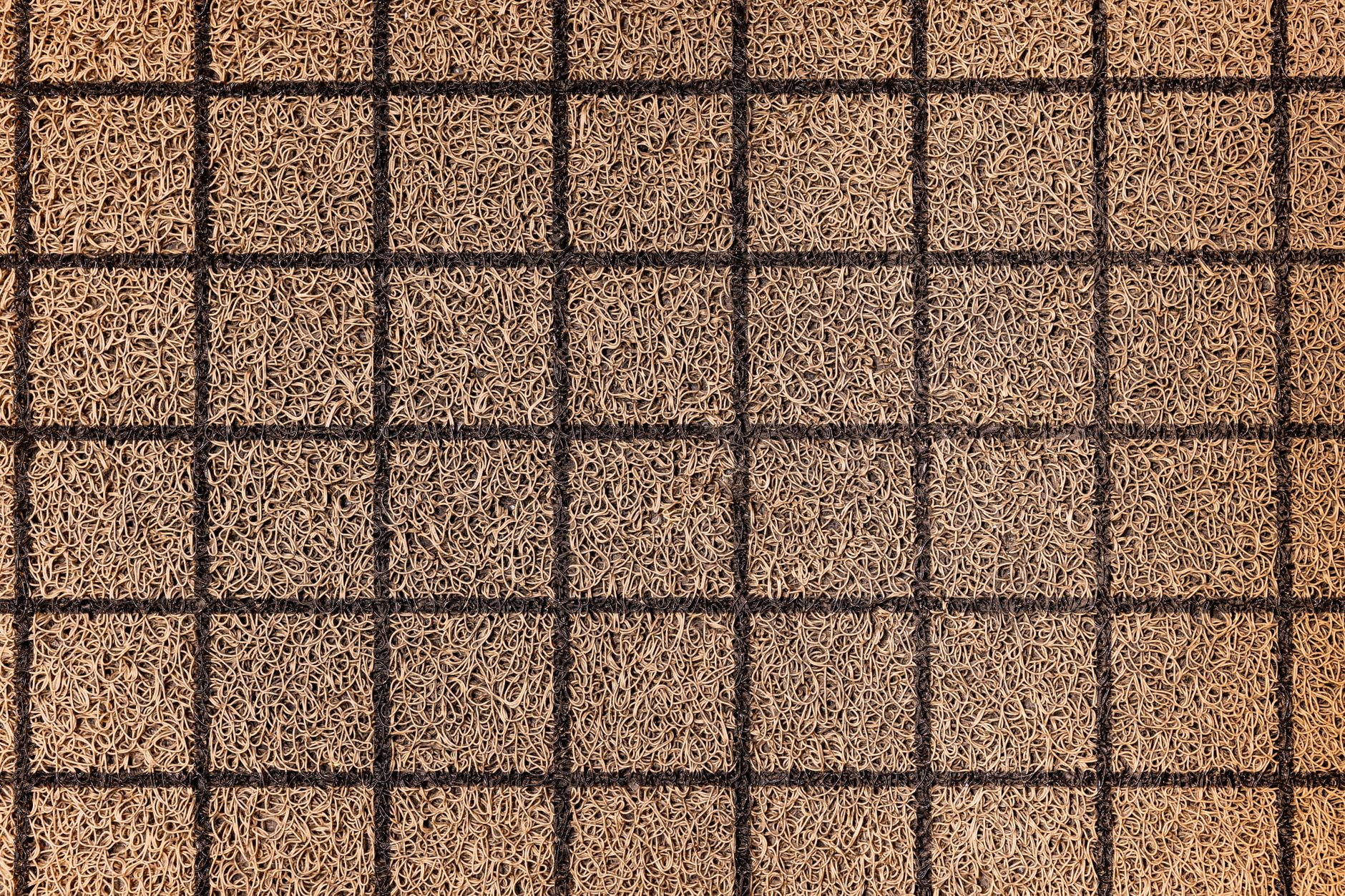
Most of the mess enters at the door, so the entrance is the first control point. According to The Sweeper, in its winter facility-floor prep article, a three-step matting system can trap up to 80% of debris before it goes further into a space. That figure is a vendor claim, so test it on your own floor before you rely on it.
Mats do not finish the job. Whatever gets past them is what the robot inherits, and a wet, gritty floor will show streaks and tracks no matter how often the machine runs. Matting and robot passes work as a pair, not as substitutes.
How a floor robot fits between shifts
Start the robot in the empty windows: before the first guest arrives, after the morning valet peak clears, and in the late afternoon ahead of the next wave. Map the route around the boot racks, the counter and any ski-tuning bench, and set pauses so a guest or staff member with a loaded cart can pass. Run a dry check before each start to clear cords, dropped gear and wet-floor signs from the path.
According to Nexaro, a robot vacuum maker, the hotel group Valamar chose its autonomous vacuums after evaluating several systems and installed 40 robots. According to McLaren, an integrator, Elysium Noosa Resort, a May 2026 project, uses a Gausium Phantas across guest corridors, the lobby, back-of-house and meeting rooms. Both accounts are vendor-reported, and neither describes a ski valet.
Setting a cleaning cadence for peak weeks
A peak week needs more passes, not longer ones. Keep each run short enough that the robot can finish and return to its dock before the next surge. A workable plan looks like this.
Adjust the count by occupancy and weather. A snow day adds passes, and a dry, mild day may remove one. Keep a simple run log so the engineer and manager can see whether the rush outpaced the schedule.
- Pre-open pass: a full route, with the entrance mats checked first
- Mid-morning pass: a short spot route through the counter and boot racks
- After the rush: a full pass, then a squeegee inspection
- Late afternoon: a shorter pass ahead of the evening arrivals
- Overnight: a deeper pass with the robot docked and charged
What salt does to the machine
Salt is the part people miss. According to Nilfisk, a floor scrubber maker, salt residue builds up in scrubber equipment, causing inefficient cleaning and possible damage, and it can catch in the squeegee area and cause streaking. The warning is vendor-authored, so check it against the manual for your own machine.
Inspect the squeegee at the end of each salt-heavy shift, and schedule a rinse and a check of brushes or pads. A streaked floor draws more complaints than a dull one, and guests notice the smear before they notice the dryness.
Tasks a floor robot should not take alone
A floor robot handles the broad floor. Heavy wet work and mat cleaning still need staff or a separate machine. According to RobotLAB, a robot maker, high-traffic hotel areas may need a second unit for heavy wet scrubbing. That is a vendor claim, but it is a fair question to put to any supplier before a quote.
What the evidence does and does not show
According to the IFR's World Robotics 2026 Service Robots report, professional service robot shipments rose about 24% in 2025 to nearly 250,000 units. The IFR figures come from a sample of 238 suppliers and are not projected to the whole industry, so they show direction, not a precise market size.
We found no published ski valet or gear room case study in our research. Most hotel evidence comes from vendors and integrators. Treat stated results as claims until your own pilot confirms them, and measure floor condition by zone and by shift.
How Service Robot Co. approaches a gear room pilot
Service Robot Co. is OEM-neutral. We pick the right floor robot across manufacturers rather than pushing one brand. After a site assessment, we quote one fixed payment for a 3-year lease through financing. We then deploy, integrate, train staff and service every unit under RoboCare, our service plan, backed by regional service engineers in every state we service.
A pilot on one zone, such as the gear room and valet lane, lets a hotel test the cadence before committing across the property. One partner handles the lifecycle, so the engineer who set the route is also the one who answers when the squeegee streaks.
Frequently asked questions
Want a robot working for you?
Tell us the job and the site. We will recommend the robot, quote the lease, and keep it serviced.
Sources
- IFR, Global Sales of Professional Service Robots Surge 24 Percent
- Swish Punchout, Winter Floor Care Tips and Techniques for Snow and Salt Removal
- The Sweeper, Prep Your Facility Floors for Winter Weather
- Nexaro, Valamar Autonomous Vacuum Case
- McLaren Hospitality Projects, Elysium Noosa Phantas
- Nilfisk, Winter Maintenance to Keep Your Floor Scrubber Working Its Best
- RobotLAB, Best Robots for Cleaning High-Traffic Hotel Areas