Key takeaways
- USGA writers call rough mowing one of the most time-consuming and costly tasks on a course.
- Graduated rough lets crews lap fairway corridors first while outer rough waits for weekly passes.
- GPS-mapped units can hold primary rough height on schedule when fairway reels run first.
- Wide-deck efficiency gains do not help if nobody is free to drive them before tee sheets fill.
- Service Robot Co. offers OEM-neutral rough and fairway programs with financing and RoboCare.
Why does fairway mowing still crowd out rough work?
Fairways are the billboard. Members judge the entire maintenance department by striping, speed, and morning presentation on the holes they play first. So when staffing is tight, superintendents send every available reel to fairways before lunch and push rough to afternoon or next day.
USGA Green Section guidance describes rough mowing as often the most time-consuming maintenance task on a golf course. Combined rough inputs, including labor, fuel, equipment, fertility, and irrigation directed at a uniform stand, can exceed seventy-five thousand dollars in a yearly maintenance budget at many properties.
That math does not shrink when fairways demand three passes a week. Rough simply waits. By Friday, primary corridors beside landing zones look shaggy even when outer rough was never touched.
What is graduated rough in practice?
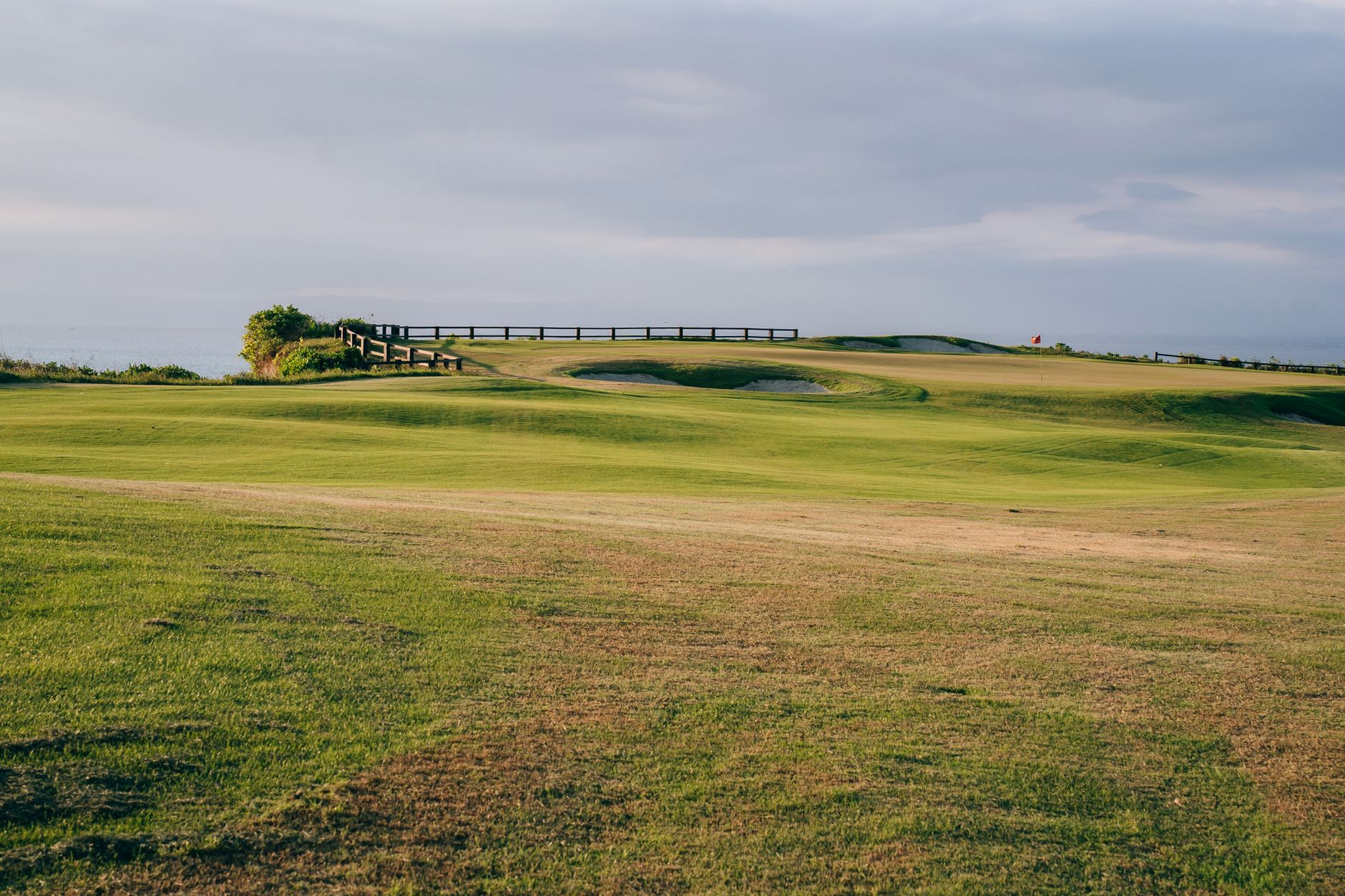
Graduated rough maintains shorter turf near fairways and taller grass farther out. USGA championship setups use the concept for penalty, but daily facilities adopt it to save hours. Superintendents instruct crews to make one or two laps around each fairway before weekends while outer rough gets a weekly cut only.
The playability win is local. Balls that miss slightly still find a defined lie. The labor win is directional. You stop pretending every acre of rough needs the same frequency when most traffic never reaches the tree line.
USGA writers also note wide pull-behind rough units changed efficiency for many facilities. An eleven-foot deck covers more ground per hour than a six-foot unit, yet someone still has to be available to pull it after fairways are done.
Where do small maintenance teams feel the squeeze?
Green Section articles on labor shortages describe maintenance teams losing seasonal students when school resumes, leaving permanent staff to cover the same acreage with fewer bodies. Fairway mowing rarely gets cut because it is visible. Rough laps are the task that disappears.
Labor hours per acre tracking, another USGA recommendation, shows fairway mowing alone can consume hundreds of hours yearly before rough enters the spreadsheet. When two operators mow fairways ninety times per season, rough becomes a hope, not a plan.
Prioritization guidance from USGA turf editors suggests mowing a few laps around fairways where most balls land, then saving outer rough for weekly work. That only works if those laps actually happen on schedule, not when weather compresses the week.
Can mapped mowing hold primary rough without stealing fairway reels?

GPS-mapped rough units follow taught laps along fairway corridors while fairway reels finish their passes. Heights can stay in the graduated plan: shorter on the inner band, taller on the outer geofence if your agronomy allows.
Mapping encodes which holes need two laps before Saturday and which outer zones are weekly only. Night or early-morning runs fit properties that ban fairway traffic after dawn but still need rough height controlled before league play.
Autonomous rough mowing is not a substitute for skilled operators on steep banks or native areas. It banks repeatable primary laps so your best driver stays on fairways during the narrow morning window.
How does fairway efficiency affect rough scheduling?
USGA research on fairway patterns found a fifty-fifty mowing layout saved about thirteen to twenty percent time versus striping on a studied course, roughly forty-eight minutes per fairway mowing event for twenty-eight acres. Those saved minutes often get absorbed by greens or bunkers, not rough.
When you capture even part of that savings intentionally, you can assign it to primary rough laps in the same morning. A mapped rough unit parallel to that plan keeps corridors tidy even if fairway striping stays for member preference.
Document the trade in labor hours per acre terms superintendents already use with boards. Show fairway hours held constant while primary rough hours stop declining through summer.
What should boards expect visually?
Graduated rough changes sight lines. Outer rough may look taller and more natural while inner bands stay crisp. USGA efficiency articles argue those visual shifts rarely hurt playability on primary surfaces when expectations are set.
Communicate that primary rough laps protect pace of play. Search time rises when inner rough is neglected, even if fairways look tour ready.
Photos from landing zones beat debates in the clubhouse. Compare a neglected inner rough Monday to a mapped-lap Thursday before member guest day.
Where do monthly rough mowing programs beat buying another wide deck?
A pull-behind rough mower is capital plus storage plus another operator hour. Monthly programs through a vendor-neutral integrator spread cost, include remote diagnostics, and let you pilot primary-lap mapping for one season.
Service Robot Co. selects units across manufacturers, finances buy or lease, maps corridors, trains staff, and services fleets under RoboCare. When outer rough is naturalized further to save inputs, maps update without shopping new iron.
Programs also help multi-course operators share playbooks. One integrator can hold lap definitions for each property instead of each superintendent rebuilding routes from memory.
What belongs in a rough mowing program contract?
List holes with tree-line pinch points, wetlands, and steep grades as manual-only zones. Define inner and outer cutting heights and how often each zone runs.
Spell out who revises maps when you naturalize acreage or add championship rough for an event week. Align holds with fairway mowing so units do not conflict on narrow corridors.
Require reporting on primary lap completion, not just total acres. The goal is playability beside fairways, not ticking every outer acre when labor is scarce.