Key takeaways
- Gausium published a case study on São Paulo Metro deploying cleaning robots on busy platform hard floors.
- Published materials contrast long manual scrubbing windows with much shorter autonomous runs.
- Platform deployments need tight maps around tactile strips, columns, and rush-hour crowds.
- US airports and campuses can copy the time-comparison method without copying Brazilian platform layouts.
- Vendor-neutral integrators benchmark Gausium scrubbers against other manufacturers on your tile.
What did São Paulo Metro deploy according to Gausium?
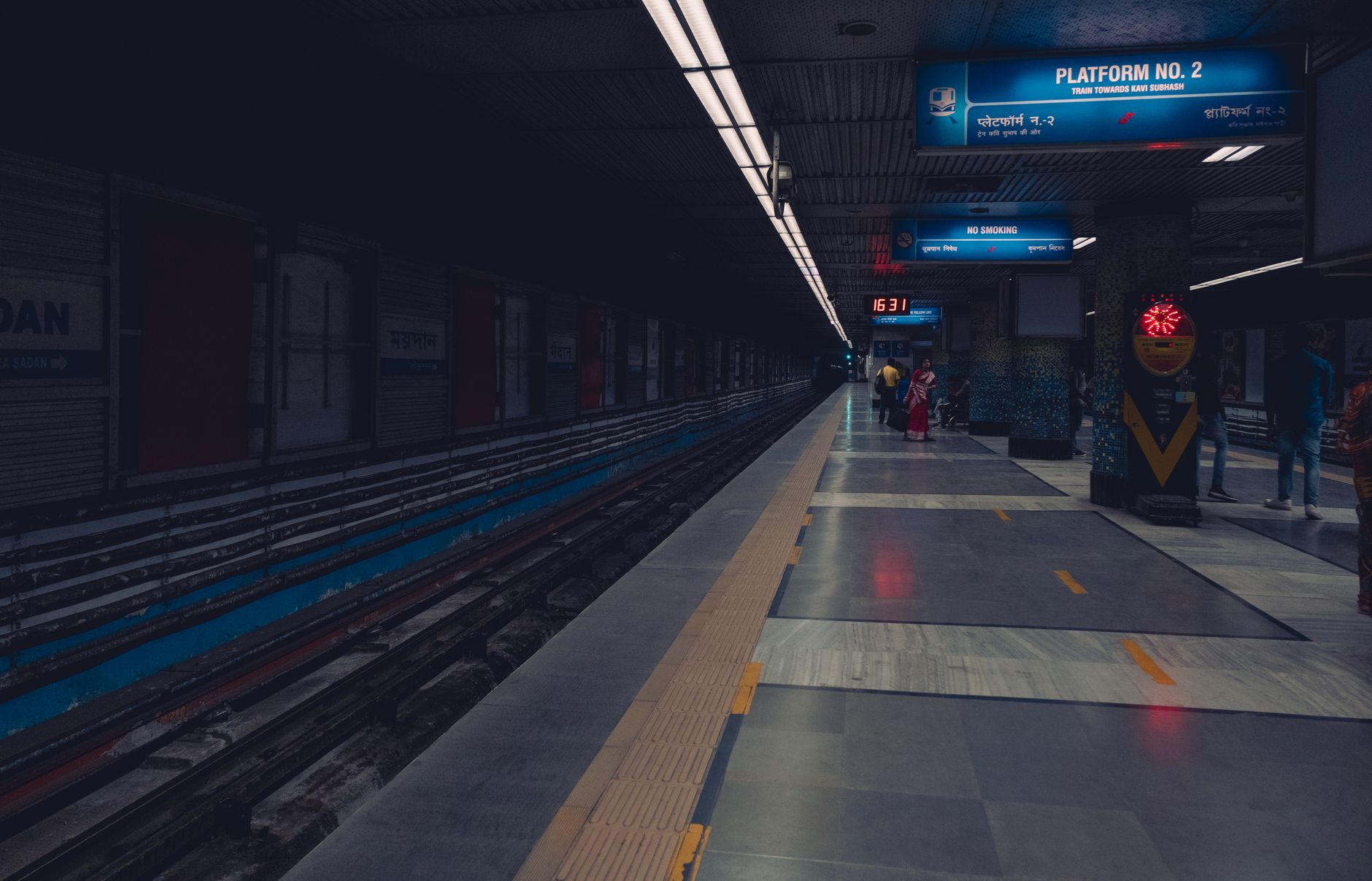
Gausium case materials describe São Paulo Metro using autonomous cleaning robots on platform and concourse hard floors. The published headline contrasts hours of manual work with a far shorter robotic routine, which is the hook US operators should study carefully.
Transit platforms combine spills, abrasive dust, and constant foot traffic. Manual crews often lose safe windows between trains and peak crowds.
The case is about measurable floor-care time on high-wear tile, not about replacing every janitorial task in the system.
Why do metro platforms break manual scrubbing schedules?
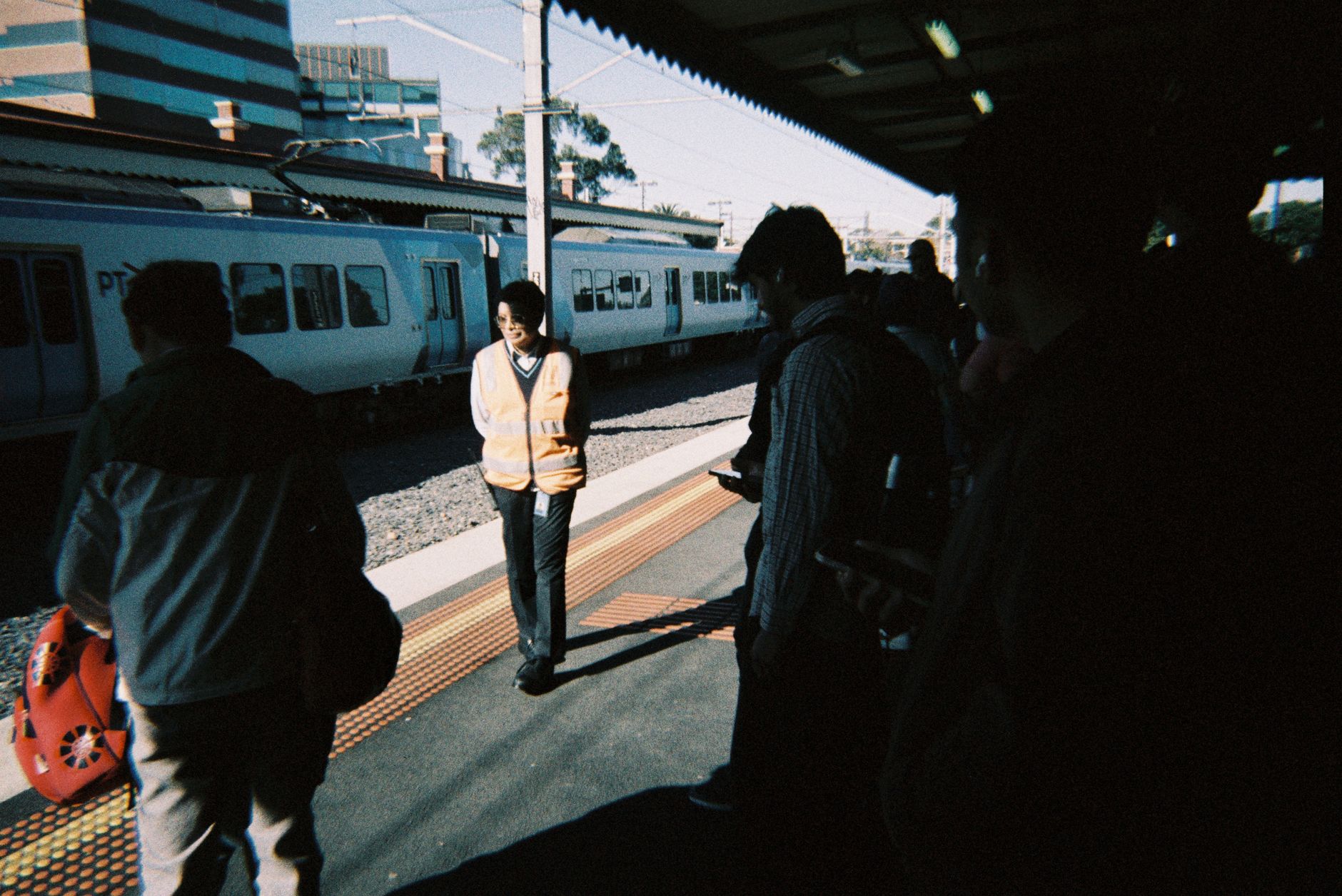
Rush periods leave almost no empty platform time. Mop crews get pushed to overnight shifts that are already thin.
Columns, benches, and tactile guidance strips create obstacle fields that slow manual work.
Autonomous scrubbers need mapped paths that respect safety zones near platform edges.
How should operators validate published time comparisons?
Ask for the exact route length, pad type, and water changes behind any before-and-after claim.
Run your own timed pilot on one platform loop with the same soil conditions your riders create.
Count setup, docking, and recovery time, not only autonomous driving minutes.
- Time the manual baseline on the same loop
- Log dock and fill minutes separately
- Compare slip incidents, not just minutes saved

What can US airports and arenas learn from São Paulo?
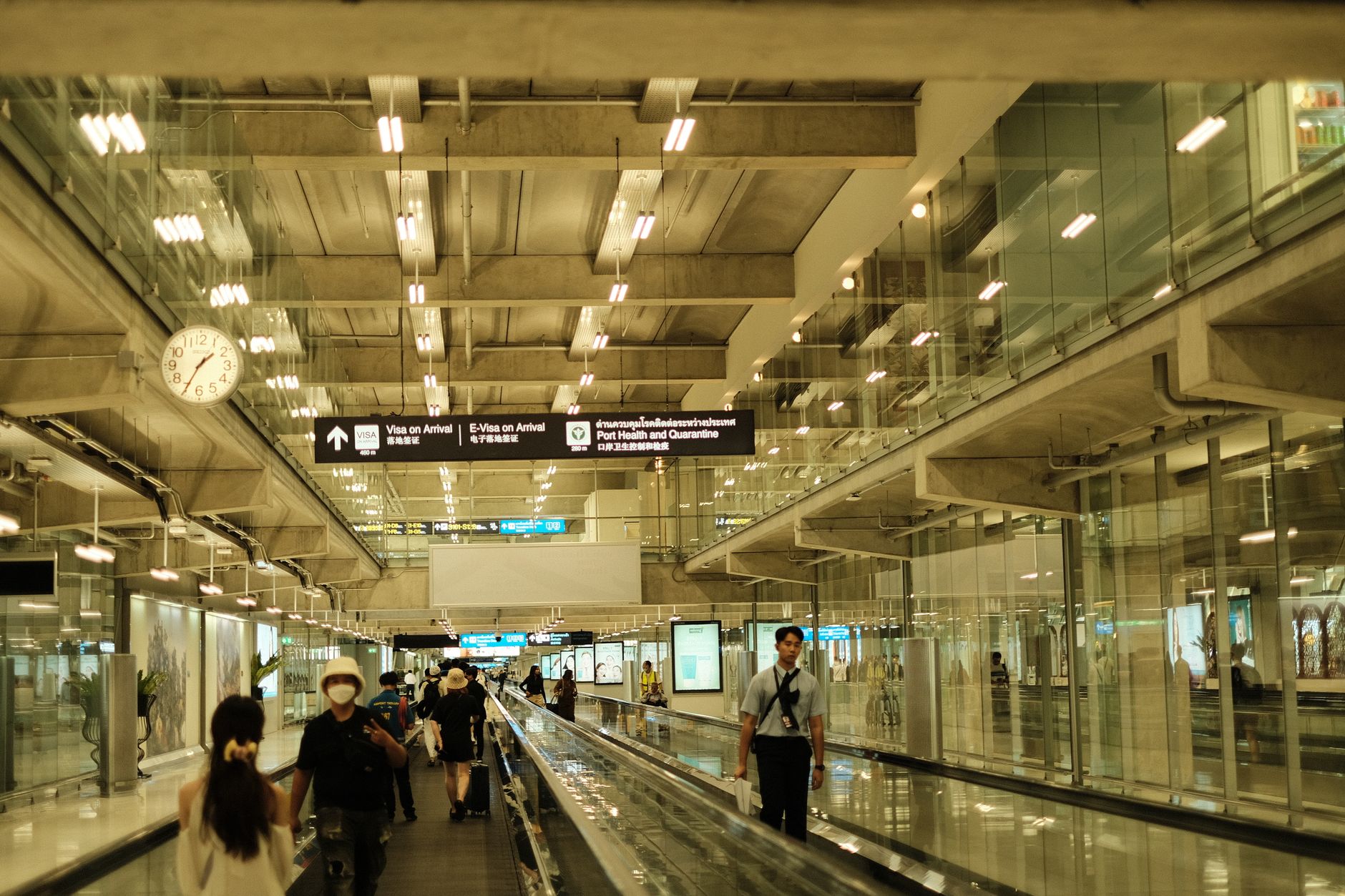
Concourses share platform-like rush spikes even without rails. The lesson is to benchmark one hard-floor loop with honest timers.
Do not import Brazilian platform widths or safety rules directly. Map your own hold points and slow zones.
Lease financing can fund a single-concourse pilot while leadership reviews risk data.
When is one scrubber enough on a transit loop?
One unit can anchor a pilot when a single concourse or platform loop fits under your quiet-hour window.
Add capacity when parallel platforms cannot share a route without crossing live crowds.
Service parts and remote diagnostics matter more when trains cannot wait on a faulted scrubber.
What safety reviews should US properties run first?
Run squeegee acceptance tests with your safety team on platform tile and concourse stone.
Train staff on pause controls at agent desks and security posts.
Keep humans on biohazard spills and broken glass. Scrubbers do not replace those protocols.
How does Service Robot Co. help US operators benchmark São Paulo?
We compare Gausium scrubbers against other manufacturers on your flooring samples. São Paulo's story is a benchmarking method, not a copy-paste map.
We handle buy or lease financing, deployment, training, and RoboCare service under one contract.
Start with one measured loop, then decide if the time savings justify a wider rollout.
What belongs in a transit scrubber pilot agreement?
Define fault response by daypart, especially before morning rush.
Require map version control after construction or vendor changes.
Set success metrics on slip incidents and complaint tickets, not robot hours alone.
Frequently asked questions
Sources
Service Robot Co. is not affiliated with, sponsored by, or endorsed by the companies mentioned in this article.