

Key takeaways
- Fairway and rough mowing eat the largest acreage on most courses, so automating those passes returns crew hours to greens, bunkers, and detail work.
- Your mowing calendar should follow the tee sheet first, then layer shotgun starts, league nights, and tournament blackouts as hard no-go windows.
- Remote holes with weak cellular signal need a connectivity plan before you promise overnight fairway passes on every loop.
- Clubhouse scrubbers can run after peak dining and event traffic using the same blackout logic you use for fairways.
- A vendor-neutral integrator maps exclusion zones once and adjusts the schedule as seasons and events change.
What is the simplest way to schedule fairway robots around play?
Treat the tee sheet as the master calendar. Autonomous fairway units should run in the gaps when members are not on the hole you are cutting, not the other way around. Most superintendents start by blocking morning tee times, then add overnight windows where local rules and noise expectations allow quiet electric passes.
In March 2026 Concert Golf Partners announced a portfolio-wide rollout of autonomous fairway mowers at several private clubs after pilots that emphasized consistent cut quality and quiet operation, according to Golf Course Industry. That pattern matches what many crews want: fairways mowed on a predictable clock while humans handle detail turf.
The goal is not to eliminate fairway labor entirely. It is to stop spending your best people on the widest, most repetitive acres so they can prep greens, edges, and bunkers before the first group arrives.
How do shotgun starts change your mowing windows?
Shotgun events put every group on the course at once, which collapses the usual staggered gaps between holes. For those days, mark the full routing as a blackout and shift fairway work to the prior evening or the following maintenance Monday.
League nights that send threesomes off every ten minutes create a similar squeeze on the back nine by late afternoon. Build a recurring weekly block in your robot schedule the same way you would for a traditional gang mower, then let the unit resume when the starter sheet shows clear holes.
Document these repeating blocks in writing so pro shop staff and the maintenance team share one source of truth. When the robot vendor or integrator updates firmware, you are not rebuilding the plan from memory.

Where do tournaments and aerification fit?

Tournament weeks need hard exclusion zones around greens, approaches, and any temporary setups. Extend buffers beyond the obvious cart paths so a fairway unit never crosses a gallery rope or staging area.
Aerification and topdressing windows are the opposite problem: you may want fairways paused entirely while surfaces heal, even if play continues on paths. Flag those dates in the same calendar you use for cultural practices so agronomy and automation stay aligned.
After a major event, prioritize clubhouse and locker room floors if you host a sit-down meal or awards reception. A scrubber can run when the dining room closes while the crew resets bunkers and divot mix on the course.
What about holes with poor connectivity?
GPS-guided fairway units depend on reliable correction data and, on many properties, cellular backhaul. Golf Course Industry reported in 2025 that CDA National Reserve in Idaho identified several holes without usable cell coverage and upgraded connectivity so an autonomous fairway unit could finish remote loops.
Walk the property with a phone before you commit to overnight routes on every hole. Mark dead zones on the map as manual-only until you add a backup link or shift those fairways to daytime passes when staff can monitor the machine.
Service Robot Co. maps those exclusion and manual zones during a site assessment, then folds the fairway schedule into buy or lease financing and RoboCare service so one partner owns the calendar and the hardware.
How quiet operation helps member experience
Electric fairway passes are quieter than traditional diesel gangs, which matters when homes line a hole or when you host early practice before the shop opens. Thonock Park in the UK told Golf Business News in 2025 that robotic fairway and rough units let the club finish mowing before play while keeping noise low enough that members barely noticed the work.
Use that quiet advantage to protect dawn tee times on weekends. A unit can exit a fairway minutes before the first ball lands if your buffer times are set conservatively.
Pair the fairway plan with cart path blowers or sweepers on a separate schedule so you are not stacking noisy tasks beside a silent fairway pass.
Can clubhouse robots share the same playbook?
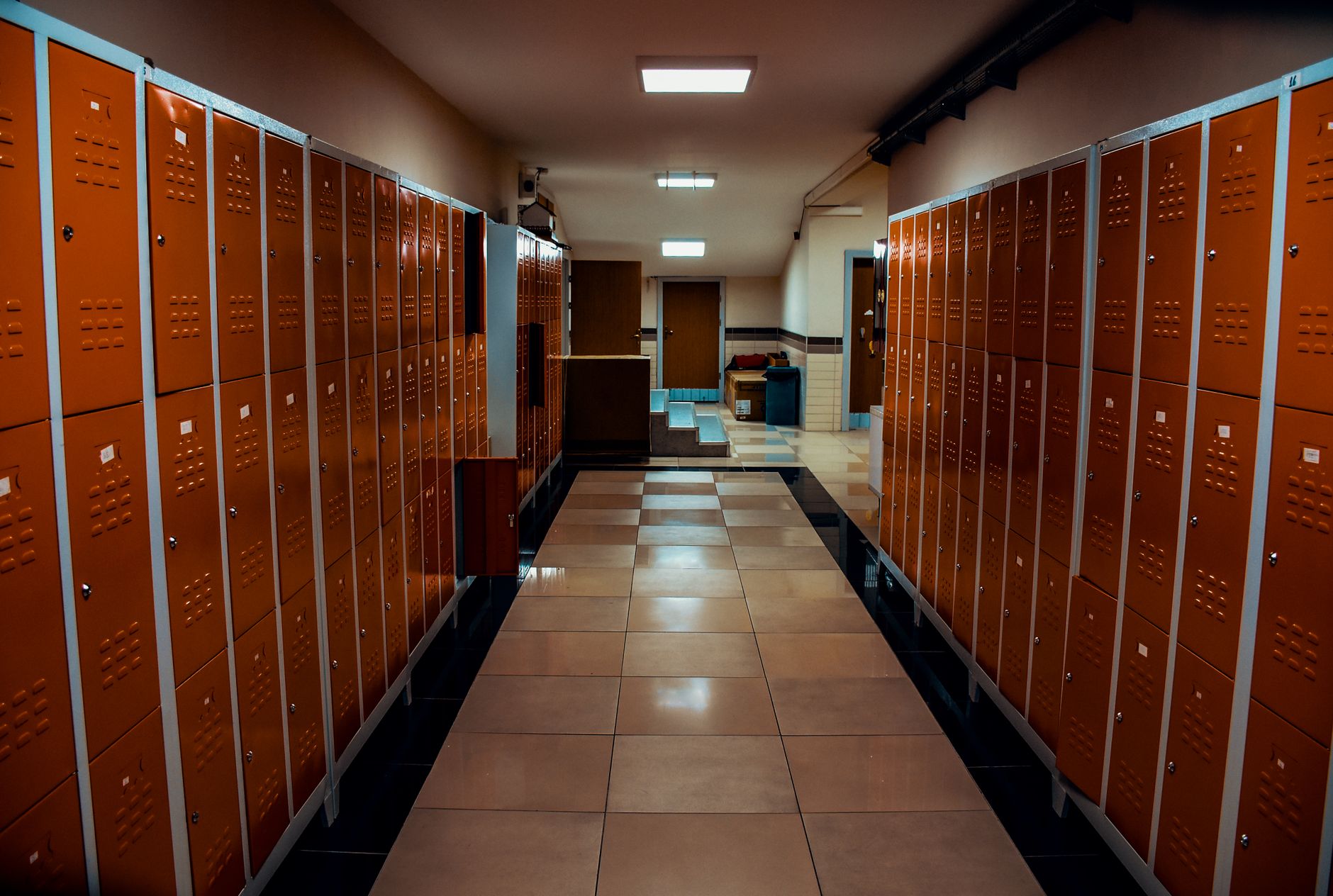
Yes. Locker rooms, pro shops, and banquet spaces see predictable spikes after leagues, weddings, and member-guest events. Block scrubber runs until the last guest clears, then let an autonomous scrubber handle hard floors while staff reset tables and restock coolers.
The same integrator can place fairway mowing and clubhouse cleaning under one service plan. Vendor-neutral selection matters because cart paths, tile locker rooms, and carpeted lounges rarely need the same machine.
When you finance through purchase or lease, align payment timing with seasons: heavier fairway hours in peak golf months, heavier clubhouse hours when event revenue peaks.
What should you review each month?
Compare actual robot runtime logs to your tee sheet exports. Look for holes that always finish late and holes that never start because of a forgotten blackout.
Update exclusion zones when you move tees, add forward tees for winter play, or close a loop for drainage work. A one-hole closure should not require rebuilding the entire course map if zones are layered correctly.
Invite the pro shop to a quarterly fifteen-minute sync. Starters know about surprise outings long before they appear on the printed sheet, and those outings belong on the robot calendar as soon as they are booked.


