Key takeaways
- Active construction sites are a strong fit for night security robots when the risk window is after hours, the response chain is clear, and the patrol route can be reset as the site changes.
- Fixed towers work best at choke points and material laydown areas, while mobile patrols earn their keep on larger sites with shifting perimeters and long fence lines.
- They are a poor fit for sites with no reliable power or solar exposure, no connectivity, no after-hours responder, or heavy overnight equipment movement in the same patrol zone.
- The buying decision is rarely robot versus guard. On construction sites, the better question is which mix of robotic coverage, remote escalation, and human response closes the real gap between 11 p.m. and 3 a.m.
When does an active construction site actually fit robotic security?
Yes, active construction sites can be a very good fit for security patrol robot rental, autonomous patrol robot coverage, fixed security towers, or a blended deployment. The fit is strongest when theft risk clusters after hours, valuable materials stay staged on site, and the site team can define a nightly security envelope even though the project itself keeps changing.
That last point matters. A finished warehouse or office has settled walls, permanent doors, and stable power. A construction site has temporary fencing, changing access roads, subcontractor traffic, and lighting or power that may move every few weeks. The right robotic security plan has to flex with that reality instead of pretending the site is already a finished facility.
The practical answer is simple. Use towers when you need persistent eyes on fixed hotspots. Use robotic patrols when the risk lives along fence lines, trailer rows, equipment yards, and laydown areas. Use both when the site is large enough that no single viewpoint tells the whole story.
- Best fit: mid to large sites with repeated overnight exposure, staged materials, and a predictable after-hours security plan
- Weak fit: tiny infill jobs, highly congested overnight work zones, or sites that cannot support charging, solar siting, connectivity, or human response
Why are construction sites different from finished facilities?
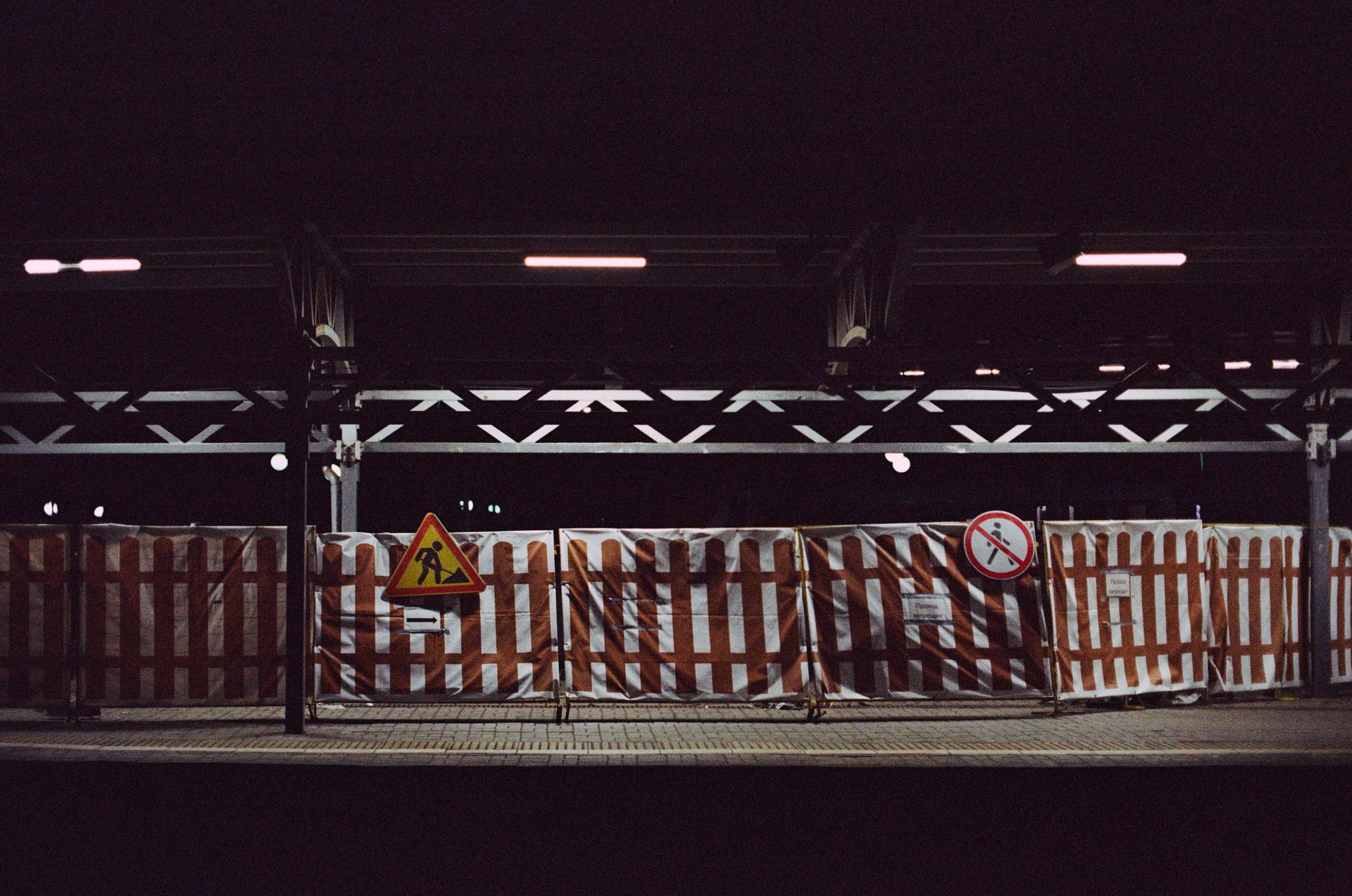
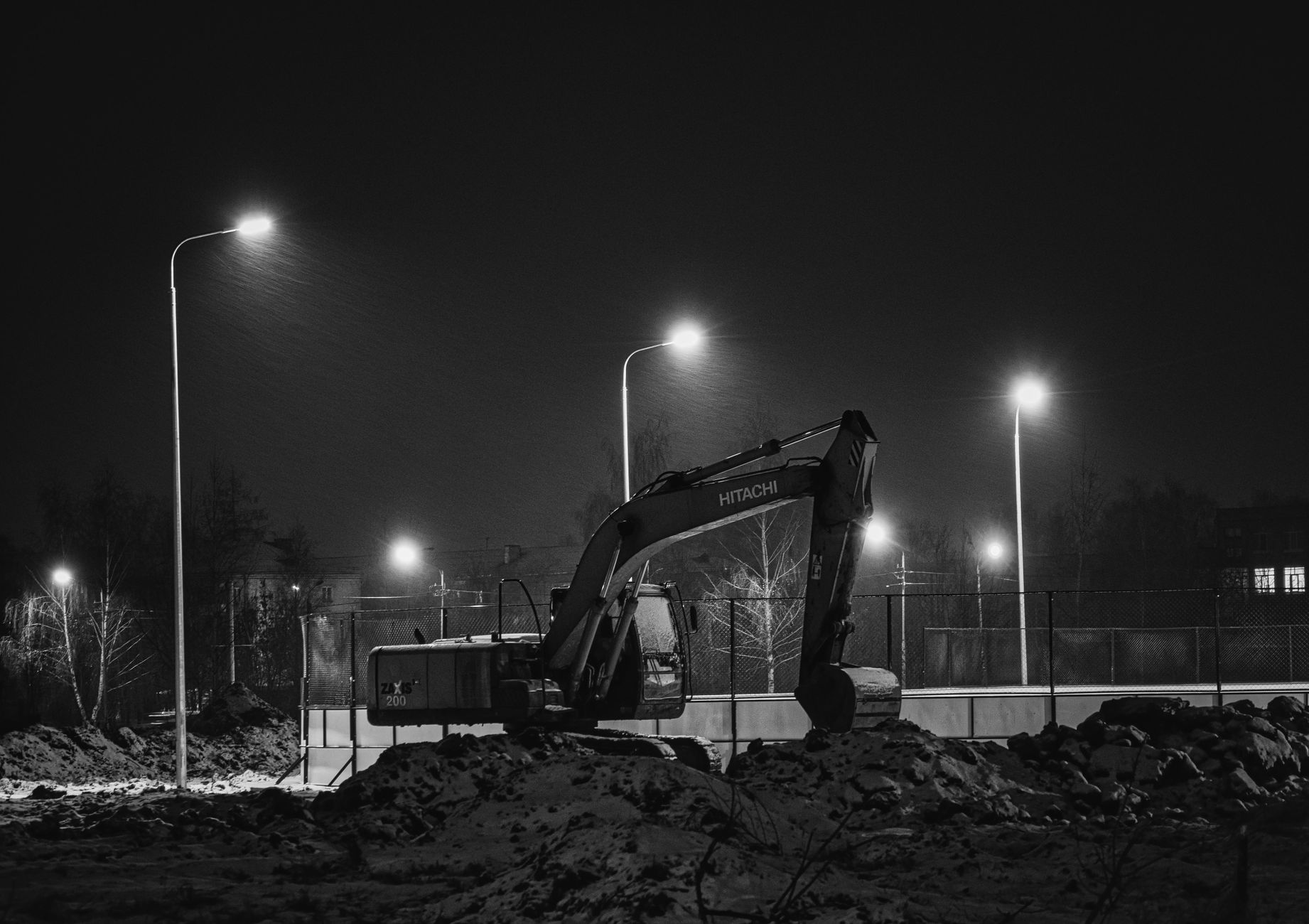
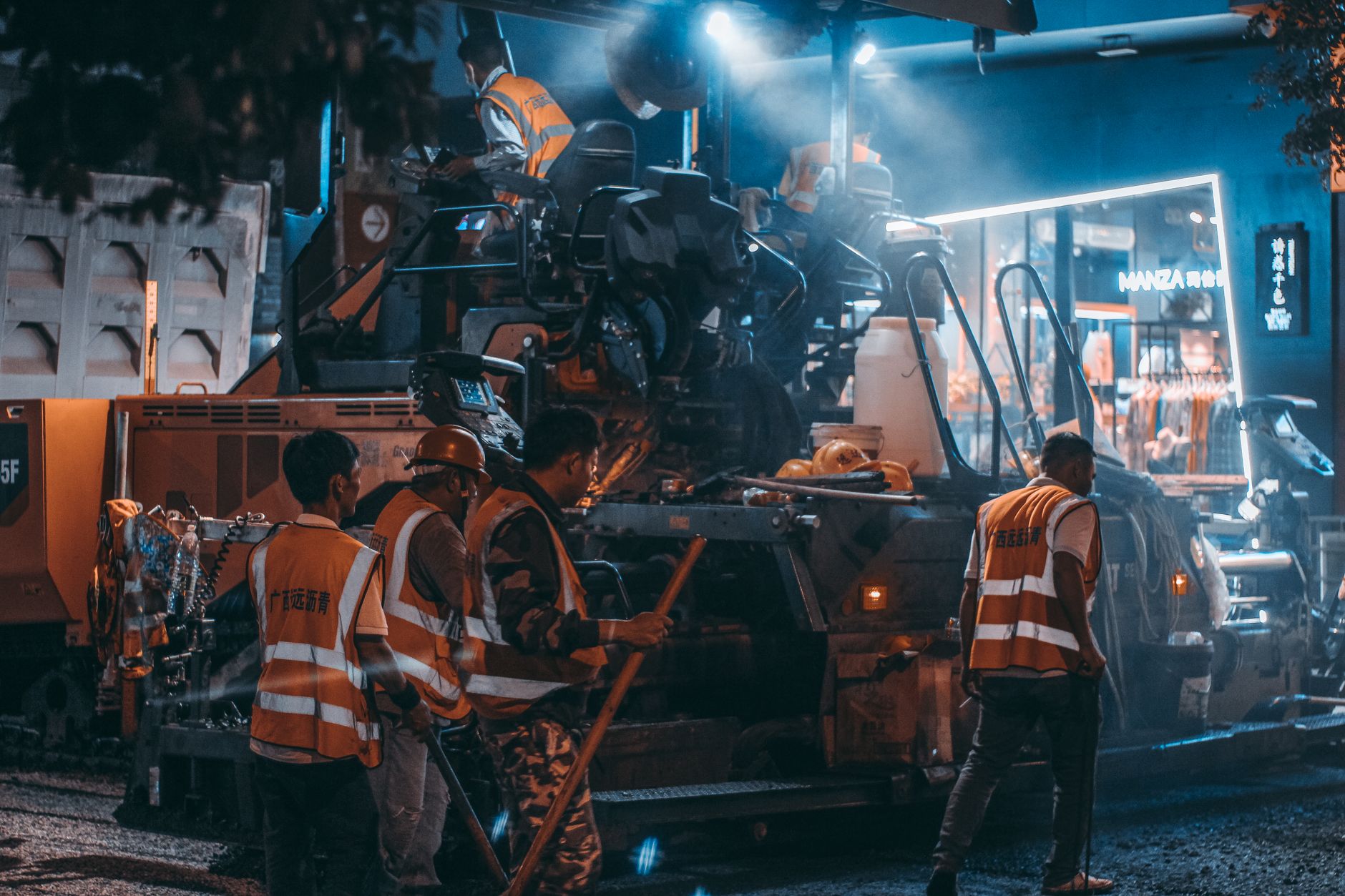
Construction operators live with a different threat profile. Theft often lands when the crew has gone home and the next discovery window is not until dawn. According to TrueLook's 2026 State of Construction Site Security report, monitored U.S. jobsites saw 2,639 confirmed break-ins in 2025, up 50 percent from 2024. More than 40 percent happened on weekends, and the peak window was 11 p.m. to 3 a.m.
That timing is exactly why robots are worth a serious look here. Construction theft is not just a property loss problem. It is a schedule problem. A missing spool, generator, or lift attachment can idle crews, force resequencing, and drag a subcontractor back for rework days later.
There is also a hard asset angle. National Equipment Register says roughly $300 million to $1 billion in heavy equipment is stolen every year. That range is for heavy equipment, not the full all-in cost of tools, materials, claims work, and schedule damage. On a live jobsite, the indirect hit is often what hurts most.
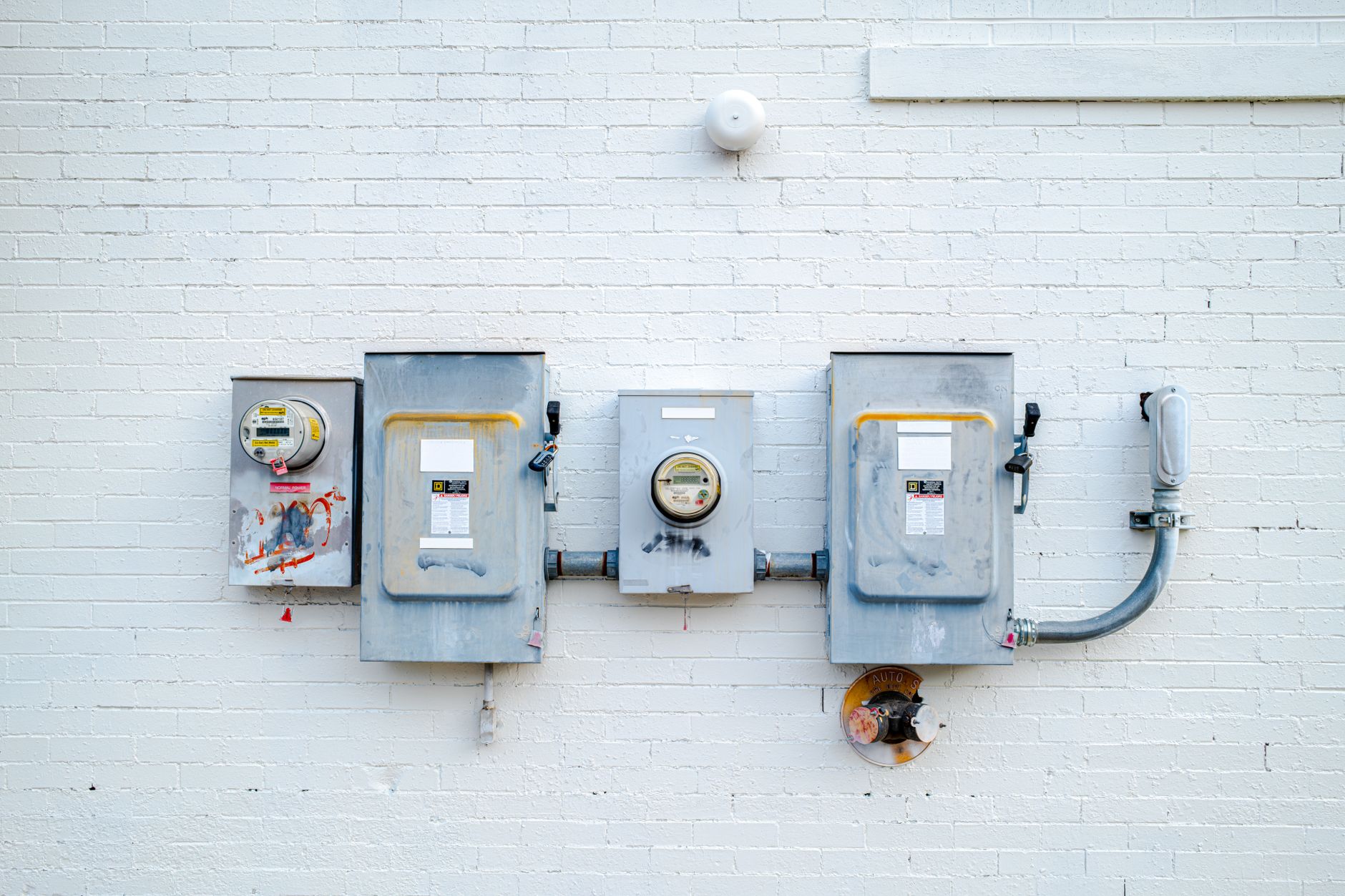
Then there is the electrical reality. OSHA's construction electrical standards make clear that jobsites rely on temporary power arrangements, and OSHA requires either GFCIs or an assured equipment grounding conductor program for covered receptacles on construction sites. That is a reminder that any outdoor robot deployment has to be designed around temporary power discipline, not assumed building infrastructure.
What does the March 17, 2026 order actually tell us?
The news hook is worth paying attention to, but not for hype. On March 17, 2026, a robotics manufacturer said a major Midwest construction company ordered 10 autonomous security units with AI voice-response licenses for a government facility construction project. The same announcement said the order would bring that client's total deployment to 20 units across active construction environments.
That matters because it points to a real buying pattern. Contractors are not only testing one device at a gate. They are using repeatable coverage in temporary environments where the perimeter shifts, the client still wants documented oversight, and the site itself does not justify building permanent security infrastructure mid-project.
It also reinforces something construction veterans already know. The buyer is not purchasing a gadget. The buyer is purchasing coverage continuity while the site is unfinished. In that setting, a security patrol robot or tower has to earn trust through reliable nightly routines, clean event escalation, and fast repositioning when the job advances from dirt work to structure to enclosure.
Patrol robot, tower, or both?
A tower is the cleaner answer when risk concentrates around a few fixed points. Think gate entrances, trailer compounds, copper or switchgear staging, fuel areas, and blind corners where unaided cameras often lose detail. Towers also make sense where solar exposure is good and the project team wants a visible deterrent that can be moved as the site evolves.
A mobile platform earns its keep when the site is spread out. Long fence runs, multiple laydown zones, equipment parking, and unfinished building edges are better candidates for an autonomous patrol robot than for a single static view. The patrol path can be remapped as the workfront changes, which is critical on projects where yesterday's clear route becomes tomorrow's trench, mud track, or material drop.
The blended model is often strongest. A tower watches the choke points and records the first approach. A mobile unit handles the dead ground between those points. For larger sites, that mix creates better coverage than piling up more static cameras and hoping someone reviews them in time.
- Choose mostly towers when the site has a few dominant entry points, valuable fixed staging areas, and little benefit from route-based patrol
- Choose mostly patrols when the property line is long, the risk zones are spread out, and routes can be updated safely as conditions change
- Choose both when the site is large, the perimeter shifts often, and management wants visible deterrence plus route-based verification
When is a night deployment the wrong call?
Not every project should force this. If the site has no reliable connectivity, poor solar access, no practical charging plan, or no place to position equipment without obstructing crews or deliveries, the deployment will become a maintenance exercise instead of a security program.
It is also a weak fit when heavy overnight construction activity continues inside the intended patrol zone. Frequent crane picks, earthmoving, concrete placements, and late trade traffic create a moving map with too many exceptions. In that setting, the technology may still help at the perimeter, but full autonomous patrol through the live work area is often the wrong move.
Another hard no is the site with no response owner. A robot can detect, record, warn, and escalate. It cannot detain, unlock a chain, or decide whether a subcontractor truck at 1:20 a.m. belongs there. If there is no after-hours response tree with named people, call order, and expected response times, the robot is watching a problem nobody owns.
Finally, very small urban infill sites often do not pencil out. If the perimeter is short, street activity is constant, and the material exposure is modest, a tower, better lighting, and cleaner access control may do more than a roaming platform.
- Do not force patrols into dense overnight work zones with constant vehicle movement
- Do not assume temporary power is enough without a real charging or solar plan
- Do not deploy without a written escalation path for alerts, audio interventions, and site access verification
What operating checklist matters more than the hardware?
Start with the map, not the machine. The jobsite team should mark the nightly perimeter, no-go zones, material hotspots, trailer locations, and where temporary fencing is most likely to shift over the next two weeks. That defines whether you need a security patrol robot rental, a fixed tower, or a combined program.
Next, define the response chain. Who answers the first call. Who can get to the site. What counts as a police dispatch. Which subcontractors have approved overnight access. This sounds procedural, but it is where most shaky pilots fail.
Then test the support conditions. Check line of sight, lighting, solar siting, charging access, drainage, mud tolerance, and how fast the patrol route can be remapped after a phase change. On active jobsites, remapping speed is not a side issue. It is part of uptime.
Last, decide the commercial model. Many contractors prefer robot as a service, a raas monthly subscription, or robot leasing for business rather than a capital purchase for a temporary need. For a seasonal or project-based program, monthly payment programs, no upfront capital, and maintenance included can fit the way construction budgets are actually approved.
- Night map and hazard map reviewed weekly
- Named responder list with phone tree and dispatch rules
- Power, solar, charging, and connectivity checked before go live
- Route update process tied to superintendent or site safety lead
- Commercial terms matched to project duration, not to a generic equipment purchase cycle
Where Service Robot Co. fits in this decision
Construction buyers usually do not need one more manufacturer pitch. They need a vendor neutral robot integrator that can survey the site, compare robotic patrol and tower options across manufacturers, and tell them plainly when the site is not ready. That is the practical value of an OEM-neutral approach.
Service Robot Co. is built for that role. For U.S. operators that want one partner one number, we handle robot deployment and integration across the full lifecycle: site assessment mapping, finance options such as lease rental or sale, training, fleet support, and commercial robot repair service through a nationwide engineer network. For a contractor, that matters because the worksite changes faster than a typical facility deployment.
This is also where service structure counts as much as the robot. A serious construction program should ask about remote triage, on-site dispatch, emergency response nationwide, spare unit coverage, and what happens when the patrol map must change before the next shift. On a live job, uptime is an operations issue, not a brochure feature.
How should a contractor start without overcommitting?
Start with the highest-risk slice of the project, not the full site. If the break-in pattern is concentrated around the trailer compound, copper storage, or a long dark fence run, pilot there first. The goal is not to automate everything. The goal is to close the ugliest overnight gap with the least operational friction.
A good pilot for an active site runs long enough to capture weekends, weather shifts, and at least one material staging change. That gives the team a real read on false alarms, route edits, response discipline, and whether deterrence is visible enough to matter.
If the first phase works, expand in layers. Add a second coverage point, extend the patrol path, or blend in a fixed tower. That is a more credible path than treating the first deployment as a permanent template before the project has even reached enclosure.
The bottom line is not complicated. Active construction sites at night are a fit for robotic security when the risk is real, the map is manageable, and the operating model is disciplined. They are not a fit when the site is too chaotic, too temporary in the wrong ways, or too unsupported after hours to act on what the robot finds.
Frequently asked questions
Sources
- RAD press release on March 17, 2026 construction order
- TrueLook 2026 State of Construction Site Security report
- GlobeNewswire summary of TrueLook 2026 report
- OSHA 1926.404 Wiring design and protection
- OSHA 1926.400 Construction electrical introduction
- National Equipment Register theft prevention and recovery page
Service Robot Co. is not affiliated with, sponsored by, or endorsed by the companies mentioned in this article.