Key takeaways
- Cemeteries are strong candidates for robotic patrol when the problem is long, repetitive nighttime coverage rather than constant face to face intervention.
- Fixed cameras still beat robots at gates, cashier points, mausoleum entries, and any spot that needs uninterrupted evidentiary video.
- The labor backdrop matters: the U.S. Bureau of Labor Statistics projects about 162,300 annual openings for security guards and gambling surveillance officers over 2024 to 2034, even though overall employment is projected to show little or no change.
- Robots fit best as mobile presence, perimeter verification, and exception finding. Humans still handle confrontations, nuanced judgment, and sensitive public interactions.
- A cemetery robot program succeeds or fails on route design, lighting, access control integration, and respectful behavior settings, not on novelty.
Are security robots a good fit for cemeteries and memorial parks?
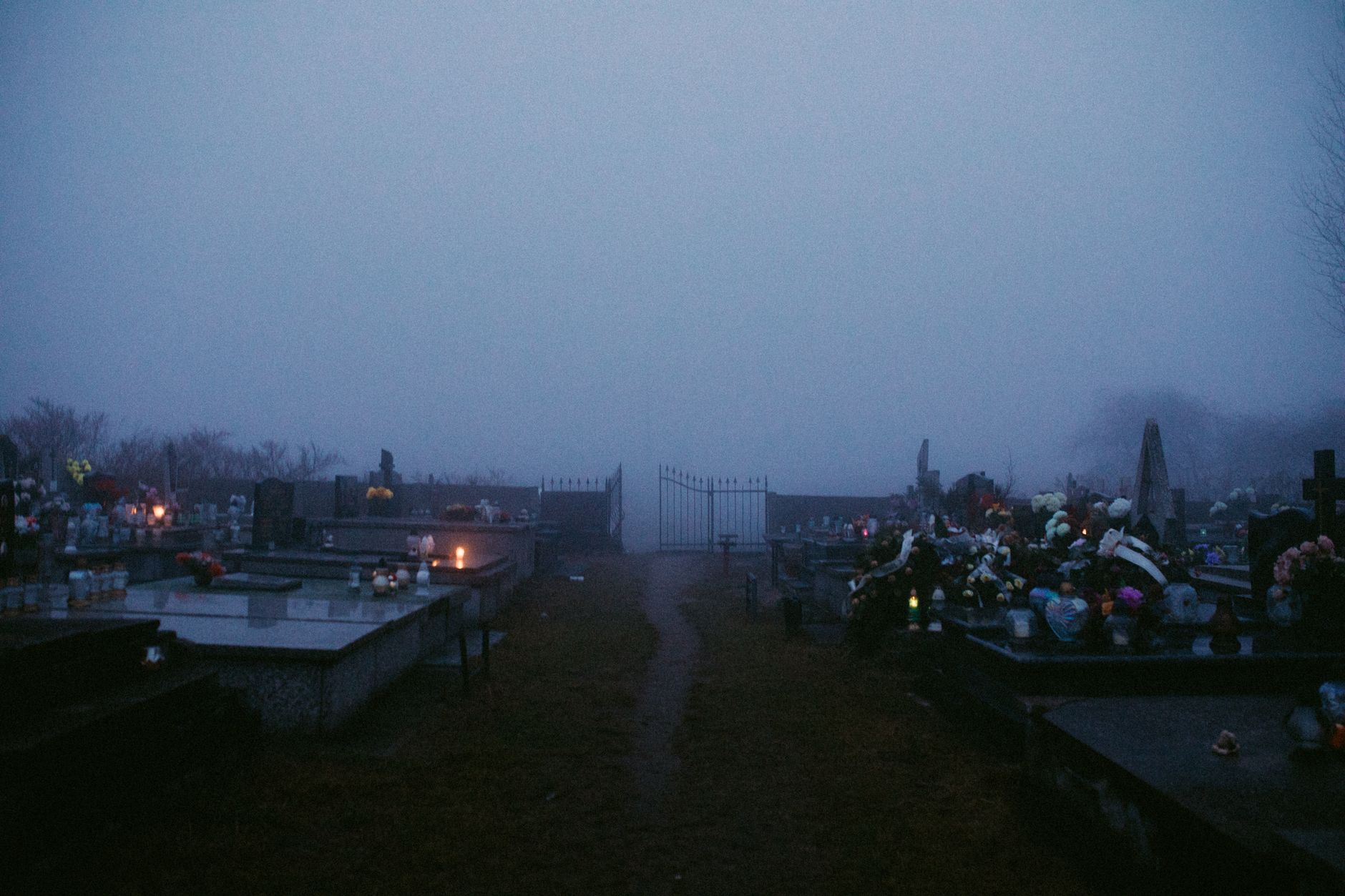
Yes, in the right role. Cemeteries and memorial parks are unusually well matched to robotic patrol when the assignment is quiet, repetitive, and spread across a large site. The core problems tend to cluster after hours: vandalism, dumping, unlocked gates, vehicles where they should not be, and theft of metal or maintenance assets. A mobile patrol unit can cover that ground more consistently than a lightly staffed overnight team that is asked to watch everything at once.
The buying case is not that a robot replaces every guard task. It does not. The case is that memorial properties often need presence and verification more than constant human intervention. According to the U.S. Bureau of Labor Statistics, security guards and gambling surveillance officers are projected to have about 162,300 openings per year on average from 2024 through 2034, while overall employment is projected to show little or no change. That is exactly the kind of labor backdrop that pushes low staffing sites to automate routine patrol while reserving people for response, supervision, and public contact.
This is also a property type where tone matters. A cemetery is not a warehouse yard and should never feel policed like one. The right deployment looks calm, observant, and predictable. It supports the dignity of the grounds while extending coverage into the hours when the property is most exposed and least staffed.
Why does the economics look different on memorial properties?
Patrol economics in a memorial park are shaped by acreage, silence, and uneven activity. A typical night may contain long stretches of nothing at all, punctuated by a gate issue, a stopped vehicle, a person on foot after close, or dumped material near a side road. That is expensive terrain for purely human patrol because the site still needs eyes on distant zones even when incident volume is low.
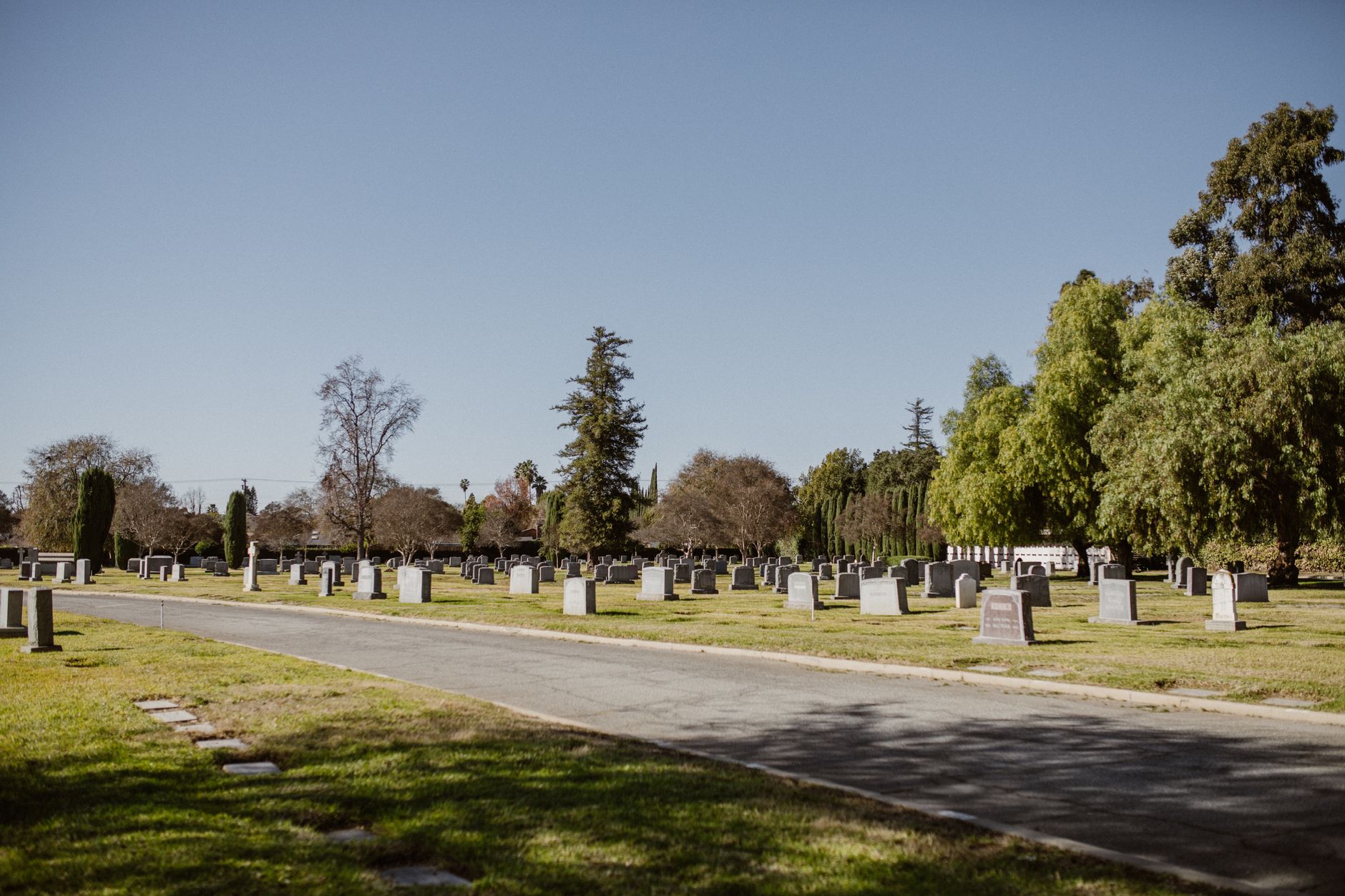
Scale is not theoretical here. The National Cemetery Administration says it administers 157 national cemeteries across more than 23,000 acres, and its largest site, Riverside National Cemetery, spans 1,237 acres. Private memorial parks differ from national cemeteries, but the operating lesson carries over. These properties can be broad, segmented, and visually open, which makes fixed coverage expensive to blanket and human rounds time consuming.
The underlying business is not tiny either. The latest U.S. Census service revenue series published through the St. Louis Fed shows cemeteries and crematories generated $5.679 billion in revenue in 2022. That does not mean every operator should buy a robot. It does mean this is a real operating sector with enough asset value, visitor expectations, and maintenance burden to justify a more disciplined security design than a lock and a hope.
Where do robotic patrols actually help most?
The strongest fit is repetitive exterior patrol over long routes. Think perimeter roads, service lanes, maintenance yards, back fences, overflow parking, and the travel path between main gate and secondary access points. A robot is useful when the route is predictable, the incidents are sparse, and management benefits from documented rounds instead of occasional drive-through checks.
Robots also help when you need mobile verification rather than permanent stationing. If an alarm trips at a secondary gate or a supervisor wants a look at a dark corner of the property, dispatching a machine for a live view can be more practical than sending a person across a large site for every exception. The same logic applies to recurring nuisance issues such as after-hours loitering or suspected dumping near the perimeter.
Copper theft is another reason memorial properties should care about after-hours visibility. The FBI describes resource metal theft as a growing problem and specifically notes that copper theft threatens critical infrastructure and causes service disruption. Cemeteries are not substations, but they do contain vulnerable metal assets, irrigation infrastructure, maintenance equipment, and utility-adjacent areas that thieves may test when the grounds are quiet.
This is where a security patrol robot rental or autonomous patrol robot program can make sense operationally. The value is not just detection. It is the discipline of repeatable rounds, timestamped observations, and a visible presence that makes a low traffic site feel watched without keeping a full overnight crew in motion for ten straight hours.
- Long perimeter roads where one missed round can leave half the property unchecked for hours
- Secondary gates that need repeated closed and latched verification overnight
- Maintenance compounds, fuel storage areas, and irrigation controls that sit away from the main office
- Dumping hotspots along fence lines, wooded edges, and low visibility service entrances
- Parking areas where an occasional vehicle check matters more than constant human presence
Where do fixed cameras still beat robots?
Fixed cameras win anywhere continuous stare matters more than mobility. Main gates, payment offices, chapel entries, mausoleum doors, equipment sheds, and high value storage rooms should have permanent coverage first. If an operator needs uninterrupted evidentiary video of a choke point, a robot is the wrong primary tool.
They also win in places where response time is measured in seconds, not patrol cycles. A robot may pass a location every few minutes or revisit it on demand, but it cannot provide the same persistent view as a properly placed fixed camera. For entrances, cashier functions, and any point where people and vehicles must be positively identified every time, fixed systems remain the foundation.
The practical answer for most memorial parks is mixed architecture. Use fixed cameras to lock down the critical nodes. Use mobile patrol to sweep the long connective tissue between those nodes. That combination usually outperforms either approach alone because it spends permanent coverage where permanence matters and mobility where mobility matters.
How should operators think about low traffic nighttime patrols?
Night patrol at a cemetery is a game of exception management. Most of the property is quiet most of the time. That means the patrol design should optimize for proving normalcy quickly and escalating only when something breaks pattern. Slow, repeatable rounds are often better than aggressive speed because they improve image quality, detection confidence, and public comfort if the machine is seen from the road or by a late visitor.
Route design matters more than marketing language. The patrol should touch gates, long fence runs, maintenance areas, and prior incident zones on a schedule that reflects actual risk. The property does not need the same cadence everywhere. A front entrance may need frequent verification near closing and reopening, while a distant treeline may justify broader interval patrols except on weekends or after local events.
Human backup must stay in the loop. A robot should hand off to a guard, supervisor, or monitoring desk when it finds a vehicle after hours, an open gate, a person in a closed section, or a potential theft setup. Memorial parks should not ask a machine to handle confrontation on its own. The point is faster discovery and better documentation, not solo enforcement.
For operators exploring robot leasing for business, lease rental or sale, or a robot as a service structure, the key question is not ownership format first. It is route utility. If the machine cannot cover meaningful overnight ground safely and repeatedly, financing terms do not rescue the deployment.
What does respectful public facing behavior require?
This property type has almost no tolerance for gimmickry. Audio prompts should be sparse, low volume, and purpose built. Lighting should be visible enough for safety and deterrence without creating a spectacle near gravesites or active services. The machine should move deliberately, yield generously, and avoid any behavior that feels theatrical.
Operators should also define etiquette rules for daytime overlap. If the robot patrols near visiting hours, it should favor perimeter roads and service paths over active family areas. It should never trail visitors, crowd a funeral procession, or interrupt grounds crews during delicate work around markers and floral displays.
A respectful deployment also needs good signage and internal policy. Visitors and staff should know what the machine does, what it records, and how a human can be reached. In a memorial setting, clarity reduces discomfort. Courtesy is not a soft issue here. It is part of whether the program survives first contact with families, staff, and ownership.
Why the integrator model matters more than the hardware brand
Cemetery operators rarely need a single device. They need a workable night system. That includes site assessment, route mapping, charging placement, camera and access control tie-ins, escalation rules, staff training, and a service plan for when a unit needs remote triage or field support. For most owners, the deployment risk sits in that operational stitching, not in the spec sheet alone.
That is where Service Robot Co. fits naturally. The company works as an OEM neutral commercial robot integrator for U.S. businesses, selecting the right machine across manufacturers and then handling financing, deployment, integration, training, and service through a nationwide engineer network. For a cemetery group with scattered properties, that one partner one number model is often more relevant than chasing a single branded box.
It also aligns with how many buyers want to test this category: commercial robot rental, monthly payment programs, maintenance included, and a pilot before wider rollout. A respectful memorial property does not need gadget theater. It needs a vendor neutral robot integrator that can make the robot fit the grounds, the staff, and the risk profile.
How should a cemetery judge success in the first 90 days?
Start with operational proof, not grand claims. Did overnight rounds happen when scheduled. Did gate exceptions get caught earlier. Did dumping hotspots receive more consistent checks. Did supervisors gain usable incident footage. A pilot should answer those questions cleanly before anyone talks about expansion.
Use a short metric set. Track number of completed patrol cycles, exception alerts by type, average response time after alert, false alert rate, and percentage of incidents first identified by mobile patrol versus fixed cameras or human staff. If the site has a known problem area, compare before and after incident frequency over the same operating window.
Also measure social fit. Ask grounds staff and managers whether the machine is predictable, quiet enough, and easy to work around. In this vertical, a technically capable patrol platform can still fail if its presence feels out of place. The right decision at day 90 is sometimes expand, sometimes redesign routes, and sometimes conclude that better fixed coverage at a few points will do more than a mobile unit.
That discipline is healthy. Cemeteries and memorial parks should buy robotic patrol because the patrol math works, not because the category is fashionable. When the fit is real, the result is simple: more verified coverage at night, fewer blind stretches, and a calmer use of human labor where human judgment matters most.