Key takeaways
- Gausium published a July 2026 case study on Selver deploying a new cleaning robot fleet in its supermarkets.
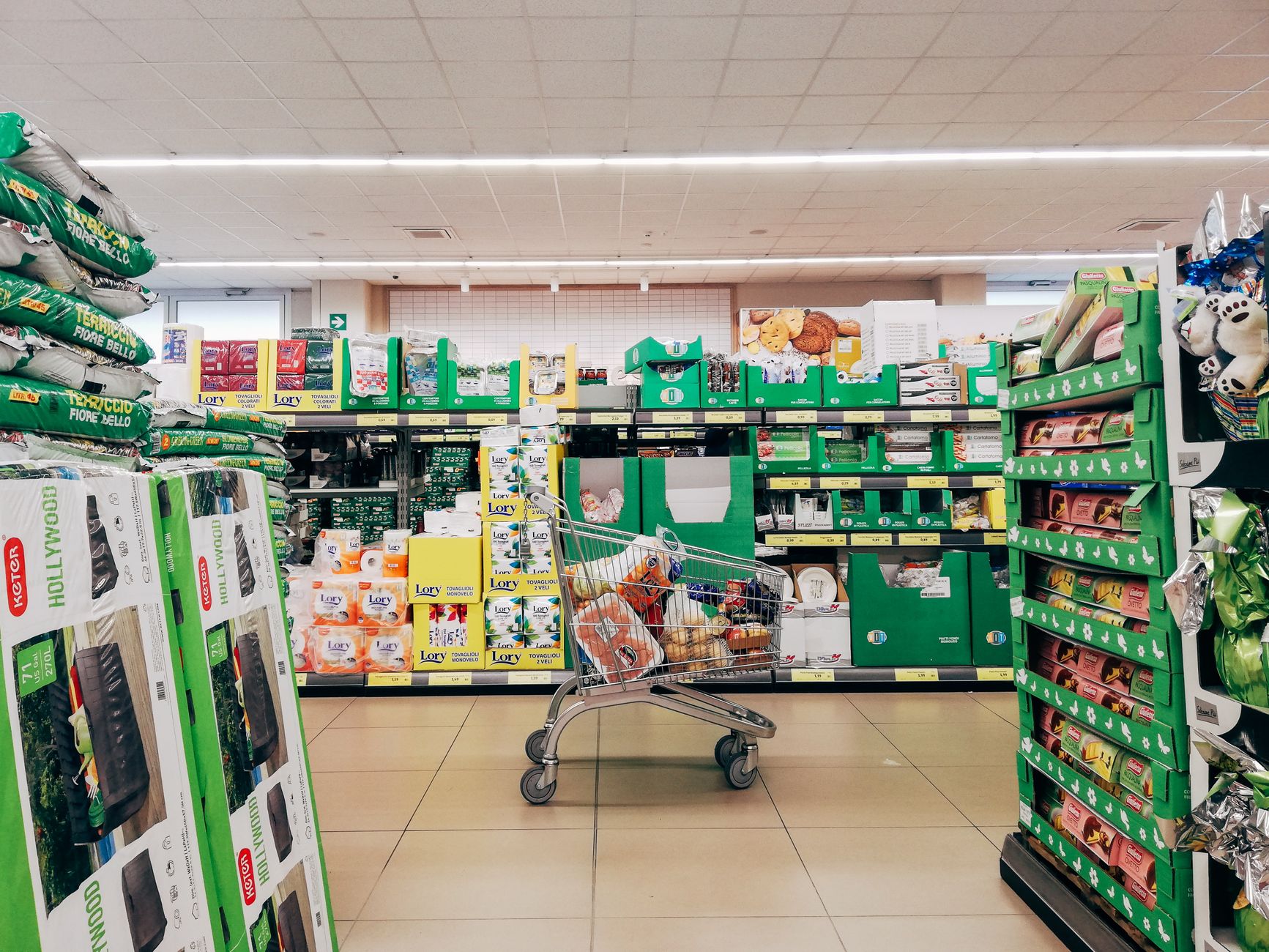
- Grocery aisles combine spill risk, narrow lanes, and customer traffic that breaks manual mop schedules.
- Published framing calls the robots polite on-duty colleagues, signaling customer-visible floor care.
- US grocers should pilot one store loop before copying a multi-store fleet rollout.
- Vendor-neutral integrators compare Gausium units against other scrubbers for your tile and grout mix.
What did Selver deploy according to Gausium?
Gausium case materials dated July 21, 2026 describe Estonian supermarket chain Selver introducing a new cleaning robot fleet in its stores. The headline calls the units very polite on-duty helpers, which signals customer-visible autonomous scrubbing rather than hidden overnight-only machines.
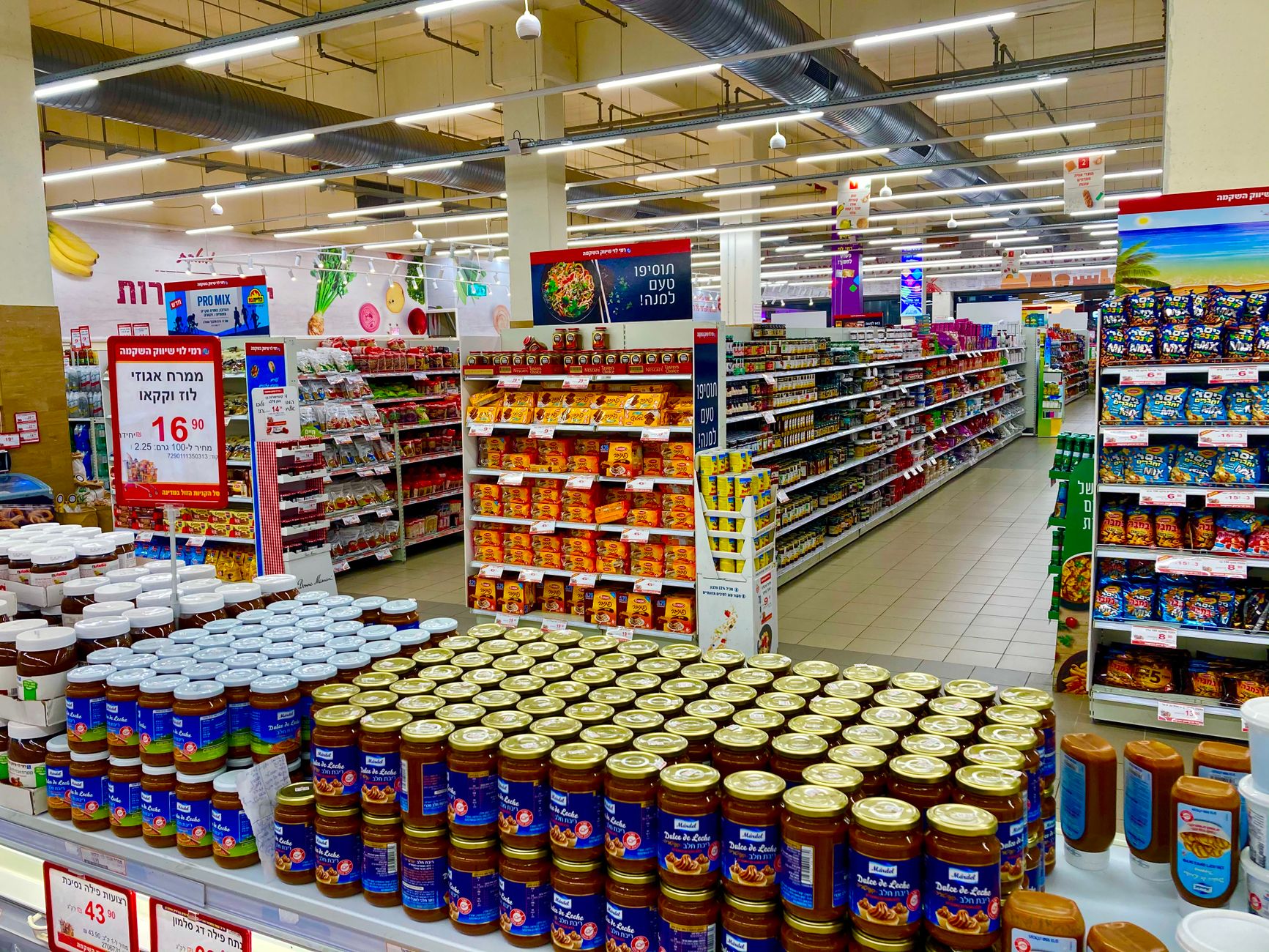
Selver operates in a competitive grocery market where aisle presentation and hygiene matter to shoppers. The published story centers on autonomous hard-floor care in active retail space, not only back-room maintenance.
US readers should treat the case as a fleet decision across multiple stores, which implies repeated maps, training, and service contracts at each site.
Why do grocery aisles punish manual scrubbing schedules?
Spills, dropped produce, and tracked-in moisture appear all day, not only after close. Manual crews often mop when aisles are empty, but modern stores run long hours and narrow cleaning windows.
Cart traffic and pallet drops reshape aisle width without warning. A scrubber program needs change control when endcaps move for promotions.
Labor turnover in retail janitorial work makes consistency harder. Robots hold the mapped loop when staffing gaps hit on weekends.
How should grocers map scrubbers around shoppers and pallets?
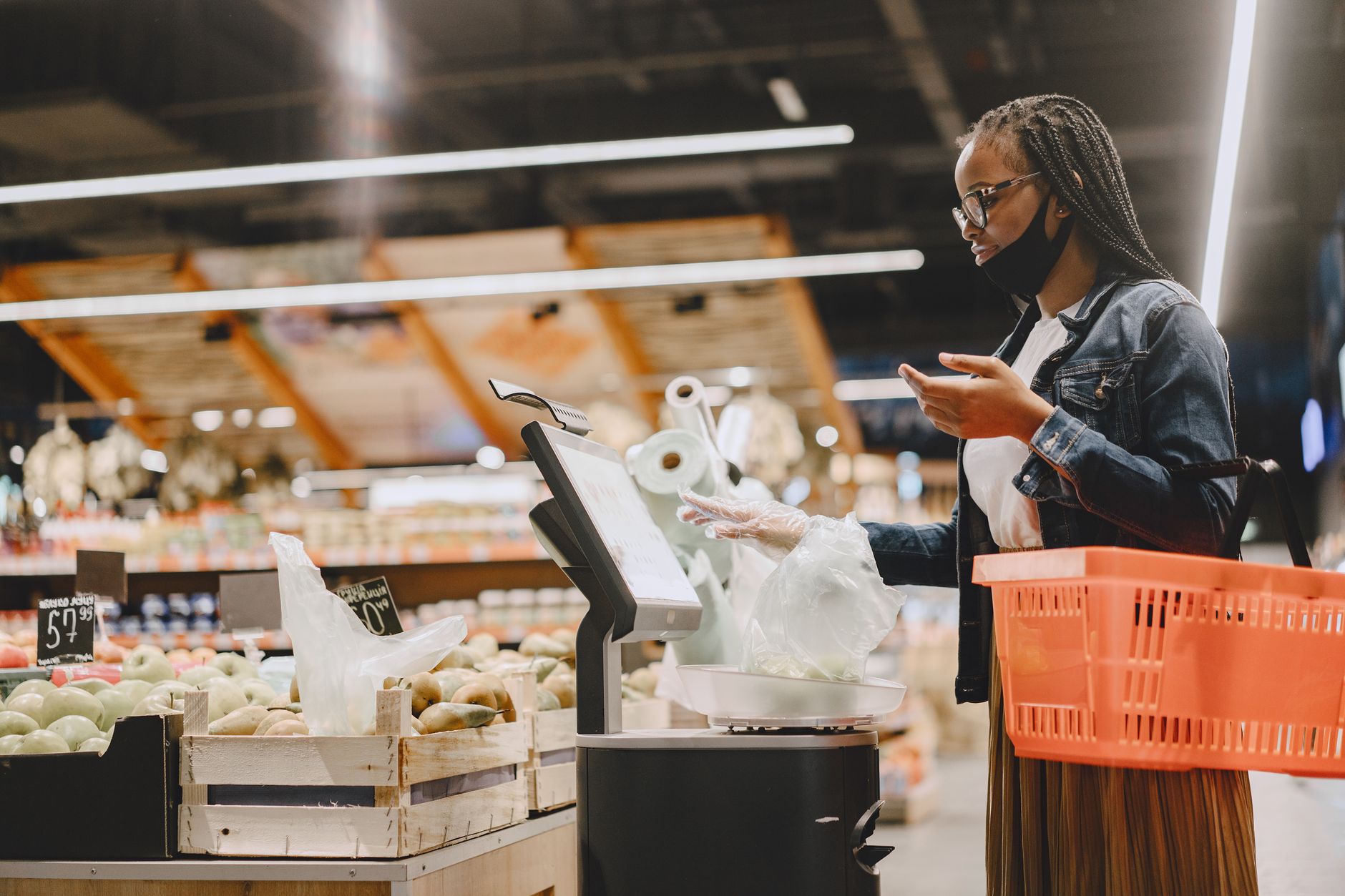
Daytime customer-visible scrubbing demands slow zones near checkout lanes and deli counters. Night-first schedules may fit stores that never truly empty.
Receiving hours overlap with scrubber routes when back-room doors open onto sales floors. Coordinate with inventory teams so robots do not meet forklifts in the same lane.
Entry mats and produce mist near floral displays stay wet longer. Map extra passes there without forcing the robot through crowded Saturday aisles.
- Pilot one store before multi-site rollout
- Mark promo endcap zones as no-go until reset
- Train managers on pause controls at service desks
What does polite customer-facing scrubbing imply for US stores?
Visible robots can delight shoppers or block carts if signage is weak. Selver's published tone suggests the chain wants automation to feel helpful, not industrial.
US grocers should script how associates answer questions when a scrubber stops for an obstacle. A confused guest at the dairy case costs more than a delayed mop pass.
Sound levels matter near prepared food. Run acceptance tests with store leaders before peak Sunday hours.
When is one scrubber enough versus a fleet?
One unit can anchor a pilot on front-end tile and main dry grocery loops under moderate square footage. Add units when parallel aisles cannot share a route without crossing live carts.
Multi-store chains like Selver need standardized maps and parts plans so a fault at store seven does not idle robots at store twelve waiting on a unique fix.
Lease financing spreads capital across stores that pass a pilot checklist.
What safety and slip-risk checks should US grocers run?
Document squeegee performance on quarry tile and polished concrete with your risk team. Grocery slip claims are expensive even when robots follow maps.
Keep humans on detail work at drains, dairy cases, and broken glass response. Scrubbers do not replace spill protocols for shattered jars.
Log every map edit after remodels or self-checkout reconfigurations.
How does Service Robot Co. help US grocers benchmark Selver?
We compare Gausium scrubbers against other manufacturers on your flooring samples and aisle widths. Selver's story is a reference for customer-visible scrubbing scope, not a copy-paste map.
We handle buy or lease financing, deployment, training, and RoboCare service so facilities leaders keep one partner as fleets grow from one store to many.
Start with a site walk that lists every hard-floor shopper mile, then measure labor hours and complaint tickets on that loop for thirty days.
What belongs in a grocery scrubber pilot contract?
Require written response times for faults during Friday evening peaks.
Specify who owns chemical selection and SDS compliance with your sanitation vendor.
Define success as fewer slip incidents and stable aisle scores, not robot hours alone.
Frequently asked questions
Sources
Service Robot Co. is not affiliated with, sponsored by, or endorsed by the companies mentioned in this article.