Key takeaways
- Airports should automate the most repetitive ramp moves first, not the most dramatic ones.
- The best early use cases are bag towing, fixed-route cargo pulls, and tightly bounded gate-side docking tasks.
- Recent Delta and IATA data suggest autonomy earns trust when it reduces damage exposure and fades into routine operations.
- A good airport program starts with narrow operating envelopes, clear handoffs, and measurable safety proof before fleet expansion.
The short answer is yes, but only in narrow, repetitive moves
Airports should automate more ramp-side ground moves, but not all of them and not all at once. The practical case is strongest where the work is repetitive, path-based, and operationally dull in the best sense of the word. Think bag towing between fixed points, cargo pulls on defined routes, and gate-service motions with tight procedural boundaries.
That is where autonomy starts to look less like a technology demo and more like an operations discipline. According to Delta's December 3, 2025 operational update, its autonomous jet bridges had already supported more than 1,100 flights without a single aircraft damage incident or injury, while its autonomous bag tugs had logged 4,000 miles since 2023 with zero injury or damage incidents. Those are not flashy numbers. They are exactly the kind operators should care about.
The context matters. Delta said on May 6, 2026 that Atlanta's airport handled more than 106 million passengers in 2025, and ACI World later put the precise figure at 106,302,208. At that scale, airports do not need futuristic theater. They need repeatable systems that shave risk out of everyday ramp work and keep turns predictable under pressure.
Where is autonomy already proving boring and reliable?
The most convincing autonomy stories in aviation are showing up in bounded jobs with stable start and end points. Bag tugs, cargo tractors, and docking tasks fit that pattern because the route logic is narrow, the handoffs are explicit, and the success condition is easy to define. Move this load from here to there. Dock to this point. Stop if the operating picture changes.
Delta's update is useful because it pairs deployment scale with the right safety lens. More than 1,100 autonomous jet bridge assists and 4,000 tug miles are large enough to matter, but still specific enough to evaluate. The point is not that autonomy has conquered the apron. The point is that certain moves are already becoming routine.
This lines up with broader industry guidance. IATA's Ground Ops of the Future program explicitly points airports and handlers toward autonomous vehicles for mundane, time-consuming tasks such as driving, while stressing risk assessment, infrastructure readiness, operational trials, and implementation planning. That is a sober playbook, not a moonshot.
- Fixed-route baggage pulls between bag rooms, cargo areas, and staging points
- Gate-side equipment motions where docking tolerances and stop conditions are tightly defined
- Repetitive ramp support runs that consume labor time but add little judgment value
- Closed-area or carefully segregated trial routes used to prove handoffs before wider exposure
Why start with baggage, gate service, and ramp support?
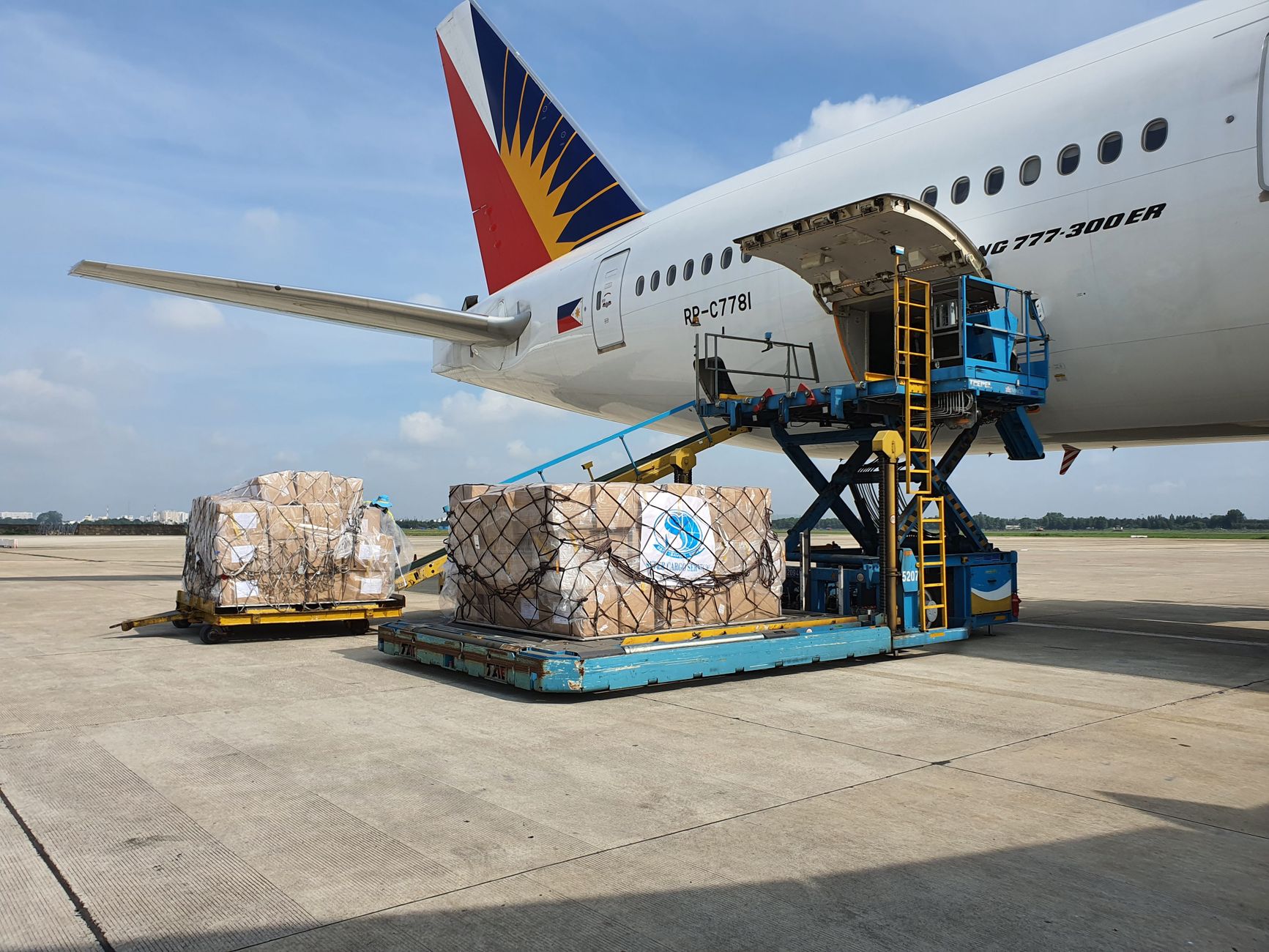
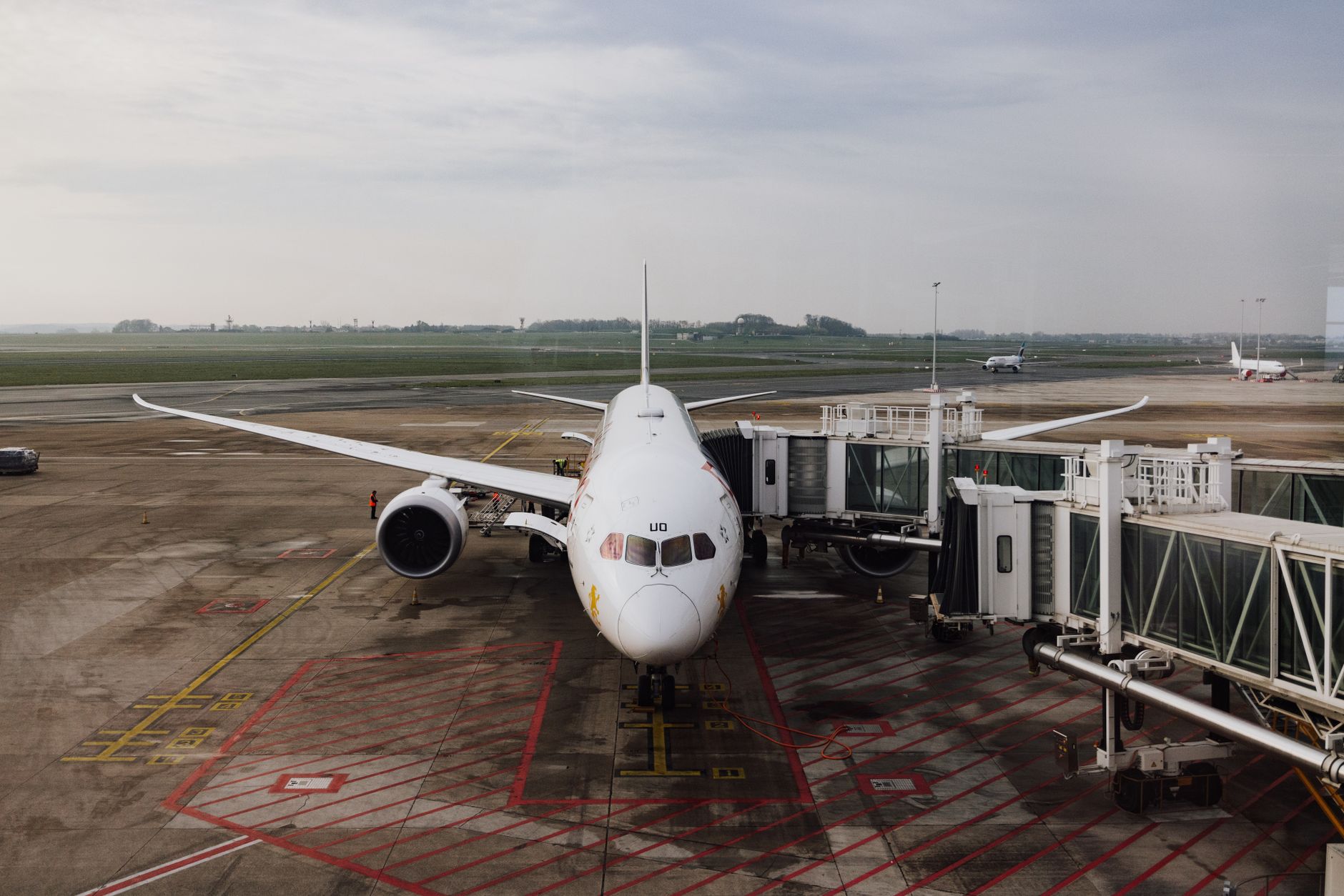
These jobs sit in the sweet spot between operational importance and procedural clarity. Baggage towing is repetitive, physically demanding, and exposed to congestion, yet it usually follows known lanes and recurring timing windows. Gate-service tasks are safety-critical, but some of them can be narrowed into highly controlled motions with layered sensing and stop logic. Ramp-support circulation often has enough structure to test autonomy without asking the machine to interpret every edge case on the field.
There is also a straightforward safety argument. IATA says GSE operations account for up to 40 percent of total global aircraft ground damage. That is a huge share of risk concentrated in vehicle movement around expensive assets. If autonomy, or even partial autonomy with better sensing and anti-collision behavior, can cut that exposure on repetitive tasks, airports do not need a grand theory to justify pilots.
Labor reality sharpens the case. IATA's guidance on ground operations repeatedly ties automation to chronic staffing shortages, retention pressure, and the need to move people away from the most monotonous driving work. The value is not just headcount substitution. It is redeploying experienced staff to jobs that still require judgment, exception handling, and coordinated turnaround awareness.
What should operators not automate too early?
Airports should resist the temptation to jump straight from a successful tug route to broad, mixed-traffic autonomy across the live apron. The hardest ramp work is not merely vehicle movement. It is movement inside a volatile choreography of wingtip clearances, service sequencing, radio calls, weather changes, late bags, pushback windows, and human improvisation when the schedule slips.
The Federal Aviation Administration has been explicit that autonomous ground vehicle testing is becoming more common, but that safety remains the priority and airport operators need early coordination, risk mitigation, and defined testing conditions. The FAA's 2025 guidance also makes clear that closed movement areas and associated safety areas can be used for testing, which tells you something important. U.S. regulators are permitting progress, but they are not pretending the airfield is a forgiving environment.
In practical terms, airports should be careful with open-ended tasks, mixed-priority dispatching, or any move where the machine would need to interpret too many ambiguous human behaviors too quickly. Automation should expand only after operators can prove stable performance in tightly bounded envelopes. Reliability first. Coverage later.
What does a sensible airport rollout look like?
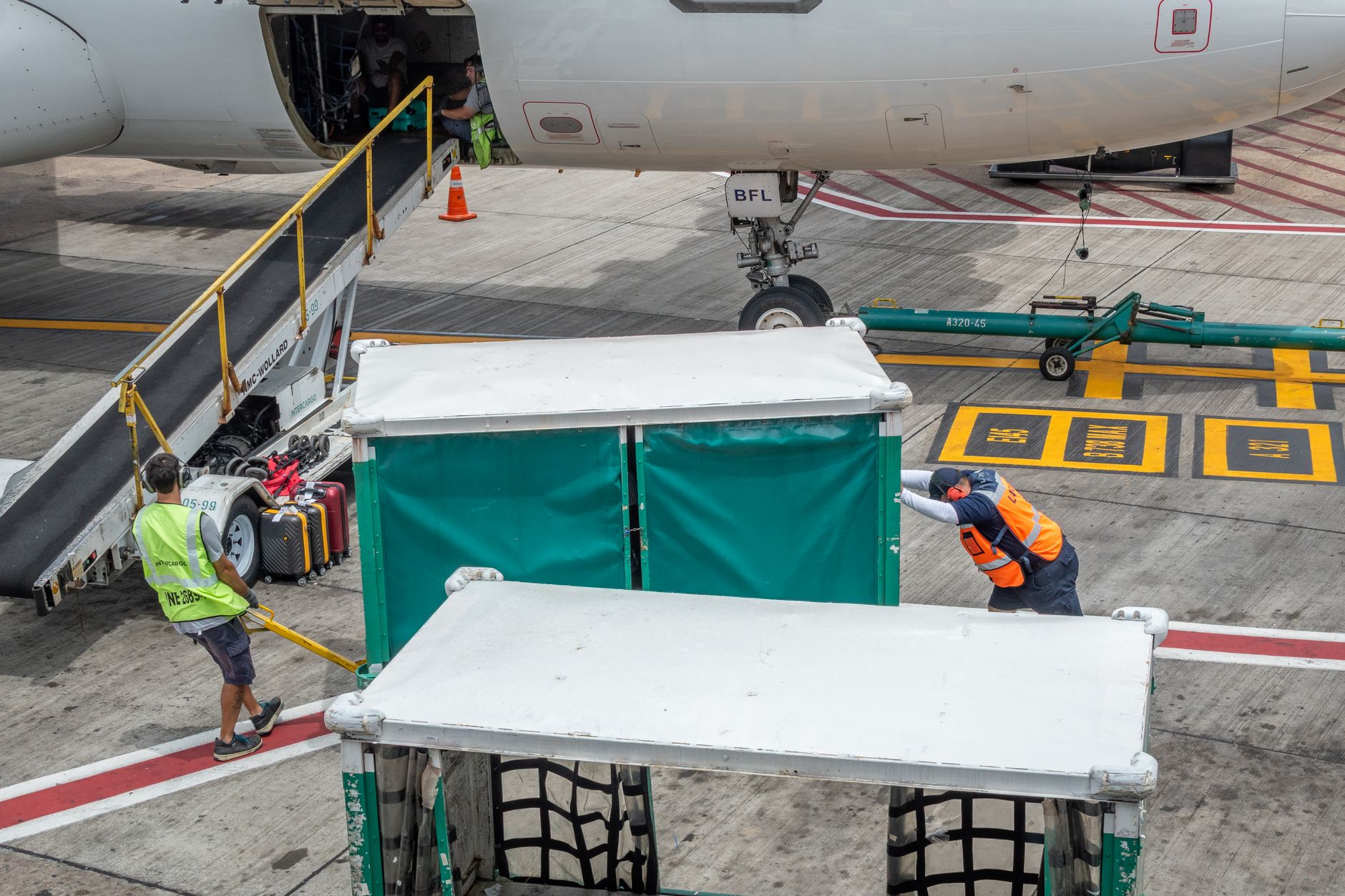
The sequence should start with work that is repetitive, low-ambiguity, and easy to score. A good first phase is usually one route, one operating envelope, one set of handoff rules, and one owner for the KPI review. If the system cannot be measured cleanly, the airport is probably trying to automate too much too soon.
For baggage, that might mean one fixed tug route between a bag room and a staging area. For gate service, it might mean one aircraft family, one concourse, and one well-defined docking process. For ramp support, it might mean scheduled circulation on a route that avoids the densest conflict points until the operating discipline is proven.
The KPI stack should stay brutally practical. Track damage incidents, human interventions, route completion rate, missed service windows, average cycle time, and recovery time after a stop. IATA said in May 2026 that 2025 saw no fatal ground handling accidents and one serious injury across nearly 40 million flights, which is a reminder that aviation already measures operational change against unforgiving safety expectations. Airport autonomy has to earn its place inside that culture, not outside it.
- Start with one repetitive move and a narrow operating envelope
- Define exact human handoff points and stop conditions before launch
- Run trials long enough to capture peaks, weather disruptions, and congestion periods
- Expand only after the airport can show cleaner safety and consistency data, not just technical completion
What procurement lessons matter more than the robot itself?
For most airports, the decisive issue is not brand selection. It is operational fit. The airport needs a machine and operating model that match route structure, apron geometry, local procedures, network coverage, maintenance response, and the habits of the ground team that will live with it at 5:30 a.m. in bad weather.
That is why an OEM-neutral approach matters. Service Robot Co. works as a vendor neutral robot integrator for U.S. businesses, which is often the cleaner fit for airport operators than buying around a single manufacturer's product map. The practical job is to pick the right robots across manufacturers, then handle robot deployment and integration, site assessment mapping, training, financing, and field service through one partner and one number.
In airport terms, that reduces a common rollout failure. Operators do not really want an interesting vehicle. They want a full lifecycle program that stays coherent after go-live, especially when the pilot turns into a fleet discussion. A turnkey robot deployment model is valuable here because airside operations punish fragmented accountability very quickly.
- Demand route-level KPI definitions before procurement closes
- Require written maintenance and remote triage processes for airside downtime
- Test local service coverage, spare strategy, and escalation paths before expansion
- Treat site assessment mapping and staff training as part of the operating system, not optional extras
How does this connect to the broader airport automation case?
The lesson from current deployments is not that airports should hand the ramp over to autonomy. The lesson is that some ramp-side moves are finally mature enough to be judged like any other operations asset. If the work is repetitive, the envelope is well defined, and the handoffs are disciplined, autonomy can become productively boring. That is the standard operators should want.
This also opens a wider planning path. Once airports prove reliability in bounded towing or docking tasks, they have a stronger basis for adjacent programs such as autonomous mobile robot rental for indoor support areas, airport cleaning robot rental in terminal spaces, or robot as a service structures that let operators expand without forcing every site into the same capital timeline. The ordering matters. Earn trust on the ramp, then widen the map.
The next few years will likely separate serious airport automation programs from novelty projects by one criterion. Not how advanced the hardware looks, but how quietly it handles routine work. On the ramp, boring is the benchmark.
Frequently asked questions
Sources
- Delta News Hub - Delta spurs innovation on the world's busiest ramp
- Delta News Hub - Delta continues to power the world's busiest airport
- ACI World - 2025 busiest airports rankings
- ACI World - busiest airports data table
- IATA - Ground Ops of the Future
- IATA - Ground Support Equipment
- IATA - 2026 ground handling safety release
- FAA - Autonomous Ground Vehicle Systems on Airports
Service Robot Co. is not affiliated with, sponsored by, or endorsed by the companies mentioned in this article.