
Key takeaways
- A one-person gap often lands on fairways first unless the long passes move to a planned route.
- USGA, summarizing the 2024 GCSAA Maintenance Budget Survey, reports labor expenditures up 17 percent from 2022 to 2024.
- Autonomous fairway passes return operator seat time to greens, bunkers and tees.
- Log one week of crew hours by task before estimating any gain.
- Pilot one zone, confirm service response in writing, then widen the scope.
Who cuts the fairways when the crew is short?
When a golf course loses a mower operator, the fairways do not wait. Someone has to cover the passes, and on most crews that someone is pulled from greens, bunkers or tee work. The real question is what goes undone while the fairways get cut.
For many courses, the answer now includes a robot. An autonomous fairway mower runs a mapped route on its own, which moves the long, repetitive passes off the crew's plate. The superintendent keeps control of height, timing and conditions, and the crew keeps its hands on the detail work members notice most.
The hidden cost is easy to miss. Fairways that hold height look fine from the clubhouse, while greens edges, bunker faces and tee boxes slip a little each week. Those are the places where a short crew shows up first.
How much labor pressure is real?
According to the 2024 GCSAA Maintenance Budget Survey, as summarized by USGA, average labor expenditures rose 17 percent from 2022 to 2024. That figure measures spending, so it reflects wage pressure and overtime as much as open positions. It does not say how many courses went short a person in any given week.
The distinction matters for planning. A rising labor line tells you what hands cost. It does not tell you how many crew hours remain for fairways, greens and bunkers. Only a task-level log of your crew can answer that.
Seasonal hires and robots both return hours, but they do it differently. A seasonal hire needs training each spring and leaves when the season ends. A leased robot runs the same route every day, yet it needs a map, a supervisor and a plan for faults.
Where do crew hours really go?
Fairway mowing is long, steady and easy to schedule, which is exactly why it gets skipped when someone calls in sick. Greens, bunkers and tees ask for something else: close attention, hand work, and quick response when a trap edge, a pin area or a tee surface needs repair before the first group arrives. When one person leaves, those jobs compete with the long passes for the same few morning hours.
The useful exercise is a one-week log by task. Most superintendents can describe the greens routine in detail but estimate fairway time from memory. A short log turns that estimate into a number you can plan against, and it shows whether a robot would return hours to the jobs that need them.
What do autonomous passes actually free up?

An autonomous mower follows a mapped course, stays inside the boundaries you set, and runs without an operator in the seat. The crew defines the zones, sets cut heights and reviews results. Seat time becomes supervision time, which is shorter and easier to fit between other duties.
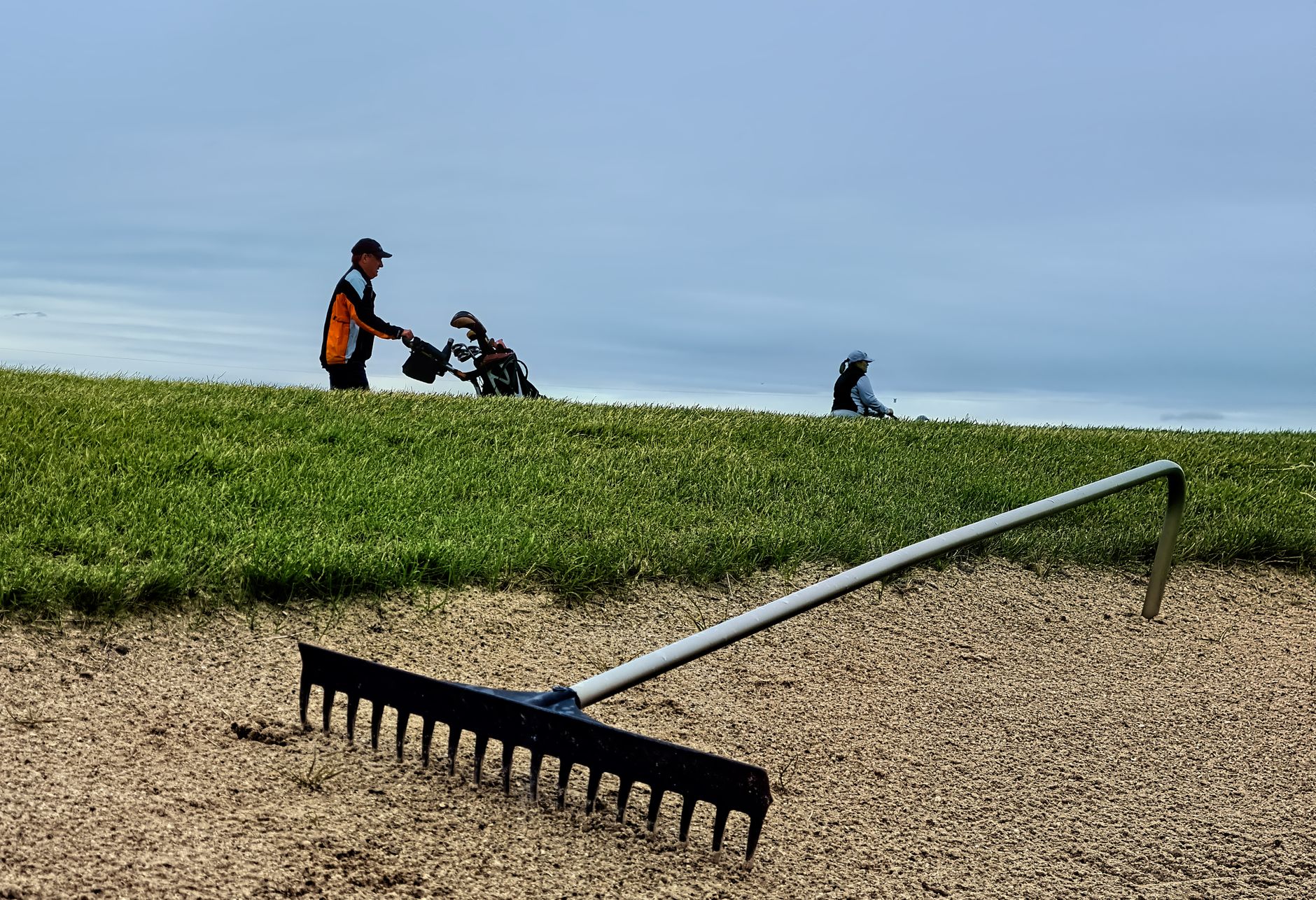
Freed hours land in specific places. Greens get more attention to pin placement, firmness checks and collar work. Bunkers get raking, edge trimming and face repair. Tees get divot repair and surface work. None of these jobs disappear, but they stop losing the morning to a machine that needs a person beside it.
The tradeoffs deserve equal space. Mapping takes time before the first full run. Steep slopes, wet low spots and tree-lined corners may still need a person. Cart paths, drains and sprinkler heads must be documented, or the robot will route around problems the crew already knows about. A plan that ignores those details can create new work instead of removing it.
What should you verify before a robot takes fairways?
Ask any vendor or integrator for specifics rather than general assurances. A good answer names people, places and response steps, not just features. Start with these four questions.
Vague answers mean the crew absorbs the gap. Get the responses in writing before anything is signed, and confirm that the superintendent sees the same map the robot uses.
Crew morale deserves attention too. A crew that hears robots will take the fairways may hear a threat. Explain which hours return to them, which tasks grow, and what training they will receive.
- Who builds the course map, and who updates it after tree work, bunker rebuilds or drainage changes
- What the response looks like when a unit stops during play hours, and who answers the phone
- Whether a spare or loaner unit covers the primary while it is serviced
- How remote diagnostics are triaged before a technician is dispatched to the course
How does Service Robot Co. fit a golf crew's labor gap?
Service Robot Co. is an OEM-neutral integrator for US businesses. We select the mower that fits your turf and layout across manufacturers, then place it through a 3-year lease with one fixed robot lease payment quoted after a site assessment. We handle deployment, integration and crew training, so the superintendent is not coordinating several vendors at once.
Every unit is serviced under RoboCare, our robot maintenance service plan, backed by regional service engineers in every state we service. Many courses begin with one leased unit on a single zone, then widen the scope once the logs show what changed. That approach suits a crew that cannot absorb a failed rollout in the middle of the season.
What should a first season look like?
Pick one zone with clean boundaries, steady play and a predictable route. Avoid tournament weeks for the first runs, and keep the manual schedule in place until the map has been checked on the turf. Log hours by task every week so the before and after comparison holds up.
Judge the result on greens and bunkers, not on mower output alone. If detail work improved and the fairways still hold height and color, the pilot has done its job. If not, the logs will show where the plan needs adjusting, and that knowledge is worth having before any wider commitment.
Frequently asked questions
Want a robot working for you?
Tell us the job and the site. We will recommend the robot, quote the lease, and keep it serviced.