Key takeaways
- Golfdom reports that 63% of superintendents rated the labor market bad or very bad in the GCSAA 2022 survey.
- The USGA Green Section Record ranks lack of qualified or skilled labor as the top concern among superintendents.
- USGA, citing GCSAA, reports average labor expenditures rose 17% from 2022 to 2024.
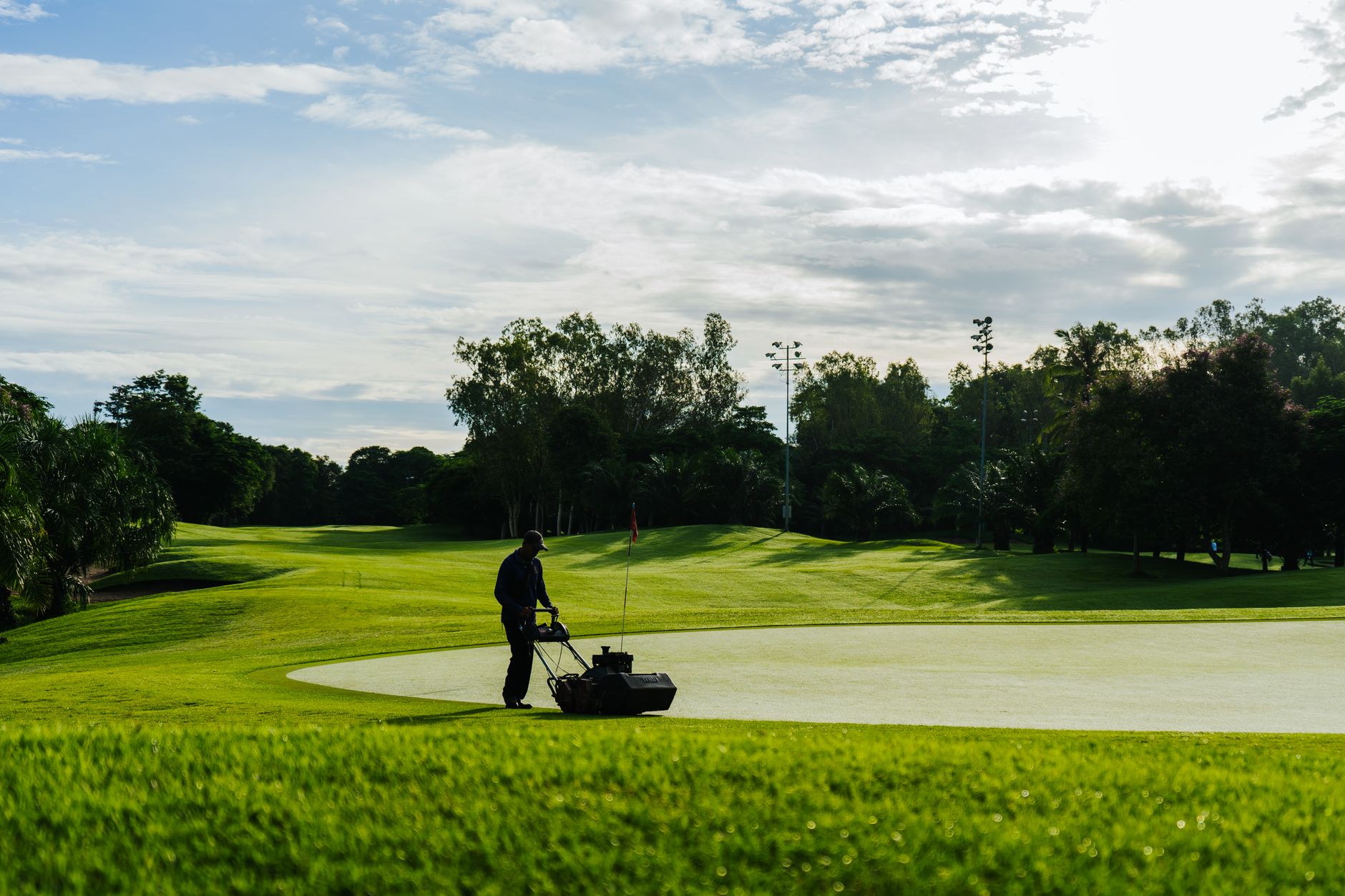
- Every routine mowing hour is an hour a short crew cannot spend on greens and bunkers.
- Check the survey year before quoting the 63% figure, because one GCSAA-linked newsletter ties it to 2019.
Why superintendents called the labor market bad
Superintendents called the labor market bad mainly because they could not find enough qualified people to staff the course. Golfdom reports that in the 2022 Capital and Labor Survey by the Golf Course Superintendents Association of America (GCSAA), 63% of superintendents rated the labor market bad or very bad. The USGA Green Section Record adds that, in a Green Section survey, lack of qualified or skilled labor was the highest-ranked current concern among superintendents nationwide.
The fear underneath those numbers is practical. A superintendent with an empty mower seat or a thin bunker crew cannot promise the cut, the rake or the green roll that members expect on a given morning.
Cost has moved too. According to the USGA Green Section Record, citing the GCSAA 2024 Maintenance Budget Survey, average labor expenditures across the country rose 17% from 2022 to 2024.
How to read the 2022 figure
The 63% result is a 2022 reading as reported by Golfdom, and it should be treated as a historical snapshot, not a current one. The year is not fully settled, though. A GCSAA-related newsletter says the 63% figure matches its 2019 survey results, and that the 2016 figure was 45%. The newsletter does not state the year clearly, so the sources we checked do not confirm which survey produced the number.
We did not open the GCSAA report itself in this pass. Before a superintendent quotes the 63% figure in a budget memo or board deck, the original GCSAA survey report should be checked for its year and question wording.
What a 17% rise in labor spending does and does not say
A 17% rise in labor expenditures is a spending figure, not a wage figure. It can reflect more paid hours, higher pay to keep people, overtime, or outside help. The USGA article notes that facilities have increased staff investment, but the sources we checked do not break down the reasons, so we will not assign one.
The practical point is simple. When the budget grows and qualified hands do not, each dollar buys fewer productive hours on the course. A budget that looks larger on paper can still leave the crew short.
Where the lost hours land: greens and bunkers
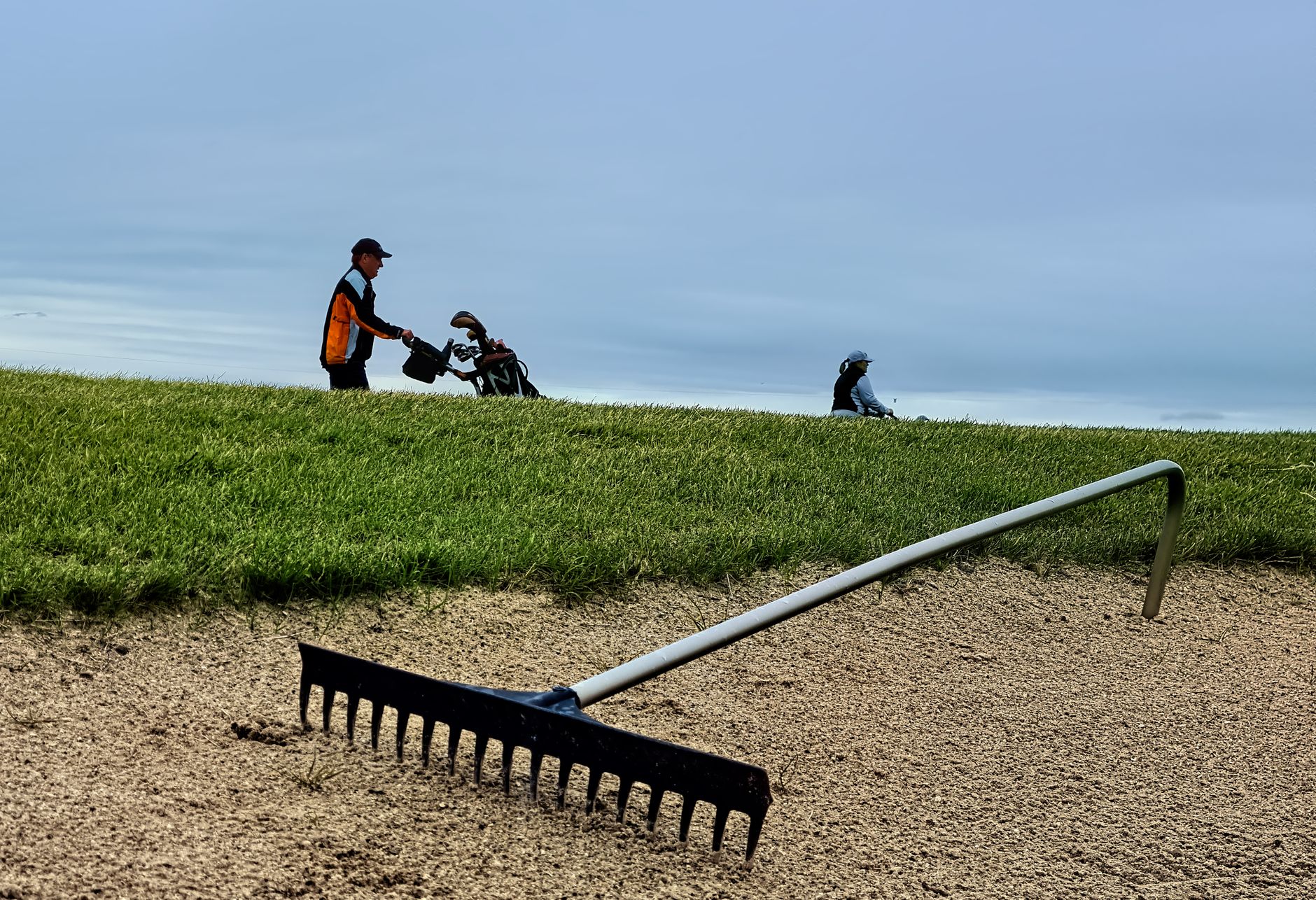
A crew's hours are finite. On a typical day the same people cut greens, roll them, rake bunkers, edge, mow approaches and fairways, and check irrigation. When routine fairway mowing takes the early morning, the more skilled work on greens and bunkers gets squeezed into whatever time remains.
Greens and bunkers are where a short crew shows first. Those tasks need experienced hands and careful timing, so they are the hardest to hand to a newer or part-time worker. Three checks help a superintendent see the squeeze before it becomes a missed cut.
- Map crew hours by task for two weeks, not by memory.
- Log every unfilled shift and the work it pushed onto someone else.
- Track overtime as its own line, since it can hide a shortage inside the payroll.
Where a robot can take the routine passes
Autonomous mowing is one way to move routine passes off the crew schedule, and it fits best on fairways where the work is repetitive and the terrain is consistent. It does not replace the greens crew or the bunker work that depends on judgment.
How well a fairway suits a robot depends on slopes, obstacles, wet turf and layout, so the decision starts with a survey of the ground itself rather than a product sheet.
How a lease changes the staffing math

Service Robot Co. offers commercial robot leasing only, through financing on a 3-year lease, with one fixed robot lease payment quoted after a site assessment. We are OEM-neutral, so we select the unit that matches the work, then deploy, integrate, train and service it under RoboCare, our robot maintenance service plan, backed by regional service engineers in the states we serve.
For a superintendent, that structure turns a vague staffing gap into a line item that can be compared with a seasonal hire. Set the fixed lease payment against the hours a unit would cover and against what an open role costs the greens and bunkers in a typical week. The site assessment shows which holes and routes a unit can actually cover before anyone commits.
What a national survey cannot tell a single course
A national survey describes the market, not your crew. A course in a short northern season faces different pressure than a year-round Sun Belt facility, and a club with three full-time mechanics is not the same as one that relies on seasonal hires.
The useful reading is local. Count the open roles, the weeks they stay open, and the tasks that slip while they do. Those numbers belong in the budget conversation beside any survey figure, not in place of it.
Frequently asked questions
Want a robot working for you?
Tell us the job and the site. We will recommend the robot, quote the lease, and keep it serviced.