Key takeaways
- Spring is when landscape crews are most stretched, and field hiring is hardest.
- Surveys show more than half of responding landscape contractors planned to add field workers and crew leaders.
- A robotic mower on open turf keeps routes moving so crews can focus on trim and bed work.
- A robot covers route time. It does not replace the people you hire.
- A lease quote follows a site assessment, so map the turf before you plan the route.
Why is spring the hardest stretch for a crew?
Spring green-up is when a commercial landscape crew is most stretched. Mowing starts across every property at once, trim and bed work stack up behind it, and the field workers who would absorb that load are the hardest people to find. More hours from the same few people only goes so far. The practical answer is to move the repetitive open turf passes to a machine, so the people you have can work on what clients see first.
The labor data points the same direction. An older Green Industry Pros survey, whose publication year we could not confirm, found that more than half of responding landscape contractors planned to hire additional field workers and crew leaders over the next two years. It also found that 42% of respondents said field workers were harder to find and keep than in the past.
What the labor surveys do and do not show
The Green Industry Pros figures carry a caveat. We could not confirm the year of that survey, so read its numbers as a snapshot of industry pressure rather than a measure of today. The same survey reported that 59% of respondents said crew leaders were harder to find and retain. Respondents also named barriers: 23% could not offer year round employment, and 22% could not pay employees enough.
Aspire's 2026 Commercial Landscape Industry Report is newer, and Aspire's November 2025 blog post cites it. According to that post, 54% of contractors identify recruiting and retaining staff as a top business risk, alongside economic uncertainty and rising material costs. These figures are vendor reported. Turf Magazine describes the survey base as more than 1,000 commercial landscaping professionals, with fieldwork run from May 2 to May 23, 2025, so the percentages are best read as direction rather than a precise count.
Where the spring crunch lands on a crew
A crew's hours are finite, and spring compresses them. Mowing repeats on a fixed schedule across every property, while the work clients judge first sits at the edges: trim lines, bed edges, and the planting around an entrance. A crew that spends its morning pushing a mower across a long stretch of open lawn has fewer hands left for those edges when the account manager drives by.
A client who sees a sharp bed line on the way in rarely asks how many lawns were cut that week. Spring pulls crew leaders in two directions at once, and the route that slips is often the one nobody inspects closely.
How a robotic mower keeps open turf moving
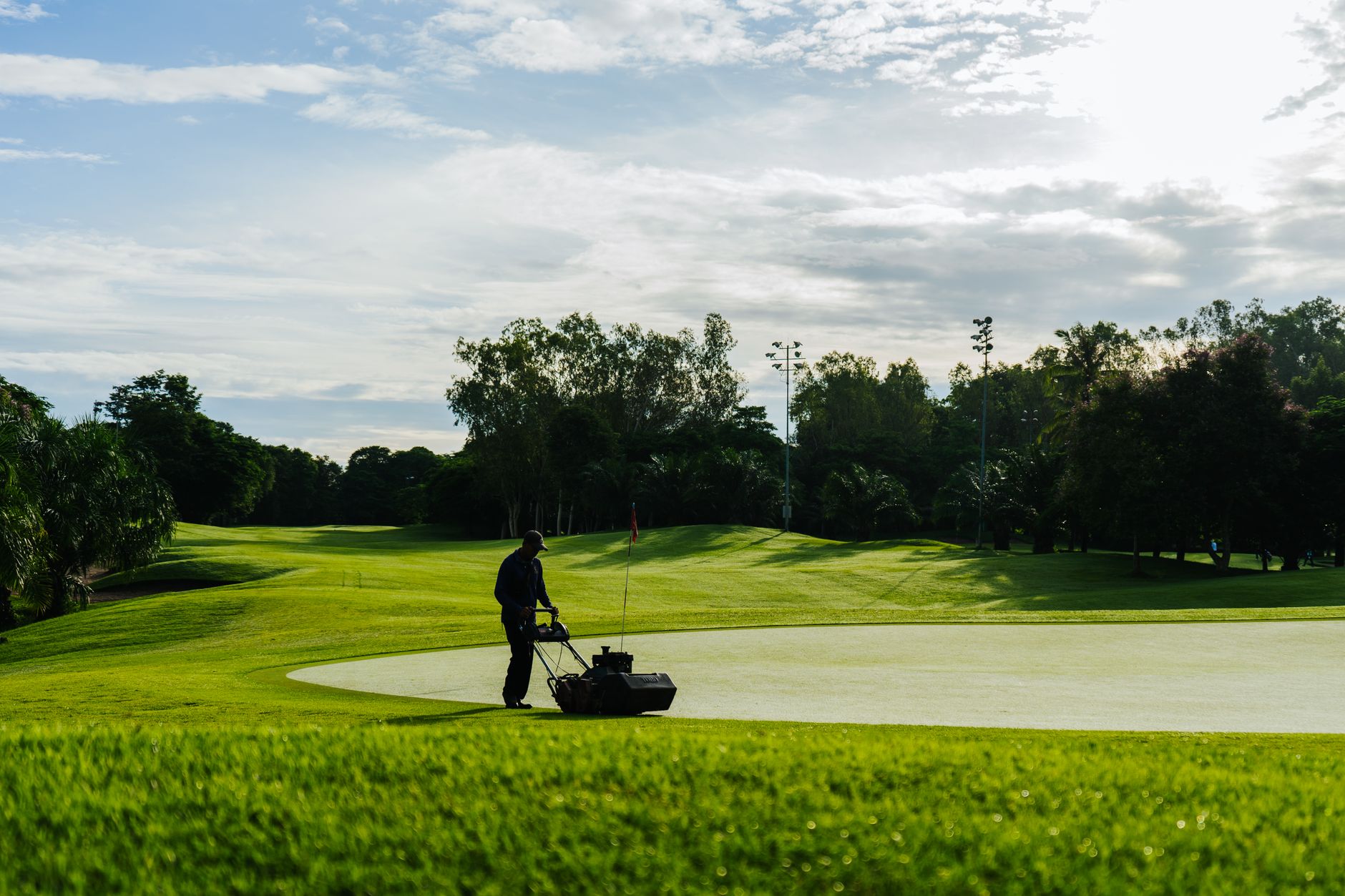
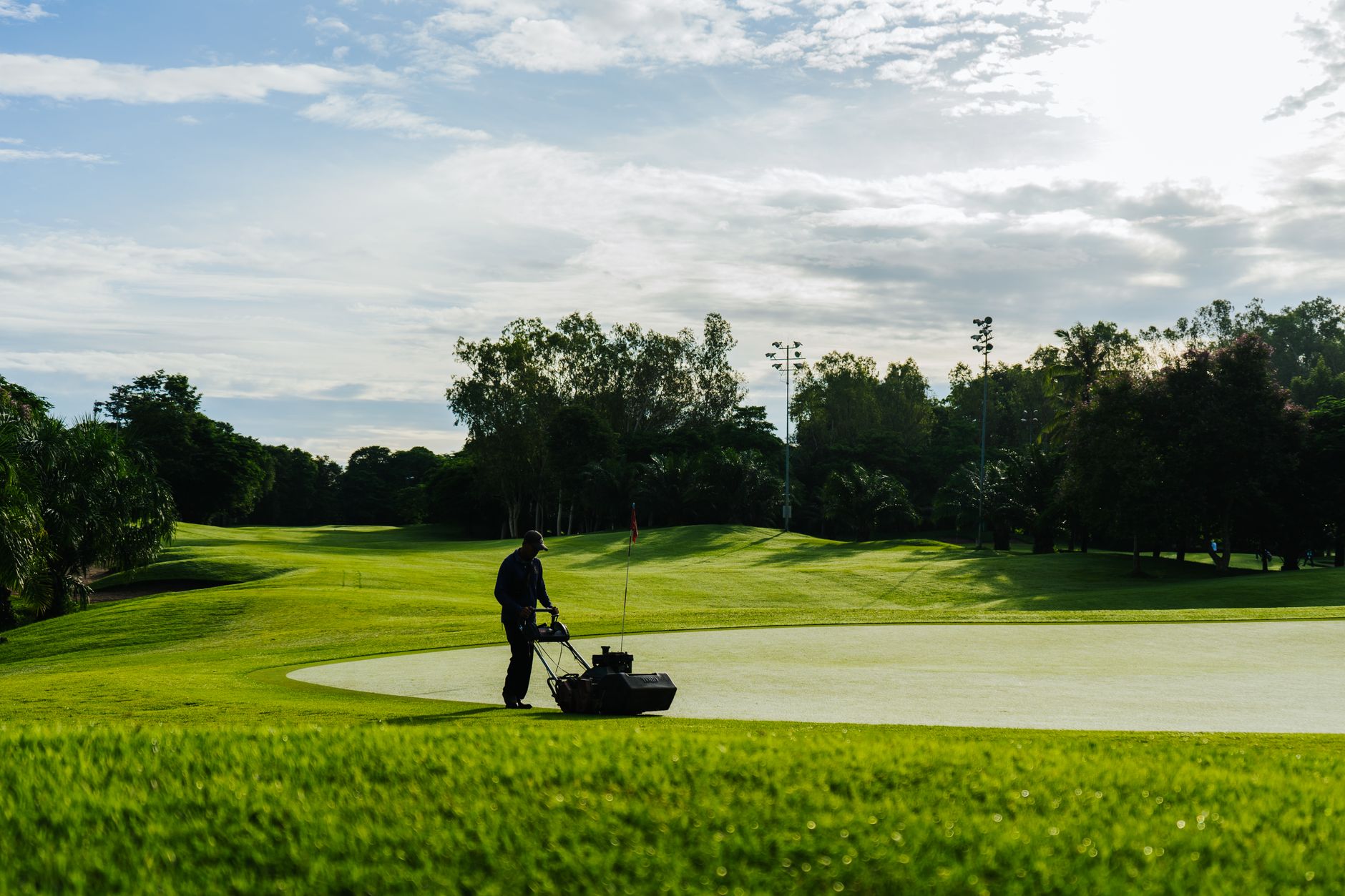
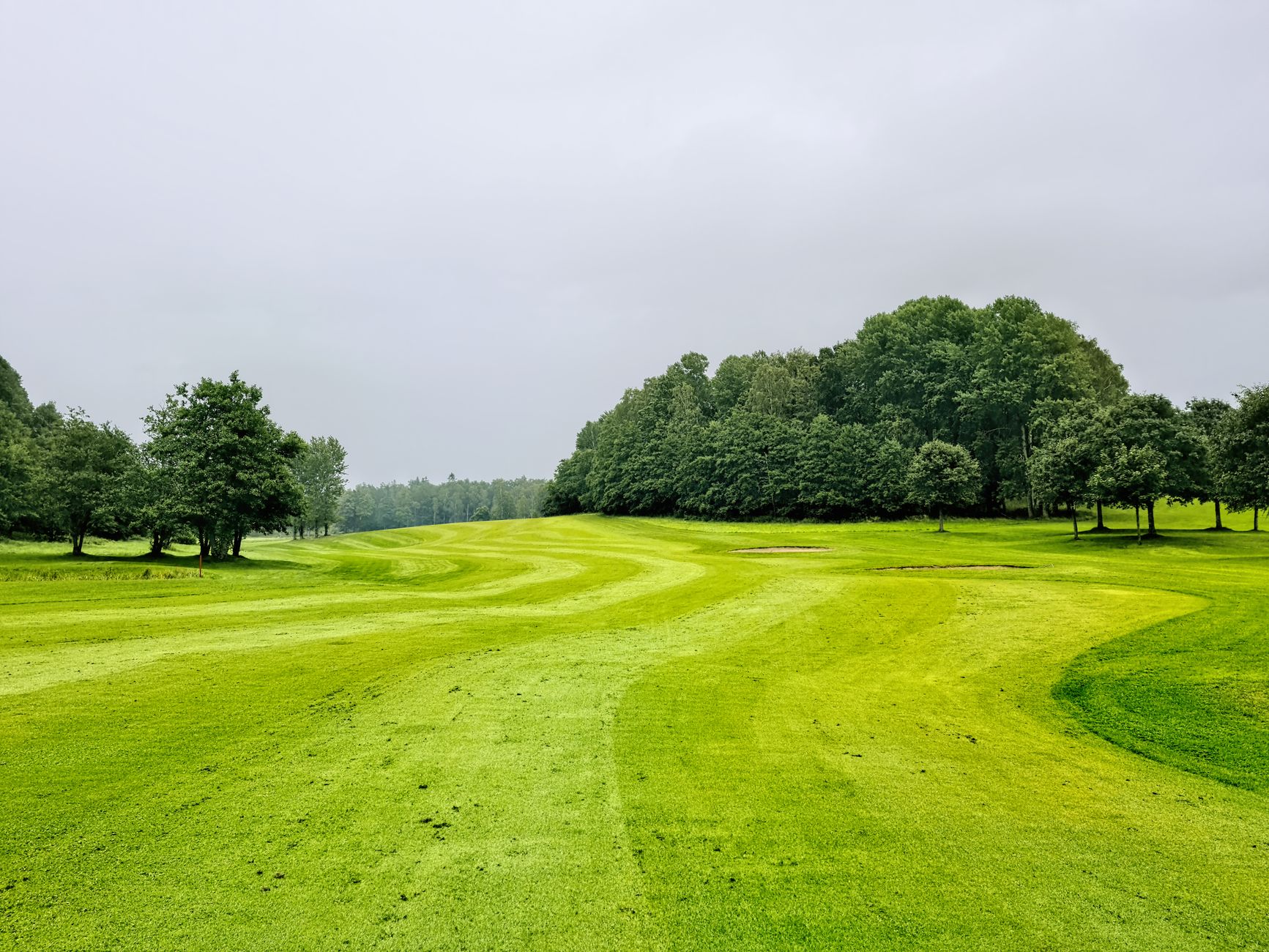
A robotic mower works best on open turf: large, reasonably level areas with clear boundaries, where the machine can run its route without a person riding it. While it cuts those passes, the crew keeps its hands on trimming, edging, and bed work. The robot keeps the route moving, and the crew keeps the edges sharp.
We are not putting a time savings figure on that, because we did not find an independent source for robotic mower labor savings. What we can say is that the turf a machine handles is turf that would otherwise pull a crew member away from the edges.
Before a mower goes on a route, a site review usually checks four things.
- Which zones are open turf with clear boundaries, and which need hand work
- Slopes, obstacles, and low spots that hold water after rain
- Where the charging station can sit without blocking a walk or drive
- Who checks the route each morning and steps in when the machine stops
Where the hires still matter
The robot does not replace the hires you still need. Someone has to set up zones, supervise the machine, handle trim and bed work, and speak with clients. The Aspire figure on recruiting and retaining staff is a reminder that retention matters as much as hiring. A route a robot covers can ease the pressure on the people you keep, but that is not the same as making them unnecessary.
That distinction should shape the spring plan. Hire for the trim, edging, and client facing roles that keep accounts, and use the robot to cover the open turf that would otherwise stretch those people thin.
How a lease gets a robot onto your routes
Service Robot Co. is a full service commercial robot integrator for US businesses. We are OEM neutral, so we select robots across manufacturers for the job, then arrange a lease through financing on a three year lease with one fixed payment quoted after a site assessment. We deploy, integrate, train, and service each unit through a nationwide US engineer network, so one vendor covers the whole lifecycle.
Robot lease options are sized to the site. A walk through the property comes first, and only then is a fixed lease payment quoted.
How should a business prepare for next spring's green-up?
The best time to scope a route is before the first mowing week, not during it. Map the open turf, mark the zones that stay with the crew, and agree on who checks the machine each morning. A short test on one property shows how the route behaves on real grass before the whole book depends on it.
A spring plan should read the labor data with its caveats in view. Treat the Aspire figure as a vendor reported signal, treat the Green Industry Pros figures as an older picture, and build the route around what your own crew can cover.
Frequently asked questions
Want a robot working for you?
Tell us the job and the site. We will recommend the robot, quote the lease, and keep it serviced.