Key takeaways
- Keep out zones around monument, sign and lighting bases let robot passes cover the open lawn between them.
- Island wire strands must never cross, and consumer size guidance does not carry over to commercial fleets.
- Virtual zones are not for use near pools or streets, where a physical wire and a barrier at least 15 cm high are needed.
- The crew keeps edging, bed borders and detail work at every obstacle on the entrance.
- We found no verified public clearance distances, so set them from the manufacturer manual and a supervised test pass.
Can a robot mow around a subdivision entry monument?
Yes, for the open lawn. A robot mower can cover the turf around a stone monument, sign post, lighting base and planted bed, but only after those obstacles sit inside keep out zones the mower is set to avoid. The close work at each edge stays with the crew.
The split is simple to state and takes real planning to set up. Robot passes take the large, open lawn on a regular schedule. Hand crews take the edging along monument footings, sign bases and bed borders, plus any hand work near lights and irrigation. Zone boundaries are the link between the two.
We did not find verified clearance distances for monument, sign or lighting bases in public sources. Those figures should come from the manufacturer manual and a walk of the actual property, not from a rule of thumb.
How do keep out zones work on a commercial lawn?
Most robot mowers follow a boundary wire that runs around the lawn perimeter. An island is a loop of boundary wire around an obstacle. Husqvarna support guidance says the two strands of an island run side by side and never cross, because crossed strands stop the mower from recognizing the island.
Worx guidance for its Landroid Classic suggests keeping islands under about 6 m x 6 m. Larger areas should be enclosed inside the main perimeter with a 30 cm gap instead. Those are consumer limits. A commercial fleet has its own installation manual, and that manual sets the maximum island size and zone count.
Which zone type fits a monument or sign base?
Physical wire is the default for a permanent obstacle such as a stone monument. According to Husqvarna support material, temporary options include a battery-powered FlexiFence wire, an Area Switch that shortcuts the wire so zones can be toggled, and steel Temporary Fence arches. Check any of these against your model's manual before relying on them.
Virtual zones are drawn in the app rather than laid as wire. Husqvarna says its AIM virtual stay out zones are not for use near pools or streets. Those areas need a physical wire and a barrier at least 15 cm high. An entrance monument close to a sidewalk or drive should be planned with wire.
Across every method, keep stay out zones clear of the charging station and guide wire. Include long runs of boundary wire inside each zone so the mower can navigate. Husqvarna's material also notes that its mowers tolerate gentle bumps, so trees do not always need fencing, although visible roots can still damage blades.
What do robot passes cover on the open lawn?
Once zones are set, the robot takes the broad turf between them. On an entrance landscape that is often the largest single area. EcoGardener describes commercial robotic mowers as suited to large, open turf on regular schedules and names HOA common areas among them. That is a vendor side article, and we have not independently verified its claims.
Setup time is the question boards ask next. Oxmaint, a vendor blog, says 2026 systems can map a 10 acre property in about three hours without buried boundary wires, and let one operator supervise up to three units. Treat that as a vendor claim. Mapping time on your site will depend on terrain, obstacles and the wire method you choose.
One workflow to ask about is ride and repeat. BriefGlance describes it as a crew member mowing a new area's perimeter once to teach the boundaries. For an entrance with several zones, that teaching pass shows whether the zones were drawn where the walls and footings actually sit.
What stays with the crew?
Edging is the work a robot does not replace on an entrance. Monument footings, sign bases, lighting conduit and bed borders need hand edging and trimming, and mulch rings need someone to check drift after rain. Turf Magazine reported in 2026 that autonomous mowing moves crews toward irrigation and detail work, which is the tradeoff most entrance landscapes need.
We set up this split on purpose. Our OEM neutral team sets zones during the site assessment, and RoboCare, our service plan, covers each robot after go live through regional service engineers. The crew keeps the close work, and the robot takes the open turf once the zones have been verified.

What should a site map include before the first pass?
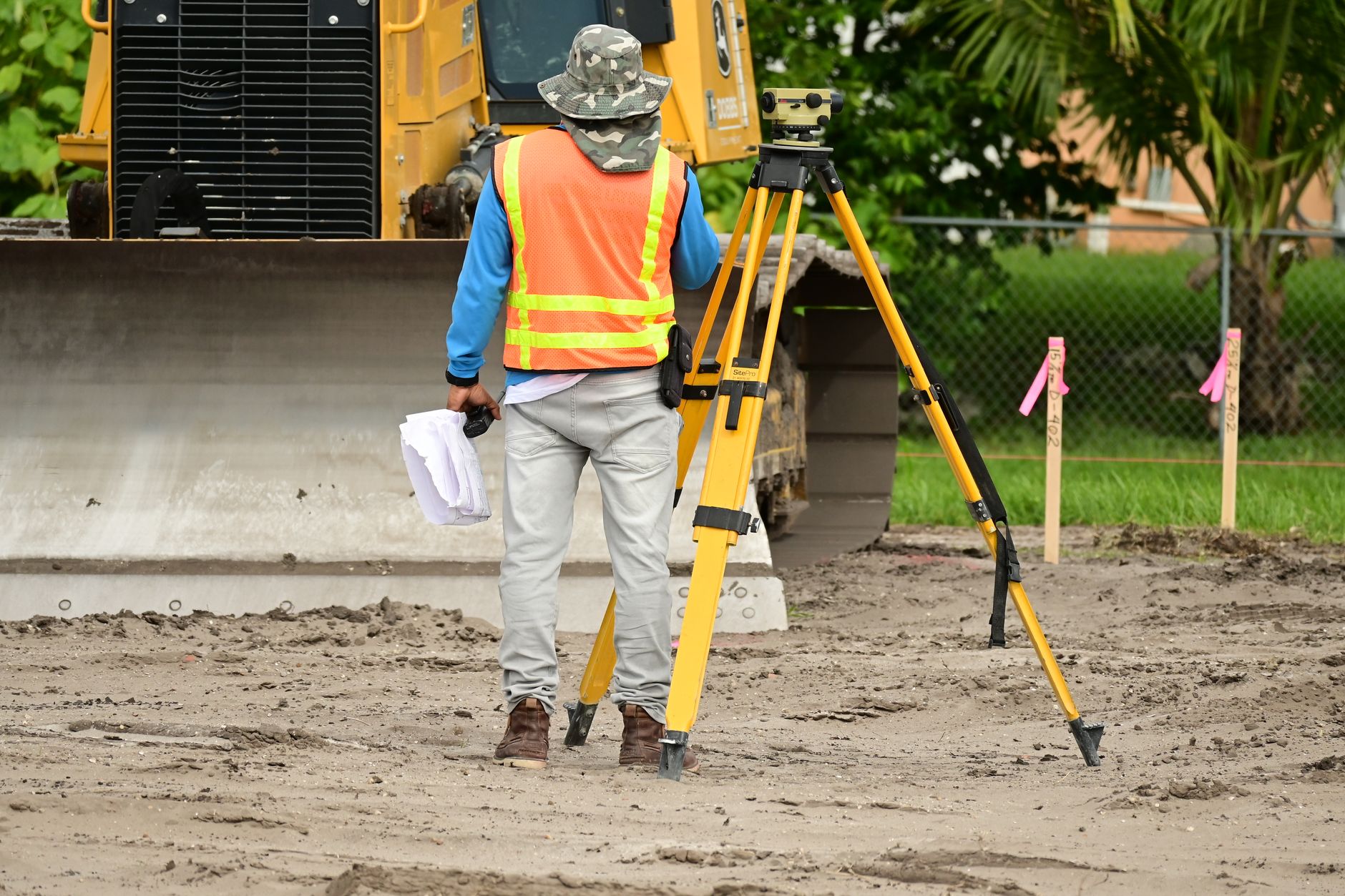
Map the entrance as a set of obstacles, not just a lawn outline. Walk the property with the sign and monument drawings, and mark every item that touches turf. Photograph each base from ground level so zone edges can be checked later.
Items that are missing from the drawings cause most of the surprises on a first pass. Flag them on site and confirm each one during a supervised test run before the robot is left alone. Typical items to record include:
- Monument base, footing and any step or planter wall
- Sign posts, their footings and any cable runs
- Lighting fixtures, uplight housings and the conduit feeding them
- Planted beds, mulch rings and bed borders
- Irrigation heads, valve boxes and drip lines
- Trees, exposed roots and stumps near the entry
How should a board proposal show the zones?
Boards usually judge a proposal by what they can see. We did not find verified public guidance on how HOA boards approve robot mowing or what contract terms they expect, so the safest approach is a plain, readable map.
A useful proposal shows zone outlines on a site plan, names the tasks the crew keeps, and marks which zones need physical wire and which could use virtual boundaries. Our lease quote follows a site assessment and sets one fixed lease quote for a three year term, so the board knows the cost before the first pass.

How often should the zones be rechecked?
Entrance plantings change. Mulch shifts, shrubs fill in and seasonal color is replaced, so a zone that fit in spring can sit too close by fall. Recheck zone edges at each season change and after any sign, light or bed work.
Check each island wire as well. A repaired or relocated wire that crosses itself will stop the mower in an island, so the recheck should include a walk of every wire run, not just a look at the lawn.
Frequently asked questions
Want a robot working for you?
Tell us the job and the site. We will recommend the robot, quote the lease, and keep it serviced.
Sources
- Husqvarna UK: How to create islands in a boundary wire Automower installation
- Worx: Landroid Classic setup an island
- Husqvarna AU: Creating stay out zones with AIM technology
- Husqvarna US: Creating stay out zones with AIM technology
- EcoGardener: Electric commercial robotic mowers for the landscaping industry
- Oxmaint: Robotic lawn care for property management
- BriefGlance: Robotic mowers pass the test, reshaping commercial landscaping
- Turf Magazine: Husqvarna robotic mowers support turf management at the 2026 U.S. Senior Women's Open