Key takeaways
- The restaurant automation market is forecast to grow at a compound annual growth rate of 17.8% between 2026 and 2034.
- Persistent labor shortages and rising wages are the primary drivers accelerating the adoption of robotic systems in restaurants.
- Key 2026 technologies include front-of-house server assistants, back-of-house automated cooking stations, and autonomous floor scrubbers.
- Automation becomes cost-competitive with human staff when local labor costs exceed approximately $18 per hour.
- A vendor-neutral integrator is crucial for deploying and servicing a mixed fleet of robots, ensuring they work together effectively.
Restaurant Automation: The 2026 Tipping Point is Here
The era of the restaurant robot is no longer a distant forecast. It has arrived. Market analysis shows that robot deployments in restaurants are growing at an unmatched pace, with a 61% year-over-year increase. More than 340 restaurant locations are already using active robot systems in early 2026.
This explosive growth is a direct response to a perfect storm of economic pressures. Operators are navigating severe labor shortages, with many unable to fill open positions, while wages continue to climb. In this environment, automation has shifted from a novelty to a strategic necessity.
This guide provides a clear overview of the essential automation technologies defining the restaurant industry in 2026. We will examine the front-of-house and back-of-house systems gaining traction, and pinpoint the labor cost threshold where this technology delivers a positive return on investment for operators.
What is Driving the Surge in Restaurant Robotics?
The primary catalyst for automation is a persistent labor crisis. According to the National Restaurant Association, a significant number of operators report having job openings that are difficult to fill. The industry remains hundreds of thousands of jobs short of pre-pandemic employment levels.
This scarcity of workers drives up labor costs. The average hourly wage for restaurant staff has risen significantly, with some reports showing a 20% increase between 2019 and 2023. As wages climb, the economics of automation become increasingly attractive.
At the same time, the technology has matured. Early service robots had limited capabilities. Today’s systems, powered by artificial intelligence and advanced sensors, can navigate complex dining rooms, perform intricate cooking tasks, and operate with high reliability. This improved performance makes them viable tools for demanding restaurant environments.
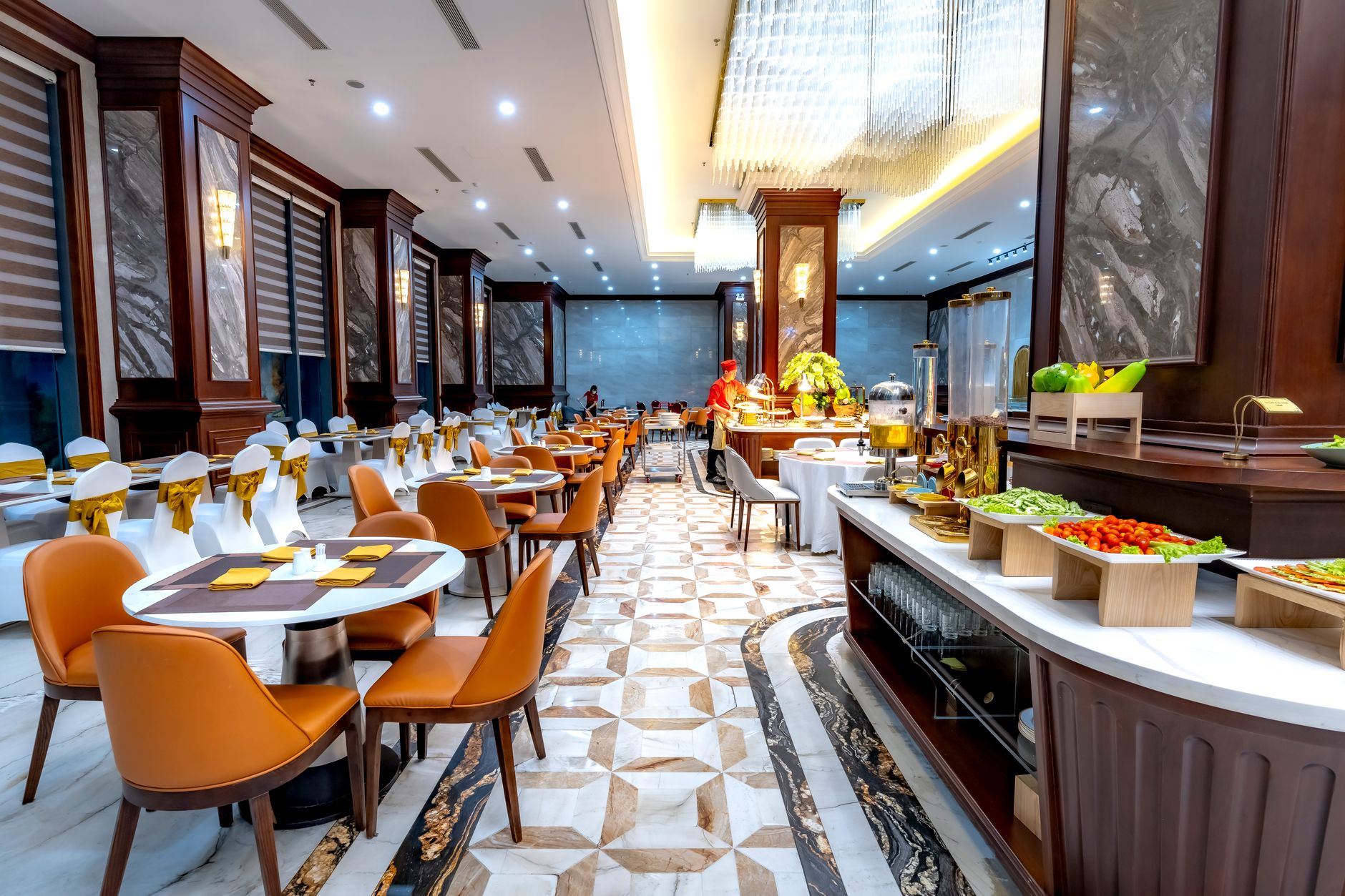
Front-of-House Automation: Meet the Server Assistant Robot
In 2026, the most visible form of restaurant automation is the server assistant robot. These autonomous mobile robots, or AMRs, are fundamentally changing the dynamic of the dining room. Their primary roles are food running and bussing tables.
A food runner robot transports multiple plates from the kitchen to the correct table, navigating around staff and guests using a combination of LiDAR and cameras. This frees up human servers from making constant trips to the kitchen, allowing them to spend more time interacting with guests, taking orders, and improving the overall dining experience.
Similarly, a busser robot can be programmed to travel to tables after guests have left, where staff can load it with dirty dishes. The robot then returns to the dishwashing station. Operators using these systems have reported significant increases in the number of tables a single server can manage per shift.
Which Kitchen Tasks Are Robots Taking On?
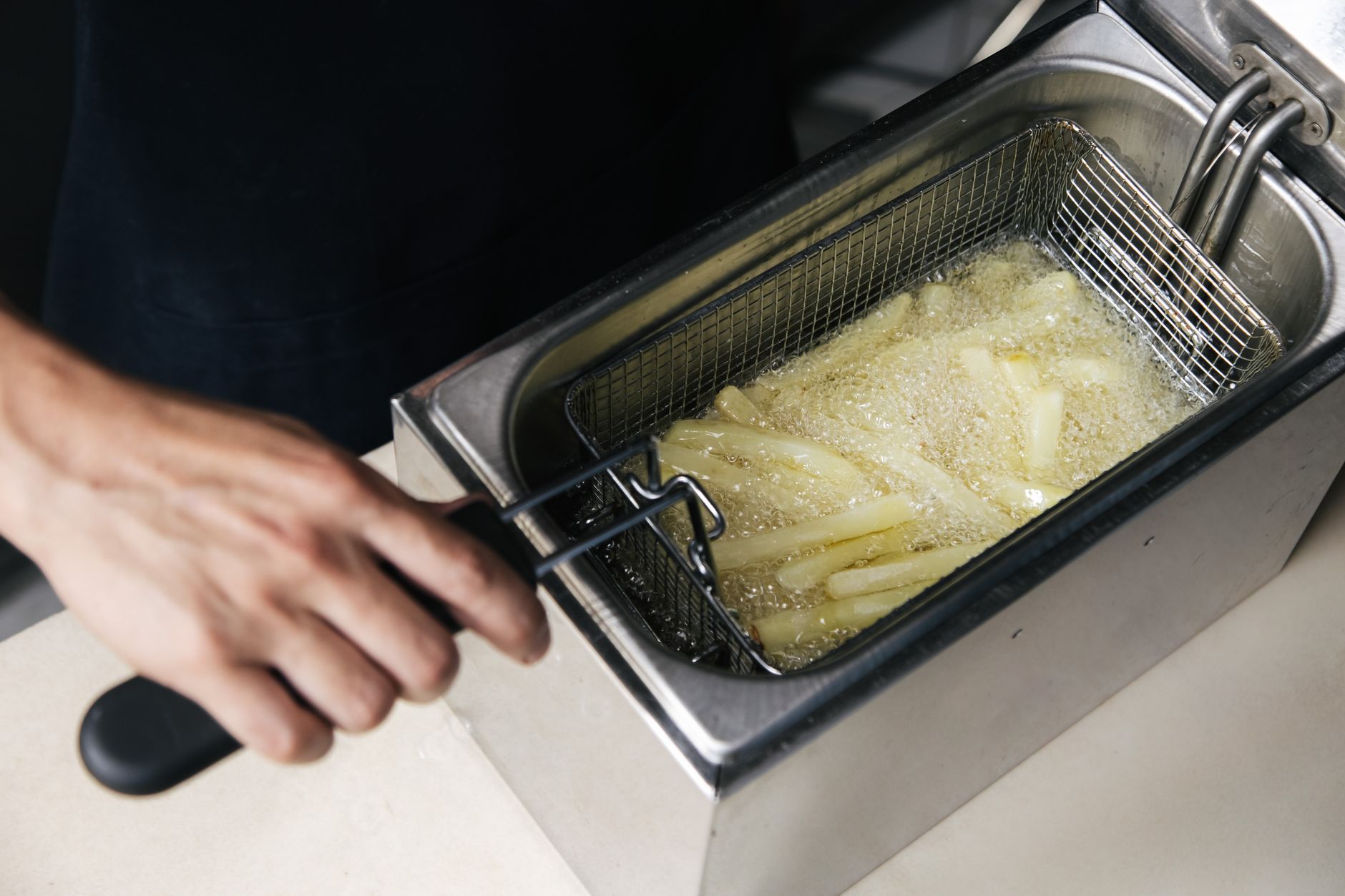
Back-of-house automation is arguably having an even greater impact on restaurant operations. Kitchen robots excel at performing high-volume, repetitive cooking tasks with a consistency that human staff cannot always match.
Automated fry stations are a common application. A robotic arm can manage multiple fry baskets simultaneously, lowering them into the oil, shaking them at correct intervals, and lifting them out when cooking is complete. This not only improves efficiency but also enhances worker safety by reducing exposure to hot oil.
Beyond frying, collaborative robot arms, or cobots, are being deployed for tasks like grilling burgers, assembling salads and bowls, and dispensing drinks. According to Dimension Market Research, the automated cooking systems market is projected to grow from $5.0 billion in 2025 to $34.1 billion by 2034.
The Unseen Workforce: Autonomous Cleaning Robots
Some of the most valuable robotic workers arrive after the last customer has gone home. Autonomous floor scrubbers are becoming a standard feature in restaurant cleaning protocols. These machines can be programmed to clean the entire dining room and kitchen area overnight with no operator present.
Using an industrial floor scrubbing robot ensures a consistent level of cleanliness that can be difficult to achieve with manual mopping, especially during busy periods. This improves hygiene and appearance. It also frees up closing staff to focus on other tasks or allows operators to reduce overnight cleaning hours.
This technology is particularly effective for large restaurants, event venues, and locations with extensive hard flooring. The `night shift autonomous scrubber` model is a key part of maintaining facility readiness with less manual labor.
Calculating the ROI: When Does a Robot Make Financial Sense?
For many operators, the decision to automate comes down to one question: what is the return on investment? The key metric is the local labor cost threshold. According to industry analysis, most service and cooking robots become cost-competitive when the all-in cost of a human employee surpasses about $18 per hour.
This calculation is not as simple as comparing a robot's monthly cost to a salary. A true ROI analysis must factor in the total cost of an employee, including payroll taxes, insurance, benefits, and costs associated with turnover and training. The average cost to replace a restaurant employee can be thousands of dollars.
With flexible `robot as a service` and `RaaS monthly subscription` plans, operators can deploy automation with no upfront capital expenditure. This makes the technology accessible even for smaller businesses and allows them to scale their robotic workforce based on demand. The payback period for purchased kitchen systems averages three to four years at current labor rates.
Why a Vendor-Neutral Integrator is Key to Success
As a restaurant begins to deploy different types of robots-a server assistant from one company, a cooking arm from another, and a floor scrubber from a third-a new challenge emerges: management. Each system may have its own software, service requirements, and operational quirks. This complexity can quickly overwhelm an operator.
This is where a full-service commercial robot integrator becomes essential. At Service Robot Co., we provide a single point of contact for your entire automation journey. We are OEM-neutral, meaning we select the best robots for your specific needs from across all manufacturers, rather than being tied to one brand.
Our role extends beyond just the initial sale. We handle financing, site mapping, deployment, and staff training. Through our nationwide network of engineers, we provide all ongoing maintenance and service for every unit. This gives you one partner and one number to call for the entire lifecycle of your robot fleet, ensuring your technology works as a cohesive system.
Beyond 2026: The Next Wave of Food Service Automation
The pace of change in restaurant automation is not slowing down. While the technologies discussed here represent the mainstream of 2026, the next generation of systems is already in development. We are seeing progress in more advanced robotic food preparation for complex cuisines once thought too difficult to automate.
Further integration with artificial intelligence will also play a larger role. AI can help optimize kitchen workflows, predict inventory needs, and even assist with marketing and administrative tasks. While fully automated restaurants are still in their early stages, the underlying technologies are rapidly advancing.
The focus for operators remains on practical applications that solve today's problems of labor, cost, and consistency. The ongoing evolution of robotics will continue to provide new tools to meet these fundamental business challenges.