Key takeaways
- The American Hospital Association projects a shortage of up to 3.2 million healthcare workers in the U.S. by 2026.
- Staffing shortages are directly linked to negative patient outcomes, including increased errors and lower satisfaction.
- Autonomous mobile robots (AMRs) can handle non-clinical tasks like delivering supplies, meals, and medications.
- Automated floor scrubbers and disinfection robots improve infection control and free up environmental services staff.
- A full-service robot integrator is critical for deploying and maintaining a multi-vendor fleet in a complex hospital setting.
Answering the Looming 2026 Staffing Deficit
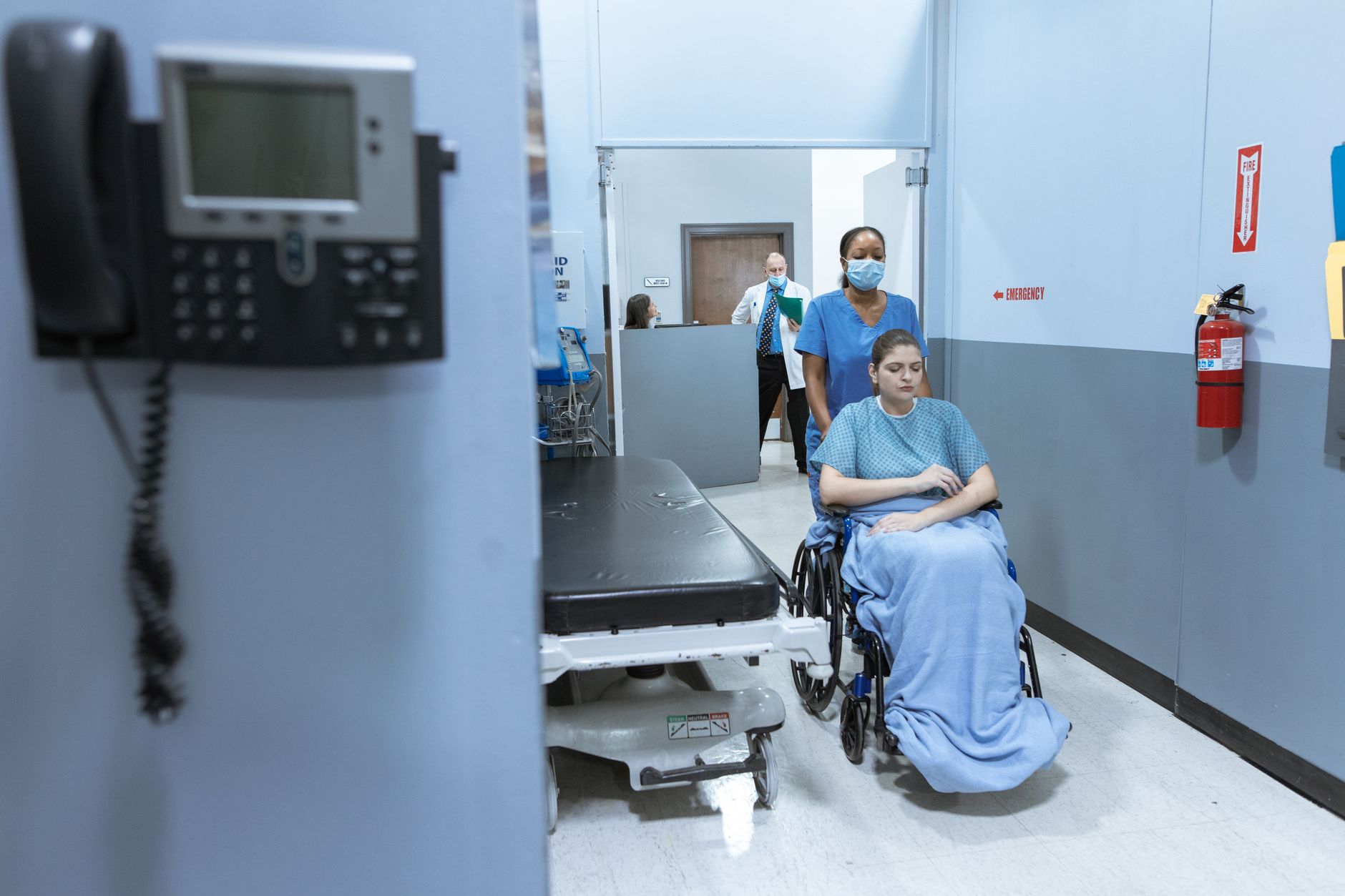
The American healthcare system is facing a critical inflection point. According to data analyzed for the American Hospital Association (AHA), the U.S. faces a projected shortage of up to 3.2 million healthcare workers by 2026. This is not a distant problem; it is a clear and present challenge that demands immediate, practical strategies to support a strained workforce and maintain quality of care.
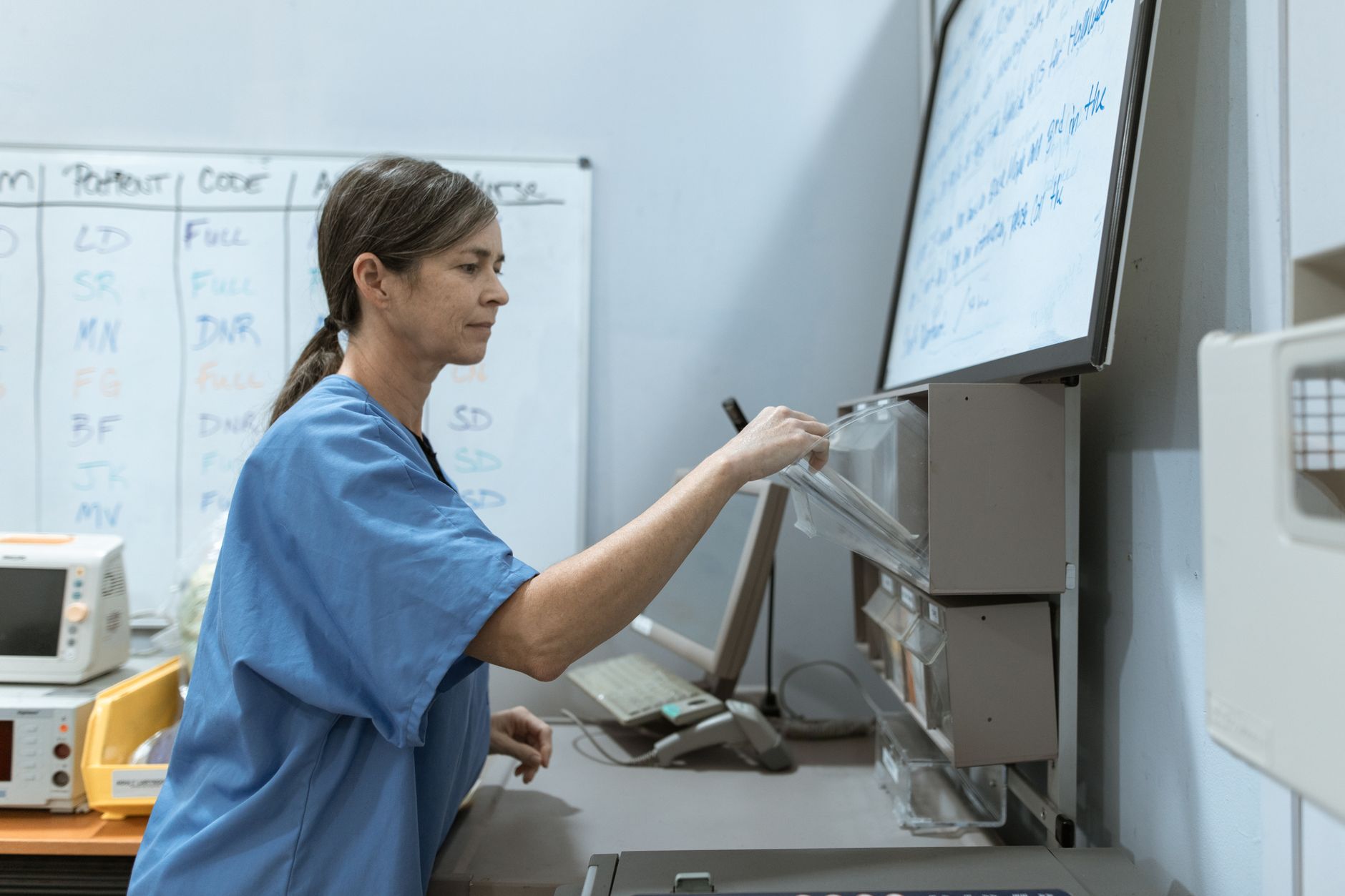
This staffing gap, driven by a convergence of factors, directly threatens a hospital's ability to serve its community. For administrators and clinical leaders, the core question is how to multiply the efforts of their existing teams. How can they offload the operational burdens that pull skilled nurses and technicians away from their primary, patient-facing responsibilities?
A growing number of facilities are finding the answer in autonomous service robots. By automating repetitive, non-clinical tasks, hospitals can relieve pressure on their staff. These robotic systems handle critical logistical and cleaning duties, allowing human teams to focus on patient care during this unprecedented labor shortage.
What Is Fueling This Unprecedented Staffing Gap?
The healthcare labor crisis is the result of multiple powerful trends converging at once. A primary driver is demographics. According to the AHA, an aging U.S. population requires more complex care, increasing demand on the system. At the same time, a large portion of the experienced nursing workforce is nearing retirement age, creating a massive knowledge and experience gap.
The COVID-19 pandemic severely intensified these underlying issues. A survey cited by the AHA found that nearly 30% of healthcare workers were considering leaving their profession, with many reporting significant impacts on their mental health. This has led to high rates of burnout and staff turnover, which is both costly and detrimental to team morale.
Compounding the problem, nursing schools face their own constraints, including a lack of faculty and clinical training sites. This bottleneck limits the number of new nurses who can enter the field, making it impossible to replace departing professionals at the necessary rate. The result is a widening chasm between the demand for care and the number of available caregivers.

How Does the Staffing Deficit Impact Patient Care?
When clinical teams are stretched thin, the quality of patient care is inevitably compromised. Studies have consistently shown that lower nurse-to-patient ratios are associated with poor patient outcomes. These can include an increased risk of medication errors, patient falls, and hospital-acquired infections.
Overworked staff have less time for crucial tasks like monitoring vital signs, providing timely wound care, and communicating with patients and their families. One study found that a majority of nurses reported omitting some necessary care due to insufficient staffing. This not only affects clinical results but also degrades the patient experience, leading to lower satisfaction scores.
The strain creates a vicious cycle. As working conditions become more stressful, staff burnout increases, which in turn leads to higher turnover. This constant churn further destabilizes the care environment and places an even greater burden on the remaining team members, jeopardizing the hospital's core mission.
Which Hospital Tasks Can Service Robots Handle?
Autonomous mobile robots (AMRs) are designed to take over predictable, manual tasks that consume countless hours of staff time. Their application in hospitals generally falls into two crucial, non-clinical categories: material transport and environmental services.
A hospital delivery robot rental can automate the movement of materials throughout a facility. This includes:
These robotic platforms can navigate complex hospital layouts, use elevators, and provide secure, auditable transport, freeing up nurses and technicians from being couriers.
- Medication transport from the central pharmacy to nursing stations.
- Meal tray transport from the kitchen to patient floors.
- Delivery of sterile supplies and surgical instruments.
- Movement of lab specimens to and from the laboratory.
- Transporting linens and other housekeeping supplies.
What is the Role of Autonomous Cleaning Robots?

Maintaining a sterile environment is paramount in healthcare, and the demands on environmental services (EVS) teams are immense. Autonomous robots can significantly augment these teams, improving efficiency and infection control. An autonomous floor scrubber rental can handle the nightly cleaning of long corridors, waiting areas, and cafeterias.
These machines perform their work with no operator, allowing the EVS staff to focus on high-touch surface disinfection and turning over patient rooms. This leads to more consistent floor care and helps ensure the facility is ready for the next day's traffic.
Specialized healthcare disinfection robots, often using UV light technology, provide another layer of safety. A UV disinfection robot rental can be deployed to terminally clean patient rooms, operating rooms, and other critical areas. This automated process helps reduce the risk of hospital-acquired infections by ensuring a thorough, repeatable level of disinfection.
Can Automation Genuinely Reduce Nurse Burnout?
A primary source of nurse burnout is the overwhelming burden of tasks that are not related to direct patient care. When nurses spend their shifts searching for equipment, delivering specimens, or tracking down supplies, they have less time and mental energy for their core clinical duties. This constant distraction is a major driver of job dissatisfaction.
By deploying autonomous mobile robots to handle these logistical tasks, hospitals give time back to their nursing staff. Automating repetitive transport allows clinicians to remain on their units, available for patient needs and critical thinking. It allows them to practice at the top of their license.
This shift is not about replacing staff but about supporting them. When technology handles the monotonous work, human caregivers can focus on the human elements of care: assessment, education, and compassion. This restoration of purpose can be a powerful antidote to burnout and a key factor in staff retention.
What Is the Smartest Way to Adopt a Robot Fleet?
Introducing robotics into a dynamic hospital environment is more complex than simply buying a machine. Success requires a strategic approach that considers workflows, infrastructure, and staff training. This is where the expertise of a vendor-neutral robot integrator becomes essential.
Unlike a single manufacturer, an integrator like Service Robot Co. is not limited to one brand of technology. We start with a free site assessment to understand your hospital's unique challenges, from floor types and elevator systems to specific departmental needs. We then identify the right robots for each job across different manufacturers, ensuring you get the best tool for the task.
A turnkey robot deployment means we handle everything: mapping the facility, integrating the robots with your systems, and providing comprehensive go-live support and staff training. The goal of a phased deployment is to introduce automation without disrupting patient care, ensuring a smooth transition that builds staff confidence and delivers immediate value.
How Can Hospitals Afford This Amid Budget Pressures?
Financial constraints are a major reality for healthcare providers. The idea of a large capital expenditure for a robot fleet can seem prohibitive. However, modern procurement models make this technology accessible without significant upfront investment. Robot as a Service (RaaS) is a popular option.
A RaaS monthly subscription treats robotics like a utility. The hospital pays a predictable monthly fee that covers the hardware, software, maintenance, and support. This moves the cost from a capital expense (CapEx) to an operating expense (OpEx), which is often easier to budget for. This model avoids the need for upfront capital and the risks of ownership.
Leasing is another flexible path. Options like a month-to-month robot lease or other monthly payment programs allow facilities to scale their robotic workforce up or down as needs change. This financial flexibility is critical, allowing hospitals to access labor-saving automation that is often cheaper than paying overtime or using expensive contract staff to cover unfilled shifts.
Why a Lifecycle Partner Matters More Than a Vendor
Once robots are deployed, the journey is just beginning. Ongoing maintenance, service, and support are what determine the long-term success of an automation program. Managing service contracts with multiple different manufacturers can become a logistical nightmare for a hospital's facilities and IT departments.
This is the value of a single, full-service partner. Service Robot Co. provides one number to call for the entire lifecycle of every unit. Our nationwide network of engineers handles all deployment, integration, and service. A comprehensive robot maintenance service plan includes remote triage and on-site dispatch to maximize uptime.
Programs like our spare unit coverage and emergency robot replacement are designed to deliver a zero downtime guarantee. When a hospital relies on robots for critical tasks like medication transport, reliability is not optional. Having one partner accountable for the entire fleet ensures that the robotic support system is always there when your staff and patients need it.