Key takeaways
- Manual labor is the largest cost in any cleaning budget, often accounting for 60-80% of total expenses.
- Payback periods for autonomous scrubbers in large facilities often fall between 18 to 36 months.
- High staff turnover in the cleaning industry creates significant hidden costs in recruiting, hiring, and training.
- Automated scrubbing improves cleaning consistency, which enhances safety, reduces equipment wear, and ensures compliance.
- A full-service robot integrator can manage the entire automation lifecycle, from financing and deployment to nationwide service and maintenance.
Does the Math for an Autonomous Scrubber Actually Work?
For most large-scale warehouse and distribution centers, the financial argument for automating floor scrubbing is not just viable, it's compelling. The return on investment is driven by displacing the single largest expense in any cleaning budget: manual labor. When a robot takes over the repetitive, time-consuming task of scrubbing thousands of square feet of open concrete, it frees human staff for higher-value work and directly reduces operational expenditures.
A detailed analysis shows that facilities with large, repeatable floor plans can achieve a payback period between 18 to 36 months. This calculation hinges on several key variables, including local labor rates, the size of the area cleaned daily, and the number of shifts the robot operates. In facilities that run multiple shifts or require overnight cleaning, the ROI becomes even stronger as the autonomous scrubber provides consistent results without the added cost of a night-shift wage premium.
What Are the True Costs of Manual Floor Cleaning?
The most obvious cost of manual floor scrubbing is the direct hourly wage paid to an employee. In the United States, the average hourly rate for a warehouse janitor is around $18, but this can range from $14 to over $20 depending on the region and experience level. However, the base wage is only the beginning of the story. A more accurate figure, the fully loaded labor rate, includes payroll taxes, insurance, benefits, and other overhead, which can add another 25-40% to the base wage.
A significant and often-underestimated expense is employee turnover. The commercial cleaning industry experiences extremely high turnover rates, with some estimates ranging from 100% to 200% annually. According to industry data, the cost to replace a single frontline cleaning worker can be between $1,500 and $3,000 when accounting for recruiting, background checks, hiring, and training. For a company with a team of 50 janitorial workers and a 100% turnover rate, this translates into $75,000 to $150,000 in annual replacement costs alone. These are direct financial drains that automation mitigates.
Finally, there is the cost of the equipment itself. A commercial ride-on floor scrubber can cost anywhere from $7,000 to $30,000. While this is a necessary capital expense for manual operations, it is a sunk cost that does not reduce the ongoing, and far larger, expense of the operator's labor.
How Does a Robotic Scrubber Change the Financial Equation?
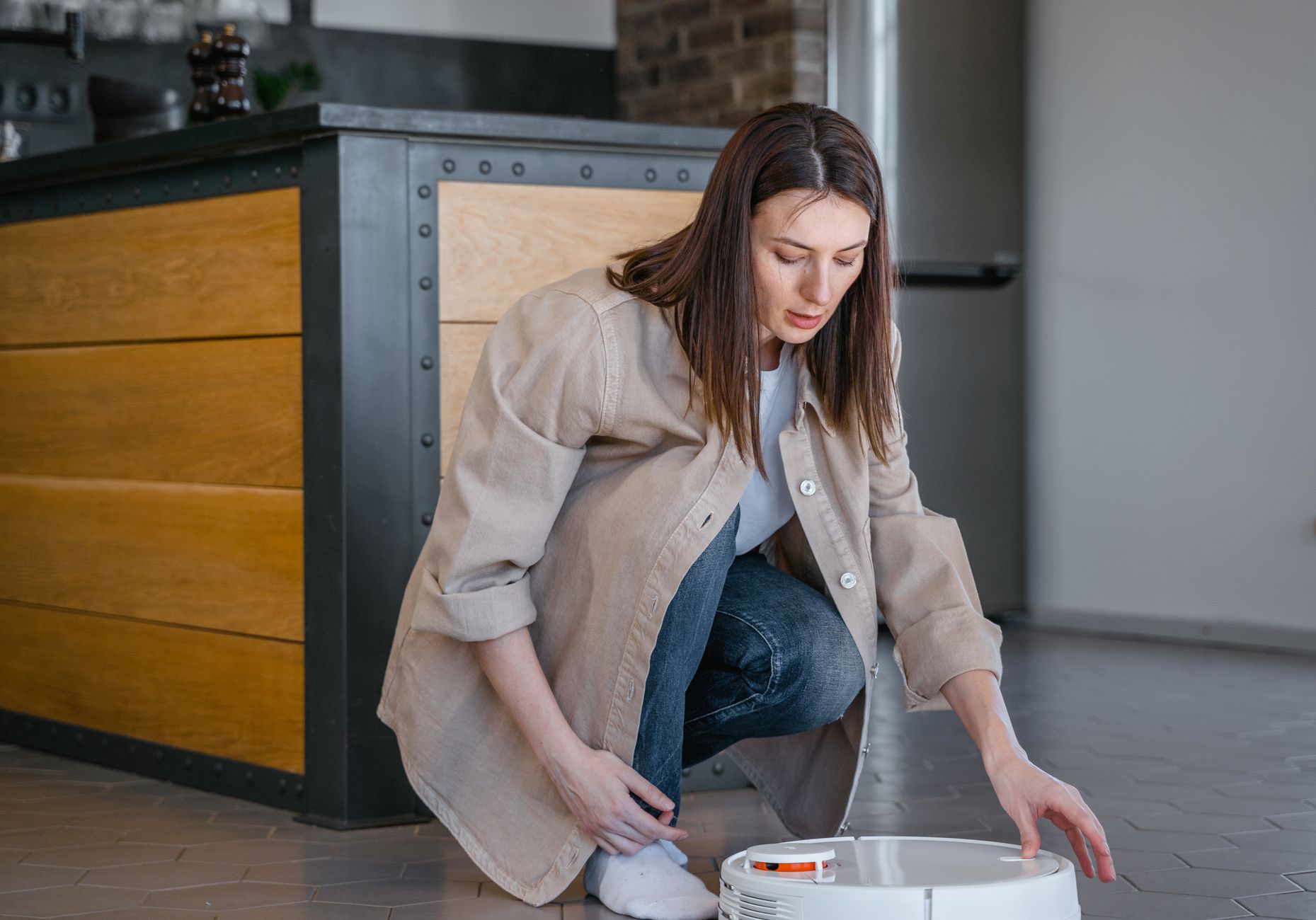
An autonomous floor scrubber shifts the cost structure from a recurring operational expense (labor) to a predictable capital expense or a fixed monthly payment. While large industrial cleaning robots can range in price from $40,000 to over $70,000, many businesses opt for leasing or Robot as a Service (RaaS) models. This approach eliminates the upfront capital investment in favor of a manageable monthly fee that often includes maintenance and service.
The primary financial benefit comes from a dramatic reduction in the labor hours required for floor care. While a human is still needed to handle tasks like filling and emptying the machine's tanks or addressing complex edge cases, the robot performs the long, monotonous scrubbing routes independently. This allows a facility to reallocate dozens of hours per week per shift. Human staff can be refocused on detail cleaning, sanitizing high-touch surfaces, handling spills, and other tasks that require human judgment, improving the overall standard of facility hygiene without increasing headcount.
Are There Financial Benefits Beyond Labor Savings?
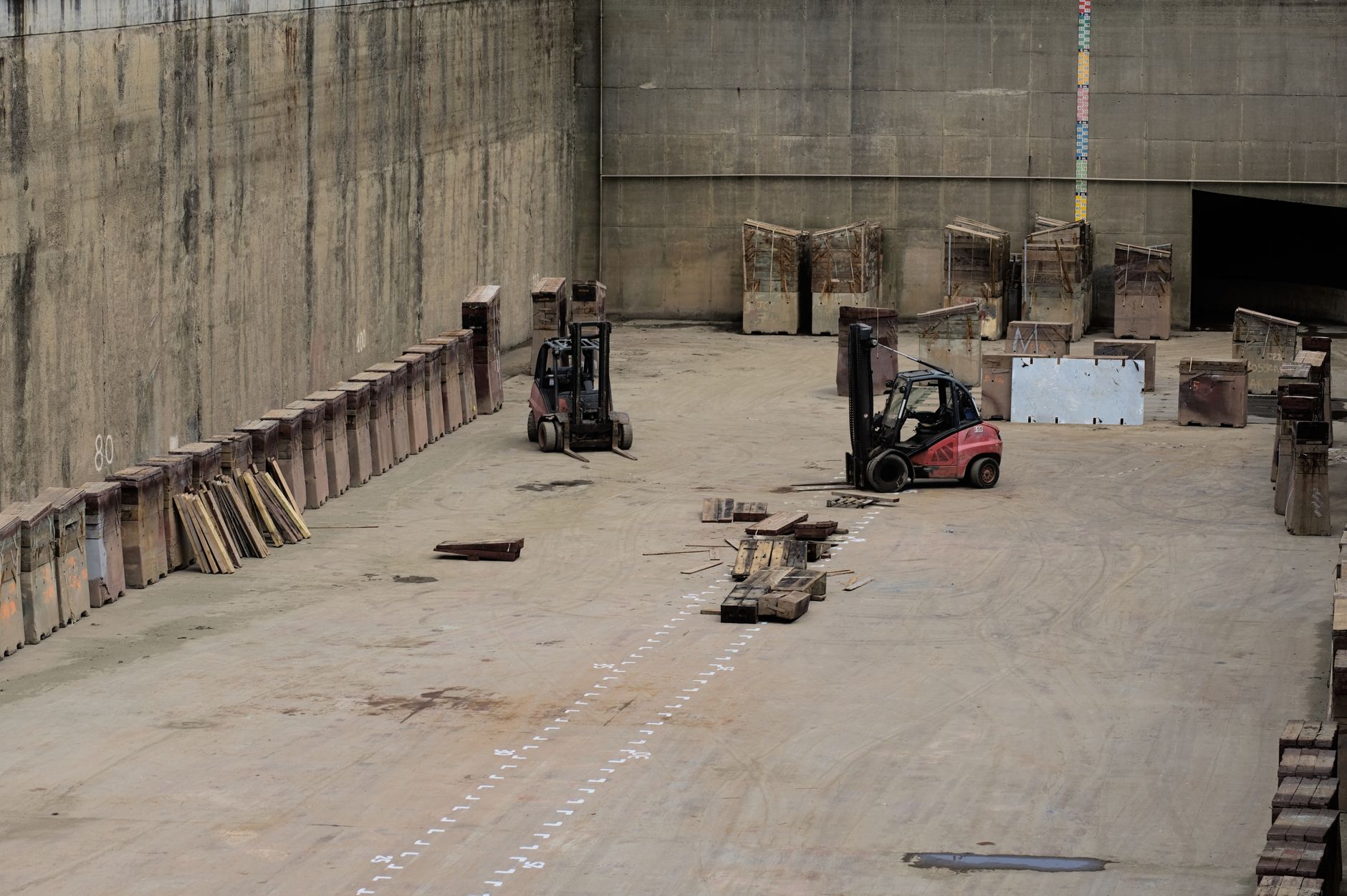
Yes. While labor savings provide the most direct ROI, the benefits of consistently clean floors have their own financial impact. Well-maintained floors are a critical factor in warehouse safety. Regular, automated scrubbing reduces the risk of slip-and-fall incidents, which are a major source of workers' compensation claims and lost productivity.
Clean floors also reduce wear and tear on material handling equipment like forklifts and pallet jacks. Dust and debris act like sandpaper on wheels and other moving parts, leading to more frequent maintenance and earlier replacement. An autonomous scrubber that runs on a consistent, nightly schedule removes this abrasive grit, extending the life of valuable equipment.
Furthermore, a visibly clean warehouse improves employee morale and presents a better impression to visiting clients or during audits. This contributes to a safer, more professional, and more productive operational environment.
How Does an Integrator Simplify the Financial Decision?
Making the switch to automation involves more than just buying a machine. It requires a partner who can analyze your specific operational needs and financial goals. As a vendor-neutral, full-service commercial robot integrator, Service Robot Co. provides a clear path to a successful deployment. We start by assessing your facility to determine the right robot for the job, regardless of manufacturer.
We then build the financial model that works for you, offering financing, leasing, and RaaS options that eliminate large upfront capital expenditures. This allows you to gain the benefits of automation through a predictable monthly payment. Our role doesn't end with the sale. We manage the entire lifecycle, including deployment, integration with your existing workflows, staff training, and ongoing service through our nationwide network of engineers. This one-vendor approach gives you a single point of contact and accountability, ensuring your investment delivers its maximum return without hidden costs or operational headaches.
What is the Long-Term Value Proposition?
The long-term financial case for automating warehouse floor scrubbing is about stability and predictability in an environment of rising costs and labor volatility. While manual labor wages continue to climb, the cost of an automated solution remains fixed. Automation delivers a consistent, measurable level of clean every single time it runs, removing the variability that comes with human operators and high staff turnover.
By investing in automation, a facility is future-proofing its cleaning operations. It creates a more resilient, efficient, and safer workplace. The value is not just in the money saved on labor next quarter, but in the operational excellence and cost control achieved over the next five to seven years.