Key takeaways
- Unplanned robot downtime can cost manufacturers up to $260,000 per hour, not including secondary costs.
- Preventive maintenance delivers a 3-to-5x return on investment compared to a reactive, fix-when-broken approach.
- Annual maintenance costs typically run 5% to 15% of a robot's purchase price, a critical factor in total cost of ownership.
- A single-vendor service plan simplifies accountability and provides one number to call for deployment, integration, and repair.
- A nationwide network of engineers ensures rapid on-site dispatch and emergency response, minimizing the duration of any outage.
What is the True Cost of a Robot That Isn't Working?
A stationary robot is more than an idle asset; it's an active liability. When automation stops, the costs multiply far beyond the initial repair bill. According to Aberdeen Research, the average cost of unplanned downtime in manufacturing is now $260,000 per hour. For some sectors, like automotive production, that figure can climb past the $2.3 million mark for every hour a critical line is stopped.
These figures represent the immediate, tangible losses: products not made, orders not shipped. But the true financial impact hides in the secondary effects. These include the wages of idled human workers, premium costs for expedited parts, schedule disruptions that cascade to other operations, and the potential for contractual penalties for late deliveries. This is the reality of robot downtime.
Understanding these compounding costs is the first step. The second is recognizing that most downtime is preventable. A strategic approach to robot service and maintenance doesn't just fix problems as they occur. It anticipates and prevents them, safeguarding the return on your automation investment and ensuring your operations run as intended.
Beyond Direct Repair: The Ripple Effects of an Outage
The visible cost of a downed robot, the technician's invoice, is only a fraction of the total financial damage. The ripple effects create far greater, often unmeasured, expenses that impact an entire operation. Factories can lose between 5% and 20% of their total productivity to downtime.
Consider the downstream consequences. When one robot in a sequence stops, every subsequent process is starved for work, leaving both machines and employees idle. Inventory can become stranded, creating bottlenecks that disrupt the entire workflow. To recover lost time, managers often resort to expensive measures like overtime labor and expedited freight, further eroding margins.
Beyond the production floor, downtime damages customer trust. Missed deadlines and inconsistent output can strain relationships and jeopardize future business. The accumulation of these direct and indirect costs reveals a critical truth: a reactive approach to maintenance, where problems are addressed only after they halt production, is an unsustainable strategy.
How Does Preventive Maintenance Protect Your Investment?
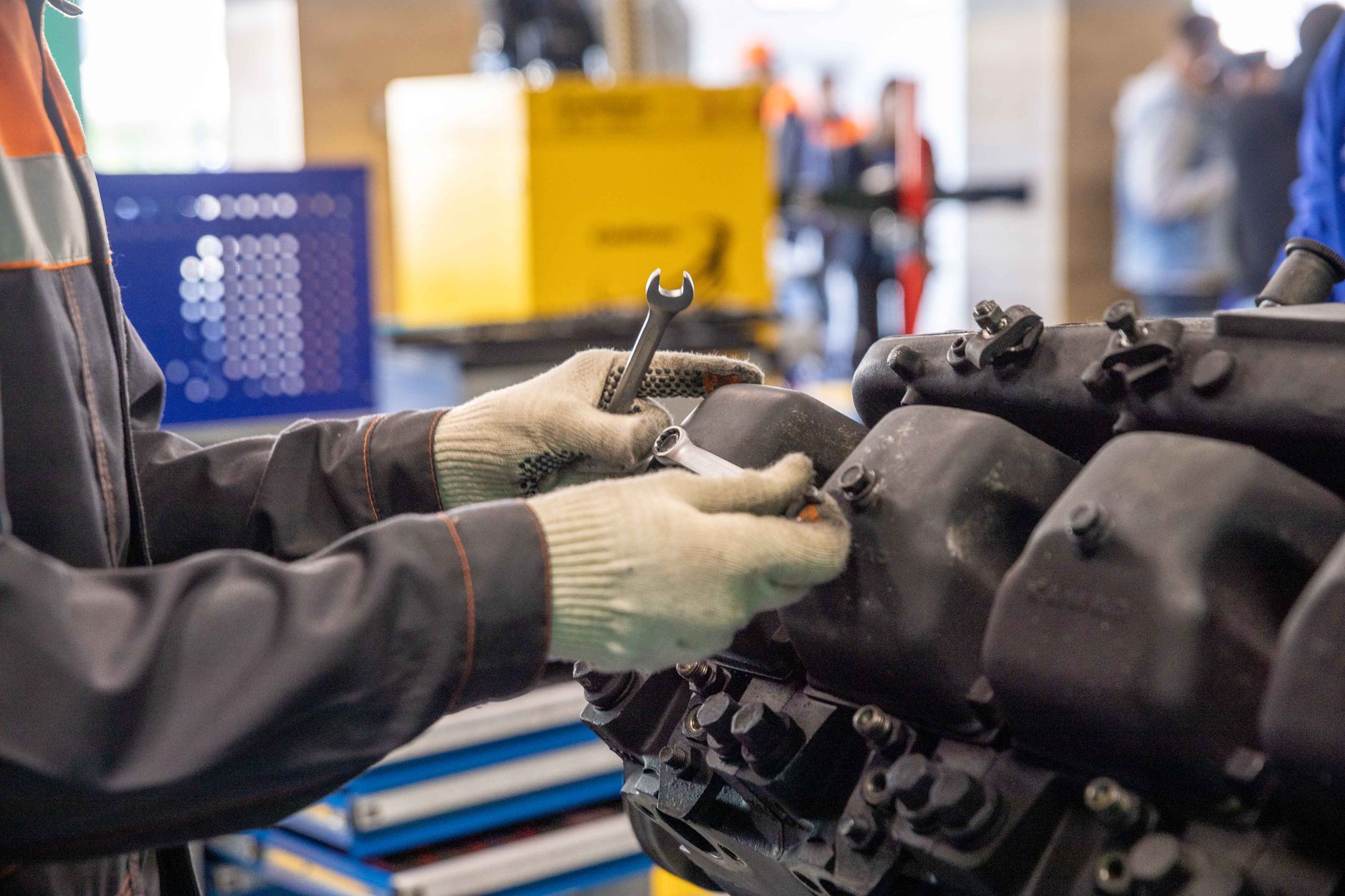
A proactive maintenance strategy is one of the most effective ways to control the total cost of ownership for a robotic fleet. Instead of waiting for a failure, a preventive maintenance plan involves regularly scheduled inspections, servicing, and replacement of parts before they can cause a breakdown. This approach significantly reduces the likelihood of unexpected and costly interruptions.
The financial benefits are substantial. Facilities that shift from a reactive to a preventive maintenance model can see a 3-to-5 times return on their investment. Proactive upkeep can cut unplanned downtime by 25-30% and extend the operational lifespan of your robotic assets, maximizing their value.
A structured maintenance program enhances more than just the bottom line. It improves the robot's performance, ensuring greater precision and higher-quality output. It also fosters a better maintenance culture within an organization, leading to more consistent and reliable operations overall.
Why Should You Have a Nationwide Service Network on Standby?
When a robot does go down, the speed of response is paramount. Every minute spent waiting for a qualified technician translates directly into lost revenue. For businesses with multiple locations across the country, securing fast, reliable technical support presents a significant logistical challenge. Delays in technician dispatch are a common cause of prolonged outages.
This is where a nationwide network of engineers becomes a decisive advantage. At Service Robot Co., we provide on-site dispatch across the United States, ensuring that an expert is available to get your equipment running again with minimal delay. Having a single, reliable partner for emergency response eliminates the friction of finding and vetting local repair services during a crisis.
Our process begins with remote triage to diagnose the issue immediately, followed by the deployment of a field engineer if the problem cannot be solved remotely. This model drastically reduces the time from failure to resolution, directly limiting the financial impact of the downtime. It transforms robot repair from a logistical scramble into a predictable, managed process.
What Is the Advantage of a Single Partner for the Full Robot Lifecycle?
Managing a fleet of commercial robots involves more than just the initial purchase. It encompasses deployment, integration with existing systems, employee training, ongoing maintenance, and eventual decommissioning. When these services are sourced from multiple vendors, complexity and costs multiply. You are left managing different contacts, contracts, and service levels, and when a problem arises, vendors may point fingers at one another.
Service Robot Co. simplifies this entire process by acting as your single partner for the robot's whole lifecycle. As a vendor-neutral integrator, we start by selecting the right robots for your specific needs, regardless of the manufacturer. From there, we handle everything: financing, site assessment, installation, and go-live support.
This one-vendor approach means you have one number to call. Whether you need emergency on-site dispatch from our nationwide engineer network or routine preventive maintenance, the accountability is clear. We manage the asset from deployment to retirement, ensuring all parts of your automation strategy work in concert to deliver maximum uptime and a stronger return on investment.
Can a Robot as a Service (RaaS) Model Eliminate Downtime Costs?
For many businesses, the unpredictability of maintenance expenses and the high capital cost of purchasing robots are significant barriers to adoption. The Robot as a Service (RaaS) model addresses both challenges directly. Instead of buying a robot, you subscribe to a service for a predictable monthly fee.
Under a RaaS agreement, the provider retains ownership of the robot and is responsible for its entire lifecycle, including all maintenance, repairs, and software updates. This structure effectively transfers the risk of downtime from your business to the provider. Their business model only succeeds if the robots are running reliably, incentivizing them to ensure maximum uptime.
This approach converts a large, upfront capital expenditure into a manageable operating expense. RaaS contracts often come with performance guarantees and uptime commitments, providing a level of financial predictability that is impossible with outright ownership. It allows you to benefit from automation without the headaches of ownership and the unexpected costs of downtime.