Key takeaways
- Model only the active stacking weeks and live crate mix, not a calendar-year average.
- Wet floors and cleanability can change ROI more than raw arm speed.
- Ergonomic relief is a real input when the task combines lift, twist, reach, and chilled or damp conditions.
- Gripper range and changeover time decide whether savings stay on the line or leak back into manual labor.
- Short seasons often favor palletizing robot leasing, cobot leasing, or other monthly payment programs over a blunt purchase model.
When does automation at the pallet lane actually pay?
Cobot crate stacking pays in a produce packhouse when the return is measured at the pallet lane, not spread across the whole plant. The task has to be repetitive enough to absorb a meaningful share of end of line automation labor, punishing enough to justify ergonomic relief, and stable enough that the robot is not being re-taught every hour.
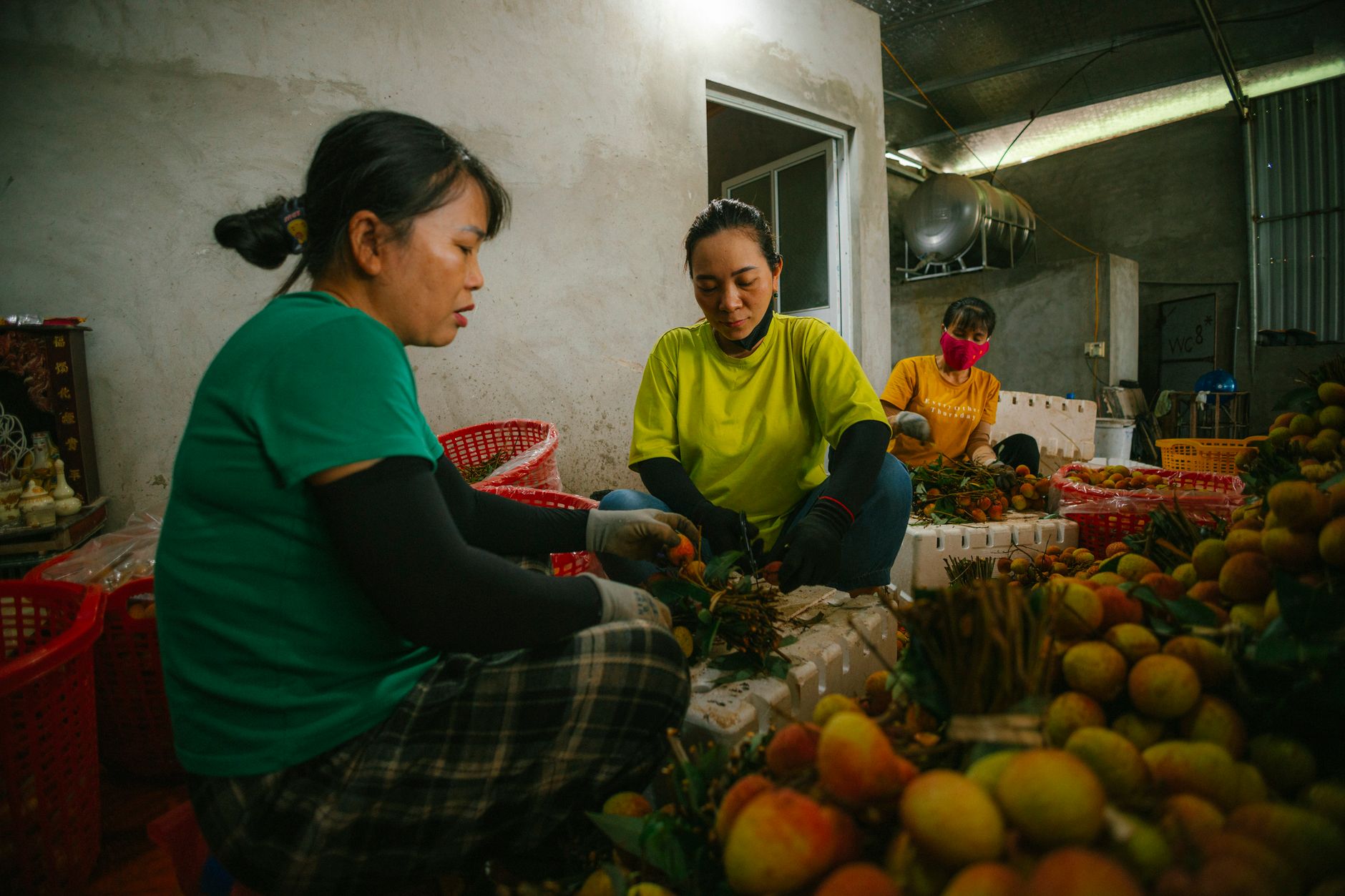
For most operators, the return comes from three places. First, it cuts the lift, twist, and above-shoulder stacking that gets worse as pallets build. Second, it absorbs peak-season overtime and temp coverage when fruit volume surges. Third, it holds throughput steadier at the exact moment a short-staffed line usually backs up.
The return falls apart when the math ignores wet-floor constraints, food-safety cleaning, crate changeovers, and the months when the cell sits parked. In produce, a cobot is profitable only if the gripper can live with the real crate mix and the commercial shape of the deal matches the real season.
Build the math around one task, not the whole packhouse
Start with the current labor anchor for the stacking task, not with a generic automation payback sheet. According to the U.S. Bureau of Labor Statistics, hand packers and packagers in Modesto, California averaged $21.10 an hour and $43,890 a year in May 2025. That is not a national average, but it is a grounded benchmark from a produce-heavy labor market.
Then isolate the task economics. Annual task return equals avoided direct stacking labor, avoided overtime and temporary coverage, avoided product damage and repalletizing, and avoided ergonomic loss, minus cell operating cost, support cost, sanitation downtime, and idle-month carrying cost. That is the real end of line automation model.
That framework also keeps cobot lease, palletizing robot leasing, and robot leasing for business honest. A project that saves labor only on paper usually has one hidden flaw: the model quietly assumed perfect utilization and zero interruptions.
- Active weeks by crop, room, and shift pattern
- Crates stacked per hour and pallets completed per shift
- Current staffing, overtime, and temporary coverage at the pallet lane
- Crate families, surface condition, vent holes, lips, and label zones that shape the gripper
- Recipe change frequency, pallet pattern changes, and minutes lost at each changeover
- Washdown, condensation, and restart requirements in the live room
- Fallback labor needed when rejects, tipped crates, or odd lots appear
Seasonal volume sets the real utilization
Seasonality is the first correction. USDA's Economic Research Service says demand for direct-hire agricultural labor is seasonal, and in the Western region 37 percent of employee labor hours were recorded in the third quarter. If your packhouse has the same shape, a twelve-month ROI denominator is wrong before the robot is even ordered.
Labor intensity is the second correction. On USDA's current farm labor page, wages, salaries, and contract labor account for 40 percent of production expenses for fruit and tree nut operations in the 2022 Census of Agriculture. That does not mean every crate-stacking cell pays. It does mean small task improvements can matter during the live season because labor already carries unusual weight in the crop economics.
This is where robot leasing vs buying becomes a practical operations choice. A short, volatile season may fit monthly payment programs, a collaborative robot arm lease, or a commercial robot demo better than a capital purchase that assumes the cell earns right through the off-season. Some operators care just as much about no upfront capital during an uncertain crop year. A longer mixed-crop calendar may justify ownership or a lease purchase program. The right answer depends on active weeks, not marketing language.
Wet rooms and food safety rules change the cell economics

Wet conditions are not a side note in produce. OSHA requires workroom floors to be kept clean and, to the extent feasible, dry, and it says drainage and dry standing places are needed when wet processes are used. That matters because the pallet lane often sits near washing, waxing, hydrocooling, or freshly rinsed product, where water on floors and packaging is routine.
Food-safety rules also reach deeper into cell design than many buyers expect. FDA's FSMA FAQ says equipment likely to contact covered produce includes grading belts, sizing equipment, palletizing equipment, and containers or bins used to convey harvested produce. In plain terms, the gripper, nearby guides, and any product-contact surfaces cannot be hard to clean, hard to inspect, or built around water traps.
The ROI consequence is simple. A faster arm with a finicky tool can lose money in a wet room, because every sanitation hold, suction miss, and dried-on residue check bleeds labor back into the process. A slightly slower cell with clean geometry, straightforward drainage, and quick-access components often wins the economics.
Ergonomic exposure belongs in the model
Ergonomic exposure deserves a real line in the model, not a sentimental footnote. OSHA lists repetitive motion, awkward postures, and cold temperatures as risk factors for musculoskeletal disorders. End-of-line stacking in produce combines all three when operators lift damp crates, turn to build pattern, reach farther as pallets grow, and work in chilled or washed-down spaces.
OSHA's technical manual, summarizing the NIOSH lifting equation, says the load constant starts at 51 pounds only under ideal lifting conditions. The same manual says a lifting index above 1 means the task exceeds the recommended weight limit, and a level above 3 is likely to cause injury for most of the population. Real crate stacking is rarely ideal. The lift height moves, the reach changes, the floor may be slick, and handholds vary from crate to crate.
According to the Bureau of Labor Statistics, overexertion, repetitive motion, and bodily conditions produced 946,290 DART cases across 2023 and 2024. That is national data, not a produce-only figure, but it shows why injury exposure is not soft value. If a cobot removes the worst lift-and-turn work from the line, that belongs in the ROI model along with labor hours and throughput.
Gripper range and changeovers decide uptime
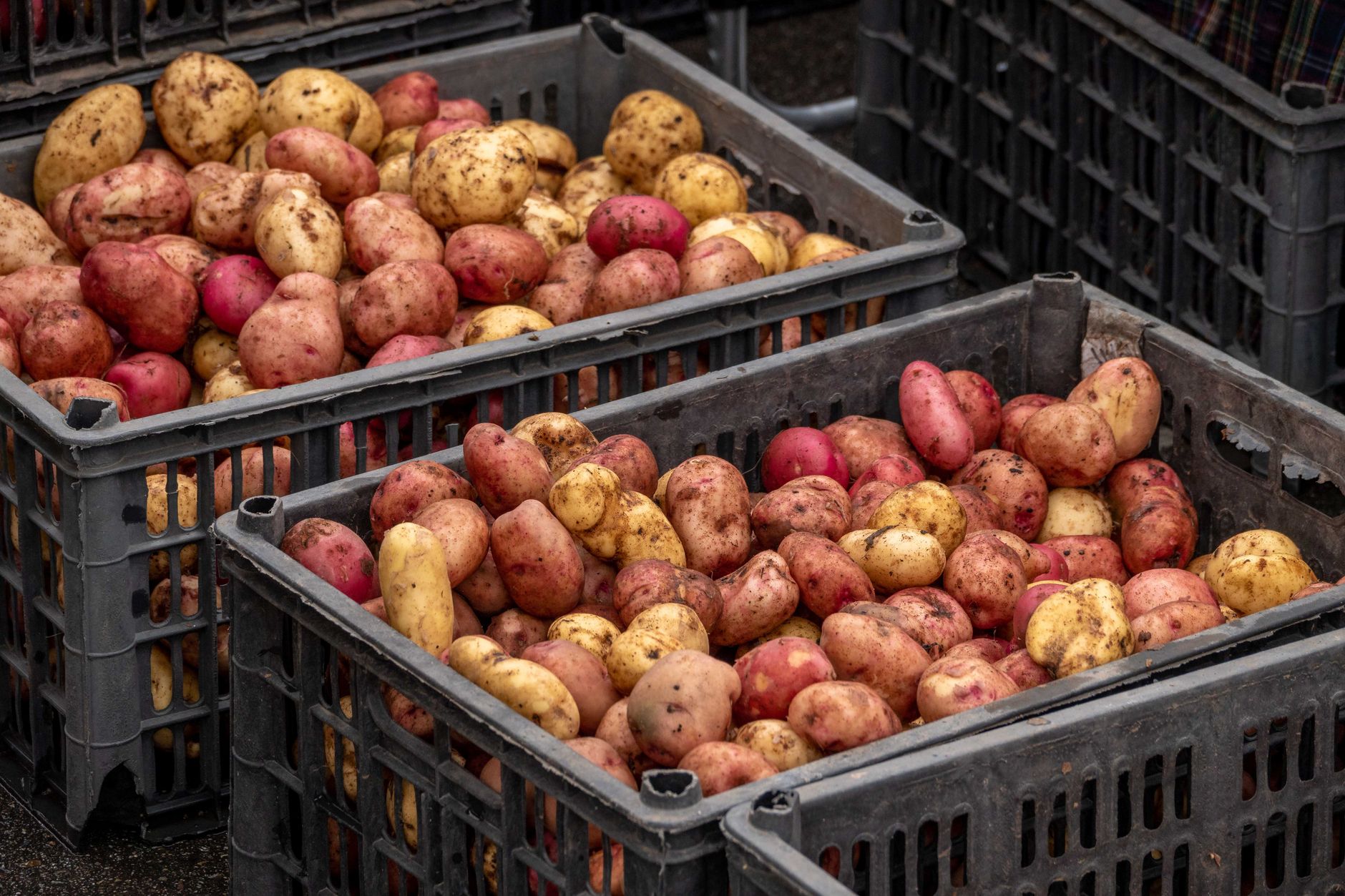
Gripper design is where many variable-crate projects live or die. Reusable plastic crates, waxed boxes, vented sidewalls, flexible lips, condensation, and top-sheet variation do not behave like a uniform carton stream. A tool that looks brilliant on one crate family can become fragile as soon as the pack changes size, moisture level, or vent pattern.
The buying question is not whether it can stack one crate. It is whether it can stack the live family of crates with predictable changeovers. If the answer requires frequent shim changes, suction-cup swaps, or operator fiddling at every recipe change, the cell will borrow labor back from the line until the savings disappear.
A good pilot forces this issue early. Test across the wettest packout conditions, the smallest and largest crate footprints, and the pallet patterns that push the longest reaches. Then measure recoveries from bad picks, jam clears, mixed runs, and partial pallets. That is more useful than any showroom video, and it tells you whether turnkey robot deployment is realistic or whether the job still needs a person parked beside the arm.
Structure the project so the off-season does not kill it
The final filter is what happens when the crop window closes. A cobot that runs brilliantly for a short harvest and then sits idle is not automatically a bad project, but the idle months must be designed into the business case. The cell needs a second home, a second task, or a financial structure that tracks the season closely enough that underused months do not erase the peak-season gain.
This is where an OEM-neutral partner earns its place. Service Robot Co works as a vendor neutral robot integrator for U.S. businesses, which matters in produce because gripper style, washdown fit, and redeployment options vary by task. The company can shape robot deployment and integration around the pallet lane itself, then finance, train, service, and support the cell with one partner one number accountability across the lifecycle.
For packhouses, the practical path is usually phased deployment no shutdown: start with one pallet lane, prove crate-family coverage, prove sanitation fit, and prove labor relief during the live season. If the cell clears those tests, expand. If it does not, a cobot lease, try before you buy program, or another financing shape can limit the penalty. In produce, the right automation move is not the flashiest one. It is the one that keeps earning after the water, the season, and the changeovers show up.