Key takeaways
- Service bays and waiting rooms soil differently, so each needs its own robot plan.
- Open drive lanes and the waiting room are the strongest robot candidates, while fresh oil and tight corners stay with the crew.
- Used oil, solvents and leaking parts cleaners stay under a hand-run inspection and disposal routine.
- Vendor claims about oil and tire-mark removal are not independently tested for tire shops, so trial them on your own floor.
- A site assessment turns the zone map into a three-year lease with one fixed quote.
What makes a tire shop floor hard to clean
A tire shop has two floors under one roof, and they share almost nothing. The service bays collect oil, grease, tire rubber and the wet slurry from wheel work. The waiting room collects foot traffic and grit tracked in from the lot, and what it needs most is to look clean when a customer walks through the door.
That difference should set the plan. A bay needs equipment that tolerates debris and fluid, and a waiting room needs a quiet, tidy pass on a schedule that never crosses a customer. Treating both as one floor usually means one machine doing two jobs badly.
How to split the floor into robot zones
Walk the floor by traffic and soil, not by room. Mark every spot where fluid or heavy debris lands, then mark the clear lanes a machine can run without meeting lift arms, hoses, cords or carts.
Once the map is marked, the zones usually sort into four groups:
- Open drive lanes between bays and the waiting room: strong robot candidates when clear of lifts and carts at the scheduled hour.
- Waiting room and customer aisles: robot passes after close or before the first appointment, kept out of queue lines and restroom approaches.
- Under-lift corners, wheel storage and tight gaps: hand crew, since a machine cannot reliably reach or fit into them.
- Oil drips, parts cleaner pads and drain-adjacent spots: hand crew first, with a degreaser on fresh spills, before any machine runs.
What a bay floor throws at a machine
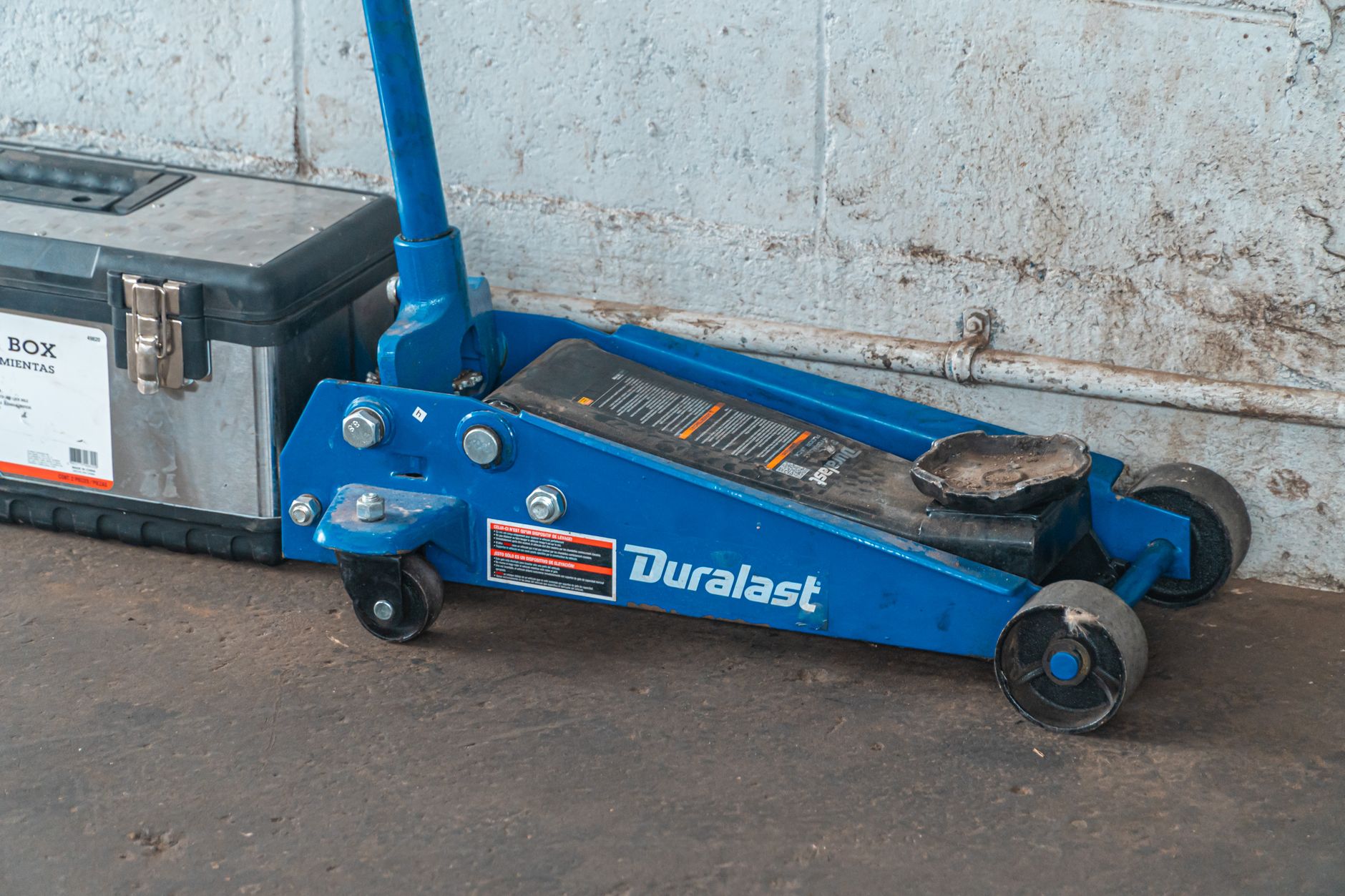
Fresh oil is the first problem. Vendor guidance from Keller Heartt says to treat fresh oil spills promptly with a degreaser and hot water, and to use a stiff brush on stains. The same guidance notes that dilution ratios vary by job. That is a seller's product advice, so check the label and your own shop rules before adopting it.
Rubber debris and tire marks are a different kind of soil. They dry, grind into the floor and track across lanes. A scrubber pass can help with that residue, but a crew still has to handle the spill that starts it.
Which machine types fit which bay tasks
Three machine types show up in the research. As of November 2026, Nilfisk's product page for the Liberty SC50 describes it as an autonomous scrubber compliant with CSA/ANSI 336, and says it runs about six hours on one charge. Both figures are vendor-reported, so confirm them against the specific unit you are quoted.
IPC sells walk-behind scrubbers, the CT15, CT50 and CT70, marketed for tire and repair shops. A walk-behind still needs an operator, which matters if the bay crew is already stretched thin. A fleet-shop article suggests a walk-behind or upright shop vacuum that dispenses cleaner, scrubs and picks up dirty liquid, which is a practical fit for small spill areas.
Tennant's automotive case study says a scrubber can remove oil, grease and tire marks on different floor types. The excerpt gives no measured results, so treat it as a claim to test. I found no independent test data for autonomous scrubbers in tire or auto-service shops.
Where a hand crew still makes sense
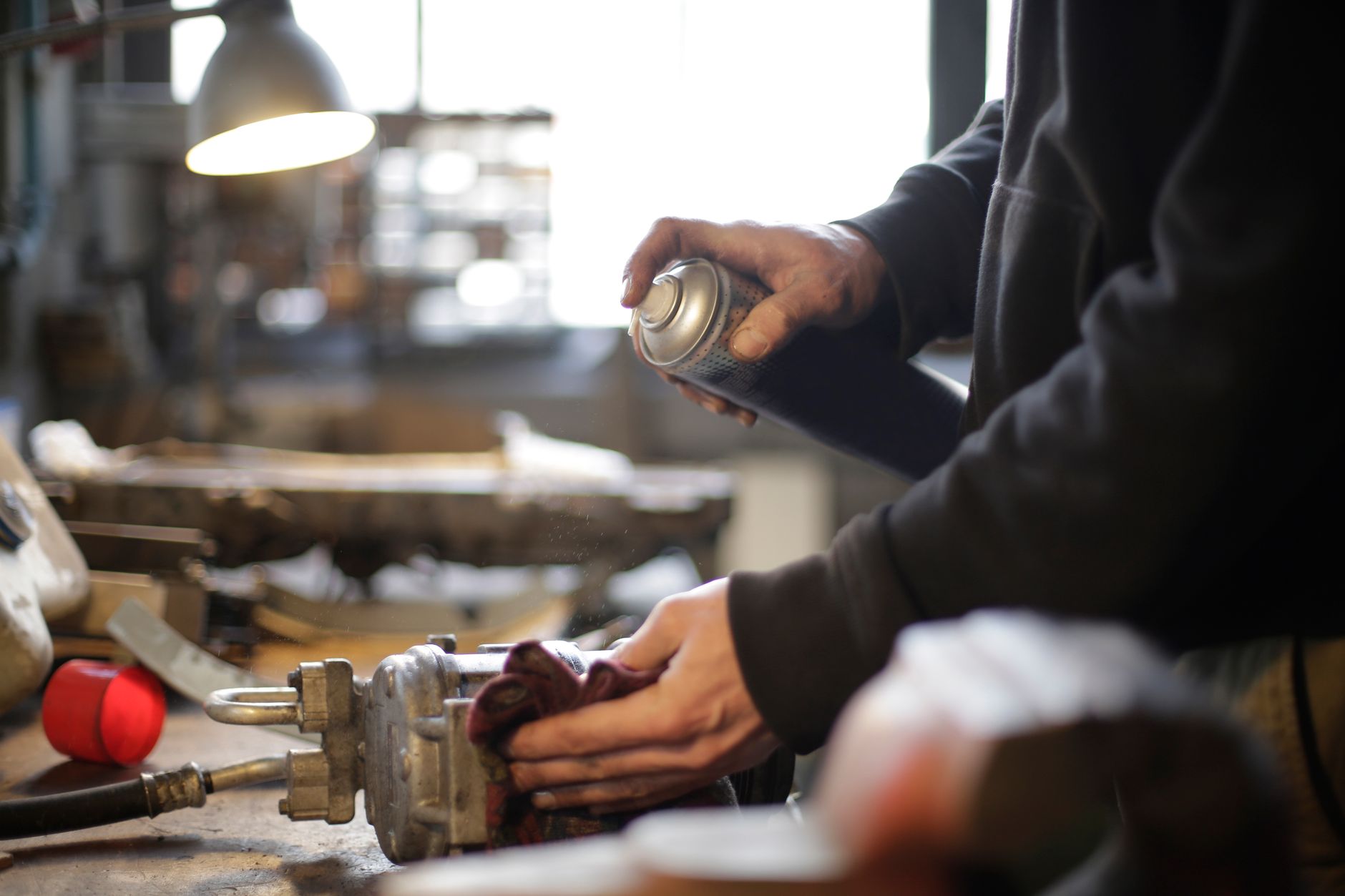
Some jobs stay with people. Tire Industry Association recommended practices say used motor oil must not go into floor drains or be mixed with other substances, and antifreeze should not be stored in open or unsecured containers. A robot should never be the reason oil reaches a drain.
The same guidance asks shops to inspect parts cleaners, the floor around them, and solvent storage containers regularly for cracks and leaks. Those are visual checks that need judgment, so they belong on the crew's written routine, not on a machine schedule.
Keeping the waiting room presentable
The waiting room is a different job. Its soil is mostly grit and tracked-in dirt, and its standard is appearance during open hours. Schedule passes before the first appointment or after close, keep the route off the queue line, and check the floor before the doors open.
None of the research covers waiting room cleaning protocols, so treat these steps as operating choices to test on your site, not as verified industry practice.
What the market data says about cleaning robots
According to IFR's World Robotics 2026 service robot release, global professional service robot shipments rose 24 percent to almost 250,000 units in 2025. Professional cleaning ranked third behind transportation and logistics and hospitality, and floor cleaning is its main application.
A 451 Research summary of IFR's presentation says cleaning robot sales rose 40 percent, with cleaning holding a 12 percent share of the professional market. That is a secondary summary, not an IFR primary figure. IFR also says its service robot figures come from a reporting sample and are not projected to the whole market, and I found no US-only unit count for cleaning robots.
How a zone map becomes a lease quote
Service Robot Co. is OEM-neutral, so the zone map comes before any brand choice. We assess the site, select the right machine for each zone across manufacturers, and lease the robots on a three-year lease. The quote is one fixed figure set after the site assessment.
We then deploy, integrate, train your staff and service every unit under RoboCare, backed by regional service engineers in every state we service. Hand-crew zones stay on the crew's list, and we map them so the robot never runs where a person is working.
Frequently asked questions
Want a robot working for you?
Tell us the job and the site. We will recommend the robot, quote the lease, and keep it serviced.
Sources
- IFR World Robotics 2026 service robot release
- Supply Chain 247 summary of IFR professional robot data
- Nilfisk Liberty SC50 product page
- Tennant automotive case study
- Tire Industry Association recommended practices
- Fleet Equipment article on shop cleaning equipment
- IPC walk-behind scrubbers
- Keller Heartt degreaser guidance for oil stains