Key takeaways
- A per property hour log turns a vague mowing budget into a record you can compare.
- Log machine run time and crew labor time separately, because the gap between them is itself a finding.
- Fuel per hour is a figure to measure on your own machines, not one borrowed from a forum.
- Properties with the highest machine hours per mowable acre are the first places to test a robot mower.
- A fair robot comparison uses the same acreage, season and weather days on both sides.
How do you track mower hours by property?
Start with one row for every mow, for every property and machine. Each row records the hour meter reading at start and stop, the operator, the crew hours logged for the job and the fuel added since the last fill. That record shows which properties consume machine time and fuel, and it gives a robot comparison something solid to stand on. Without it, the comparison rests on memory and opinion.
Keep machine numbers and labor numbers apart. Hour meters show how long an engine ran, while timecards show how long people worked, and the two rarely match. A mower that runs four hours while the crew logs six is telling you about setup, loading, trimming and cleanup, which is work a mower never touches.
Fleet software can carry part of the load. Husqvarna says its Fleet Services platform comes at no extra charge with its commercial robotic mowers and tracks each machine's position, running hours and service history, and that it can produce a daily workday log of hours used, according to its US services page, as checked in November 2026. A spreadsheet works just as well for ride on machines, as long as the fields stay identical from one entry to the next.
Which fields belong in the log?
Every entry should carry the same fields, or the averages you build later will drift. These are the ones that earn their place.
Meter readings on service events matter most. They let you set repair spend against the hours a machine had already run, which is a fairer way to compare an older unit with a newer one.
- Property name, plus a zone or hole group code on larger sites
- Date, machine ID, and hour meter reading at start and stop
- Operator name and crew hours logged for the same job
- Gallons added at each fill, with the fill date and meter reading
- Cut height, and whether clippings were bagged, mulched or left
- Stops, faults and service events, each with its meter reading
How do fuel and wear show up in the numbers?
Fuel burn moves with engine size, machine weight, terrain and grass height, so no single figure fits every property. Owner posts on one tractor forum show the spread. One describes a 35 HP Kawasaki powered zero turn with a 72 inch deck burning about 2 gallons per hour under heavy use. Another describes a 31 HP diesel zero turn at about 0.75 gallons per hour. These are anecdotes about individual machines, so use them to frame questions, not as benchmarks.
Measure your own fleet. Divide the gallons added between two fills by the hour meter difference over the same span. Run that across a full season and the number shows whether a property's grass, slope or route is pushing fuel use up.
Wear follows the same logic. Tie every blade change, belt, filter and deck service to the meter reading, and wear stops being a feeling about an old machine. We did not find a verified source for service intervals or wear costs for this piece, so take those from your equipment manuals and your own service history.

Where do mower hours run high?
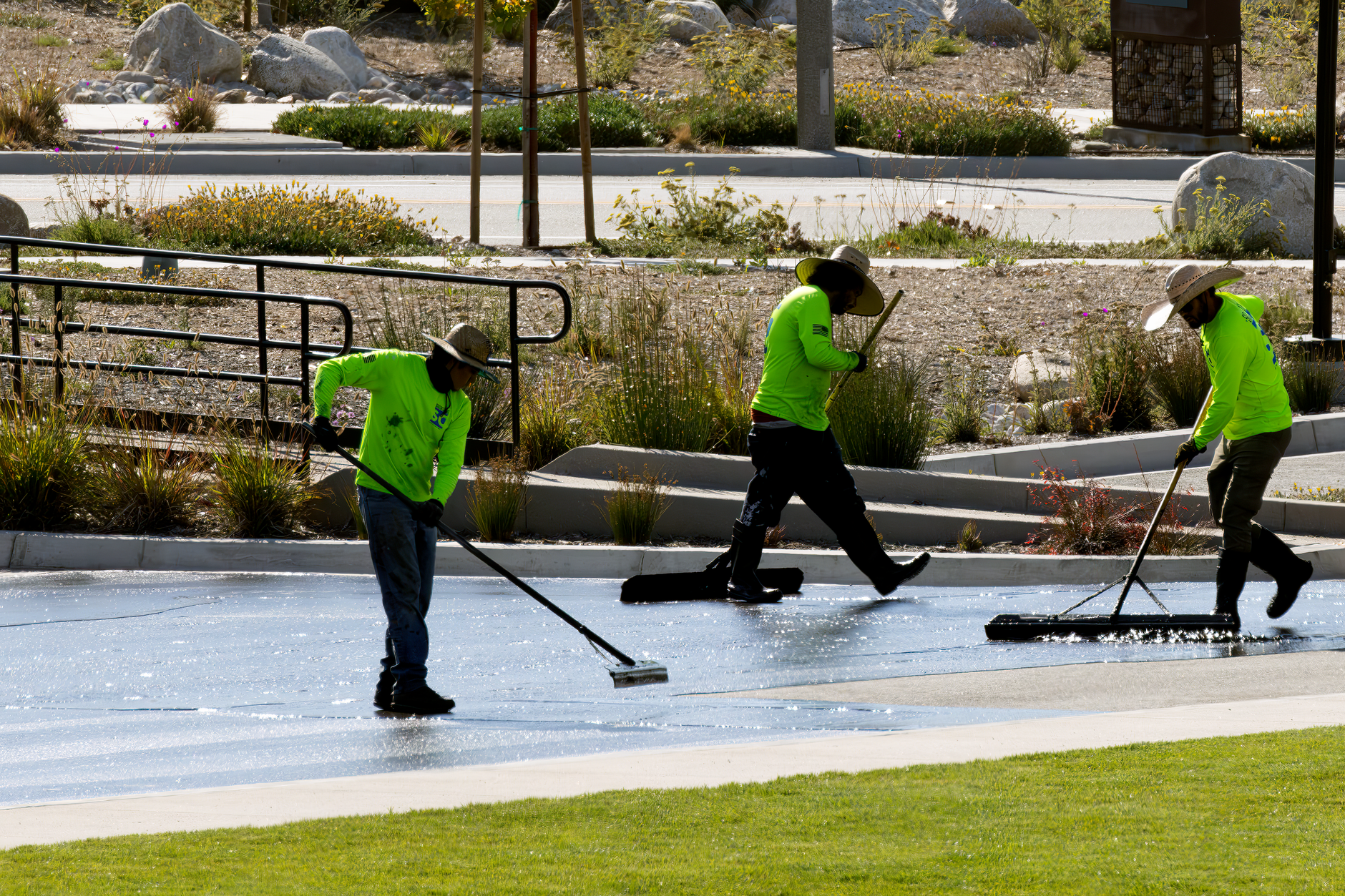
Rank properties two ways: machine hours per mowable acre, and crew hours per completed cut. The first shows where machines grind, and the second shows where people wait. A property can look light on one measure and heavy on the other, usually because of trimming, travel between zones or repeated stops for obstacles.
Look for the usual suspects. Long drives between zones, dense island beds, steep banks, heavy flush growth after rain and frequent fault stops all add hours without adding square footage. Sort those properties to the top of the list, then read each log entry for the cause.
Compare like with like. One soggy week inflates every number, so use at least a full season, or the same months across two seasons, before calling a property a hot spot. A snapshot taken in one unusual month will mislead the budget for the next.
What makes a robot comparison fair?
A fair comparison sets the same work against two options. Take the hours, fuel, wear and crew labor logged for a property over a season, and place them beside the same acreage mowed by the alternative. Either option can look cheap in a single month. Over a full season with identical acreage, weather days and mow frequency, the numbers become readable.
Demand matters too. Aspire's 2026 Commercial Landscape Industry Report, drawn from more than 1,000 US commercial landscaping professionals surveyed by Thrive Analytics between May 2 and May 23, 2025, found that 42 percent expected a stronger 2026 market than 2025 and 38 percent expected about the same. Seventy percent said they would not add services. Aspire's trends guide also reported that 47 percent named margin improvement a top priority. These are figures as reported by Aspire.
When many firms plan to hold scope steady, the hours they already have are the capacity they can sell. If a robot takes the long passes, the freed hours go to edging, trimming or a new contract. The log is what proves where those hours went.
What changes in the record when a robot mows?
A robot mower keeps its own run record, so the question becomes which fields the platform exports. ECHO lists a MyRobot Portal for fleet management on its golf focused robotic mower page, as checked in November 2026. We did not confirm which run log fields that portal exports, so ask for a sample before you rely on it. GreenSight's TurfCloud was described in local news coverage of a Brookline, Massachusetts municipal course running two robotic mowers, with managers monitoring the process remotely. That is news reporting, not a vendor specification.
Vendor claims about coverage deserve the same scrutiny as fuel figures. Husqvarna's testimonial from Carus Green Golf Club in England describes a move to a full robotic fleet over roughly six months, and the manager said one unit can cover up to three regular sized fairways per day and night. That is the customer's account as the vendor published it, so test it against your own logged acreage before you accept it.
Where does a lease fit after the log is built?
Service Robot Co. is an OEM neutral integrator for US businesses. We pick robots across manufacturers, lease them through financing, deploy, integrate, train and service every unit under RoboCare, our service plan, backed by regional service engineers in every state we service. We work from your hour log at the site assessment, then quote one fixed lease payment on a three year lease after that assessment, so the figures in the quote can be traced back to the figures on your sheet.
The log also protects you when you compare any service. Ask every integrator, ours included, to show how a quote maps to your property hours, fuel record and service history. A quote that cannot be traced to those numbers is hard to weigh against the crew you already run.
Where should the first log start?
Choose the three properties with the most mowing hours and start there, not across the whole book at once. Run the log through one full growing cycle, then sort those properties by hours per acre and by crew hours per cut. The top of that list is where a robot mower trial makes the most sense.
Robot lease options are easier to compare when each property has its own record. Starting one property at a time keeps the comparison honest for the rest of the portfolio.
Frequently asked questions
Want a robot working for you?
Tell us the job and the site. We will recommend the robot, quote the lease, and keep it serviced.
Sources
- Husqvarna Fleet Services (US services page)
- ECHO robotic mowers page
- WBZ1030 news report on Brookline golf course robotic mowers
- Husqvarna testimonial, Carus Green Golf Club
- Tractor By Net forum thread on mower fuel consumption
- Turf Magazine on Aspire 2026 Commercial Landscape Industry Report
- Aspire 2026 landscape industry trends report guide