Key takeaways
- Transport and logistics robots sold about 117,500 units in 2025, up 21%, according to IFR data as reported in trade press.
- That group held about 47% of professional service robot sales, a category share rather than a share of all robots.
- The IFR sample covers 238 producers out of 1,001 manufacturers, so the totals are not projected to the whole industry.
- Hospitality (14%) and professional cleaning (12%) ranked second and third within the professional category.
- A first transport project should start with one repeat route that you can time and measure over a few shifts.
What did IFR report for transport and logistics robots in 2025?
Transport and logistics robots led the professional service robot category in 2025. According to trade press coverage of the IFR World Robotics 2026 service robots report, the group sold about 117,500 units, up 21% from the year before. That is the headline figure most facility teams will see, and it deserves careful reading.
The same reporting places the category at about 47% of professional service robot sales. Total global professional service robot shipments rose 24% to nearly 250,000 units, so transport grew inside a market that was itself expanding quickly.
What does the 47% share actually measure?
The 47% applies only to the professional service category. Industrial, medical and consumer robots are reported separately, so the figure says nothing about how transport robots compare with arms on an assembly line or with robots sold for homes.
A category share shows where sales volume landed in one year. It does not show which tasks return the most value in your building, and it does not estimate how many robots a single site needs. Those answers come from your own route data.
How do the other application groups compare?

Within the professional category, hospitality ranked second at 14% of sales and professional cleaning ranked third at 12%. The two-point gap between them is narrow, so the ordering is best read as a snapshot rather than a settled ranking.
Cleaning deserves a second look from facility teams. Floor care is often the task that a short overnight crew cannot finish, and in many buildings it competes with hauling for the same labor hours. A transport figure at the top of the list does not tell you which of your tasks should go first.
Why does lease-style financing show up in the trend?
IFR reports that a lease-like sales model continues to grow, and that it is already the dominant model among the US professional service robot suppliers in its survey. In plain terms, more operators are reaching robots through arrangements that spread the cost over a term instead of a single large outlay.
We work in that model at Service Robot Co. Our service robot leasing runs on a 3-year lease, with one fixed payment quoted after a site assessment. We are OEM-neutral, so we choose the right machines across manufacturers, then deploy, integrate, train and service every unit under RoboCare, our service plan.
Where should a facility team look first?
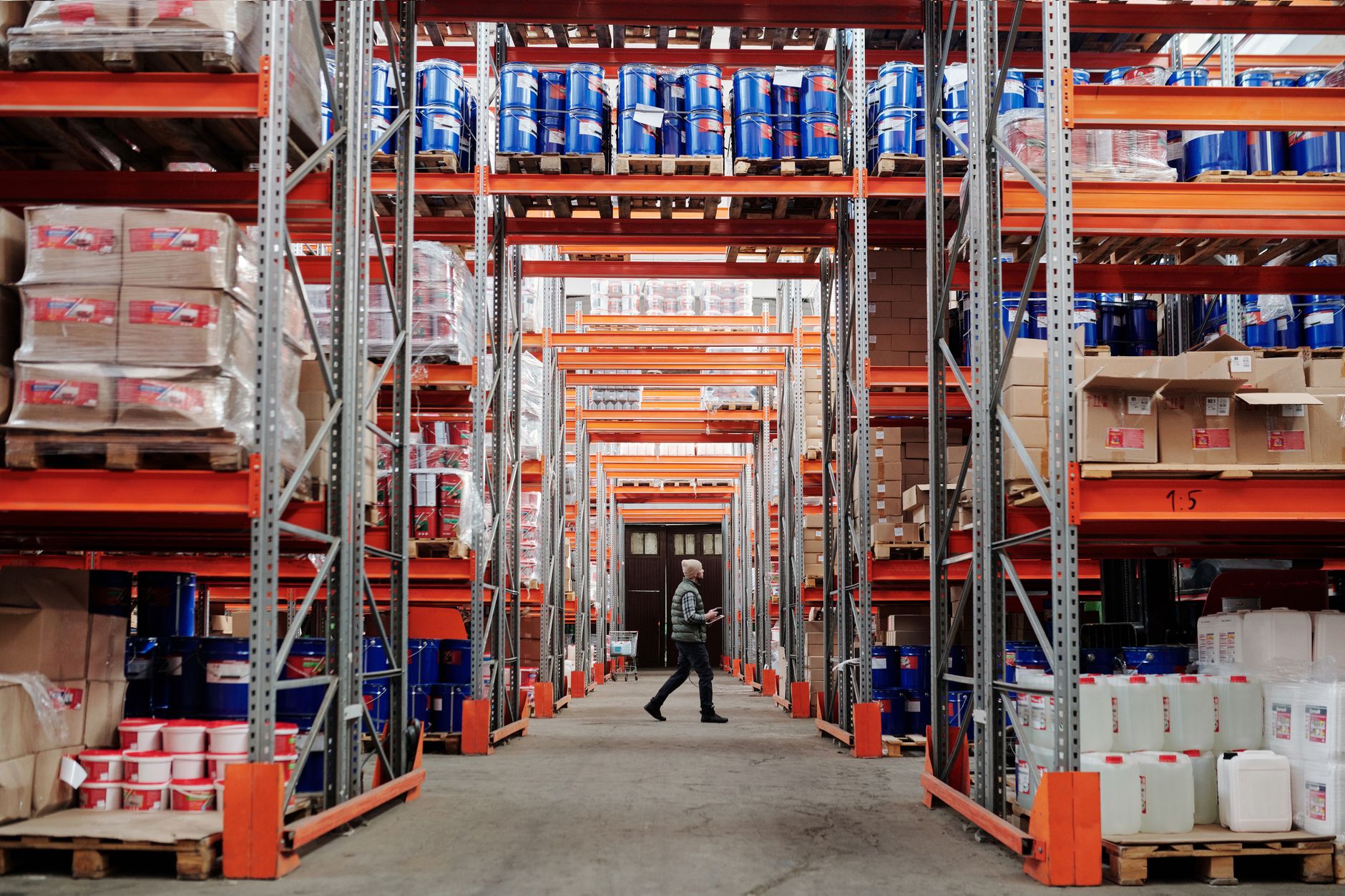
Start with the moves, not the machine. A transport robot earns its place on a route that repeats often, runs long enough to matter, and passes through space that can be mapped. Gather a few shifts of raw data before anyone requests a quote.
Watch the handoffs most closely. In many transport lanes the delays come from doors, lifts and staging spots rather than from the travel between them, so a route survey should time those points first.
Once the data exists, the first project is usually one lane or one zone rather than the whole building. A site assessment and mapping visit comes before any robot lease quote can be set.
- Count repeat moves per shift, recording origin, destination and load weight.
- Time each move today, including the waits at doors, elevators and staging areas.
- Mark the aisles, dock doors and elevator lobbies a robot would have to cross.
- Note where people currently hand off carts or pallets, because each handoff needs a plan.
How should a first project be sized?
A first project works best as one leased unit on one route, with success measured against your own baseline. Set targets before go live, such as moves completed per shift, idle minutes, or staff hours returned to other work. Then compare after a fixed period, using the same logging method you used before the robot arrived.
Plan service coverage from day one. A unit that stops on a night shift needs a fast answer, which is why RoboCare pairs each leased robot with on-site dispatch and remote triage through regional service engineers in every state we service.
A 3-year lease sets a fixed horizon, so the first year of data should show whether the route earns a place in the plan. A second zone is a much smaller decision than the first, and the baseline you built is what makes that decision easy to defend.
Frequently asked questions
Want a robot working for you?
Tell us the job and the site. We will recommend the robot, quote the lease, and keep it serviced.