Key takeaways
- Total the idle overnight hours from logs before comparing anything to a robot.
- At the BLS median of $17.27 an hour, every idle hour carries a wage value you can name.
- Idle time becomes savings only when you can change the schedule or redeploy the person.
- A fixed robot lease payment only means something next to priced hours from the same zone.
- Start with one overnight zone, log it for several weeks, and set go or no go rules first.
Why do overnight floor hours go unused?
Plenty of facilities keep a building open or staffed overnight for reasons unrelated to floors. Security, receiving, dispatch and a handful of other duties justify the lights and the payroll. Yet the hours set aside for overnight floor care often sit idle, because the task is handed to someone already busy elsewhere, or it only gets done when a supervisor remembers.
The fix starts with arithmetic, not equipment. Total the idle hours, price them at a real wage, and only then set that number beside a quote for a floor robot. The labor baseline is easy to find. The U.S. Bureau of Labor Statistics reports a median of $17.27 an hour for janitors and building cleaners in May 2024, or about $35,930 a year.
That is a national median, not your payroll. Use it as a starting point, then replace it with what you actually pay.
How do you total the idle hours?
Start with the hours your schedule already pays for, not the hours you wish you had. Pull several weeks of timesheets and task logs for the overnight window, then sort every hour into four buckets.
The gap you are after is paid time that produces no floor work. That figure holds up better when it is drawn from logs than from memory, and it is the number to bring to a budget meeting.
- Scheduled floor care time that was completed
- Scheduled floor care time that was skipped or cut short
- Open overnight hours with no floor task assigned
- Hours that carry a shift premium on top of base pay
What is an idle hour worth in dollars?
Here is a worked example. Every figure below is an assumption chosen for illustration, not a measurement from any site. Suppose two idle floor care hours a night, five nights a week, for 52 weeks. That is 260 nights and 520 idle hours a year.
At the $17.27 national median, 520 hours comes to about $8,980 in base wages. That number is the value of the time, not a saving. Your rate and your recoverable hours will differ, and the recoverable share is the part that decides the case.
Shift premiums raise the figure. A 2010 survey summarized by SHRM found that 92 percent of surveyed companies pay shift differentials to hourly employees, and typical percentage premiums ran 5 to 15 percent of hourly pay. Applied to $17.27, that range comes to roughly $0.86 to $2.59 an hour more. The survey is dated, so confirm current premiums in your market.
How should idle hours be compared with a lease quote?
Once priced, idle hours become a ceiling on what a robot could recover, not a promise. Time turns into cash only when you can change the schedule, move a person to work that matters more, or stop paying for coverage the building does not need. A lease earns a look when it reduces hours you actually control.
Service Robot Co. offers commercial robot leasing through financing on a three year lease, with one fixed robot lease payment quoted after a site assessment. We do not publish a number here, because the quote depends on the site, the floor and the coverage required. Set the quote beside the priced idle hours for the same window and zone, and confirm both describe the same work.
Service under RoboCare™ covers each unit we deploy, so weigh response times and repair coverage alongside the payment. Those terms decide whether an overnight window stays productive when a unit needs attention.
Where is the gap worth closing?
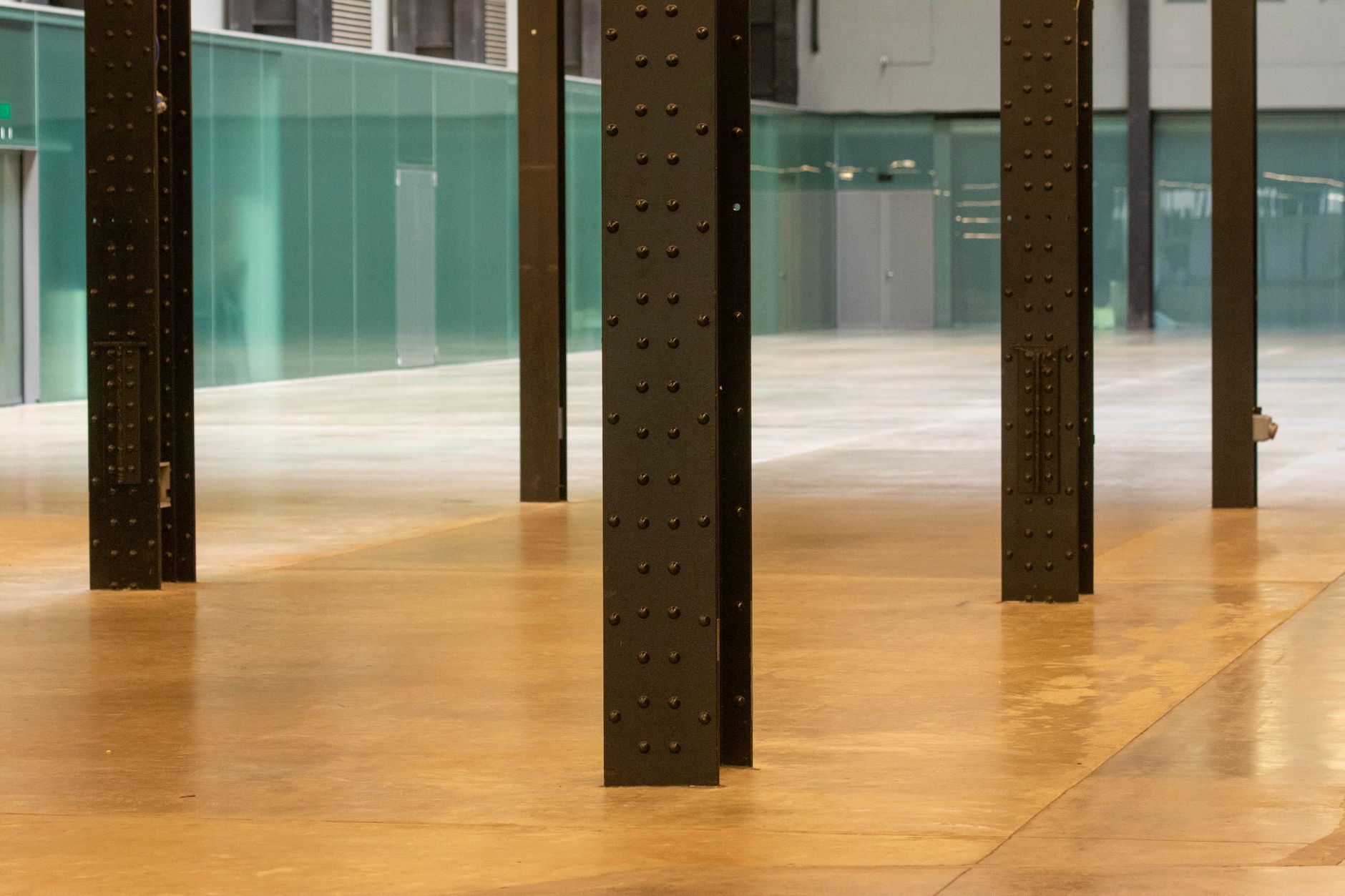
Not every idle window deserves a robot. The strongest cases share three traits: a large, mostly open floor, a route that repeats the same way each night, and a window where nobody is scheduled to cover the work. A floor scrubber lease fits best where those conditions hold together, especially for overnight cleaning with no operator on site.
The labor outlook is a reason to track the gap by name. The BLS projects employment for janitors and building cleaners to grow 2 percent from 2024 to 2034, which it describes as slower than average. An overnight hole left unnamed tends to be absorbed by whoever is on shift, and that cost never appears on a schedule.
What do the industry numbers say about cleaning robots?
According to IFR data as summarized by The Cleanzine, professional cleaning robots were the third largest professional service robot segment in 2024. The summary reported more than 25,000 units, sales up 34 percent, and floor cleaning as the main application.
Read those figures as direction, not benchmark. They come from a trade press summary, so the underlying IFR release should be checked before any board presentation. They show that peers are moving, not what your floor will return.
How do you decide and start small?
Choose one overnight window and one zone. Log the idle hours for several weeks using the same method as the baseline, then set that result beside the fixed robot lease payment quoted for that zone. A site assessment is how Service Robot Co. builds that quote, and it is where the zone boundaries get confirmed.
Settle the go or no go rule before the trial begins. Write down what counts as a recovered hour, who reviews the logs, and what happens when a unit stops mid route. Teams that agree on those points in advance avoid arguing about results afterward.
Frequently asked questions
Want a robot working for you?
Tell us the job and the site. We will recommend the robot, quote the lease, and keep it serviced.