Key takeaways
- Robot passes suit the long open runs, while the crew keeps poles, guy wires, gates, access points and edges.
- Each utility sets its own clearance rules, so get the governing specification in writing before any lease quote.
- Map every pole, guy wire, gate and access road as a keep out or crew zone before the robot runs.
- Satellite sky view decides where the base station goes, and tree cover pulls positioning accuracy down.
- A lease quote follows a site assessment, with one fixed lease payment over a three year lease.
Can robot mowers handle a utility right of way?
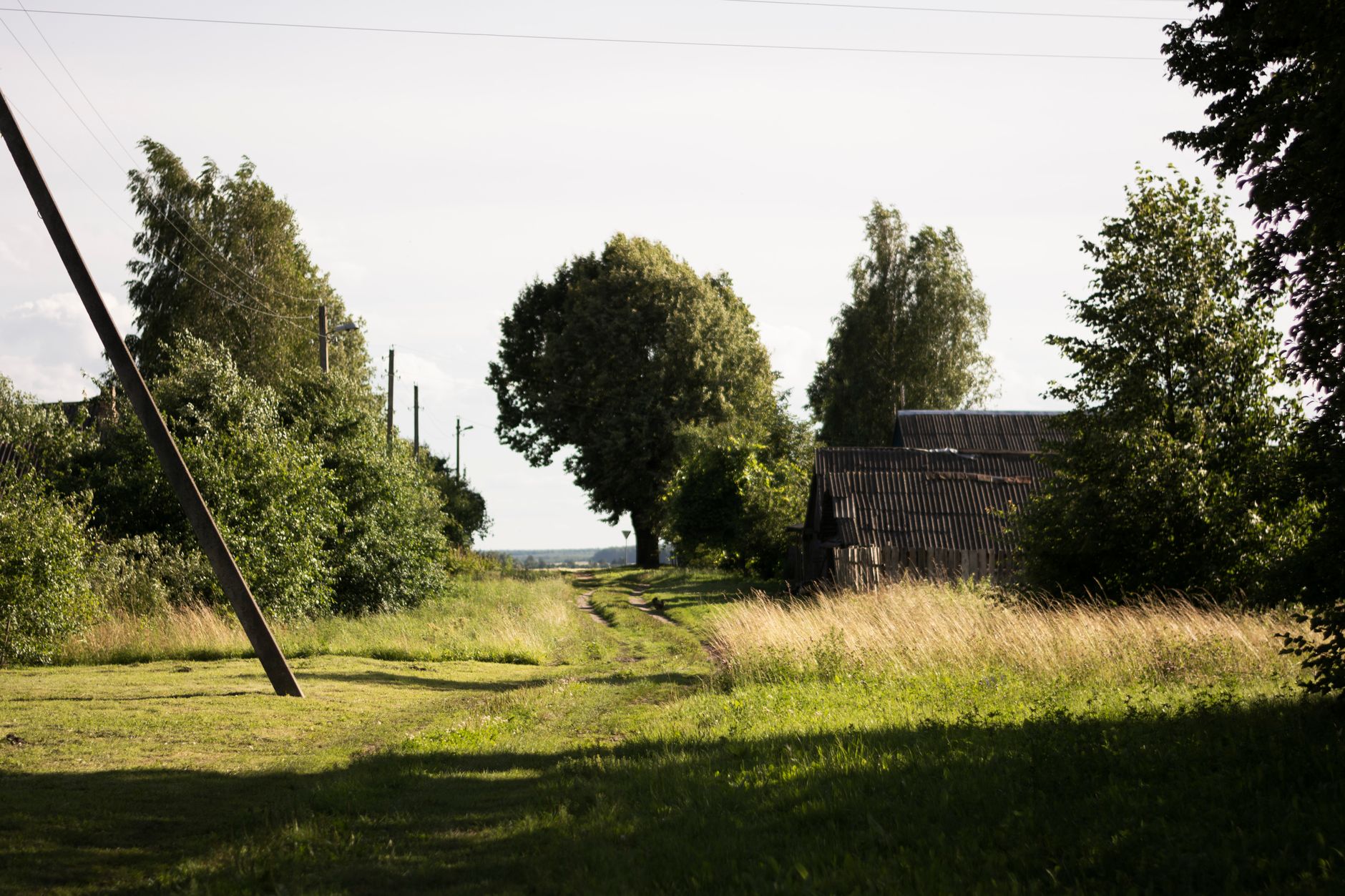
Yes, on the long open strips. A right of way is mostly a run of turf between structures, and that run is where a robot mower earns its keep. The crew stays on the parts that need hands and judgment: poles, guy wires, gates, access points and the edges a mower cannot reach safely.
The catch is that the utility, not the contractor, sets the rules. Clearance requirements vary by utility and by voltage, and no single distance applies across the country. Before a lease quote, map the strip, pull the utility's written specifications, and confirm which zones are closed to a machine. A robot pass is only as good as the map it runs on.
Which parts of the strip suit a robot pass?
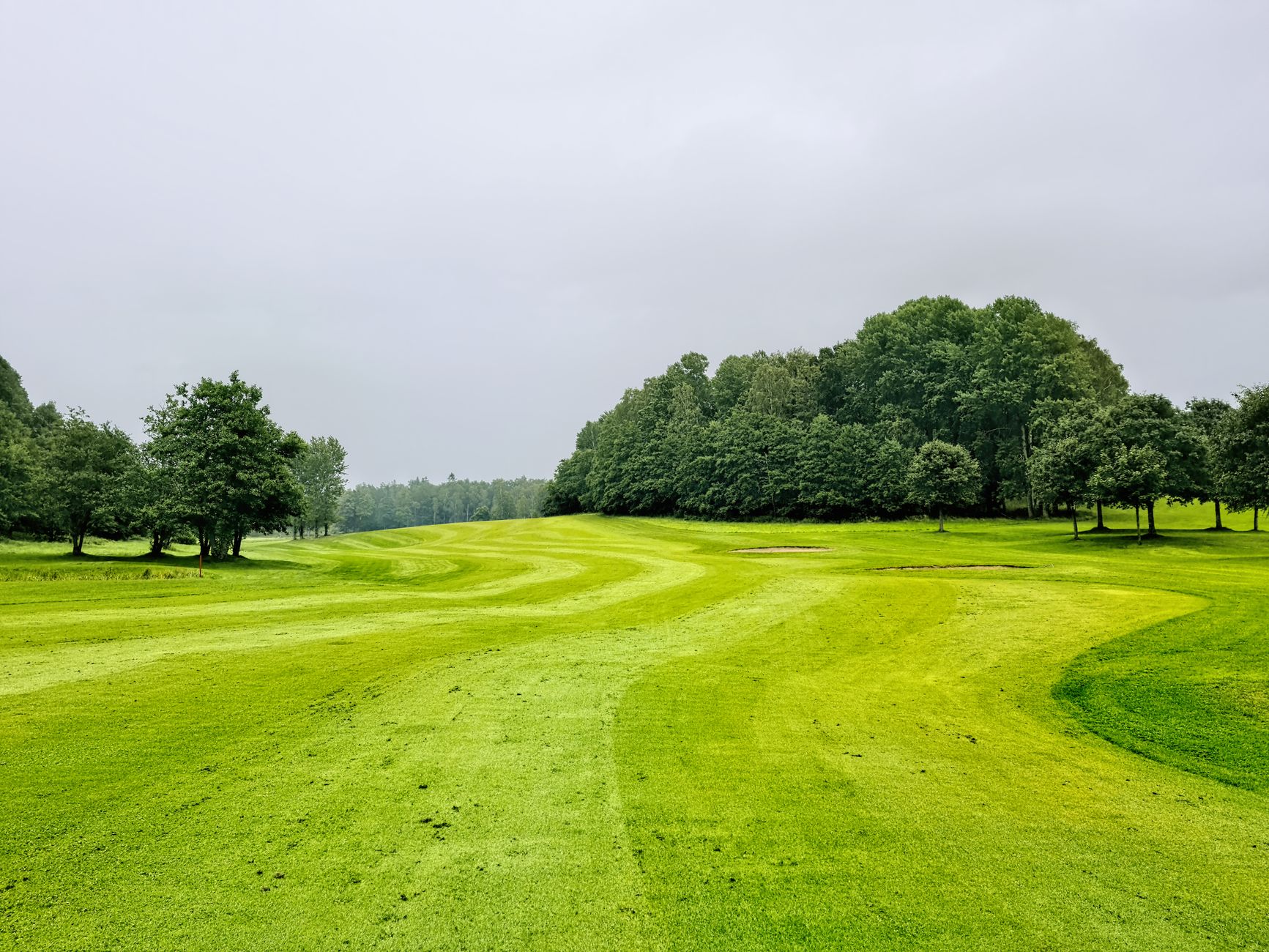
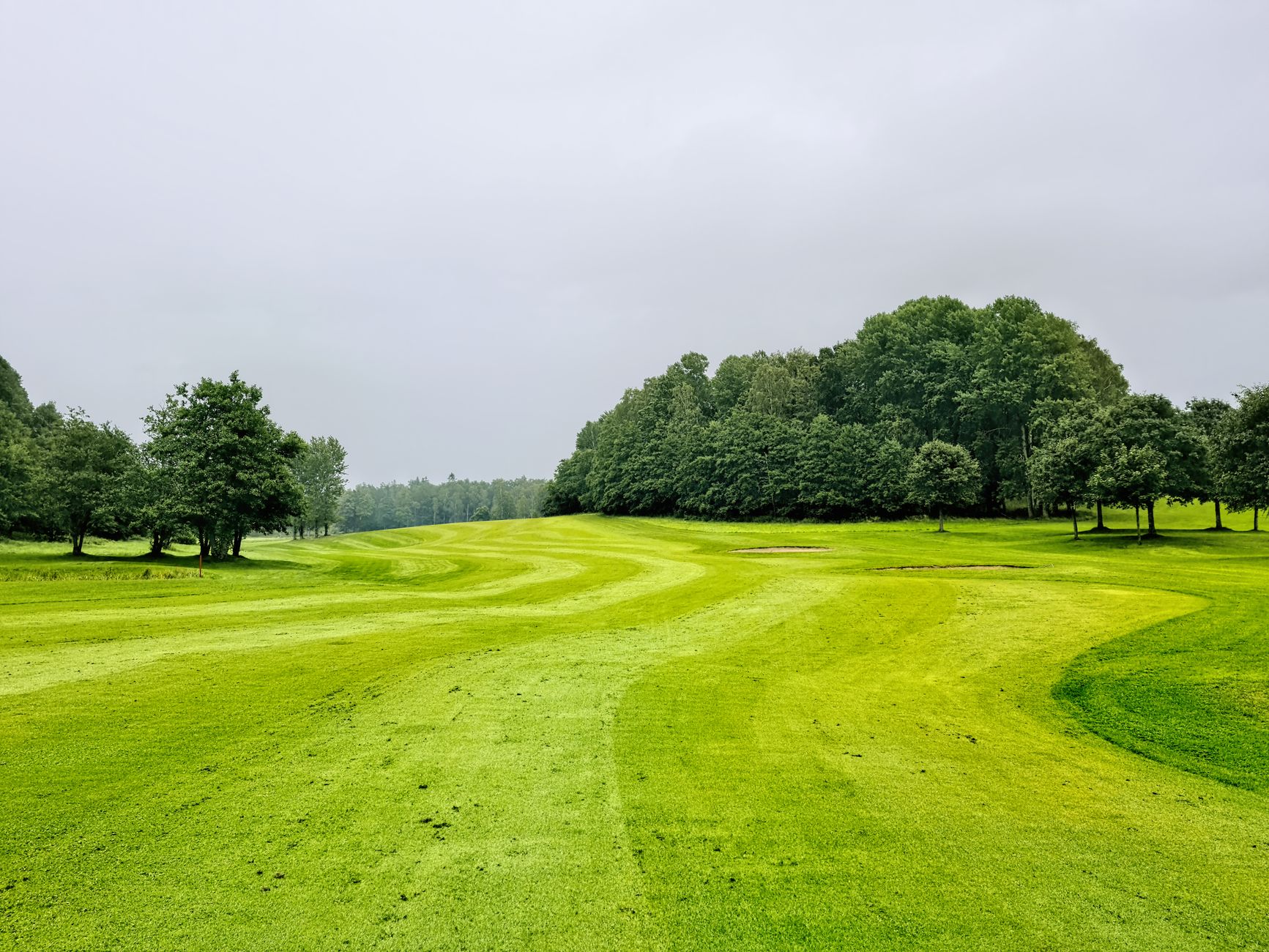
Open, reasonably even turf with clear sightlines suits a robot best. Mark the sections where woody growth, standing water or steep banks would force a mower off its path, and treat those sections as crew work.
- Long open runs between structures, where a pass can run unbroken
- Turf around pole bases, guy wires and anchors, which the crew trims by hand
- Gates, barriers and access turnarounds, which stay with the crew
- Fence lines and ditch banks, which often need clearing work beyond a mowing pass

What does the utility expect you to clear?
The utility specification is the baseline. An Eversource notice on scheduled right of way work says woody vegetation is removed around all pole and tower structures, guide wires, gates and barriers, and all off road access roads. A Tennessee transportation specification asks for brush, vines and woody growth to be removed around poles, stub poles, guy poles, guy wires and other obstructions, and along fence lines and ditches.
That same Tennessee document says mowing does not relieve the contractor from hand trimming where needed. For a robot program, that sentence matters most: the machine covers open ground, and the crew owns everything the specification says must be trimmed by hand. Access is a separate line item. An NRC filed standard calls for existing access roads along rights of way, including access to structures, to be cleared of woody vegetation to a minimum width of 14 feet. Unitil's vegetation management document adds that where no permanent access route exists, a pathway may be created and maintained.

What should you map before a lease quote?
Map the strip in layers. Start with every pole, stub, guy anchor and tower footing, then add guy wire runs, gates, barriers and access roads. Each item becomes a keep out zone or a crew zone in the robot's map. Danvers Electric says it retains independent contractors for all vegetation work and requires them to follow its vegetation specifications, so the specification you receive is the document to map against.
This is where a lease conversation starts. Service Robot Co. works from a site assessment, and the lease is quoted after that assessment: a three year lease with one fixed lease payment. Bring the utility specifications, the access road list and your crew's trimming zones to that visit, so the quote reflects the real strip rather than an estimate of it.
How does satellite sky view set the base station spot?

Most RTK mowers need a clear view of the sky, and a right of way often has trees or structures close to the line. A Mammotion blog index page, checked as of November 2026 through a search snippet only, says the Luba mower and its RTK reference station need at least a 90 degree open sky view of the lawn. Confirm that figure in the product manual before relying on it.
A Segway troubleshooting page from a retailer, not the manufacturer, says the Navimow GNSS antenna needs a clear, unobstructed view of the sky in every direction and should be mounted at least 1.5 meters high. Navimow's own support page covers sky view causes of weak signal and notes that partial tree cover lowers accuracy, so the mower leans more on its other navigation sensors. That page's specific threshold was not confirmed here, so check its wording directly.
In practice, walk the strip and check sky view at each candidate base station position, noting trees, poles and overhangs. Where the line runs under a canopy, expect more reliance on non satellite sensors and schedule crew work around it. Network correction services can suffer from the same obstructions, so a correction service does not fix a blocked sky.
Where does the crew stay on the strip?
Crew hours belong in the places a robot cannot reach safely or accurately. Assign one or two crew members to the structure zones: trimming around pole bases and guy wires, hand cutting vines on guy wires and poles, and clearing gates and turnarounds. Flagging guy wires and structures so operators can see them is crew work too, and it belongs in your map and your crew scope.
Sequence matters. Trim the structure zones and flag the guy wires first, then release the robot onto the open run. Edges and transitions get a final crew pass. Log each day which zones the robot covered and which the crew finished, because that log is what you show the utility when the next scheduled notice arrives.
What should you confirm with the utility in writing?
Before the quote, ask the utility for the vegetation specification that governs your strip, the keep out zones, the access road widths and any approved pathway rules. Confirm who inspects the work and how often. Ask whether a robot mower may operate near energized structures, and whether crew entry needs advance notice. Store these answers in the site file with the map, so the lease quote and the crew briefing rest on the same record.
Frequently asked questions
Want a robot working for you?
Tell us the job and the site. We will recommend the robot, quote the lease, and keep it serviced.
Sources
- Eversource right of way notice, posted by the Town of Acushnet
- Tennessee transportation construction specification Const-806
- Unitil five year vegetation management plan 2024
- NRC filed right of way vegetation standard
- Danvers Electric Vegetation Management Plan 2021 to 2025
- Navimow academy page on weak GNSS or RTK signal
- Mammotion news and blog index
- Trunetto troubleshooting page for Segway Navimow GPS signal loss