Key takeaways
- Idle robots on a fixed lease carry their full cost, so every unused hour dilutes the return.
- Staff who chase wandering robots are labor that deployment reports usually leave out.
- Log available, idle and touch minutes from the first live day, not after problems appear.
- Nextgov's excerpt counts deployed applications, which measure activity more than results.
- Set stop rules and response expectations in writing before the first unit goes live.
What the VA's early robot results actually show
Early robot use at the Department of Veterans Affairs is producing mixed results, and the mix is the useful part. A March 2026 Nextgov report described many units sitting idle or misdirected, with staff spending time chasing robots that had drifted off course. Enthusiasm among staff stayed high.
Nextgov's excerpt reports that 65 of 90 VA facilities had reported using robots, with 121 total deployed applications. Those counts measure activity. They say little about how many trays a unit moved or how many routes it finished on a given day.
Idle time and staff chasing time are two distinct costs, and both can run quietly for months. Measured from the first week, they are easy to see. Left alone, they become the normal way the robot works.
Why an idle unit costs more than its lease line
A robot on a fixed lease carries its cost while it delivers supplies and while it sits parked in a supply room. Idle hours therefore dilute the return on every hour the unit does work. The arithmetic is simple, and it is easy to skip when a rollout is announced with enthusiasm.
Misdirected units are a separate failure from idleness. A robot that arrives at the wrong bay or stalls in a corridor still ties up a route and a person, even though it looks busy on the floor.
Procurement interest is also visible. A VISN 1 solicitation posted in March 2026 sought an enterprise wide autonomous mobile robot delivery system. The notes did not verify an award, so the listing shows demand for the category, not proof of results.
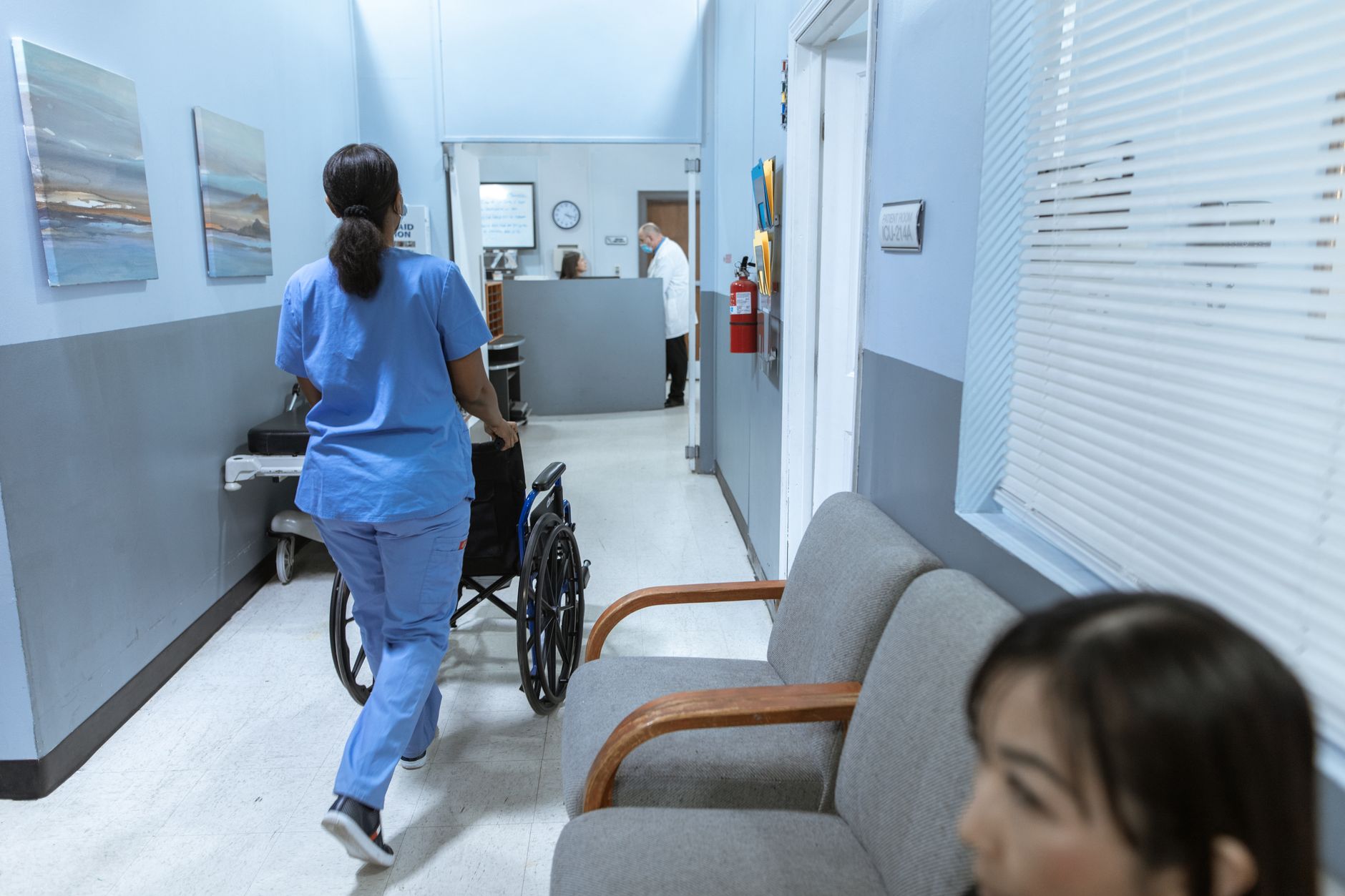
What the best-performing VA site did differently
Nextgov called the Houston DeBakey VA Medical Center VA's most successful robot implementation across the country. According to the excerpt, the site was purpose built for robots, and its staff were trained to maintain the robots rather than depend on manufacturers.
Two lessons stand out. The first is physical: the building was prepared for the machines instead of forcing machines into a layout built for people alone. The second is staffing: in house maintenance skill shortens the wait for outside help. Neither is a guarantee, and the excerpt does not give the site's uptime or touch figures.
Why the 2016 Madison audit still matters
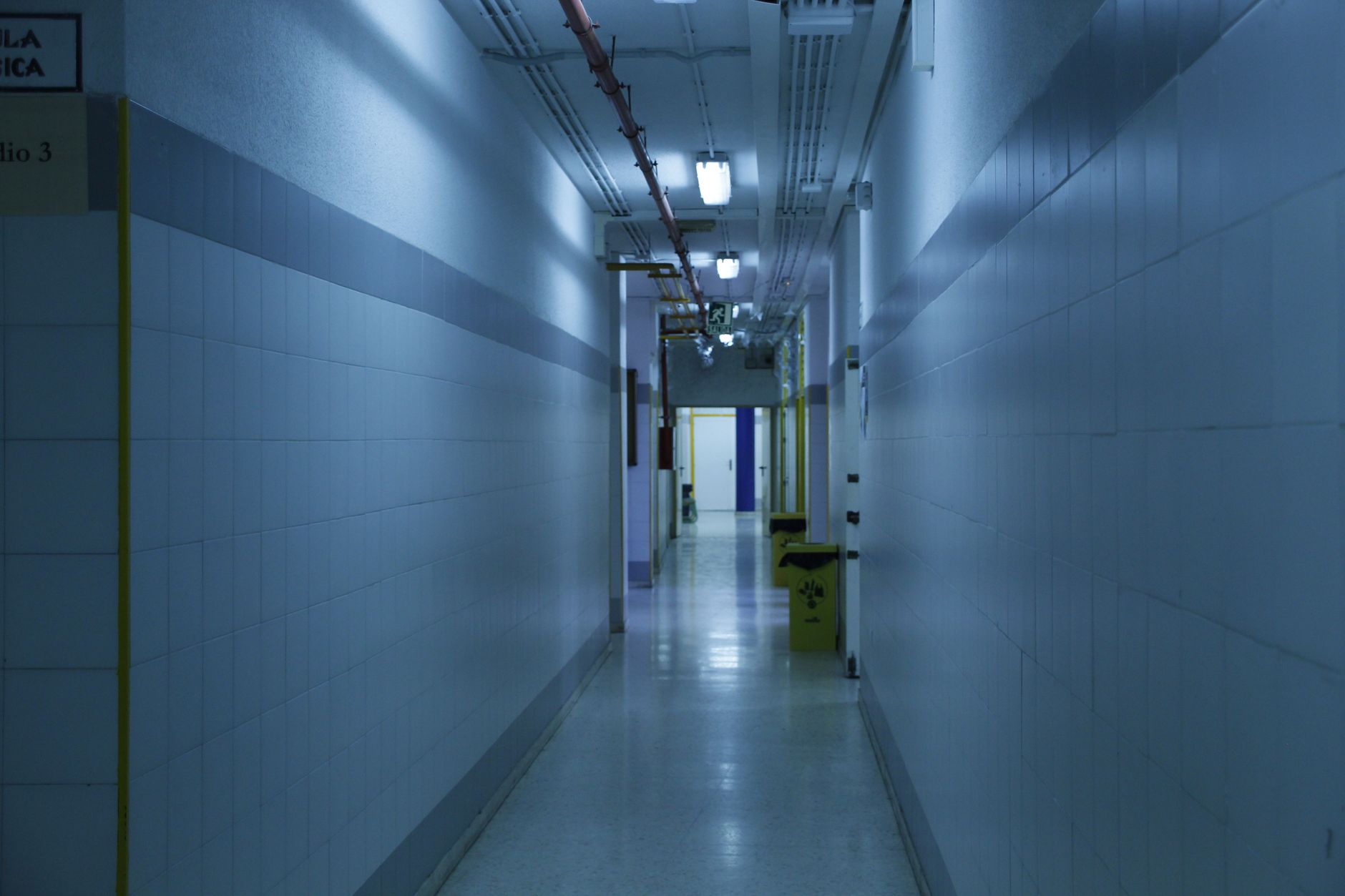
A 2016 VA inspector general audit found that the Madison VA acquired robots without first checking whether they could navigate its crowded hallways. The facility later determined it could not use them, at a cost reported as over $300,000 for two robots.
Accounts of this acquisition do not always agree on the price, so the audit wording is the figure to cite. The lesson is the sequence: test navigation in the real corridors before committing funds, not after.
Track uptime and staff touch time from week one
A short daily log beats a quarterly review. Start on the first live day, keep the same fields every shift, and the first week becomes a baseline instead of a guess. The log needs five fields at minimum.
Review the log at the end of each day during the first week. Patterns usually appear within a few shifts, such as a corridor that causes repeated stops, a charging window that overlaps delivery peaks, or one unit that needs help more often than its neighbors.
Fix the definitions before the first shift. If one crew counts a reboot as a touch and another does not, the weekly comparison collapses.
- Minutes the unit was available for assigned work, set against scheduled minutes.
- Minutes idle, with a reason code such as charging, blocked route or no task queued.
- Count of staff touches, with the minutes each one took.
- Location of each touch, so repeat trouble spots show up on a floor map.
- Runs completed against runs attempted, including every reroute.
Where service coverage fits into the uptime plan
A tracking log shows where time leaks. It does not repair a robot. Decide who responds before the first unit goes live, and write the answer into the agreement.
Service Robot Co. is a full service commercial robot integrator for US businesses. We are OEM neutral, so we select robots across manufacturers, then lease, deploy, connect, train staff and service each unit through a nationwide US engineer network. One partner, one number, one fault record for the whole lifecycle.
We offer robot leasing on a three year term with one fixed robot lease payment, quoted after a site assessment. Whoever you choose, ask how remote triage works, how on site dispatch is scheduled, and whether a backup unit can cover a route while a robot is serviced. Those answers belong in the agreement before the robots arrive.
Set stop rules before the first problem
Decide before go live what the log must show to keep a unit in service. Agree on thresholds with the department that runs the route, and write them down. Without them, a unit that sits idle much of the week stays on the floor because it is new, and nobody can say why.
Stop rules should cover three situations: repeated stalls on the same corridor, touches that rise from one week to the next, and idle minutes with no logged cause. Each points to a different fix, such as remapping a route, adjusting the charging window or escalating to the service team.
Starting with one leased unit on a single route keeps the baseline clean and the failure modes easy to read.

Frequently asked questions
Want a robot working for you?
Tell us the job and the site. We will recommend the robot, quote the lease, and keep it serviced.
Sources
Service Robot Co. is not affiliated with, sponsored by, or endorsed by the companies mentioned in this article.