Key takeaways
- Gausium case materials describe Waberer Medical Centre deploying one Phantas unit on June 1, 2024 in medical corridors with Prexrobot CEE Kft.
- The centre already used surgical robots and wanted corridor hygiene to match that innovation standard amid cleaning labor gaps.
- Phantas was selected for compact size, multi-surface cleaning, and AI navigation in narrow healthcare paths.
- Reported outcomes include more consistent cleaning, stronger hygiene alignment, and growing staff and patient acceptance of automation.
- Service Robot Co. can compare OEM-neutral scrubbers and vacuums, finance deployment, and support RoboCare service after US site walks.
Why did a Hungarian medical centre add a floor robot?
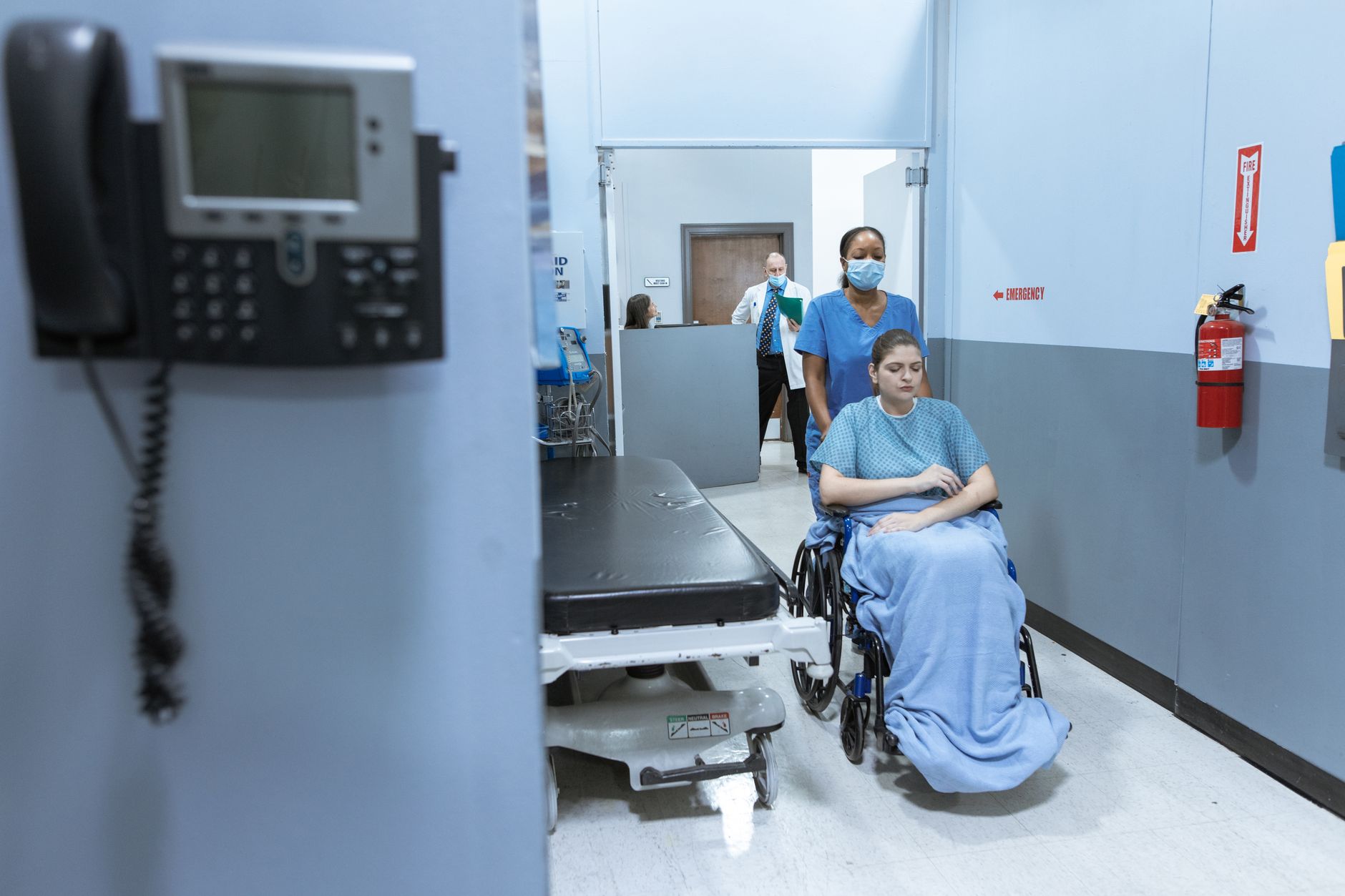
Waberer Medical Centre in Hungary built its reputation around advanced care, including robotic assistance in surgery. According to Gausium case materials published in December 2024, leadership wanted the same seriousness applied to corridor hygiene when cleaning labor grew harder to staff.
The deployment date listed is June 1, 2024. One Phantas unit from Gausium went to work in medical centre corridors, introduced by Prexrobot CEE Kft, Gausium Tier 1 distributor in Hungary.
For US outpatient groups and specialty hospitals, the lesson is cultural as much as technical. When clinical teams already trust robots in high-acuity settings, floor automation feels like a continuation rather than a stunt in the lobby.
What problems was Waberer trying to solve?
Gausium cites labor shortages on the cleaning team as the core risk. In healthcare, missed passes in corridors can undermine infection-control messaging even when clinical areas stay tightly managed.
The centre also wanted cleaning operations to match a broader push toward technology adoption. Managing director Dr. Mári Róbert told Gausium that the organization seeks advanced tools for patients and surgeons, then looked for similar progress in maintenance.
US operators should map which tasks are truly corridor-bound versus OR-adjacent. This case focuses on public circulation paths, not sterile cores that still demand manual protocols.
Why Phantas for narrow medical corridors?
Gausium highlights Phantas compact footprint for tight healthcare hallways, multi-surface handling, and AI-driven task optimization.
Corridors see wheelchairs, gurneys, and supply carts that change width by the hour. A smaller scrubber-vacuum platform can pause and resume without blocking nurse stations as long as maps include hold points.
Compare your doorway widths, elevator thresholds, and floor transitions before assuming a warehouse-sized scrubber fits. Phantas class machines target a different geometry than wide retail aisles.
How did leadership frame robots for staff and patients?
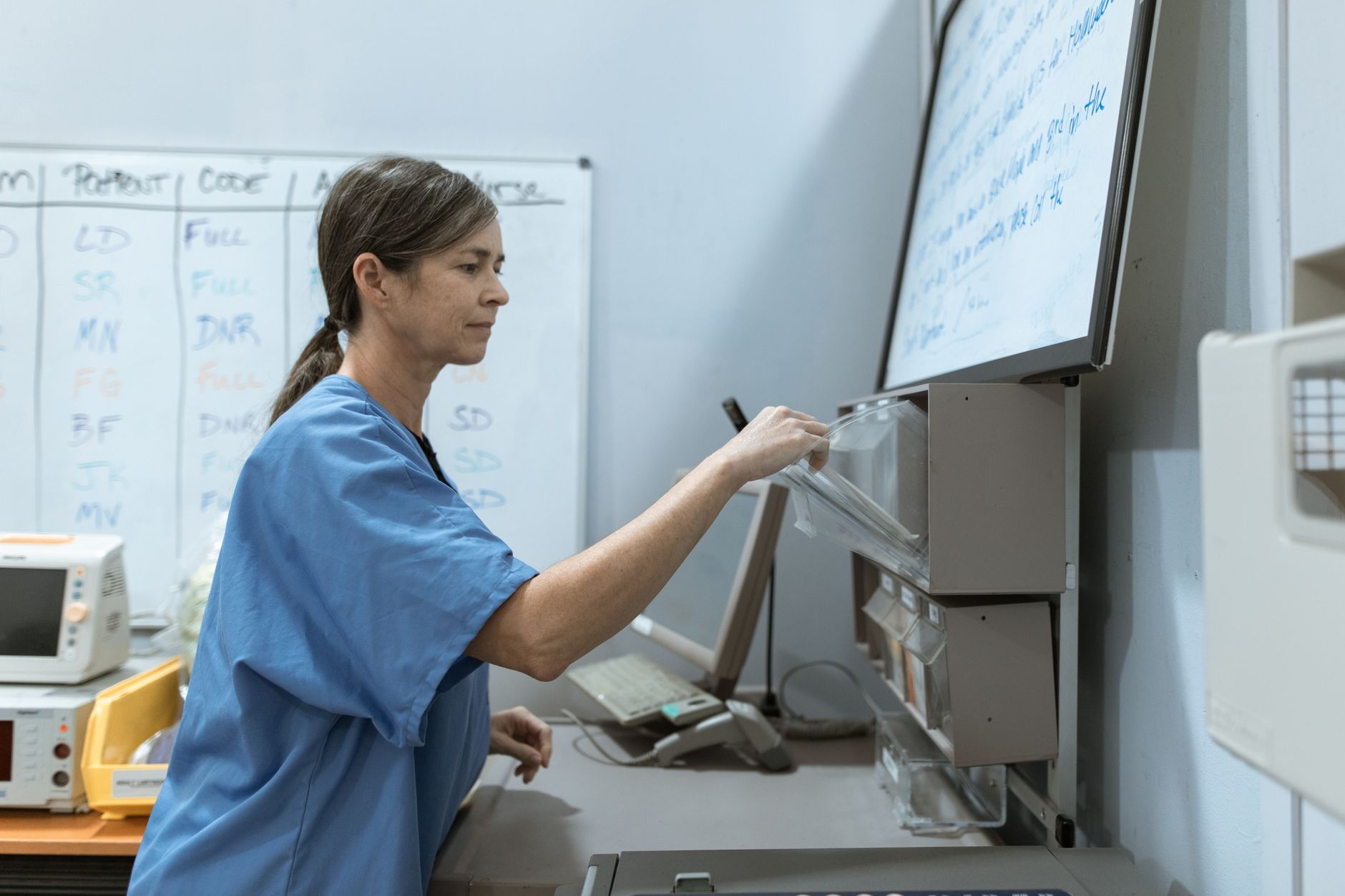
Dr. Mári Róbert noted in the case study that household robot familiarity makes professional settings easier to accept. Staff and patients reportedly grew more comfortable once they saw consistent corridor results.
Change management still matters. Post simple corridor rules: when to pause the unit during code drills, who approves map edits after construction, and how to log a spill override.
US facilities should pair visible cleaning with a named internal owner so nursing leads know whom to call when routes conflict with temporary clinic flows.
What outcomes did Gausium report?
After go-live, Waberer reported improved cleaning consistency and efficiency despite ongoing labor shortages, hygiene standards that align with the centre technology goals, and higher acceptance of automation among staff and patients.
Treat those statements as manufacturer case outcomes, not third-party audited metrics. Your pilot should still track ATP or visual audit scores, complaint themes, and redeployed janitorial hours on the same corridors.
Photograph high-traffic corners weekly if leadership wants side-by-side proof with machine coverage logs.
What should US clinics verify before a corridor pilot?

Confirm which corridors are public versus restricted, and whether joint commission style walkthroughs treat robot paths as part of the infection prevention story.
Review detergent compatibility with healthcare flooring and any wax programs your vendor requires. Multi-surface claims still need a chem review on your actual tile and LVT.
Schedule runs when patient volume drops but enough staff remain to respond if the unit stops mid-hall.
Document elevator and door interfaces if the robot must cross between wings.
- Measure corridor width at the tightest cart path
- List night versus day noise limits near recovery areas
- Assign a facilities owner for map updates after clinic remodels
- Train security on pause and recall without breaking the next route
- Align infection prevention on spill response when the robot is active
- Plan financing or purchase with service SLAs before flu season peaks
Where does an OEM-neutral integrator help?
Prexrobot CEE Kft acted as national distributor and implementer for Waberer. US owners need bids across Phantas-class units and larger scrubbers, plus financing and service in one place.
Service Robot Co. selects cleaning robots across manufacturers, then handles lease or purchase, deployment, training, and RoboCare service with regional engineers.
Bring corridor drawings, cleaning schedules, and last year contractor spend to a site assessment. Compare compact units against wider scrubbers before you standardize a fleet.
Ask integrators for healthcare references with similar corridor mileage, not only warehouse wins.
How do you keep one robot from becoming shelfware?
Waberer started with a single unit in corridors. That scale keeps training focused but means downtime hurts.
Plan consumables, backup manual coverage, and a response time if the unit faults during morning clinic rush.
Review maps after every construction barricade or temporary vaccination line. Corridors change faster than warehouse pick modules.
When results look strong, expand only after the first zone hits stable coverage logs for several weeks.
What does this case mean for mixed US health campuses?
Many US sites mix medical office buildings, imaging centers, and ambulatory surgery on one campus. Corridor miles add up even when OR counts stay small.
A Phantas-style deployment targets repeatable hard-floor miles while staff keep restrooms, exam rooms, and procedure turnover on manual checklists.
Service Robot Co. can help compare robots, finance the rollout, and service units so facilities leaders keep one partner as campuses add wings.
Start with the corridors patients and families see most, then widen maps when security and infection prevention sign off.