Key takeaways
- Weld County manufacturing leads private employment at over fifteen thousand jobs.
- Small towns like Hudson still feel grit and shift overlap in local shops.
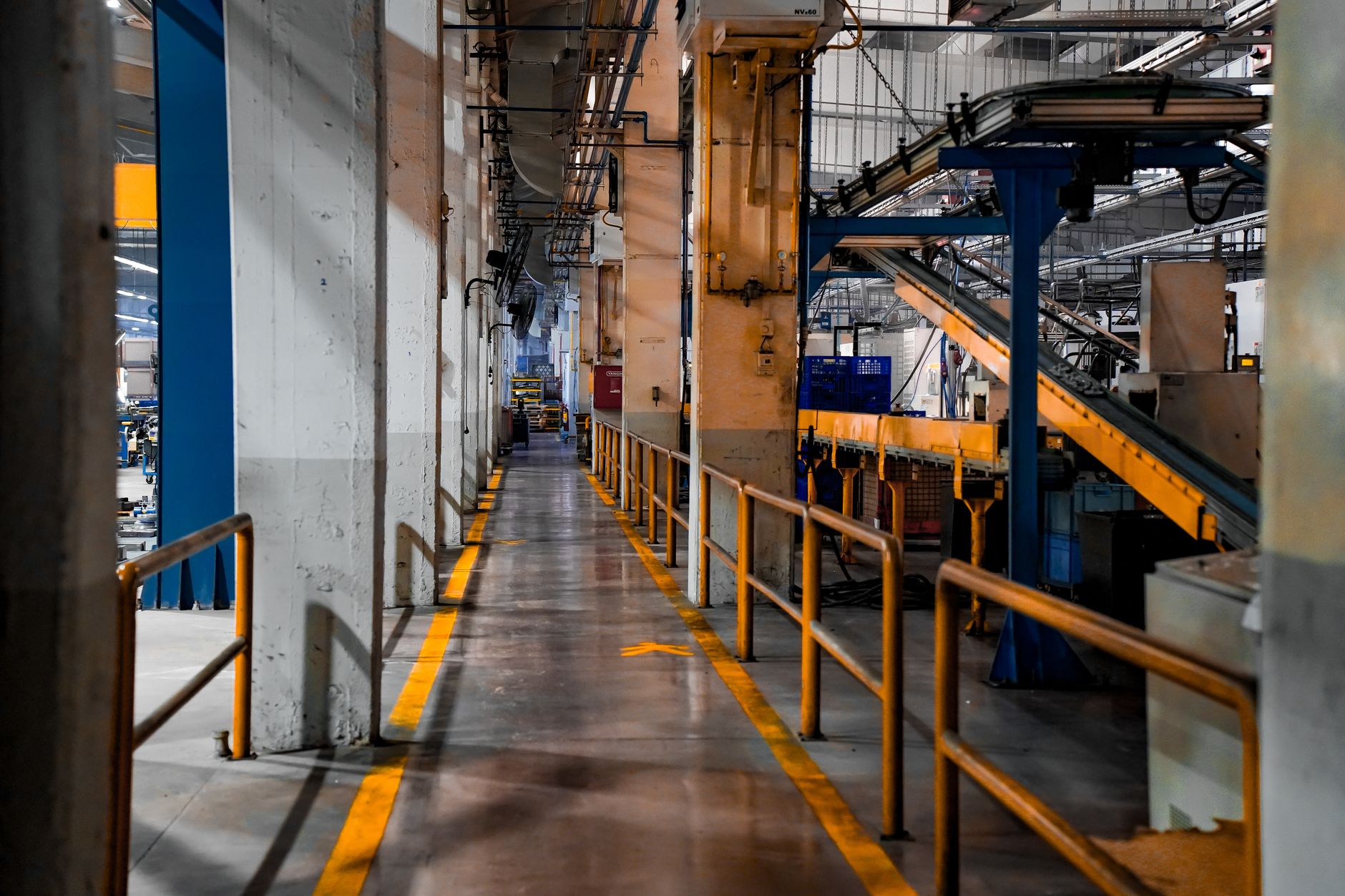
- Scrubbers own mapped hard-floor loops after production slows.
- AMRs help when pallet shuttles repeat more than floor shine fails.
- Rentals and pilots match industrial cash-flow swings.
What is changing in Weld County hiring?
ExecutivePulse data for 2025 place manufacturing at the top of Weld County private employment with 15,211 jobs, followed by construction at 13,978 and retail trade at 11,396. Unemployment in the county averaged 4.3 percent that year per the same profile. Growth in those sectors means more shifts on the same concrete, not always more porters to reset it.
Hudson, a town of roughly sixteen hundred residents on the plains northeast of metro Denver, mirrors the mix in miniature. Neilsberg ACS figures attribute about 17.1 percent of Hudson employed residents to construction, 12.9 percent to manufacturing, and 11.3 percent to mining and logging, among roughly nine hundred twenty employed civilians age sixteen and over.
When plants add a second shift, the floor care question lands on whoever is left after production staffing is covered. That is usually a thin maintenance or janitorial roster, not a new hire.
Why do plant floors fail before machines do?
Forklift traffic grinds grit into sealant. Metal shavings and packaging dust find the low spots manual mopping skips. Break rooms and locker halls still need care even when the production line is the priority.
A slip or a customer audit comment about floor appearance can cost more than a month of scrubber rental. Yet porter hours are easier to cut than welder or machinist hours when margins tighten.
Autonomous scrubbers do not solve culture problems. They do hold a consistent aisle loop when managers cannot add another overnight body.
Where should a scrubber run first?
Start with long sealed aisles between staging and shipping, main corridors to break areas, and any tile that sees boot traffic from both day and night crews. Avoid rubber mat zones and unsealed patches the vendor flags in assessment.
Run after forklift traffic drops or during a planned lull. Log pad wear the way you log oil changes on a reach truck.
Keep water and charging inside when winter nights drop below freezing on the plains.
- Tape shared aisles when scrubbers and forklifts cannot time-share
- Post wet-floor timing for the next shift lead
- Track complaints and near-miss slips before and after pilot
- Name one person who receives machine alerts on weekends
When is an AMR the right add-on?
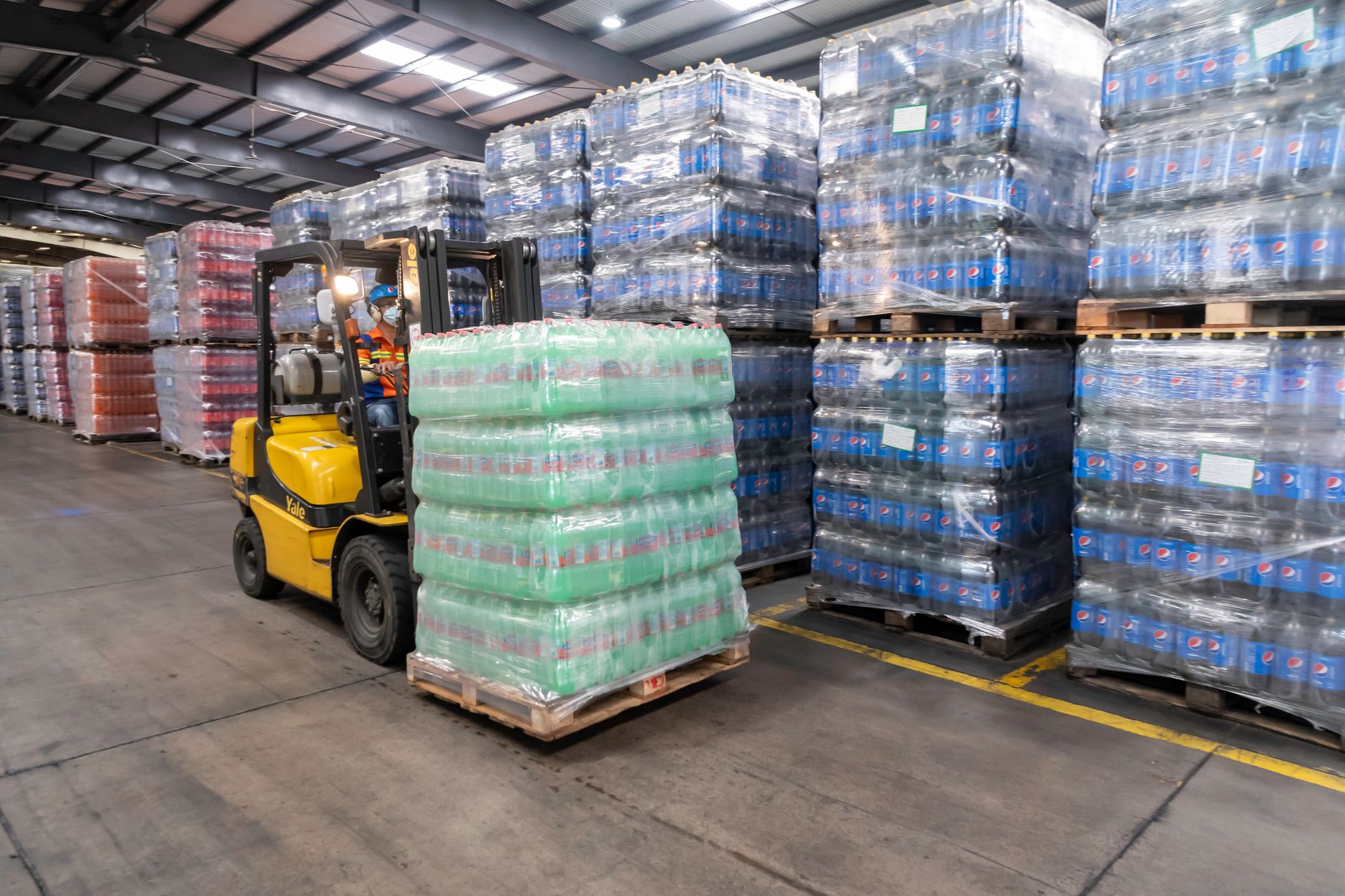
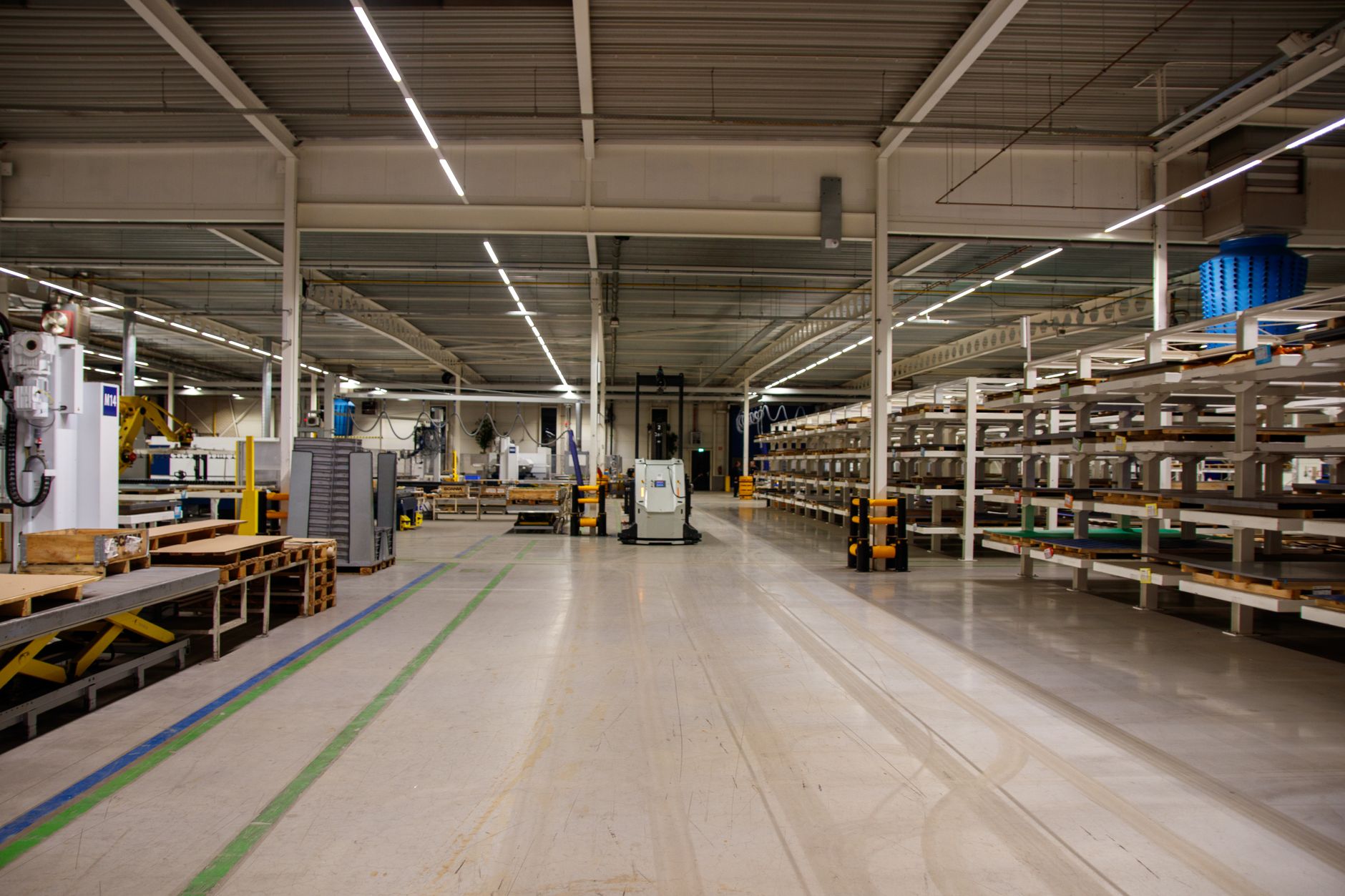
If your pain is pallets sitting between wrap and rack while drivers queue, an AMR or tug on a mapped shuttle may save more minutes than a shinier aisle. Measure round trips per hour before you buy another forklift shift.
Scrubbers and AMRs can coexist when each owns a layer: film removal versus pallet motion. Integrate scheduling so they never meet unplanned in the same lane.
Service Robot Co. selects vendor-neutral hardware, sets financing, deploys with mapping support, and services through a nationwide engineer network so you are not chasing three help desks after a long shift.
How does financing fit cyclical work?
Industrial revenue in Weld County swings with construction backlogs, energy activity, and food manufacturing orders. Monthly payment programs and seasonal rentals let you carry scrub capacity through a surge without capitalizing a machine that idles in a slow quarter.
A four-to-six-week pilot on one aisle should produce porter-hour savings or fewer floor complaints. If neither moves, stop before you scale.
Fort Collins Chamber economic materials note Weld employment growth near eighteen percent in Greeley over a recent decade and continued expansion forecasts in health care and construction. Floor care plans should assume more shifts, not fewer.
What should EHS ask before go-live?
Request slip resistance readings on your actual sealant after a full scrub cycle. Define behavior when a driver crosses a taped zone. Document pad chemistry compatibility with any degreaser your team already uses.
Confirm training fits a fifteen-minute briefing for rotating leads. Seasonal hires should know who to call when the machine stops with an error code at 1 a.m.
If customers audit housekeeping logs, a scrubber with timestamped runs can strengthen records without inventing data.
How do small towns participate in a county-wide trend?
Hudson employers may not employ thousands on one site, but they share vendors, drivers, and workers with larger Weld plants. Dust from highway frontage and gravel lots still lands in entries.
A parts house, clinic, or school building can rent a scrubber for peak months instead of hiring a full overnight crew year round. Patrol units can watch fenced yards for implement dealers when inventory sits outside.
The goal is not to look futuristic. It is to keep floors and internal moves on standard when the county adds manufacturing and construction jobs faster than porter applicants appear.
What does a sensible pilot conclude with?
Write down porter hours, complaint notes, and any slip reports for the pilot window. Compare to the prior month at the same production level if possible.
Decide explicitly: expand rental, convert to lease, add an AMR loop, or stop. Ambiguous pilots waste vendor time and staff attention.
Schedule the review before the next hiring surge so you are not deciding floor strategy while short on machinists.