Key takeaways
- A June 2026 case study describes more than 1,200 autonomous floor cleaners deployed chainwide after a structured pilot.
- Rollout spanned 2024 and 2025 with ongoing support as new stores opened.
- Success hinged on staff training and adapting routes to each store layout.
- Low utilization at other grocers often traces to weak program management, not bad hardware.
- Vendor-neutral integrators help compare scrubbers before you standardize on one fleet spec.
What did the national convenience chain actually deploy?
A June 2026 case study published by an Illinois robotics firm described a national convenience store operator that moved from pilot to a fleet of more than 1,200 autonomous floor cleaning robots installed at every location across 2024 and 2025.
The write-up framed automated scrubbing as a standard operational component for new stores as the chain expanded its footprint, not a one-off experiment in flagship sites.
For operators running twenty to two hundred sites, the lesson is scale discipline: the pilot had to produce repeatable playbooks before leadership ordered hundreds of identical units.
Why do c-store layouts challenge autonomous scrubbers?
Convenience floors mix narrow aisles, cooler doors, entry mats, and spill zones near coffee bars. Traffic never fully stops, even overnight.
The case study highlighted collaborative problem solving around environmental adaptations, which usually means threshold ramps, cord covers, and marking zones where the robot must slow or skip.
Grocery operators report similar friction. One facilities services firm described a chain that bought scrubbers but saw low utilization until scope, training, and redeployment were reset store by store.
How did utilization improve when experts managed the program?
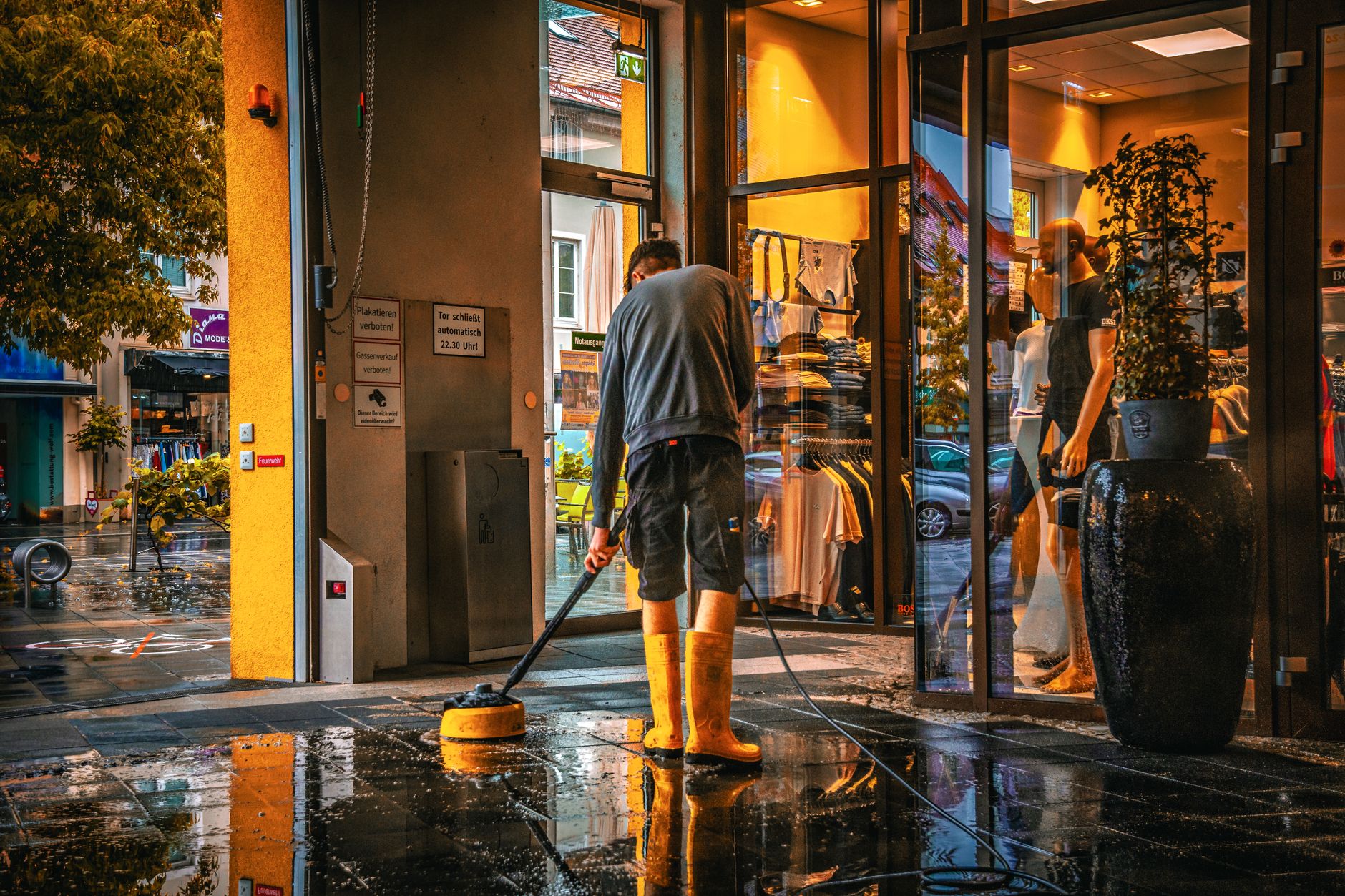
In that grocery example, an outside operator took over seventy-four stores and raised robotic utilization forty-nine percent within nine weeks, then expanded the managed model to hundreds more locations.
The gap was not missing machines. It was missing ownership for routes, batteries, and nightly start times.
C-store GMs will ignore a scrubber that faults every third night. A regional dashboard that flags skipped aisles is what turns capital into clean floors.
Which metrics should a pilot track before chainwide rollout?
Hours of autonomous runtime per store per week is the baseline honesty metric. Compare it to the hours you would have paid a human to scrub the same square footage.
Route completion percentage matters in stores that rearrange endcaps weekly. Missed cooler rows are where slip claims start.
Employee intervention counts tell you if the machine is a tool or a second job. Spikes usually mean a bad map, not lazy staff.
Customer-visible cleanliness scores or mystery shop notes help finance see beyond engineering logs.
- Autonomous runtime hours per store
- Route completion by zone
- Manual interventions per week
- Chemical and water usage per scrub
- Guest complaints on floor stickiness
What does a phased c-store rollout schedule look like?
Week one at a pilot store is mapping and dry runs while staff watch. No silent overnight operation until the team has stopped the unit on purpose a dozen times.
Weeks two through six add live scrubs on a fixed schedule, usually after midnight local, with a named escalation contact.
Region two should copy region one playbooks, not reinvent maps. Standardize charging locations and detergent dilution before you ship robots to cold climates.
The 1,200-store case study explicitly walked readers from pilot through phased large-scale deployment and ongoing support, which is the sequencing mid-market chains should steal even at twenty stores.
When does robot rental beat buying a thousand scrubbers upfront?
Capital committees want proof across seasons: summer soda syrup season, winter salt, and promo weeks that move fixtures.
Monthly rental or robot-as-a-service contracts let you align payments with store cash flow while you tune routes.
Service Robot Co. can structure pilots vendor-neutral so you are not locked to the first OEM that visited headquarters.
Convert successful pilots to lease or purchase with pre-agreed triggers on runtime and completion, not vague satisfaction surveys.
How do grocery hours-saved benchmarks compare?
A major grocery retailer documented 33,649 cleaning hours saved cumulatively across stores in 2024 while operating autonomous scrubbers at nearly ninety sites, according to a public case summary from its equipment partner.
That chain tied corporate reviews to monthly performance data sessions, a rhythm convenience operators can copy at smaller scale with weekly regional calls.
Hours saved only count if redeployed staff actually face guests or stock shelves instead of shadowing the robot.
What training do night clerks need on day one?
Clerks need a one-page fault guide: how to pause, how to move the unit, who to call, and when to lock the doors before scrubbing.
Managers need access to logs on their phone. If only IT can read telemetry, utilization dies.
District leaders should ride along on the first live scrub at the worst-layout store in the market, not the prettiest new build.
Where does Service Robot Co. fit a multi-state c-store program?
Chains often split procurement, facilities, and operations across regions. One integrator for select, finance, deploy, train, and nationwide service keeps spare units and firmware policies consistent.
We stay OEM-neutral so your fleet spec can follow floor type, not a single manufacturer's roadmap.
Start with five stores that represent your real mess: old tile, tight aisles, and heavy coffee traffic. Scale the playbook when completion rates hold through a promo month.