Key takeaways
- Treat dock doors as traffic signals, not just building hardware.
- Fleet holds should follow the same door status forklifts already trust.
- Day-one tests need a stuck-open door and a late trailer scenario.
- Queue backups usually mean holds are too wide, not too strict.
- Service Robot Co. can align maps, WES rules, and service after layout changes.
Why do dock doors need interlocks for AMRs?
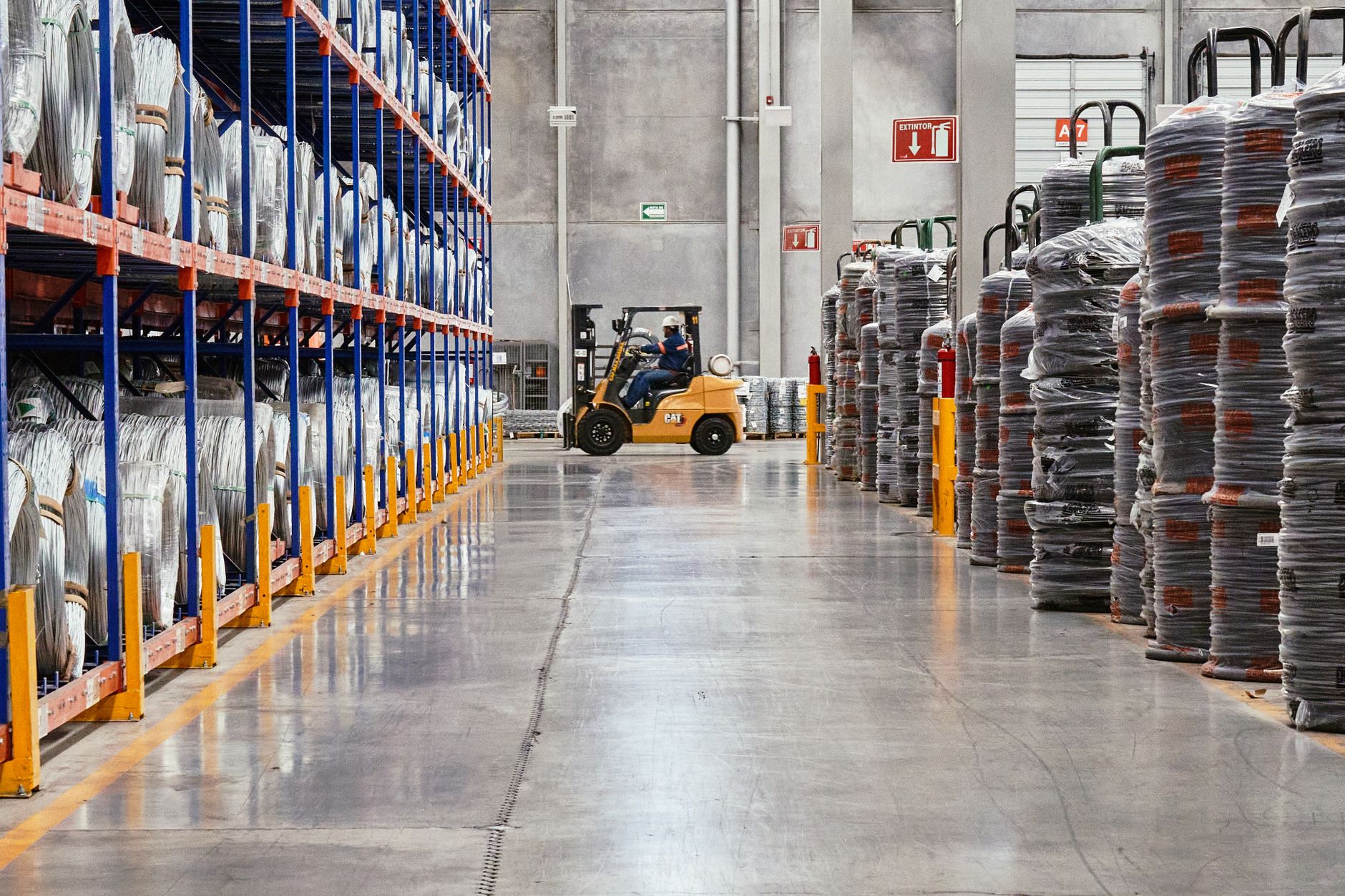
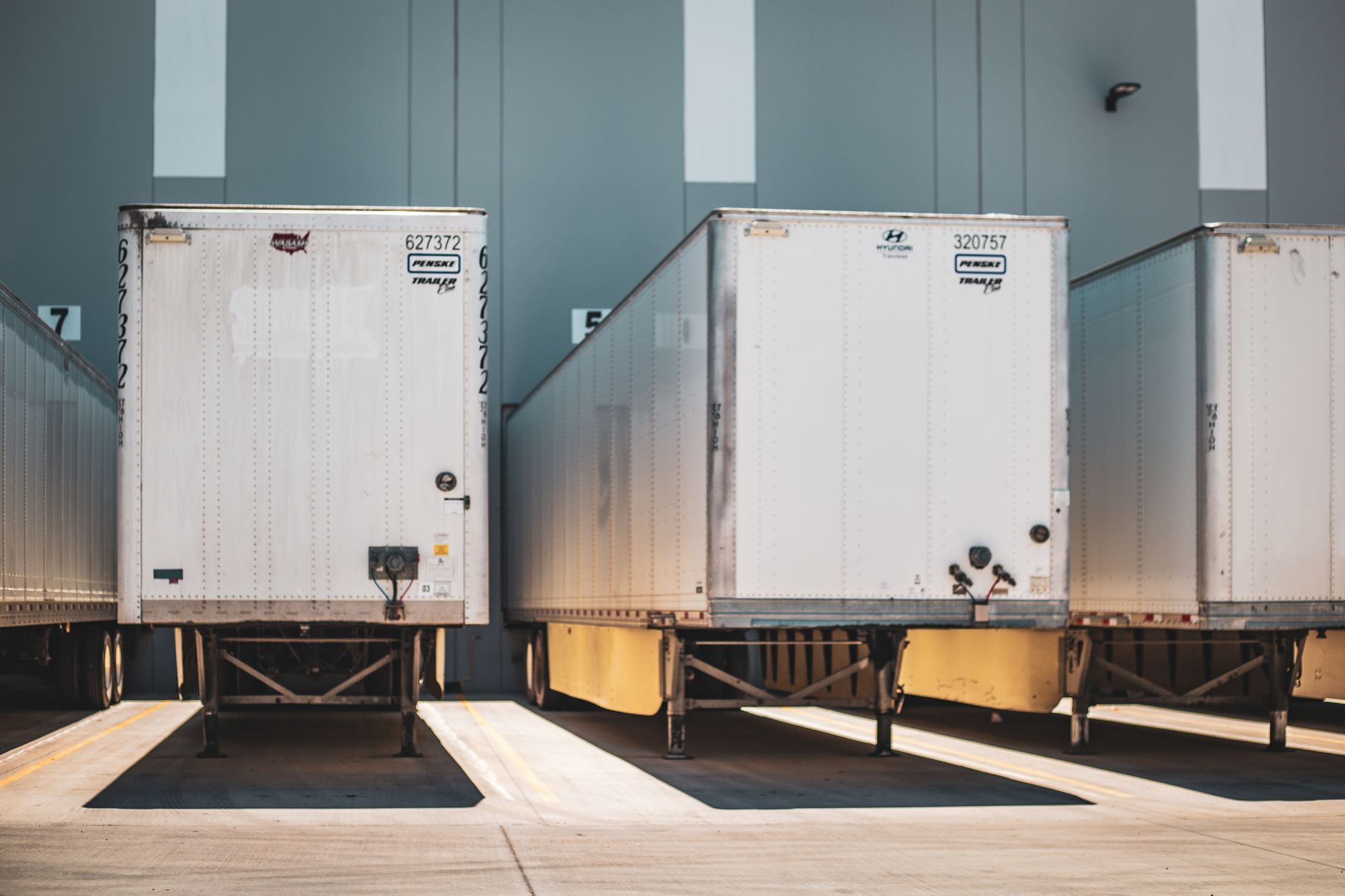
Receiving bays are where forklifts move fast, trailers block sight lines, and foot traffic cuts across painted lanes. Autonomous mobile robots expect predictable right of way. When a trailer backs without a clear signal, both modes guess who yields.
Dock door interlocks translate physical door state into a hold every system can read. According to OSHA severe injury reporting summaries, forklifts remain a leading source of serious warehouse incidents, with about nine severe forklift-related injuries reported per week nationwide across 2015 through 2024. Pausing AMRs when a door is active is a scheduling layer on top of sensors.
The goal is not zero AMR missions at docks. It is zero surprises when a lift enters a lane an AMR still believes is open.
What signals should trigger an AMR hold?
Start with door position sensors you already maintain for safety lights or loading dock controls. Open, opening, and fault states should map to a single fleet-visible flag such as DOCK_ACTIVE.
Add WMS or WES events when available. A scheduled appointment, a check-in at the yard office, or a wave release to staging can pre-warm holds before the door moves.
Time-based buffers help when sensors lag. A short hold after door close clears stragglers and pallet jacks still exiting the bay.
- Door open or opening
- Trailer present at bay
- WMS dock appointment checked in
- Manual override from supervisor tablet
Who configures the rules?
Operations owns the calendar of peak receiving windows. IT or integration leads map WMS timestamps to the middleware topic your fleet software listens for. Maintenance owns sensor health checks because a stuck sensor becomes a stuck fleet.
Name one traffic owner who can extend a hold when receiving runs long. That person publishes changes to lift drivers and AMR champions on the same channel.
Service Robot Co. often sits in the integration workshop as a neutral partner, aligning vendor-neutral AMR maps with door logic so you are not debugging three vendor portals during go-live.
How do holds interact with mission planning?
Hard holds stop new missions from entering a geofenced dock zone. Soft holds reroute active missions around a buffer polygon rather than freezing the whole building.
Publish hold reasons on the fleet dashboard. Drivers forgive a delay when they see DOCK_3_ACTIVE instead of a mysterious stop icon.
Keep charger and staging nodes outside the hold polygon so robots do not trap themselves inside a bay waiting for a door to clear.
What should day-one testing include?
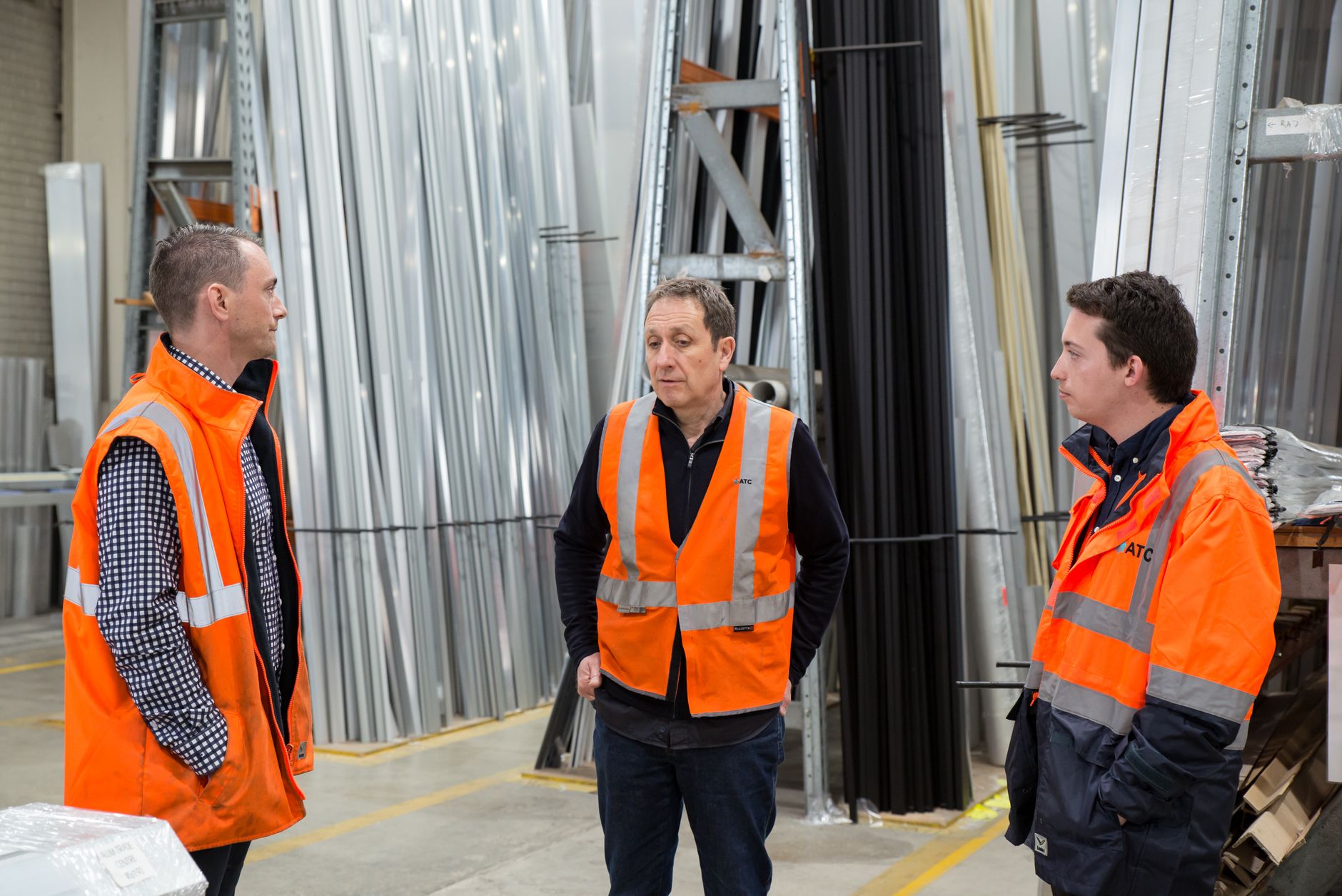
Script a normal peak: two doors active, one AMR loop on a milk run, one lift backing a trailer with a spotter. Verify holds engage before the lift crosses the painted line.
Run a stuck-open door drill. If the sensor fails high, AMRs should remain outside the zone and supervisors should get an alert.
Run a late trailer drill. If receiving overruns, the traffic owner extends the hold and confirms lifts see the update on their radio or tablet.
How do you prevent queue backups?
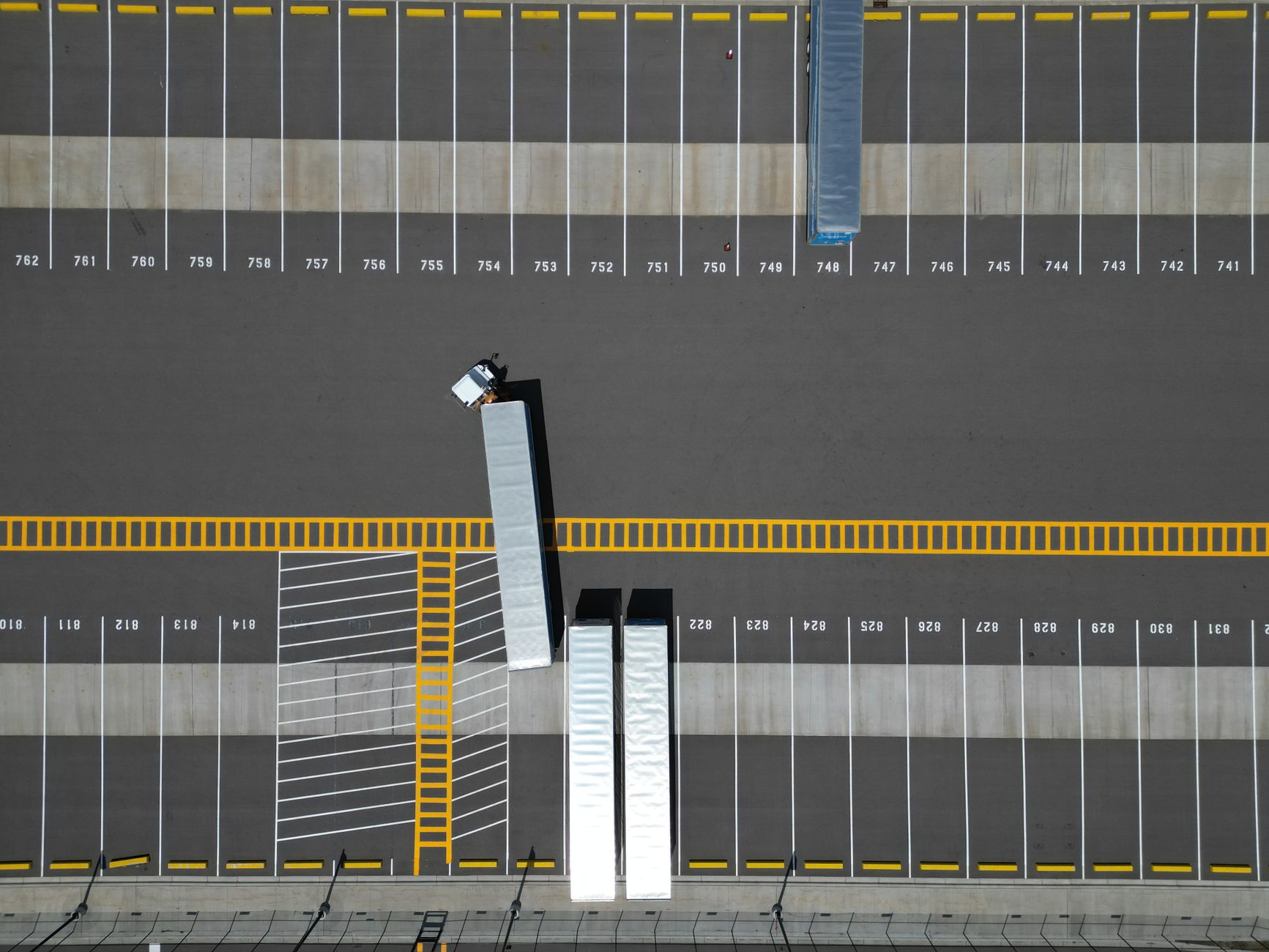
Backups usually mean the hold polygon is larger than the actual conflict zone. Tighten geofences to the dock apron and cross-aisle, not the entire staging lane.
Use staggered quiet hours for AMR highways parallel to docks while peaks run. Carts keep moving on north-south legs even when east-west dock cuts are locked.
Measure wait minutes for both modes. If lifts idle too long, shorten buffers. If near-miss reports rise, widen them.
When should interlocks change after layout edits?
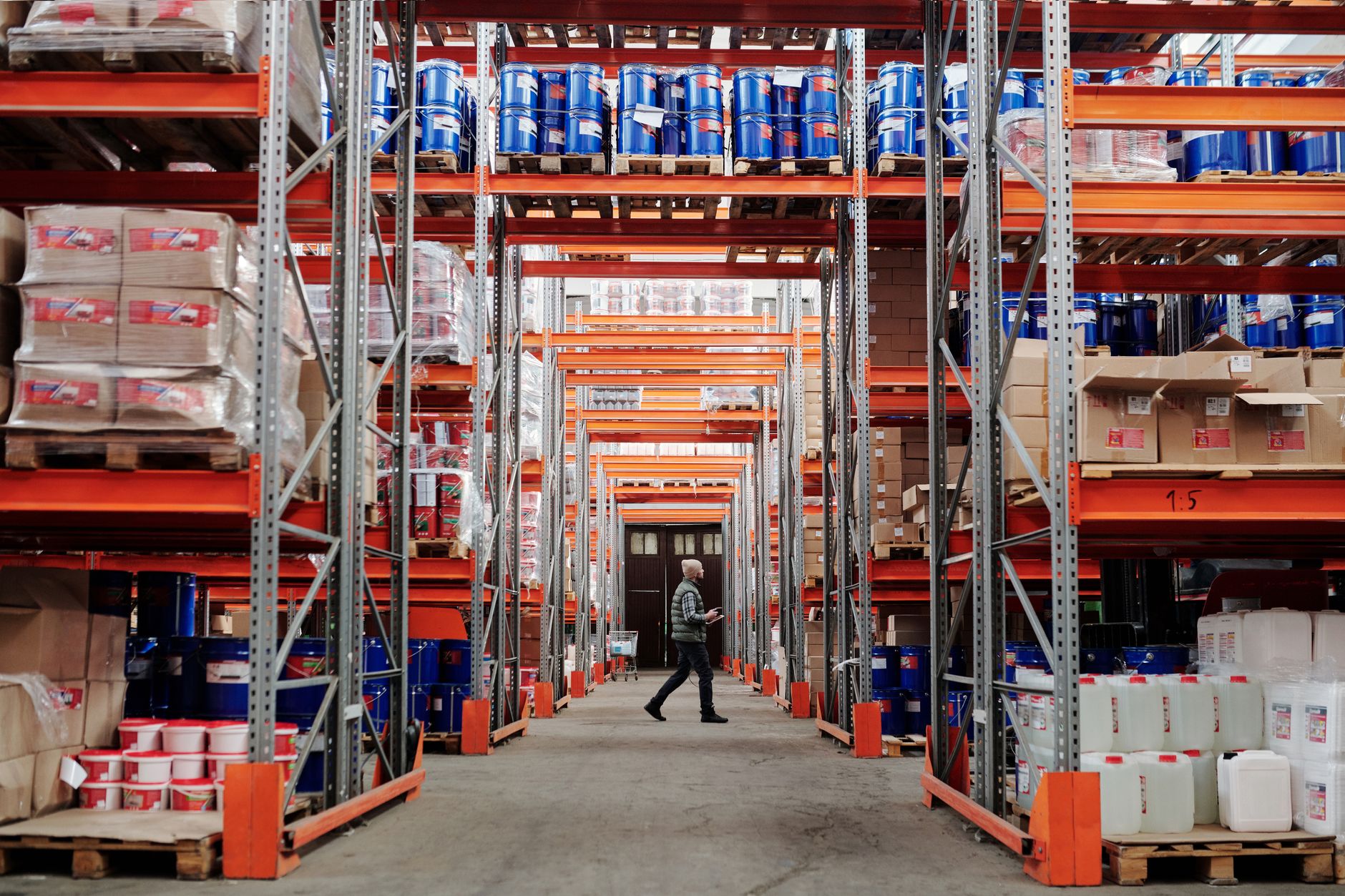
New dock doors, relocated staging lanes, or slotting projects change where conflicts happen. Version interlock maps with floor plan revisions, not as an afterthought.
Retest with the same day-one script after each layout change. A door that moved six meters can leave an AMR path inside an old polygon.
Nationwide service coverage matters because receiving peaks do not wait for a single integrator zip code. Remote triage plus on-site engineers keeps holds aligned with live hardware.
Which metrics prove interlocks are working?
Track near-miss reports tagged to dock zones separately from aisle incidents. A downward trend beats anecdotal praise.
Log AMR mission delay minutes attributed to dock holds, not battery or navigation faults. Spikes should correlate with known peaks, not random noise.
Review monthly with safety and receiving leads. Adjust polygons when data shows holds firing outside real conflicts.