Key takeaways
- Vendor sensor and shutdown claims help, but signs and crew rules still carry most of the load on public days.
- Post signs where walkers and golfers enter the mower's working corridor, not only at the clubhouse.
- Keep a crew member in sight of every unit, and let the golfer pass before the unit moves.
- Map no go zones and route limits before the first public round, then log every interaction.
- We found no published standard for sign wording or placement, so test your plan on your own course.
What should a sign tell a golfer before a unit moves?
On a public or daily fee play day, the most useful sign answers three questions before the machine moves: a robot is working this stretch, a person is responsible for it, and the unit stops if someone steps into its path. One clear sign at each entry point can carry all three. Walkers on a shared cart path need the same message in fewer words.
Manufacturers describe safety through sensors, shutdown logic and operator control, not through sign text. We found no published guidance on wording, sign height or distance from a unit, so the plan below is operating practice to test on your own course, not a rule.
Why do public play days raise the interaction risk?
A Golfdom article from late 2025 says courses whose holes weave through housing, or that need the mower to cross public roads, see more interaction with the machine. The same piece says a team wanted a feature to deter onlookers who stare at a unit when it starts work. Those moments are where a sign has to explain, not just mark the area.
Public days also bring first time visitors, walkers and children who will not read a sign in passing. Write the signage for someone who has never seen a robot mower, not for the member who has watched the route all season.
What do the machines already do, and where do they stop?
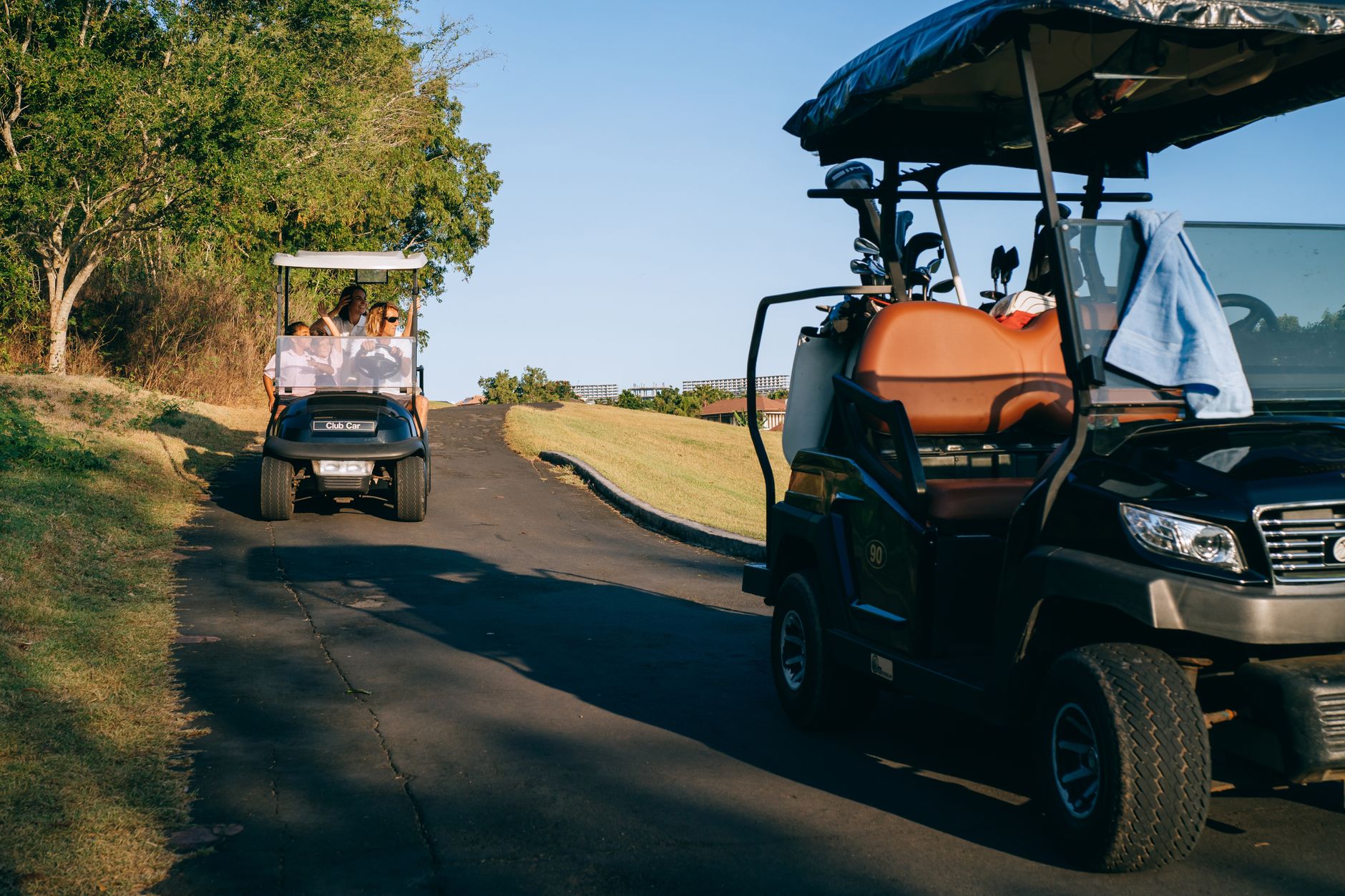
Toro says its GeoLink fairway mower uses three sensor types to detect obstacles and bystanders and shuts the machine down when needed, according to Star Tribune coverage of Toro's autonomous line. As of November 2026, the Toro autonomous page we checked describes an operator seat and steering wheel for manual operation. TurfLynx's F315 is described in trade coverage as having obstacle detecting sensors. All of these are vendor reported, so test them on your turf before you rely on them.
FJD says its ATX retrofit kit lets managers set no go zones for roads, bunkers, water hazards and maintenance areas when a task is set up. Toro says a unit can move fairway to fairway when property design allows and a supervisor has mapped the route. A sensor can stop a machine, but it cannot explain to a golfer why it stopped. That job belongs to the sign and the crew.
Which signs help, and what should each one say?
A short set of signs, each with one job, works better than a wall of text. The wording below is suggested copy from our own planning, not quoted from a manufacturer or standard.
- Entry sign at each tee or crossing: a robot mower is working on this hole, with a crew contact number.
- Corridor edge sign at cart paths: wait for the unit to clear the path, and do not step in front of it.
- Housing edge and road crossing sign: the unit starts on its own and can move without warning.
- Pause sign when a route is held: the unit is paused, and a crew member is nearby.
Where should the signs go on the course?
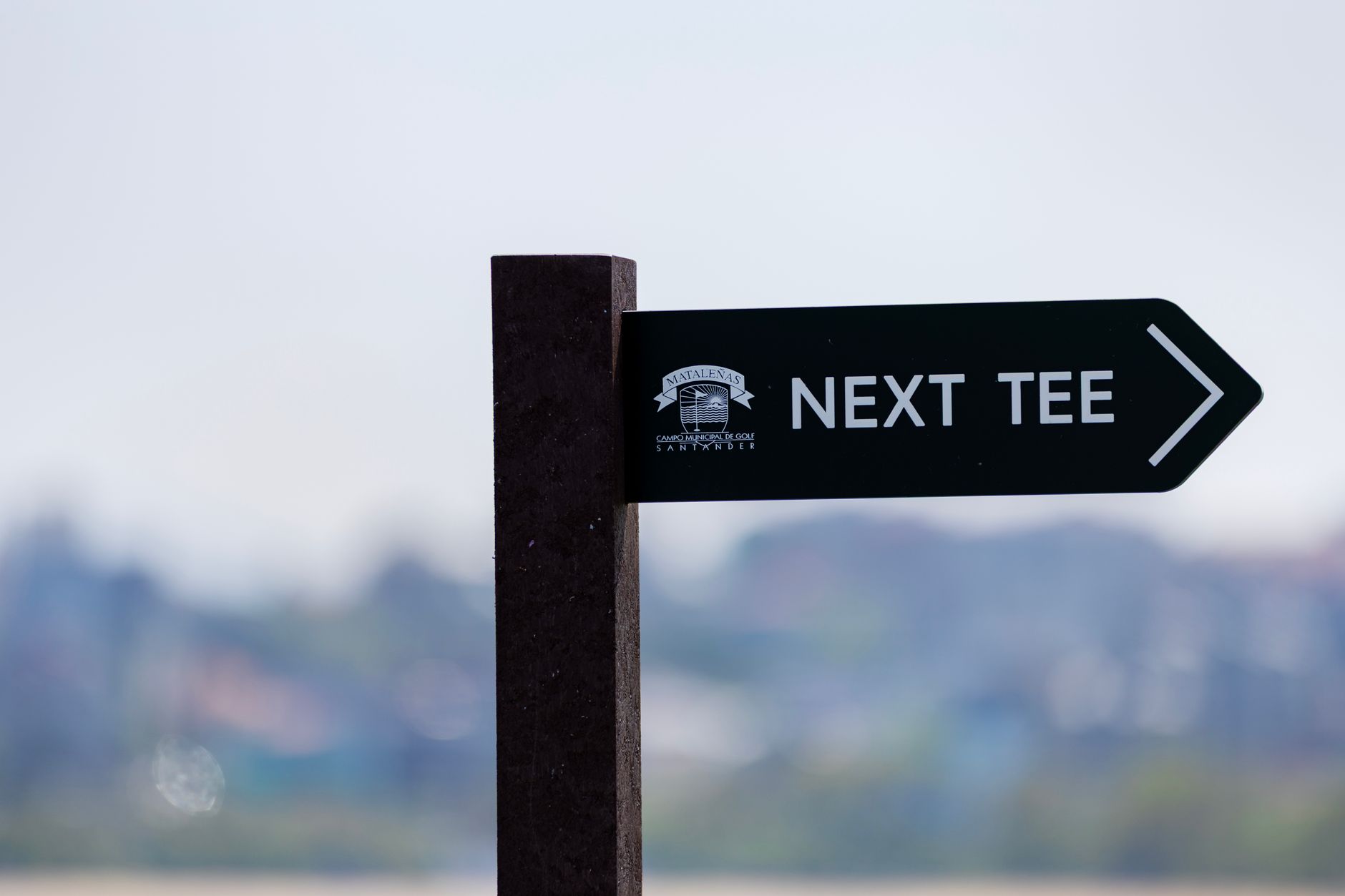
Place signs where people enter the mower's working corridor, not only at the clubhouse or the first tee. Walk the mapped route and mark every cart path crossing, housing edge, road crossing and hole where a golfer or walker can step into the corridor. A golfer who passed the first sign will still meet the unit on a later hole.
Walk the route again after any change to the course. A sign that faced the right way before a tree came down or a bunker was rebuilt may now point at a dead end, and that is when a golfer decides to cut across.
How should the crew respond when a golfer approaches a moving unit?
The first move is to stop the unit, not to wave a golfer through. Keep a crew member in sight of the unit, stand off to the side out of its path, and tell the golfer plainly what the machine is doing. Never push, lift or block a unit to clear a path.
- Pause the unit from the supervisor device or at the operator station, and confirm it has stopped.
- Let the golfer or walker pass, and wait until the corridor is clear before any restart.
- Resume from the same mapped point, not from a new start, so the route log stays accurate.
- Log the time, the hole, and what the golfer or walker did, for the review after the day.
What do the standards cover, and what is still unverified?
The ANSI OPEI standard for robotic mowers covers household and commercial units, and it addresses obstruction detection and shutdown controls. It is based on an IEC edition for the same product type. Sources differ on the approval date and edition, so confirm the current version before you cite it.
The text on warning signs, stop buttons and detection thresholds was not retrieved in our review, so we cannot tell if the standard addresses signage at all. Ask the standards body and the vendor in writing before the first public day.
Where does Service Robot Co. fit into a public day plan?
Service Robot Co. is neutral across manufacturers. We run the site assessment, map the route and no go zones, and then deploy and integrate the unit under RoboCare, our service plan, backed by regional service engineers in every state we service. The lease is quoted as one fixed lease payment after the site assessment, so the sign and crew plan can be costed before the first public round.
We suggest a limited first run on one hole before any public day, so the crew rehearses the sign plan under light traffic. Treat that run as a pilot, and record what golfers actually did rather than what a brochure predicted.
Frequently asked questions
Want a robot working for you?
Tell us the job and the site. We will recommend the robot, quote the lease, and keep it serviced.
Sources
- Star Tribune: Toro autonomous golf course mowers
- Toro commercial autonomous mowers
- Green Industry Pros: TurfLynx F315
- Sports Field Management: Toro autonomous FAQ
- FJD ATX auto steering kit
- Golfdom: safety and onlooker interaction
- Golf Course Industry: OPEI robot mower standard
- STMA: first ANSI standard for robotic lawn mowers