Key takeaways
- A named backup supervisor, written down before the lead leaves, is the core of any fairway robot shift plan.
- Test alert routing on a real pass, because vendor documentation does not confirm who must acknowledge an alert.
- Hold rules should be short enough for any crew member to follow in under a minute.
- Map the lead's absence dates against mowing windows and tournament days to find the passes that need cover.
Who covers the fairway mower when the lead is away?
A robotic fairway mower does not pause because its crew lead has left for the week. It keeps cutting the route someone scheduled, which is why a planned absence needs a named person in charge of the shift. The answer to who runs the robot shift is a short written roster: a backup supervisor for each shift, a phone routing list for alerts, and hold rules any crew member can apply without calling anyone.
The backup does not have to match the lead in every skill. They need to read the mower's status, pause it safely using the manual's stop procedure, and reach the right person when a problem falls outside their authority. A course that writes those three things down before the lead leaves tends to keep the shift steady. A course that relies on memory usually learns the gaps from the first alarm.
Planned absences, such as leave or a turf conference, are the easiest case to prepare for because the dates are known well ahead. The sections below walk through each part of the roster in the order a superintendent or course manager would build it.
Why unattended fairway passes still need a named person
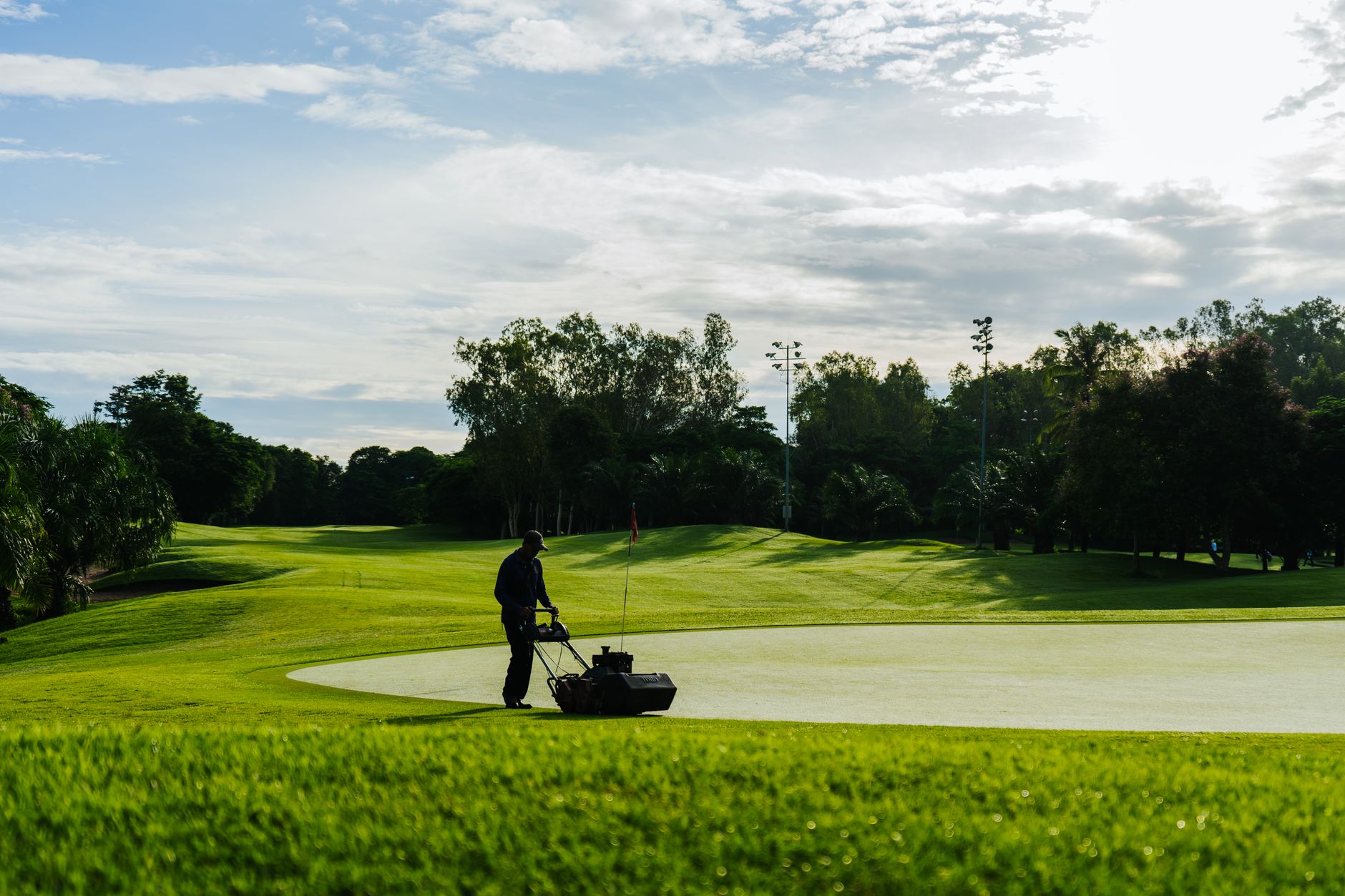
Autonomous fairway mowers run from a mapped route inside a set window, often when the course is quiet. Toro says its GeoLink autonomous fairway mower lets users map a property, assign mowing patterns, view diagnostics and track progress from a phone, tablet or desktop. That product page was checked in November 2026. TurfLynx's F315 is described in a Total Landscape Care article as managed by app on a computer, tablet or smartphone. Those views give a supervisor information. They do not make decisions.
Decisions stay with a person. A golfer on a crossing, a maintenance cart near a green, or a wet patch that looks wrong all call for judgment about whether a pass should wait. Staffing pressure makes that judgment harder to spread across fewer people. A USGA Green Section Record article on how courses adjust to a challenging labor market is a useful starting point for that discussion at a course.
Who should back up the lead, and how many people?
One backup is a single point of failure. The backup can be sick or booked the same week as the lead, so a course should name a second person who knows the hold zones and can take the phone if the first is unavailable. Two names on a page cost little and close the most common gap.
The people named should have run the mower under observation, not just read about it. Training should cover the status screens, the stop procedure in the manual that ships with the machine, and the course's own hold zones. It should happen before the absence starts. Each model's documentation differs, so the manual is the reference, not a general guide like this one.
What must the phone alert setup do before anyone leaves?
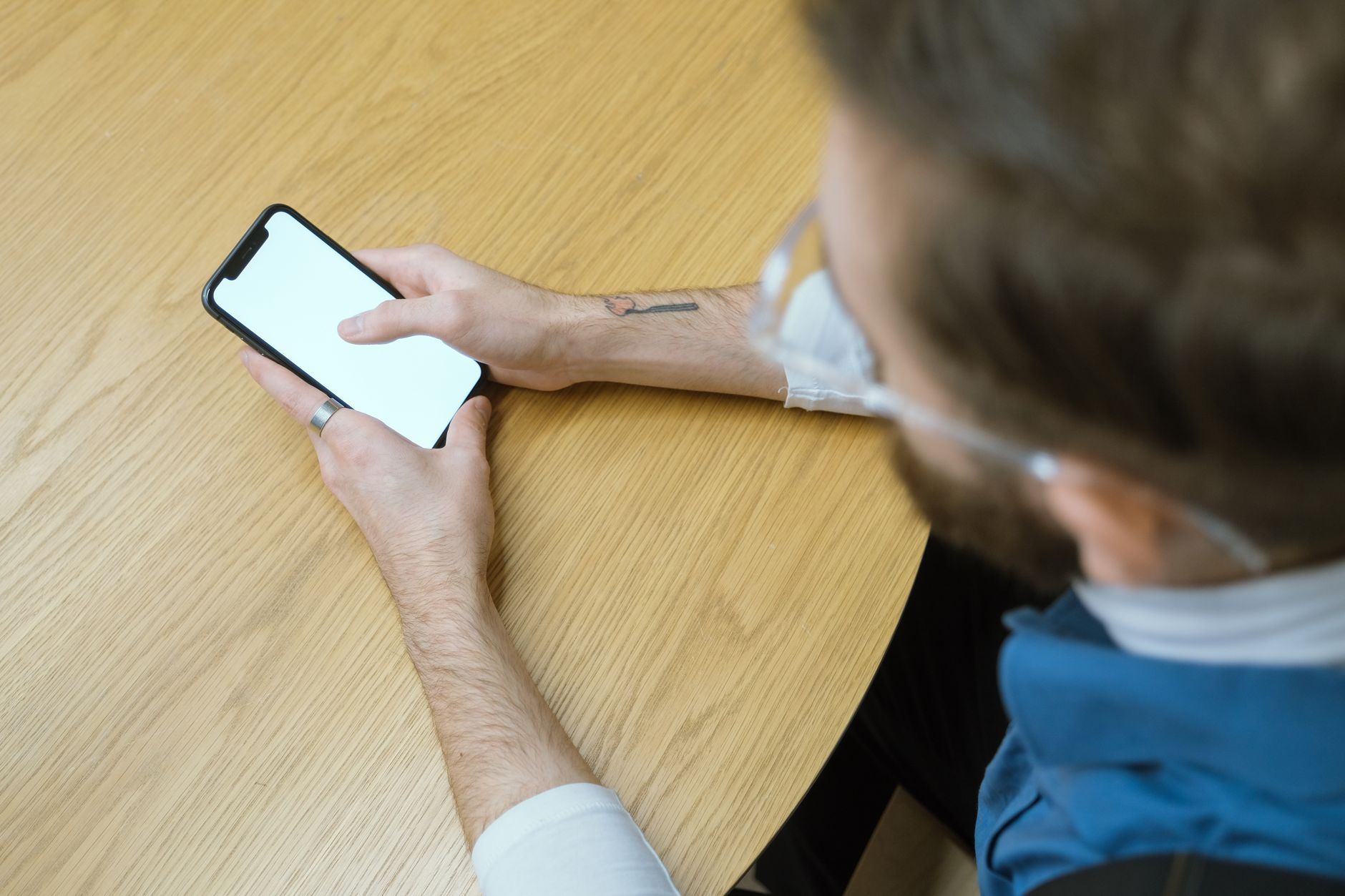
A second Toro product listing says real-time text alerts notify the user of faults or required actions, and that a manual crew can be supervised while the mower is monitored remotely. That is the kind of routing a roster depends on. The listing does not say who must acknowledge an alert or how it escalates. The sources reviewed for this piece also did not confirm that every fairway model notifies anyone when it stops.
Before the lead leaves, send a deliberate test alert on a real pass. Find out which phones receive it, how long the first acknowledgment takes, and what happens when the first name on the list does not answer. A routing list that ends in voicemail during a busy tee sheet is not a routing list.
Put these questions to the manufacturer in writing before the roster is final:
- Which alert types reach a phone automatically, and which appear only inside the app
- Whether a stop by the mower triggers a notification, and which contacts receive it
- Whether one person can acknowledge an alert and clear it for everyone else
- Whether the backup can pause or park the mower remotely, and under what conditions
- What the manufacturer's support line does when the primary supervisor cannot be reached
What should the written hold rules say?
Hold rules are the short instructions that let a crew member pause the mower without a phone call. They name the triggers in plain words: a person or vehicle in an active corridor, a fault the manual describes, standing water on a fairway, or wildlife on the course. They also say who may restart the mower and who signs off on the restart.
Post the rules at the maintenance shed and near the charging area, and keep them short enough to read in under a minute. If the vendor app can send start, stop or park commands, the rules should say who may use them. Husqvarna's Automower Connect app, for a different product, is documented as sending start, stop and park commands. That shows the idea is common, but a fairway model's controls need confirming with its maker before anyone writes them into a rule.
After any pause, the crew member notes the time and the trigger so the backup can judge the next pass. Keep that note simple enough to write standing up.
How do you map a planned absence against the mowing calendar?
Take the lead's absence dates and lay them over the mowing windows. Mark every pass that will run with no supervisor on site, and every pass that falls on a tournament, a member event or a heavy play day. Those marked passes need a named backup holding the phone, not just a rule on the wall.
Where many passes fall unattended and few people are free to cover them, a planned absence is the moment to trim scope, move a window or hold a pass. Stretching one person across several hours of remote watching is the weak point of most shift plans. Service Robot Co. is an OEM-neutral robot integrator for US businesses. It leases robots through financing, deploys and integrates them, trains staff, and services every unit under RoboCare, its service plan, backed by regional service engineers in each state it services. Courses that want one partner across the whole lifecycle can ask for a fixed lease payment quoted after a site assessment, and can ask whether the program includes spare unit coverage for planned gaps.
Even with a service plan, the roster still needs a person named in writing. No service contract knows which hold zone the lead would have paused first.

Frequently asked questions
Want a robot working for you?
Tell us the job and the site. We will recommend the robot, quote the lease, and keep it serviced.
Sources
- Toro GeoLink Solutions Autonomous Fairway Mower Series
- Toro product listing 04580AA
- Total Landscape Care: Portuguese company introduces first robotic fairway mower
- Husqvarna Automower Connect (Ripon Farm Services listing)
- USGA Green Section Record: How are golf courses adjusting to a challenging labor market?