Key takeaways
- Robot mowers take the long fairway passes, while greens, tees and bunkers stay with skilled crew.
- Write every role change down before the first pass, so the crew hears it from you first.
- Supervising a mower is real skilled work, and your best operator may be the right person for it.
- Trace freed hours back to timecards, then point them at detail work and high skill tasks.
- Define success before a trial starts, because a failed install is a lesson and not a verdict on the crew.
What changes for the crew when robots take fairway passes?
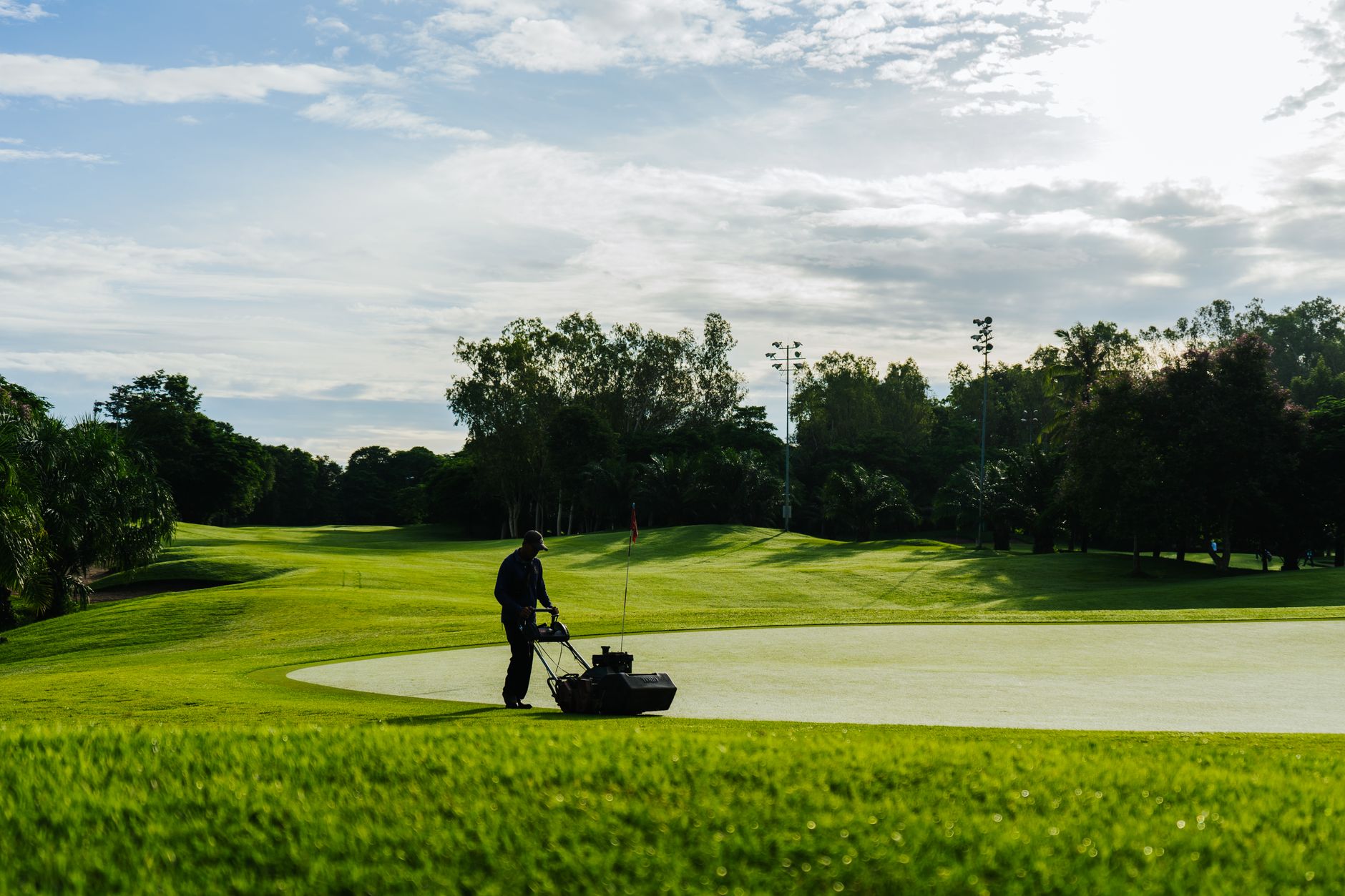
Robot mowers take over the long, repetitive fairway passes that once filled a riding mower seat for hours. For the crew, the change is less about losing work and more about where skilled hands spend the day. Greens, tees and bunkers stay with people, and the crew moves toward supervision, edging and detail work.
Morale tends to hold when the new roles are written down before the first pass rather than discovered after it. A superintendent who names the mower supervisor, the person who clears a stopped unit and the one who keeps the greens calendar removes most of the guessing that drives anxiety. The rest of this piece walks through that process.
Why do fairway seat hours weigh on a crew?
Seat time on a fairway mower is hard, repetitive and easy to fall behind on when staffing runs thin. GCSAA material describes a golf labor market that has been difficult to staff for years, and that pressure lands hardest on the people who would rather be working on greens.
Gullane Golf Club, where Paul Armour is course manager, reported that four autonomous fairway mowers recovered an estimated 30 to 40 labor hours per week during the growing season. That is the club's estimate and was not audited, so treat it as a starting point for your own timecard review rather than a promise.
Who supervises the mowers day to day?
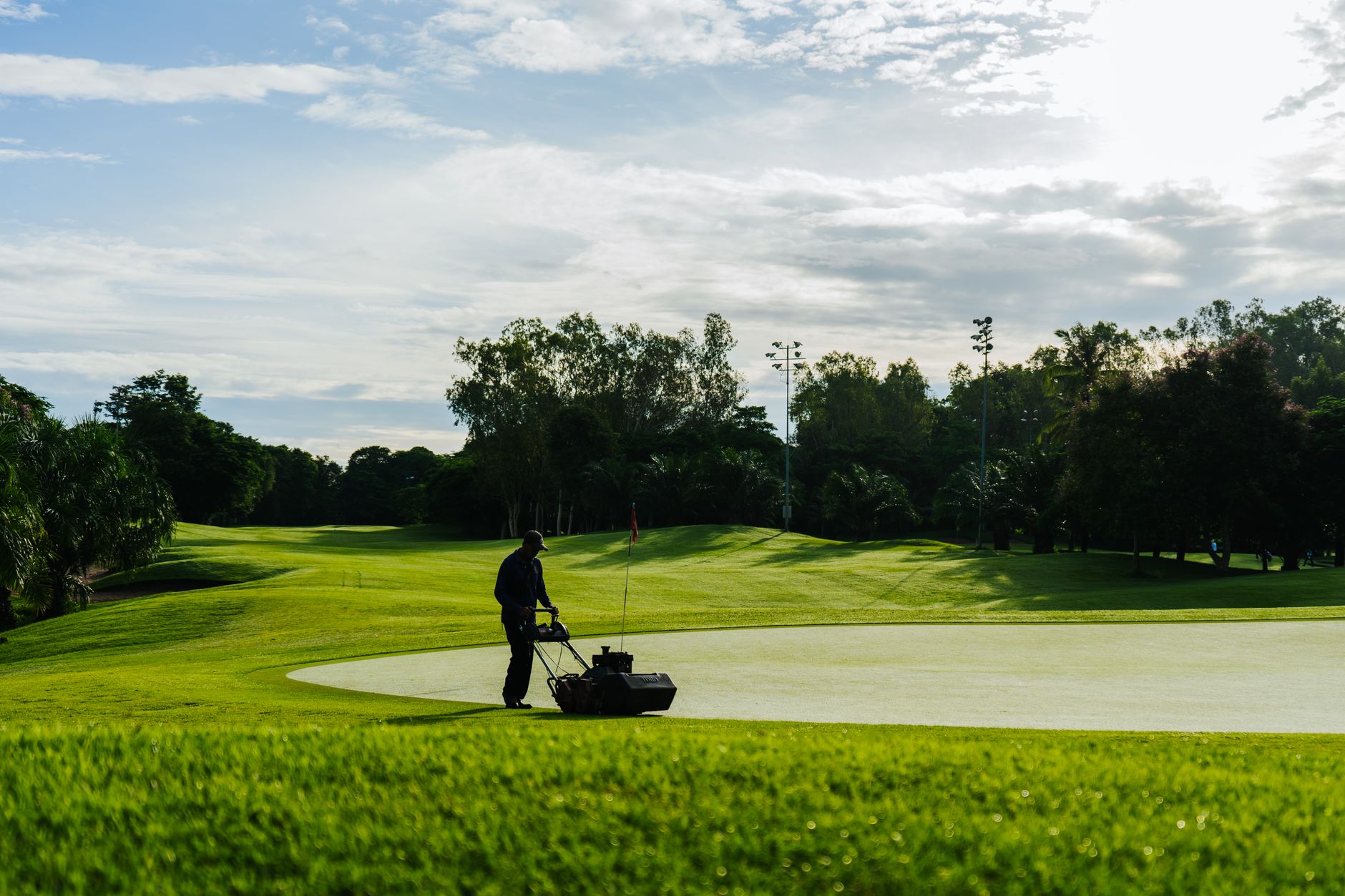
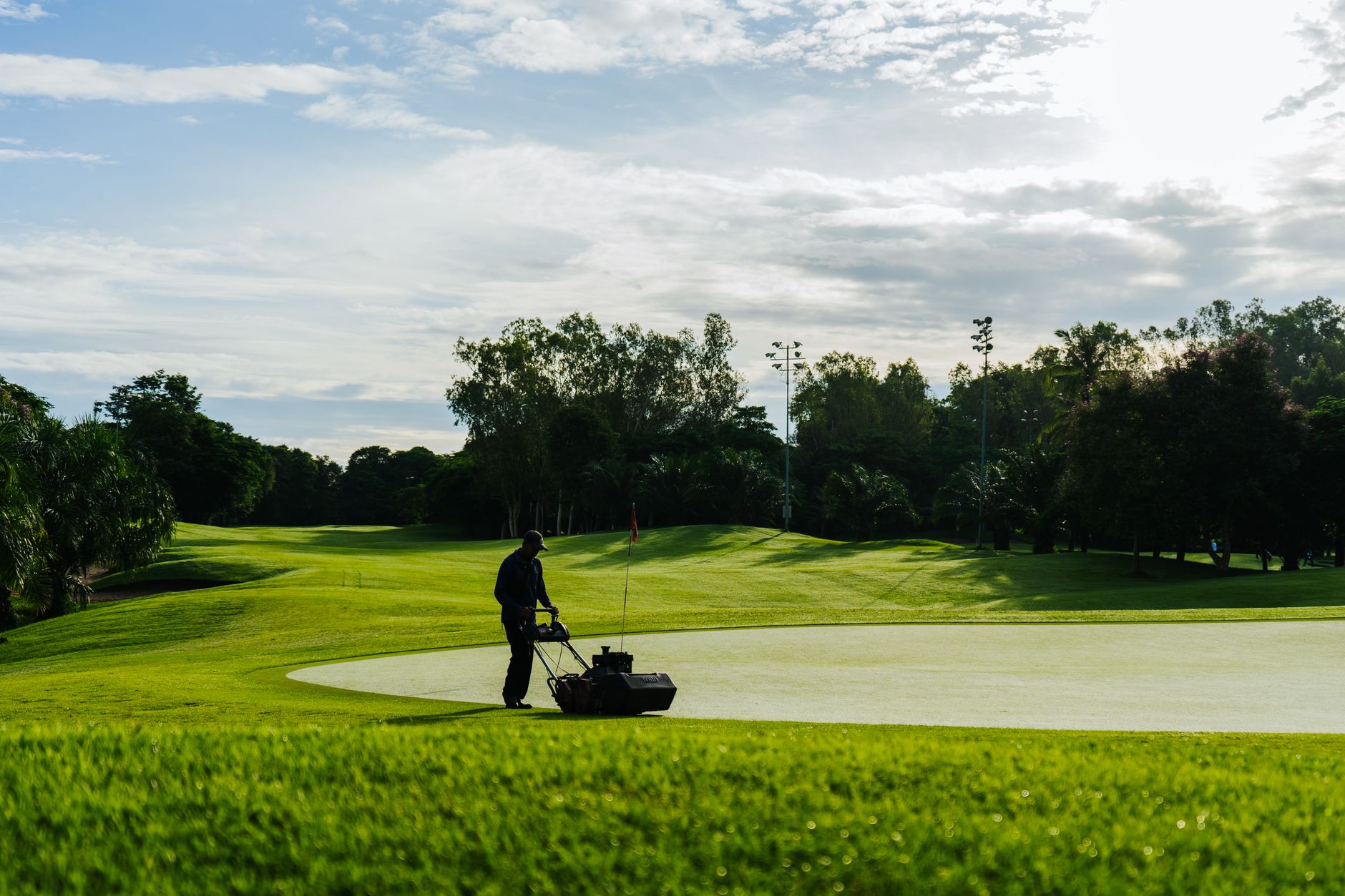
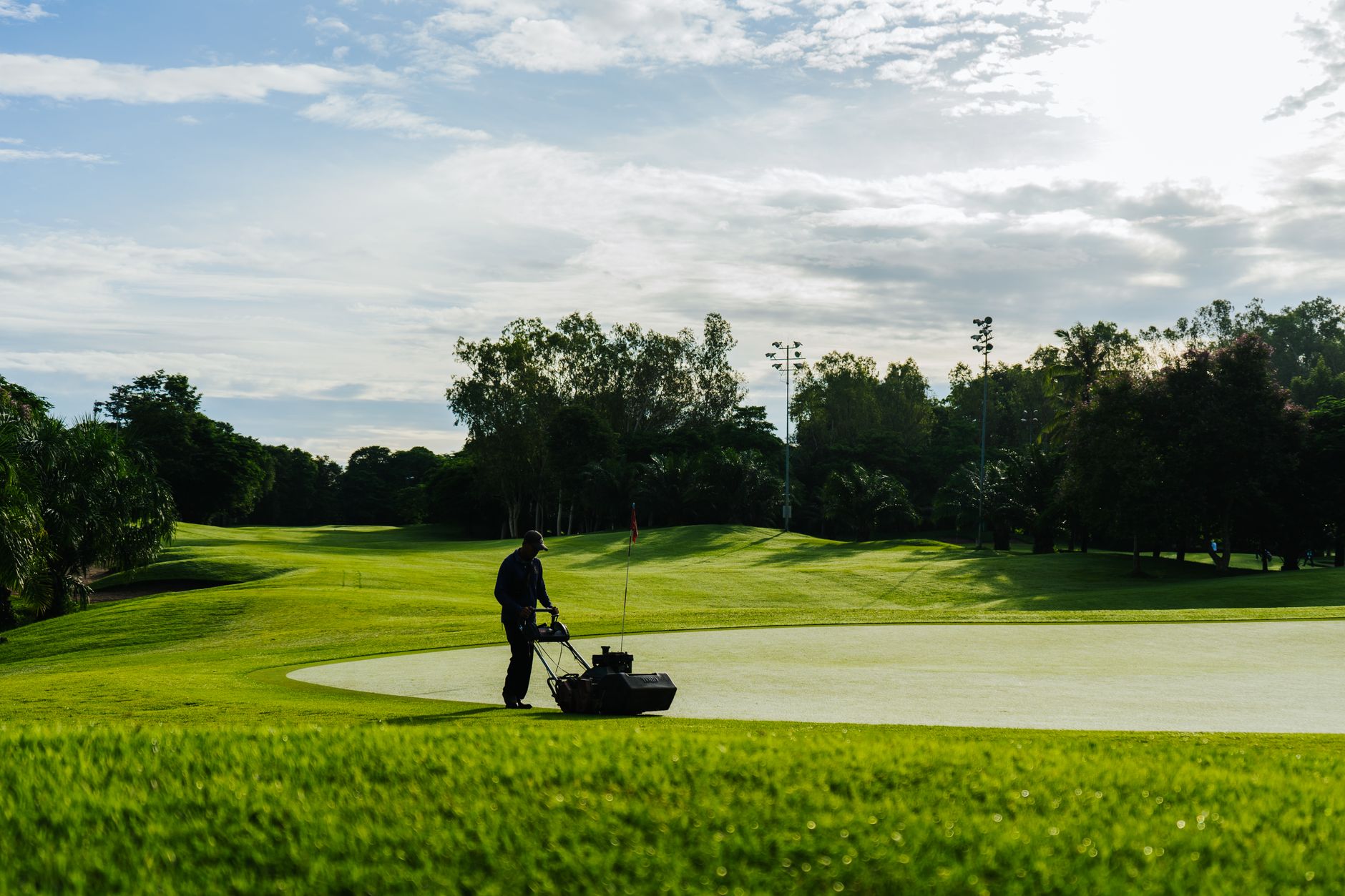
Supervising a mower is a job of its own. At Wichita Country Club, the weekly crew leader arrives earlier than other managers to dispatch the autonomous fairway mowers, and the club plans to manage them much like staff. The skill lies in judging the morning, sending units out in the right order and knowing what a stopped machine needs.
At Walnut Creek, superintendents can monitor and control the mower by phone, tablet or computer from anywhere on the course, and the mower texts the supervisor when something goes wrong. That alert turns the job from sitting in a seat into answering a message, which suits an experienced operator who already reads the turf.
Which work stays with the crew?
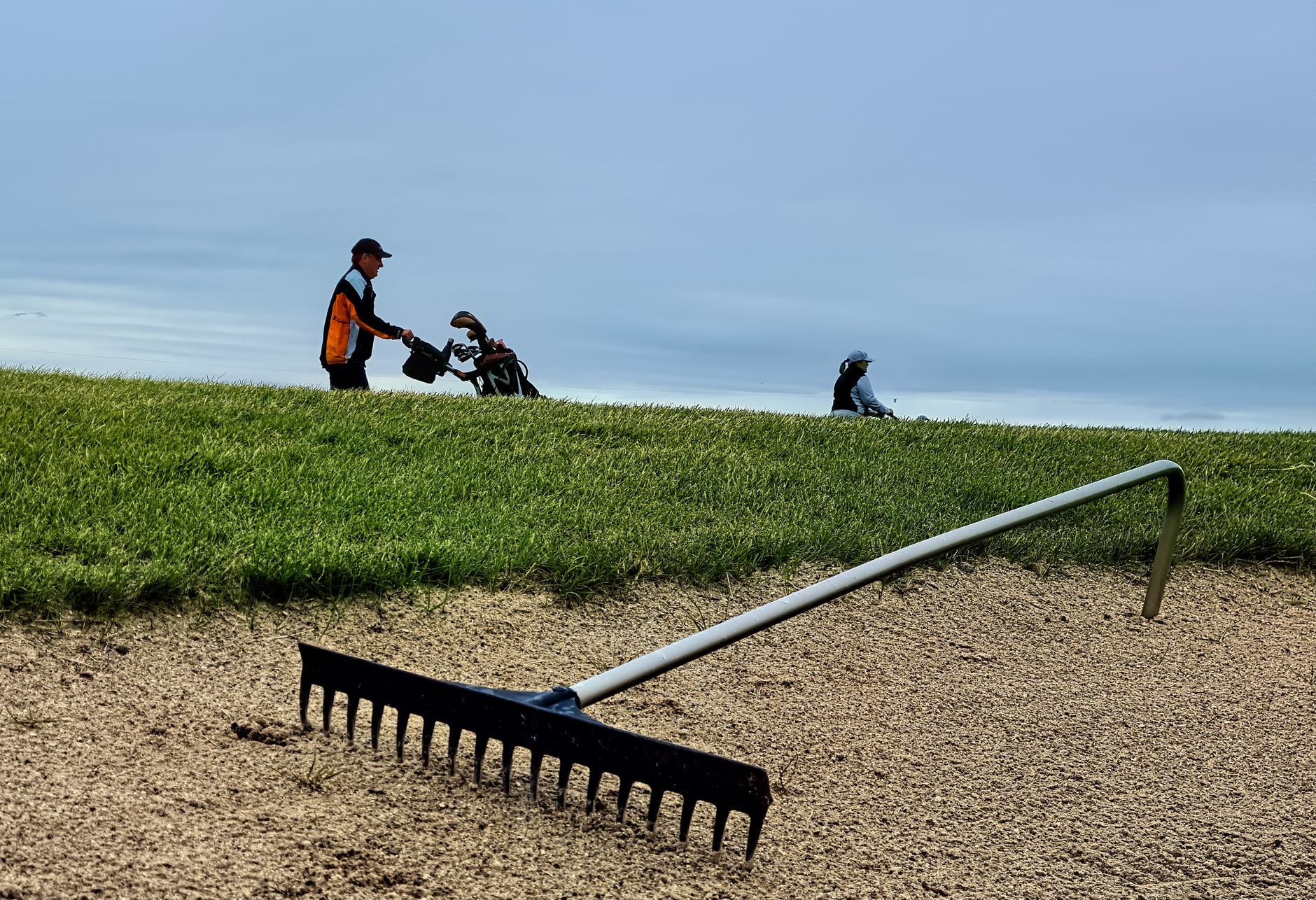
Greens, tees and bunkers decide how a course looks and plays, and in our view they belong with skilled people. Gullane's club stated that the technology would not replace greenkeeping roles. Our searches did not return sources on autonomous greens mowing, bunker rakes or tee work, so any decision to keep those jobs with the crew is a superintendent call, not a research finding.
Put the stay with crew list in writing before the first pass:
- Greens cutting, rolling and hand work
- Tee boxes and tee surface care
- Bunker raking, face work and edge repair
- Trimming and hand work after each pass
- Mower supervision, log review and fault response
How do you set roles that keep skilled staff on high-skill work?
Start with the timecards. Pull the last two seasons of fairway hours, then split them into seat time, edging, bunker and tee work, and supervision. That split shows which hours a robot can take and which hours belong to your best people.
Next, write a role card for each crew member. Each card names the work the person leads, the work they support and the mower checks they run. Give supervision to the most experienced technician, because that duty needs turf judgment, and keep greens and tees with the people who already hold those skills.
Finally, set a review date after the first full growing season and compare where freed hours went. Hours that drift back into general duty will hurt morale faster than the mower can help it.
What should a superintendent say at the crew meeting?
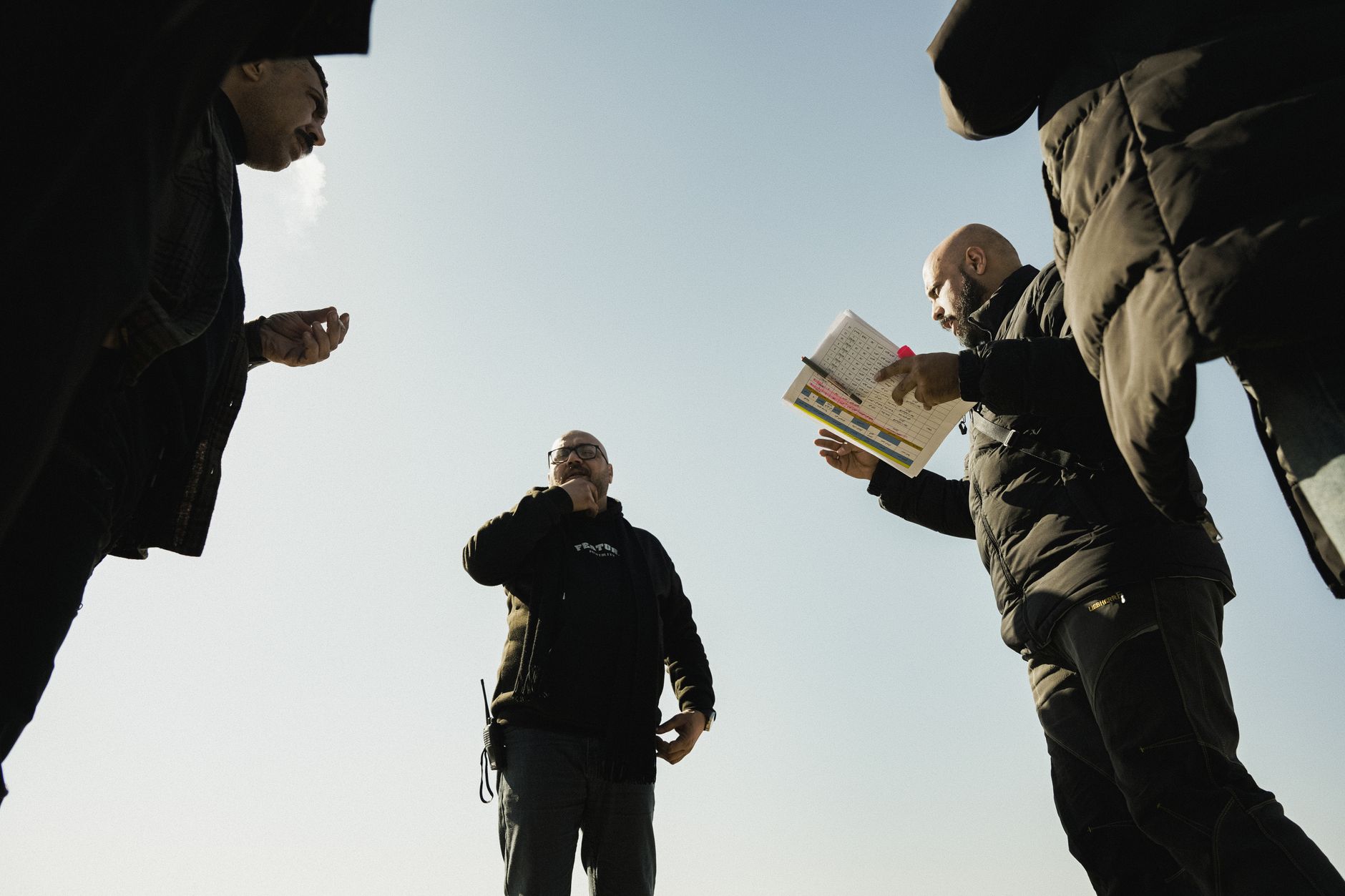
Say what is changing, what is staying and who makes the call, in that order. Name the mowers, the supervisor and the schedule, then name greens, tees and bunkers as crew work. Avoid promises about jobs that you cannot keep, because a crew will remember every word.
Invite questions about hours and training, and answer the training question with a plan. A crew member who learns dispatch, alert response and first checks will feel more in charge of the machine than one who was simply told to keep an eye on it.
What do rain weeks and championship prep show about crew roles?
The Belfry used autonomous mowers during rain affected conditions at the 2026 Husqvarna British Masters. Husqvarna's 2026 press release, which is vendor reported and was checked in November 2026, describes automated robotic technology in the preparations and reports 16 CEORA units on the Brabazon fairways.
Read that release as the vendor's account of its role. The greens and tee work that shapes a championship still depends on crew hands, and a rain week is when a trained crew shows its value most plainly.
What if a robot mower is pulled from service?
Not every install lasts. One Ohio area lodge reported that its robot mower was removed after it did not work out. A failed trial can hurt a crew that was told the robot would be the answer, so define success before the first unit runs. Track fairway passes completed, stop events logged and who responded to each one.
Service Robot Co. is an OEM neutral robot integrator. We lease robots through financing, deploy and integrate them, train staff and service every unit under RoboCare, backed by regional service engineers in each state we service. The first step is a site assessment, after which we quote one fixed lease payment on a three year lease, so the budget conversation happens before the crew meeting rather than after it.
Frequently asked questions
Want a robot working for you?
Tell us the job and the site. We will recommend the robot, quote the lease, and keep it serviced.